
How to Choose UV Inkjet Ink: A Comprehensive Guide for Perfect Prints
author: UVINK
2025-11-24

How to Choose UV Inkjet Ink: A Comprehensive Guide for Perfect Prints
Whether you’re a small business owner running a print shop or a large-scale manufacturer focusing on high-volume production, selecting the right UV inkjet ink is pivotal to achieving high-quality, durable, and cost-effective prints. With the diverse range of UV ink products available on the market, making an informed decision can be overwhelming. This guide will break down the key factors to consider, essential parameters to evaluate, and expert insights to help you choose the best UV inkjet ink for your needs. We’ll also reference our previous blog Decoding Sublimation Printer Ink: A Deep Dive into the World of Printing to draw parallels between different ink technologies and highlight UV ink’s unique advantages.
Table of Contents
-
What is UV Inkjet Ink, and Why Does It Matter?
-
Key Factors to Consider When Choosing UV Inkjet Ink
-
Essential Parameters of UV Inkjet Ink (with Parameter Table)
-
Expert Insights on UV Inkjet Ink Selection
-
Why UVINK Stands Out in the UV Inkjet Ink Market
-
Frequently Asked Questions (FAQs) About UV Inkjet Ink
1. What is UV Inkjet Ink, and Why Does It Matter?
UV inkjet ink is a type of ink that cures (dries) instantly when exposed to ultraviolet (UV) light during the printing process. Unlike traditional solvent-based or water-based inks that rely on evaporation or absorption, UV ink’s curing mechanism offers distinct benefits: rapid production speed, excellent adhesion to a wide range of substrates (including plastic, metal, glass, and wood), and exceptional durability (resistant to fading, water, and abrasion).
In our previous blog Decoding Sublimation Printer Ink: A Deep Dive into the World of Printing, we explored how sublimation ink works by penetrating and bonding with synthetic fabrics. UV inkjet ink, by contrast, sits on top of the substrate and cures into a solid film—making it ideal for non-porous materials that sublimation ink can’t adhere to. This versatility is why UV ink is widely used in signage, packaging, promotional products, and industrial printing.
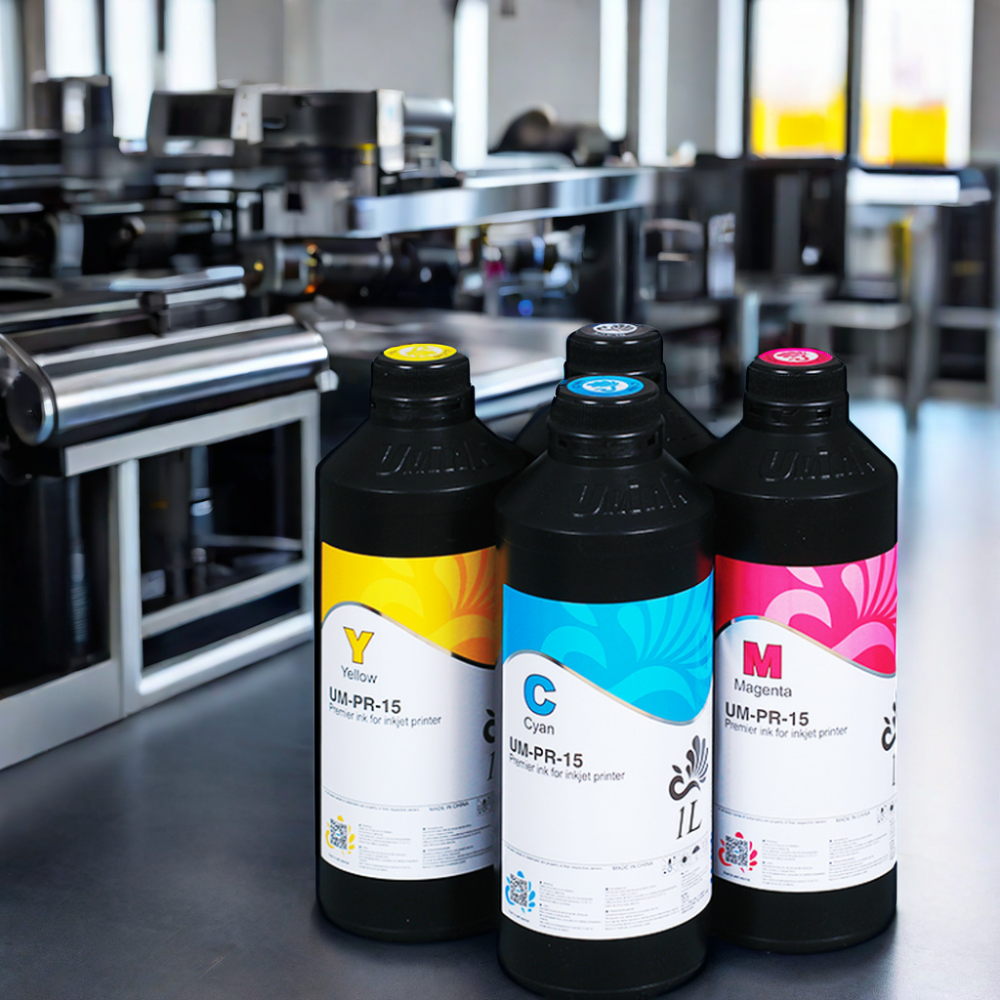
2. Key Factors to Consider When Choosing UV Inkjet Ink
2.1 Compatibility with Your Printer
The first and most critical factor is printer compatibility. Not all UV inks work with every UV printer model. Manufacturers design inks to match the specifications of their printers (e.g., print head type, UV light wavelength, and ink delivery system). Using incompatible ink can cause clogs in the print head, reduce print quality, and even void your printer’s warranty. Always check your printer’s user manual or consult the manufacturer to confirm which UV inks are recommended.
2.2 Substrate Type
UV inkjet ink’s performance varies significantly depending on the substrate you’re printing on. For example: Non-porous substrates (e.g., acrylic, aluminum, vinyl) require inks with strong adhesion properties to prevent peeling.Flexible substrates (e.g., PVC banners) need flexible UV ink that can withstand bending without cracking.Food packaging substrates require food-safe UV ink that meets regulatory standards (e.g., FDA approval in the U.S.).
2.3 Print Application and Durability Requirements
Consider the end use of your prints to determine the necessary durability features: Outdoor signage needs UV-resistant ink to prevent fading from sun exposure.High-traffic items (e.g., product labels) require scratch-resistant ink.Wet environments (e.g., bathroom signs) need water-resistant ink.
2.4 Color Gamut and Print Quality
The color gamut (range of colors an ink can reproduce) directly impacts print quality. If your work involves vibrant, high-resolution graphics (e.g., promotional posters or art reproductions), choose UV inks with a wide color gamut. Look for inks that offer consistent color reproduction across different substrates to ensure brand consistency.
2.5 Environmental and Safety Considerations
UV inkjet ink is generally more environmentally friendly than solvent-based inks because it emits little to no volatile organic compounds (VOCs) during curing. However, some inks may contain harmful chemicals, so it’s important to choose low-VOC UV ink if you’re printing in enclosed spaces. Additionally, ensure your workspace has proper ventilation and that staff wear appropriate personal protective equipment (PPE) when handling ink.
3. Essential Parameters of UV Inkjet Ink (with Parameter Table)
Understanding UV inkjet ink’s technical parameters is key to evaluating its performance. Below is a table of core parameters and their significance, using examples from leading brands like UVINK to illustrate industry standards.
|
Parameter
|
Definition
|
Ideal Range
|
UVINK Product Example
|
|---|---|---|---|
|
Viscosity
|
Measure of ink’s thickness; affects flow through print head
|
8-15 cP (at 25°C)
|
UVINK-UV100: 10-12 cP
|
|
Curing Speed
|
Time taken to cure under UV light; impacts production speed
|
0.1-0.5 seconds (at 80-120 mJ/cm²)
|
UVINK-UV200: 0.2 seconds
|
|
Adhesion
|
Ability to stick to substrate; tested via cross-cut or tape test
|
Grade 4-5 (ASTM D3359 standard)
|
UVINK-UV300: Grade 5 on aluminum
|
|
UV Resistance
|
Resistance to fading from UV exposure; tested via xenon arc test
|
5000+ hours (no significant fading)
|
UVINK-UV400: 8000+ hours
|
|
Hardness
|
Surface hardness of cured ink; affects scratch resistance
|
2H-4H (pencil hardness test)
|
UVINK-UV500: 3H
|
|
VOC Content
|
Amount of volatile organic compounds; impacts safety and environment
|
<5 g/L
|
UVINK-UV600: <2 g/L
|
4. Expert Insights on UV Inkjet Ink Selection
To gain deeper insights, we spoke with Dr. Sarah Johnson, a printing technology expert with 15 years of experience in ink formulation and testing. Here’s what she had to say:
“Many printers overlook the relationship between ink viscosity and print head performance. If the ink is too thick, it can clog the nozzles; if it’s too thin, it can cause bleeding or uneven coverage. It’s not just about choosing a ‘good’ ink—it’s about choosing an ink that’s optimized for your specific printer and substrate. For example, when printing on glass, I always recommend inks with a higher adhesion grade (Grade 5) and a slower curing speed to allow for better wetting of the surface. Brands like UVINK have done an excellent job of tailoring their inks to specific applications, which takes the guesswork out of selection.”
Dr. Johnson also emphasized the importance of testing: “Never commit to a large order of UV ink without first doing a sample print. Test the ink on your target substrate, check for adhesion, color accuracy, and durability, and run it through your printer for a few hours to ensure compatibility.”
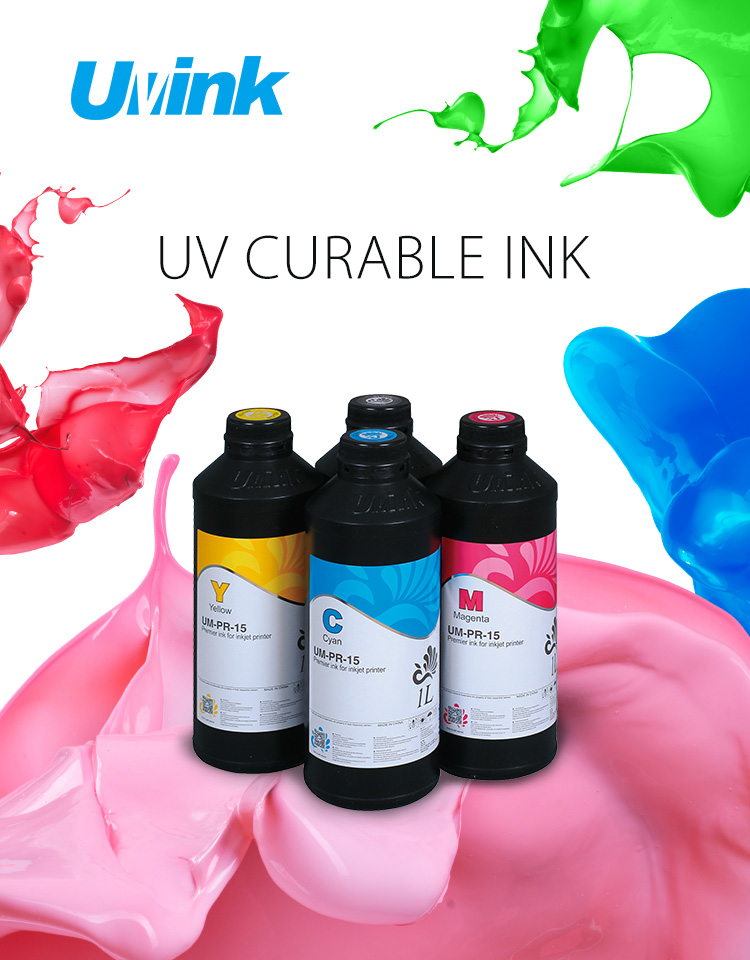
5. Why UVINK Stands Out in the UV Inkjet Ink Market
When it comes to reliable, high-performance UV inkjet ink, UVINK is a brand that consistently delivers. Here are three reasons why UVINK is a top choice for printers worldwide:
5.1 Printer Compatibility
UVINK offers a wide range of inks designed to work with leading UV printer brands (e.g., Epson, Roland, Mimaki). Each ink is rigorously tested to ensure seamless integration, reducing the risk of print head clogs and maximizing printer lifespan.
5.2 Tailored Solutions for Substrates
Whether you’re printing on rigid materials (e.g., metal, stone) or flexible substrates (e.g., fabric, vinyl), UVINK has an ink formulated for the job. Their UVINK-UV300 line, for example, is specifically designed for non-porous surfaces and offers Grade 5 adhesion—perfect for outdoor signage and industrial parts.
5.3 Commitment to Quality and Safety
UVINK’s inks undergo strict quality control checks to ensure consistent color reproduction and durability. All their inks are low-VOC and comply with global safety standards (e.g., FDA, REACH), making them a safe choice for both workers and the environment.
6. Frequently Asked Questions (FAQs) About UV Inkjet Ink
Q1: Can I use UV inkjet ink in a regular inkjet printer?
A: No. Regular inkjet printers don’t have UV curing systems, so UV ink won’t dry properly. Using UV ink in a regular printer will cause smudging, clogs, and permanent damage to the print head.
Q2: How long does UV inkjet ink last in storage?
A: When stored in a cool, dry place (5-25°C) and sealed tightly, UV inkjet ink typically has a shelf life of 6-12 months. Avoid exposing ink to direct sunlight or extreme temperatures, as this can degrade the ink’s performance.
Q3: Is UV inkjet ink waterproof?
A: Yes, most UV inks are waterproof once cured. However, the level of water resistance varies by formulation—look for inks labeled “waterproof” or “weatherproof” for outdoor or wet environment applications. UVINK’s UV400 line, for example, is fully waterproof and resistant to rain and humidity.
Q4: Can UV inkjet ink be used for food packaging?
A: Yes, but only if the ink is certified food-safe. Look for inks that meet FDA regulations for indirect food contact. UVINK’s UV-FS line is specifically formulated for food packaging and complies with global food safety standards.
Q5: How does UV inkjet ink compare to sublimation ink?
A: As we discussed in Decoding Sublimation Printer Ink: A Deep Dive into the World of Printing, sublimation ink penetrates synthetic fabrics and bonds with the fibers. UV ink sits on top of the substrate and cures into a film. UV ink is more versatile (works on non-porous materials), while sublimation ink is better for soft, synthetic fabrics.
Conclusion
Choosing the right UV inkjet ink requires balancing printer compatibility, substrate type, durability needs, and quality standards. By focusing on the key factors outlined in this guide, referencing technical parameters, and leveraging expert insights, you can select an ink that delivers consistent, high-quality prints. Brands like UVINK offer tailored solutions that simplify the selection process, ensuring you get the most out of your UV printing setup. For more insights into printing inks, be sure to check out our previous blog Decoding Sublimation Printer Ink: A Deep Dive into the World of Printing.
 Sublimation Ink Buying Guide for sublimation printer ink | UVINK
  DTF ink Selection Guide for dtg dtf printer | UVINK
  UV DTF Ink: What Is UV DTF for Digital Printing?
  Economic DTF Ink for DTF Printer Procolored – No‑Clog, Cost‑Effective Industrial Printing Solution
  Economic‑Grade DTF Ink – Complete Industrial Guide: How To Make DTF Transfers With Inkjet Printer
  Industrial‑Grade UV DTF Ink – Complete Buying Guide for UV DTF Stickers for Tumblers Production
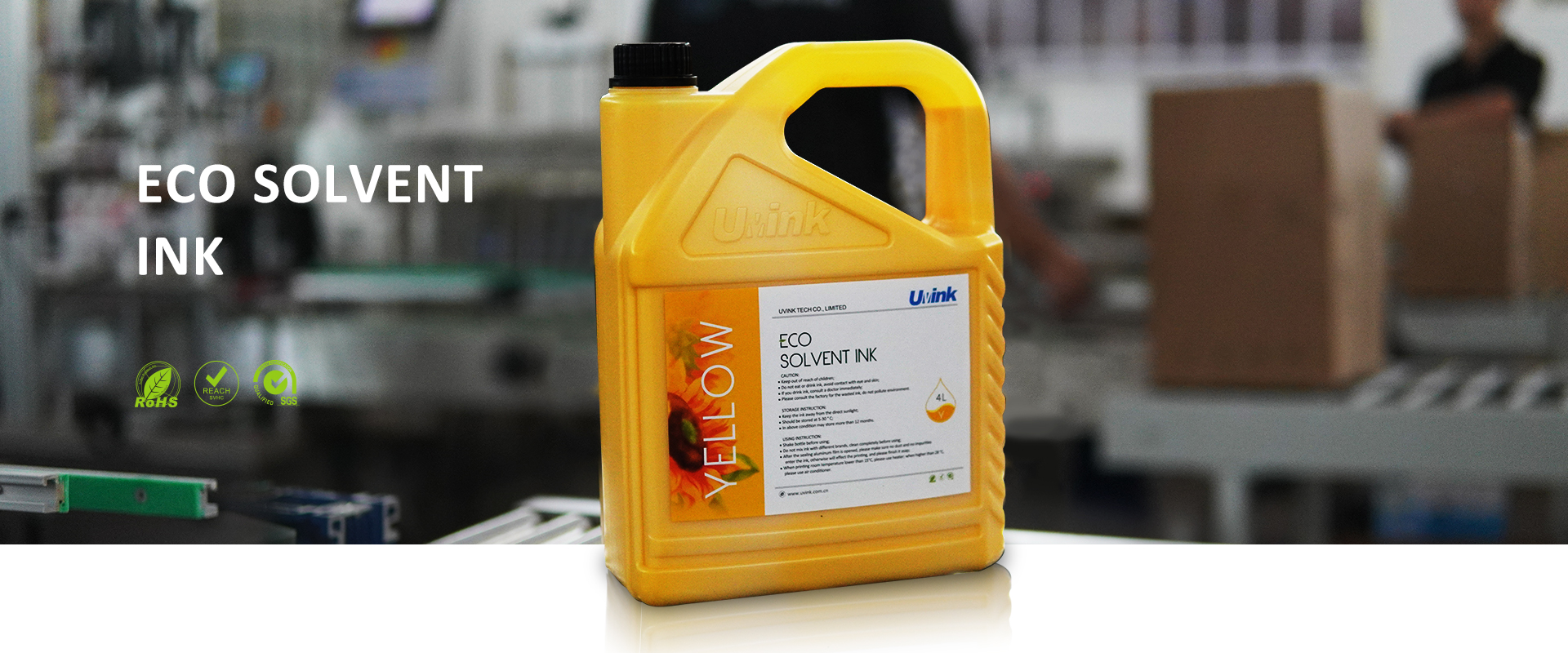
  UVINK Eco Solvent Ink – Complete Industrial Buying Guide for Car Wrap Advertising Projects
 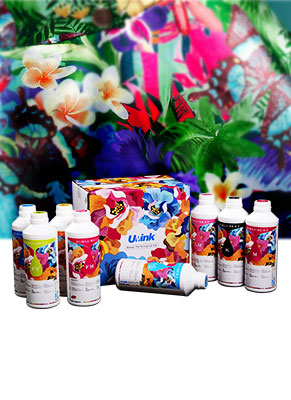 Fluorescent Sublimation Ink & Sublimation Printer Ink – Full Industrial UVINK Buyer Guide
  UVINK Economic DTF Ink – Complete Industrial Guide for DTF Printing Ink Users
 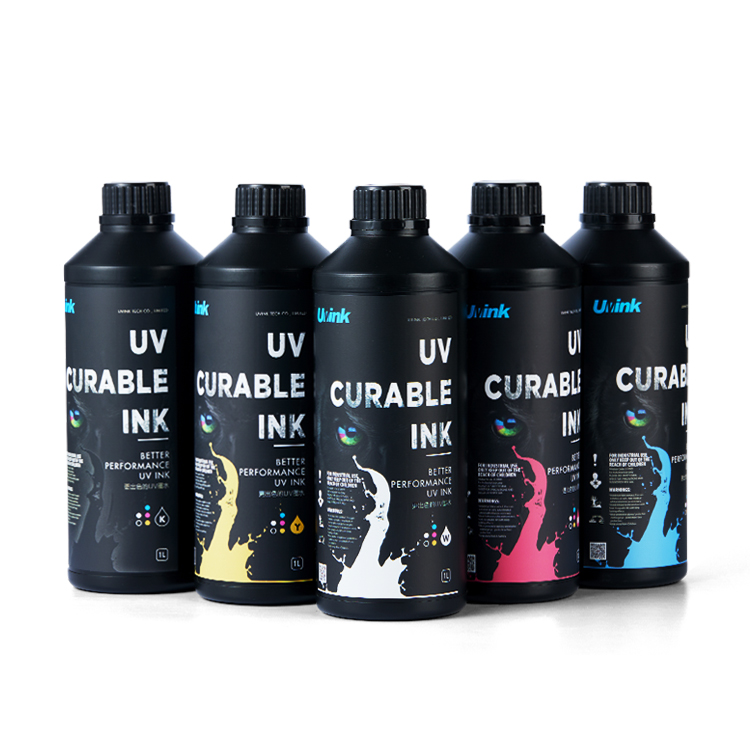 Professional‑Grade UV DTF Ink for High‑Quality UV DTF Prints – UVINK Complete Industrial Buying Guide
 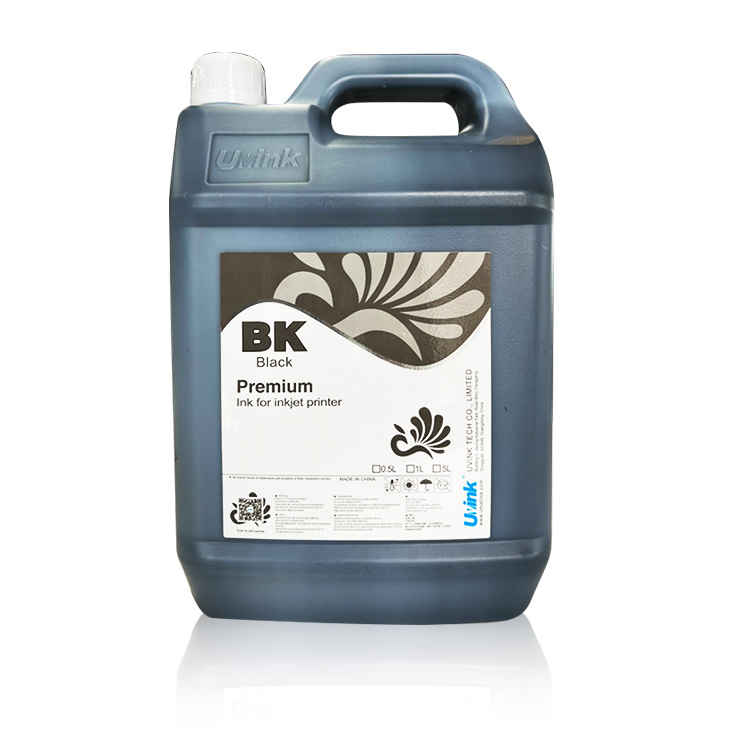 Mild Solvent Ink & Outdoor Advertising Printing – Professional Industrial Guide by UVINK
  Sublimation Ink & Epson Sublimation Ink – Full Industrial Buyer Guide by UVINK
  UVINK UV DTF Ink & What Are UV DTF Stickers – Complete Industrial Guide
 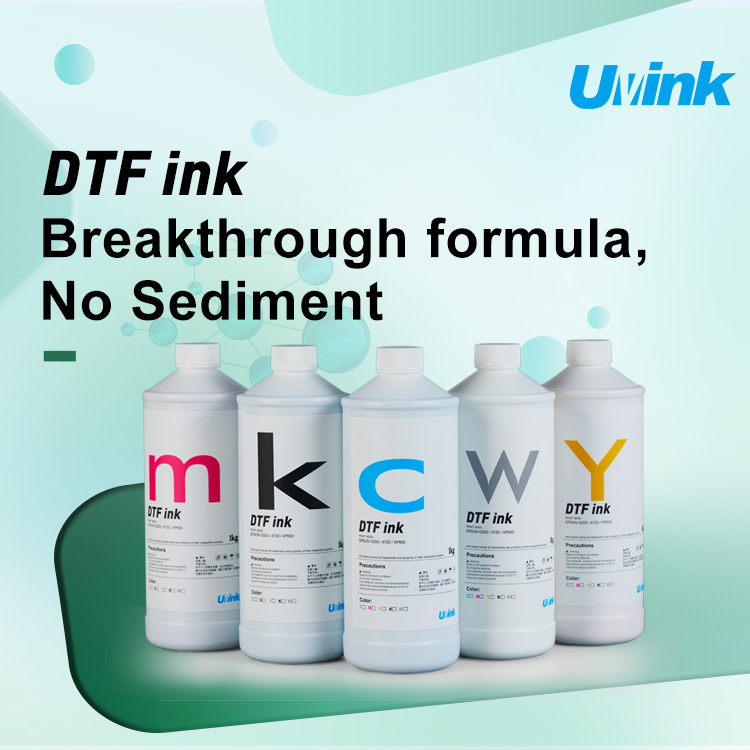 UVINK Economic DTF ink: Complete Buyer Guide for dtf for shirts Printing
  Sublimation Ink & Printer Color Ink: Industrial B2B Technical Guide
  UV DTF Ink & How to Make UV DTF Stickers: Industrial Production Guide
  Solvent Ink for Wide Format Ink Jet Printer: Industrial Technical Guide
 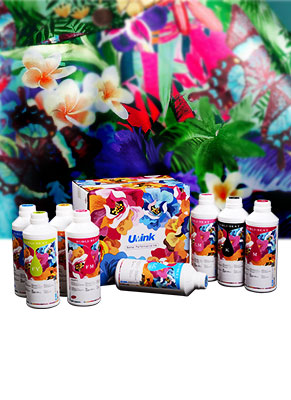 Sublimation Ink: Professional Technical Guide for Epson Printers
  Eco-solvent Ink: Professional Industrial Guide for Epson Pro Printers
  DTF Ink: Professional Industrial Guide for Procolored DTF Printer L1800