
Decoding Sublimation Printer Ink: A Deep Dive into the World of Printing
author: UVINK
2025-11-20

Decoding Sublimation Printer Ink: A Deep Dive into the World of Printing
Table of Contents
-
[What is Sublimation Printer Ink?](#what-is-sublimation-printer-ink)
-
[Parameters of General Sublimation Printer Ink](#parameters-of-general-sublimation-printer-ink)
-
[Comparison of Advantages and Disadvantages between Sublimation Printer Ink and DTF Printer Ink](#comparison-of-advantages-and-disadvantages-between-sublimation-printer-ink-and-dtf-printer-ink)
-
[Expert's Views on Sublimation Printer Ink](#experts-views-on-sublimation-printer-ink)
-
[FAQs about Sublimation Printer Ink](#faqs-about-sublimation-printer-ink)
What is Sublimation Printer Ink?
?
Definition and Basics
Sublimation printer ink is a specialized type of ink used in sublimation printing technology. It is distinct from regular inks as it is designed to undergo a unique process called sublimation. Sublimation is the phase transition where a substance changes directly from a solid state to a gaseous state without passing through the liquid state, and vice versa. In the context of sublimation printing, the ink consists of sublimation dyes, which are solid dyes in their normal state.
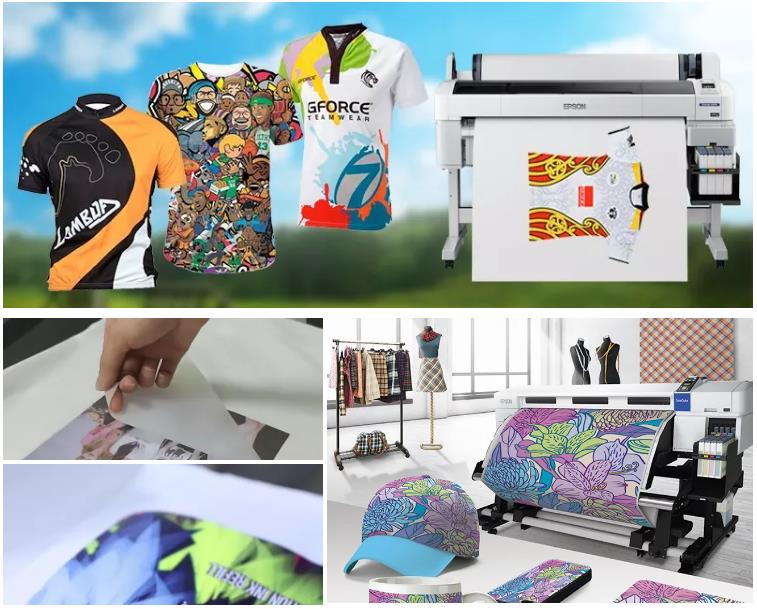
These dyes have the remarkable property of being able to sublimate when exposed to heat. When the sublimation printer is in operation, heat is applied during the printing process, causing the solid sublimation dyes in the ink to transform into a gas. This gaseous form of the dye can then penetrate the pores of certain materials, such as polyester fabrics or sublimation - coated substrates. Once the gas cools down, it reverts back to a solid state within the material, resulting in a permanent and high - quality print. This process allows for extremely detailed and vibrant prints, making sublimation printer ink popular for applications like custom apparel, promotional products, and fine - art reproductions.
Working Mechanism
The working mechanism of sublimation printer ink begins with the ink being stored in cartridges. These cartridges are designed to be easily installed into the sublimation printer. When a print job is initiated, the printer's software sends a signal to the print head. The print head is a crucial component of the printer; it contains a series of tiny nozzles.
As the print head moves across the print area, it precisely ejects droplets of sublimation ink onto the paper or fabric. For sublimation printing, special sublimation - transfer paper is often used first. The ink adheres to this paper in the form of dots, creating the desired image or text. The density and placement of these ink dots are carefully controlled by the printer driver software to ensure accurate color reproduction and sharp details.
After the ink has been printed onto the transfer paper, the next step is the heat - press transfer process. The printed transfer paper is placed in contact with the final substrate, which could be a polyester fabric, a ceramic tile with a sublimation - receptive coating, or a metal item with a compatible coating. High heat (usually in the range of 180 - 220°C depending on the material) and pressure are applied using a heat press machine. During this heat - press process, the sublimation ink on the transfer paper sublimates into a gas. The gas molecules then diffuse into the pores of the substrate. Once the heat is removed and the substrate cools down, the ink re - solidifies within the material, creating a permanent bond with the substrate and resulting in a long - lasting, high - quality print.
Parameters of Common Sublimation Printer Ink
A Tabular Presentation
Here is a table presenting the key parameters of common sublimation printer ink:
|
Parameter
|
Details
|
|
Color Types
|
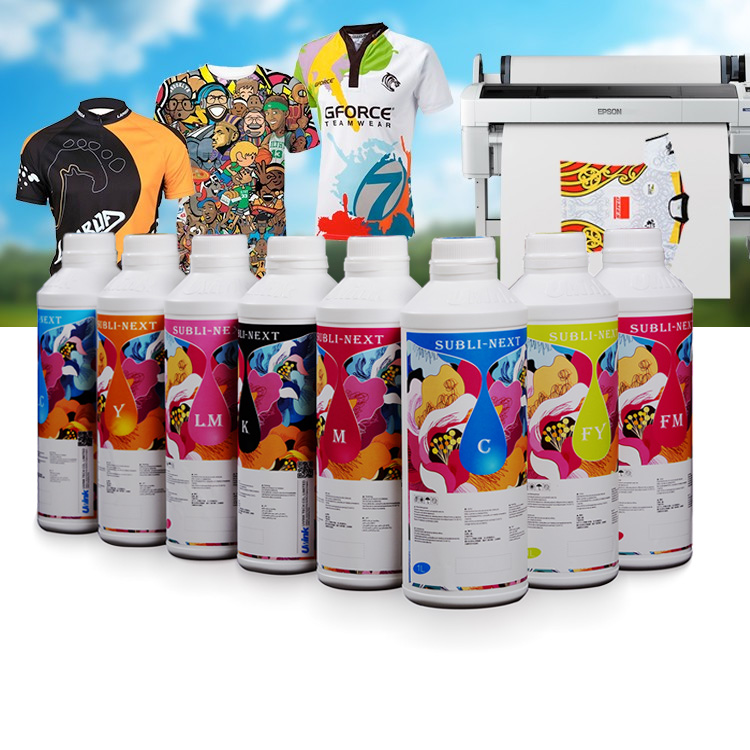
Usually includes CMYK (Cyan, Magenta, Yellow, Black), and some advanced inks may also have additional colors like Light Cyan and Light Magenta to enhance color gamut and produce more natural - looking skin tones and pastels.
|
|
Compatibility
|
Compatible with a wide range of sublimation - enabled printers. However, it is crucial to check the printer's specifications as some printers may have specific ink requirements. For example, Epson - based sublimation printers work best with inks formulated for Epson print heads. It is also compatible with polyester - based fabrics (the higher the polyester content, the better the result), sublimation - coated ceramics, metals, and hard plastics.
|
|
Lightfastness
|
Generally has a high lightfastness rating, often around 7 - 8 on a scale of 1 - 8 according to the Blue Wool Scale. This means that prints made with sublimation ink can resist fading when exposed to light for an extended period.
|
|
Wash Fastness
|
For fabric applications, the wash fastness is typically very good. It can withstand multiple wash cycles (usually 30 - 50 standard wash cycles) without significant color loss or bleeding, maintaining the integrity of the printed design.
|
|
Viscosity
|
Usually has a viscosity in the range of 1 - 4 centipoise (cps). This viscosity level ensures smooth ink flow through the printer's nozzles, preventing clogging while also allowing for precise droplet formation during printing.
|
|
Particle Size
|
The particle size of the sublimation dyes in the ink is extremely small, often less than 1 micron. This fine particle size is essential for the ink to sublimate effectively and penetrate the substrate evenly, resulting in high - quality prints with sharp details.
|
|
pH Value
|
The pH value of sublimation printer ink is usually maintained in the range of 7 - 9 (neutral to slightly alkaline). This helps to prevent corrosion of the printer's internal components, especially the print head, and also ensures the stability of the ink over time.
|
Parameter Explanation
-
Color Types: The basic CMYK color model allows for a wide range of colors to be created through subtractive color mixing. The addition of Light Cyan and Light Magenta expands the color gamut, which is particularly important for applications such as photo - realistic prints, where smooth color transitions and accurate skin - tone reproduction are essential. For instance, in a landscape print, the extra colors can help in creating more natural - looking skies and foliage.
-
Compatibility: Compatibility with printers is vital as using an incompatible ink can lead to poor print quality, nozzle clogging, and even damage to the printer. Regarding substrates, polyester has a molecular structure that can easily absorb the sublimated ink, making it the ideal fabric for sublimation printing. Sublimation - coated materials have a special surface layer that is receptive to the sublimated ink, ensuring a strong bond and high - quality finish.
-
Lightfastness: High lightfastness is crucial, especially for products that will be displayed outdoors or in well - lit indoor environments. For example, a sublimated outdoor banner with high - lightfast ink will maintain its vibrant colors for a long time, making it an effective advertising tool. If the lightfastness is low, the print may fade quickly, losing its visual impact.
-
Wash Fastness: In the textile industry, good wash fastness is a must. When printing on garments, consumers expect the design to remain intact after multiple washes. A sublimated T - shirt with high wash fastness can be washed regularly without the design peeling, fading, or bleeding, ensuring customer satisfaction.
-
Viscosity: The right viscosity ensures that the ink flows smoothly through the printer's nozzles. If the viscosity is too high, the ink may not flow properly, leading to clogged nozzles and inconsistent printing. On the other hand, if the viscosity is too low, the ink may spread too much on the substrate, resulting in blurry prints.
-
Particle Size: The small particle size of sublimation dyes is key to their ability to sublimate and penetrate the substrate. Larger particles would not be able to sublimate efficiently and could cause uneven prints or clog the printer's nozzles. In high - resolution printing, the fine particle size allows for the creation of sharp lines and detailed images.
-
pH Value: Maintaining a proper pH value is important for the long - term health of the printer. A pH value outside the recommended range can cause corrosion of the metal components in the print head, reducing its lifespan. Additionally, an unstable pH can lead to chemical reactions within the ink, affecting its color stability and print quality.
Sublimation Printer Ink vs DTF Printer Ink
When it comes to digital printing, two popular types of inks are sublimation printer ink and DTF (Direct - to - Film) printer ink. Each has its own set of characteristics, and understanding the differences between them can help you make an informed decision for your printing needs.
Cost Comparison
-
Initial Ink Cost: Generally, sublimation printer ink can be relatively more expensive per unit volume compared to DTF printer ink. Sublimation inks often require high - quality dyes and precise formulation to ensure proper sublimation during the heat - press process. For example, a 100 - ml bottle of high - quality sublimation ink may cost around $$15 -$$25, while a similar volume of DTF ink could be in the range of $$10 -$$18. However, it's important to note that prices can vary significantly depending on the brand and supplier.
-
Long - term Cost Considerations: In the long run, the cost - effectiveness depends on the application. Sublimation printing typically requires special sublimation - transfer paper, which adds to the overall cost. If you are doing large - scale production, the cost of the transfer paper can be substantial. On the other hand, DTF printing doesn't rely on transfer paper. But DTF prints may require a powder (such as a fixer powder) to be added during the process, which also contributes to the overall cost. Additionally, the durability of the prints can impact long - term costs. If sublimation prints last longer and require less re - printing due to fading or wear, it could be more cost - effective in the long run for certain applications.
Quality and Durability
-
Print Quality:
-
Sublimation Printer Ink: Sublimation ink is known for its ability to produce extremely vibrant and sharp prints. The process of sublimation allows the ink to penetrate the substrate at a molecular level, resulting in a smooth color transition and high - definition details. For example, when printing a photo - realistic image on a polyester fabric, sublimation ink can accurately reproduce the colors and details, creating a professional - looking finish.
-
DTF Printer Ink: DTF ink also offers high - quality prints with excellent color accuracy. Since the ink is printed directly onto the film and then transferred to the substrate, it can achieve a high level of detail. However, in some cases, the texture of the transferred print may be slightly different from that of a sublimation print. DTF prints can sometimes have a slightly raised texture due to the nature of the transfer process, which may be noticeable in some applications.
-
-
Durability:
-
Sublimation Printer Ink: On polyester fabrics and sublimation - coated materials, sublimation prints are highly durable. They have excellent wash fastness, as mentioned earlier, able to withstand numerous wash cycles without significant color loss. In terms of lightfastness, they can resist fading well when exposed to sunlight, making them suitable for outdoor - related products like flags or outdoor signage made from compatible materials.
-
DTF Printer Ink: DTF prints also have good durability, but their performance can vary depending on the substrate. On cotton fabrics, which are more commonly used with DTF printing compared to sublimation (where polyester is preferred), DTF prints can hold up well to washing, but they may not be as fade - resistant as sublimation prints on polyester when exposed to strong sunlight for long periods. However, DTF prints on some synthetic - blend fabrics can offer similar durability to sublimation prints in terms of wash and light resistance.
-
Application Scenarios
-
Sublimation Printer Ink:
-
Fabric Applications: Sublimation ink is ideal for polyester - based fabrics. It is commonly used in the production of sportswear, where the moisture - wicking properties of polyester are combined with the high - quality, long - lasting prints achieved through sublimation. For example, professional sports teams often use sublimation - printed jerseys as they can showcase team logos and player names with vivid colors that won't fade or crack during intense physical activities and frequent washing.
-
Hard Substrates: Sublimation ink is also suitable for sublimation - coated ceramics, metals, and plastics. This makes it popular for creating personalized mugs, keychains, and decorative items. The ability to bond with these hard substrates through sublimation results in a permanent and high - gloss finish.
-
-
DTF Printer Ink:
-
Complex Patterns on Various Fabrics: DTF ink is well - suited for printing complex patterns on a wide range of fabrics, including cotton, polyester, and their blends. It can handle intricate designs with multiple colors and fine details, making it a great choice for custom - printed T - shirts, especially those with elaborate graphics or text.
-
Dark - Colored Fabrics: One of the advantages of DTF printing is its ability to print on dark - colored fabrics. Since the ink is transferred from the film, it can create opaque and vibrant prints on dark backgrounds, which is a challenge for sublimation printing (as sublimation works best on light - colored or white polyester - based materials). This makes DTF ink popular for creating unique and eye - catching designs on black or dark - colored apparel.
-
Expert Opinions
Quotes from Industry Experts
Dr. Emily Chen, a renowned expert in digital printing materials, has shared her insights on sublimation printer ink. "The future of sublimation printer ink lies in its continuous innovation in terms of environmental friendliness and color gamut expansion. We are seeing a growing demand for eco - friendly inks that are not only non - toxic but also have a lower environmental impact during production and use. In terms of color, research is being done to develop inks that can achieve even more vivid and accurate color reproduction, especially for complex and high - end applications such as fine - art printing," she said.
Another expert, Mr. David Lee, who has extensive experience in the printing equipment and ink manufacturing industry, commented, "Sublimation printer ink technology is likely to see significant improvements in the ink - to - substrate adhesion process. This will further enhance the durability of sublimation prints, making them suitable for more challenging applications, like industrial - grade signage that needs to withstand harsh weather conditions."
Analysis Based on Expert Views
For industry practitioners, these expert opinions suggest that there are opportunities for businesses to invest in research and development of more sustainable and high - performance sublimation inks. Manufacturers can focus on creating eco - friendly inks to meet the growing demand for green products in the market. They can also work on improving ink - substrate adhesion technology to expand the application scope of sublimation printing, thus opening up new market segments.
For ordinary users, the potential improvements in color gamut and durability mean that they can expect even better - quality prints in the future. Whether it's printing personalized T - shirts or creating high - end promotional products, the enhanced performance of sublimation printer ink will result in more vibrant, long - lasting, and detailed prints. Moreover, the development of eco - friendly inks provides users with a more sustainable option, allowing them to make environmentally conscious choices without sacrificing print quality. If you're interested in learning more about ink - related technologies, our previous blog [Unlock the Secret to Picking the Perfect DTF Ink Manufacturer](link to the blog) can offer some valuable insights into the DTF ink manufacturing industry, which can be compared with the development of sublimation printer ink.
Industry FAQs
Q1: How to Choose the Right Sublimation Ink?
When choosing the right sublimation ink, several factors should be considered. First and foremost, compatibility with your printer is crucial. Different printers have different ink - delivery systems and print - head technologies. For example, Epson printers have specific ink requirements, and using an ink not formulated for Epson print heads may lead to poor performance, such as nozzle clogging or inaccurate color reproduction.
Secondly, think about the type of materials you'll be printing on. If you mainly print on polyester fabrics, any high - quality sublimation ink should work well. However, if you plan to print on a variety of substrates like sublimation - coated ceramics, metals, or hard plastics, make sure the ink is suitable for all of them. Some inks may be optimized for certain materials, so check the product specifications.
Another aspect is the intended use of the printed products. If you are creating products for outdoor use, like banners or flags, you need an ink with high lightfastness to prevent fading. For products that will be washed frequently, such as sportswear, choose an ink with excellent wash fastness. Additionally, consider the color accuracy and gamut of the ink. If you need to reproduce complex and vivid colors, look for inks that offer a wide color gamut and high color - accuracy ratings.
Q2: Can I Use Sublimation Ink in a Regular Printer?
No, you cannot use sublimation ink in a regular printer. Regular printers are designed to work with different types of inks, such as pigment - based or dye - based inks for general - purpose printing. These inks have different chemical compositions and physical properties compared to sublimation ink.
Sublimation ink is specifically formulated to sublimate when exposed to heat, which is a key part of the sublimation - printing process. Regular printers do not have the necessary heat - application mechanism during the printing process to trigger the sublimation of the ink. Moreover, using sublimation ink in a regular printer can cause damage to the printer. Sublimation inks may not flow properly through the printer's nozzles designed for regular inks, leading to nozzle clogging. The inks may also react with the printer's internal components, such as the print head and ink - delivery system, potentially causing corrosion or other mechanical failures. In summary, to use sublimation ink, you need a sublimation - enabled printer that is designed to work with the unique properties of sublimation ink.
Q3: What Are the Common Problems with Sublimation Printing and How to Solve Them?
-
Color Deviation: One common issue is color deviation, where the printed color does not match the original design. This can be caused by incorrect color profiles, improper ink - to - substrate ratio, or inconsistent heat - press settings. To solve this problem, ensure that you are using the correct color profiles for your printer and substrate. Calibrate your printer regularly to maintain accurate color reproduction. Also, carefully control the heat - press temperature, pressure, and time as variations in these factors can affect the color uptake of the substrate.
-
Nozzle Clogging: Sublimation ink can sometimes cause nozzle clogging, especially if the ink has a high viscosity or if there are impurities in it. To prevent nozzle clogging, use high - quality sublimation ink that meets the viscosity standards recommended by the printer manufacturer. Regularly clean the print head using the printer's built - in cleaning functions or a specialized print - head cleaning solution. If the clogging persists, you may need to perform a deep - cleaning of the print head or replace the nozzles if they are severely damaged.
-
Poor Adhesion: In some cases, the sublimated ink may not adhere well to the substrate, leading to peeling or flaking of the print. This can occur if the substrate is not properly prepared or if the heat - press conditions are not optimal. To address this, make sure the substrate is clean and free of any contaminants before printing. For fabrics, pre - treat them according to the manufacturer's instructions. Adjust the heat - press temperature and pressure to ensure proper adhesion. If the problem persists, you may need to consider using a different type of substrate or a primer to improve ink adhesion.
Conclusion
In summary, sublimation printer ink is a specialized and remarkable type of ink with unique properties. Its ability to sublimate and bond with specific substrates, such as polyester fabrics and sublimation - coated materials, results in high - quality, durable prints with vibrant colors and sharp details. Key parameters like color types, compatibility, lightfastness, wash fastness, viscosity, particle size, and pH value all contribute to its performance and application range.
When compared to DTF printer ink, sublimation ink has its own set of advantages and disadvantages. Sublimation ink offers excellent print quality with a smooth finish on polyester - based materials, while DTF ink is more versatile in terms of the fabric types it can be used on, especially cotton and dark - colored fabrics. Cost - wise, the initial ink cost and long - term cost considerations vary depending on the production scale and specific application requirements.
Industry experts foresee a promising future for sublimation printer ink, with a focus on environmental friendliness, color gamut expansion, and improved ink - substrate adhesion. As technology advances, we can expect even better - performing sublimation inks that will further enhance the quality and durability of prints.
If you want to explore more about the world of printing inks and the factors to consider when choosing an ink manufacturer, don't forget to check out our previous blog [Unlock the Secret to Picking the Perfect DTF Ink Manufacturer](link to the blog). There, you can find in - depth information about DTF ink manufacturing, which can provide a great point of reference as you continue to learn about different types of printing inks and their applications. Whether you're a professional in the printing industry or a hobbyist looking to create high - quality prints, understanding the characteristics of sublimation printer ink and its comparison with other inks like DTF ink is essential for achieving the best results in your printing projects.
 Sublimation Ink Buying Guide for sublimation printer ink | UVINK
  DTF ink Selection Guide for dtg dtf printer | UVINK
  UV DTF Ink: What Is UV DTF for Digital Printing?
  Economic DTF Ink for DTF Printer Procolored – No‑Clog, Cost‑Effective Industrial Printing Solution
  Economic‑Grade DTF Ink – Complete Industrial Guide: How To Make DTF Transfers With Inkjet Printer
  Industrial‑Grade UV DTF Ink – Complete Buying Guide for UV DTF Stickers for Tumblers Production
  UVINK Eco Solvent Ink – Complete Industrial Buying Guide for Car Wrap Advertising Projects
 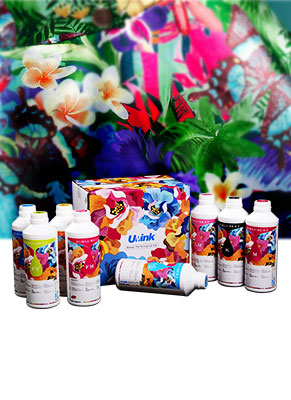 Fluorescent Sublimation Ink & Sublimation Printer Ink – Full Industrial UVINK Buyer Guide
  UVINK Economic DTF Ink – Complete Industrial Guide for DTF Printing Ink Users
 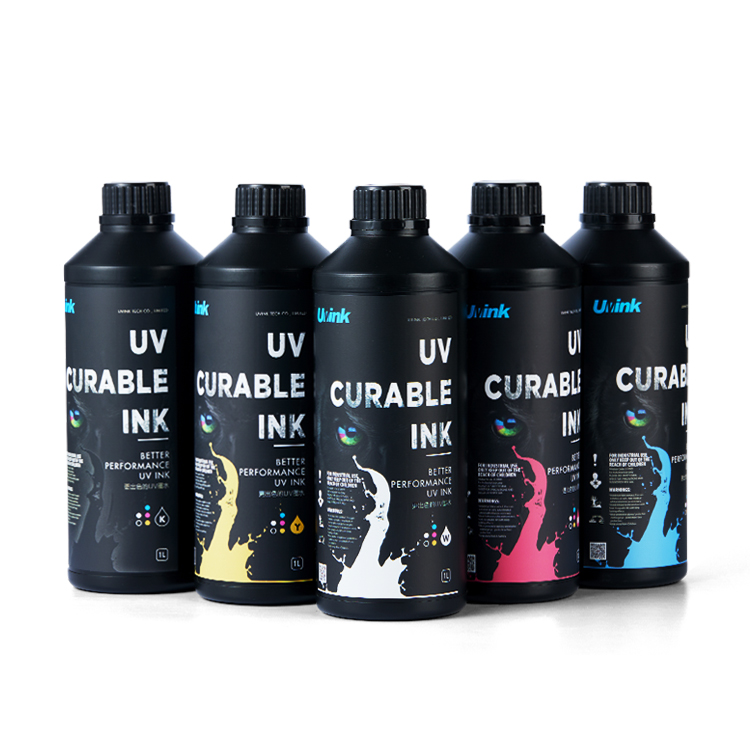 Professional‑Grade UV DTF Ink for High‑Quality UV DTF Prints – UVINK Complete Industrial Buying Guide
 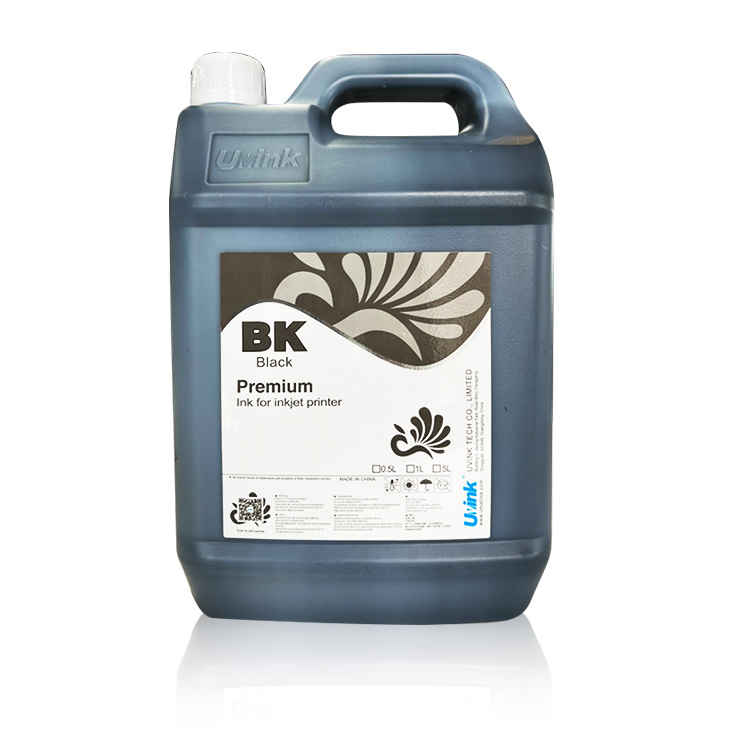 Mild Solvent Ink & Outdoor Advertising Printing – Professional Industrial Guide by UVINK
  Sublimation Ink & Epson Sublimation Ink – Full Industrial Buyer Guide by UVINK
  UVINK UV DTF Ink & What Are UV DTF Stickers – Complete Industrial Guide
 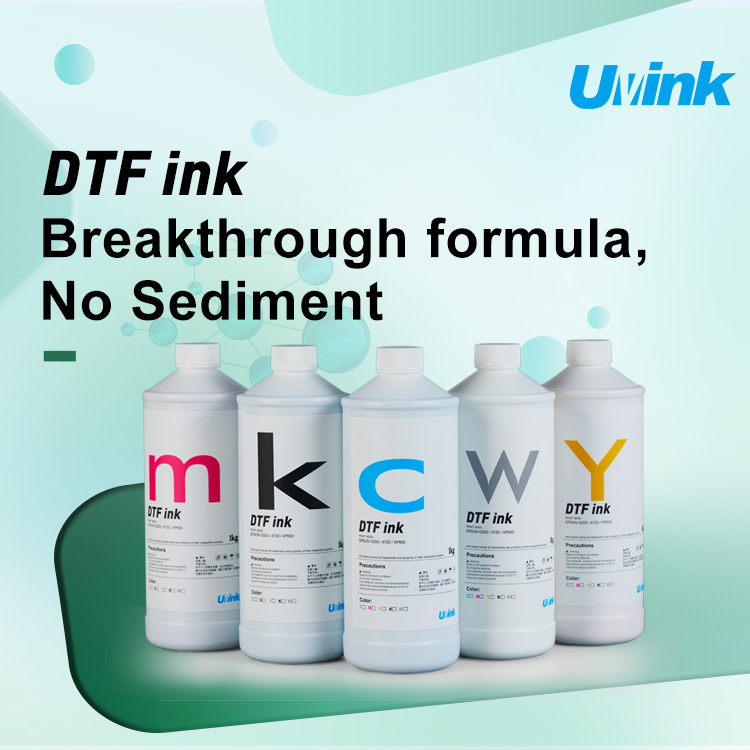 UVINK Economic DTF ink: Complete Buyer Guide for dtf for shirts Printing
  Sublimation Ink & Printer Color Ink: Industrial B2B Technical Guide
  UV DTF Ink & How to Make UV DTF Stickers: Industrial Production Guide
  Solvent Ink for Wide Format Ink Jet Printer: Industrial Technical Guide
  Sublimation Ink: Professional Technical Guide for Epson Printers
  Eco-solvent Ink: Professional Industrial Guide for Epson Pro Printers
  DTF Ink: Professional Industrial Guide for Procolored DTF Printer L1800