
Decoding the Quest: How to Choose the Ideal DTF Ink Supplier
author: UVINK
2025-11-14
Decoding the Quest: How to Choose the Ideal DTF Ink Supplier
Table of Contents
-
[Introduction to DTF Ink](#introduction-to-dtf-ink)
-
[Key Points for Choosing a DTF Ink Supplier](#key-points-for-choosing-a-dtf-ink-supplier)
-
[Product Quality](#product-quality)
-
[Reputation and Experience](#reputation-and-experience)
-
[Price and Cost - Effectiveness](#price-and-cost-effectiveness)
-
[Technical Support and After - sales Service](#technical-support-and-after-sales-service)
-
[Ink Compatibility](#ink-compatibility)
-
[Customization Options](#customization-options)
-
-
[Recommendation of UVINK Ink Company](#recommendation-of-uvink-ink-company)
-
[DTF Ink Parameter Table](#dtf-ink-parameter-table)
-
[Conclusion](#conclusion)
-
[FAQs about DTF Ink and Suppliers](#faqs-about-dtf-ink-and-suppliers)
1. Introduction to DTF Ink
1.1 What is DTF Ink
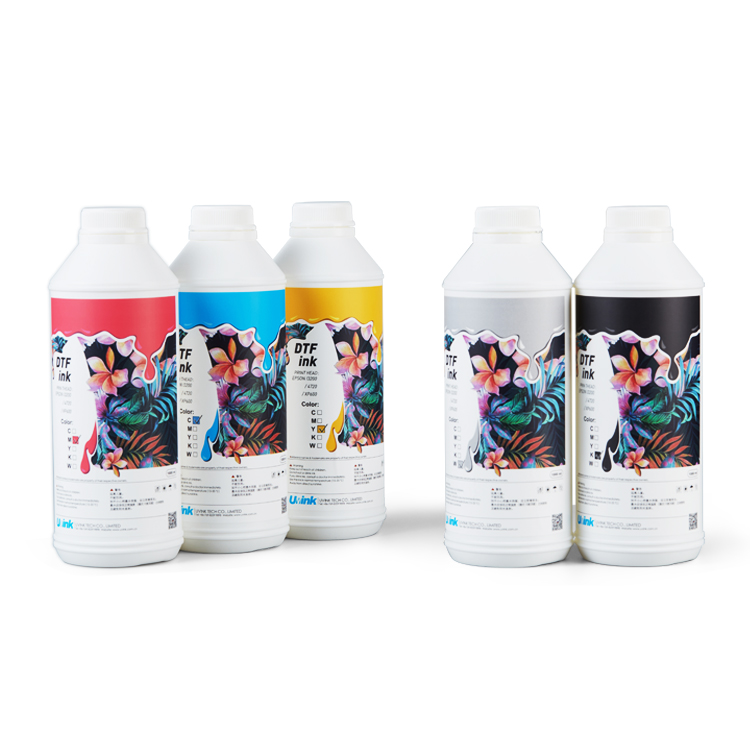
DTF ink, short for Direct - To - Film ink, is a type of water - based pigment ink specifically designed for the direct - to - film transfer process. This innovative ink has revolutionized the textile and printing industries. The working principle of DTF ink is quite fascinating. It combines with hot - melt adhesive powder to create a durable and high - quality transfer. First, the DTF ink is printed onto a special release film. The unique formulation of the ink allows it to adhere well to the film. Then, hot - melt adhesive powder is applied to the printed ink layer. When heat and pressure are applied during the transfer process, the hot - melt adhesive powder melts, creating a strong bond between the ink and the target material, such as fabric, allowing the pattern to be transferred vividly and firmly. This technology enables the production of highly detailed and colorful prints on a wide range of materials, opening up new possibilities for customization and design in various fields.
1.2 Key Parameters of DTF Ink
Understanding the key parameters of DTF ink is crucial for making an informed choice when selecting an ink supplier. Here is a table presenting some of the most important parameters:
|
Parameter
|
Description
|
|
Color Range
|
Usually includes white, which is essential for printing on dark - colored materials, and a wide spectrum of colors such as cyan, magenta, yellow, and black for full - color prints. Some advanced DTF inks also offer fluorescent and special - effect colors.
|
|
Resolution
|
Can support high - definition printing, with common resolutions enabling a smooth and detailed print. For example, it can achieve a resolution that allows for sharp edges and fine details in the printed patterns, whether it's a complex logo or a detailed illustration.
|
|
Printing Speed
|
Varies depending on the equipment and settings, with speeds like 4pass, 6pass, or 8pass. A higher pass number generally means a slower but more detailed print, while a lower pass number results in a faster but potentially less detailed output.
|
|
Applicable Materials
|
Mainly suitable for transfer onto films, and can be transferred to various fabrics including cotton, polyester, and their blends. Some DTF inks are also compatible with non - textile materials like leather and certain plastics.
|
|
Environmental - Friendliness
|
Many DTF inks are formulated to be environmentally friendly, meeting international environmental standards such as Oeko - Tex Standard 100, which ensures they are free from harmful substances and safe for use in clothing and other applications.
|
|
Lightfastness
|
Determines how well the printed colors resist fading when exposed to light. High - quality DTF inks have excellent lightfastness, ensuring that the prints remain vibrant even after long - term exposure to sunlight or artificial light sources.
|
|
Wash Fastness
|
Indicates the ability of the printed ink to withstand repeated washing without fading or peeling. Good wash fastness is essential for products like clothing, ensuring that the prints maintain their quality and appearance after multiple launderings.
|

2. Importance of Choosing a Good DTF Ink Supplier
Selecting a good DTF ink supplier is of paramount importance in the printing and textile industries. A reliable supplier can ensure the stability of ink quality, which is crucial for the overall production process. Dr. Emily Chen, a renowned expert in the printing materials field, emphasizes, "High - quality DTF ink from a trusted supplier is the foundation of successful printing operations. It directly impacts both the production efficiency and the quality of the final products."
Firstly, a good supplier provides ink with consistent quality. Inconsistent ink quality can lead to a series of problems. For example, if the ink has varying viscosity or pigment concentrations, it may cause nozzle clogging in the printing equipment. When the nozzle is clogged, the printing process has to be interrupted, which not only reduces production efficiency but also increases maintenance costs. According to industry statistics, about 30% of printing equipment malfunctions are related to ink - quality issues.
Secondly, the color accuracy of the DTF ink is directly related to the supplier. A reputable supplier offers inks with accurate color reproduction. This is essential, especially for businesses that require precise color matching, such as fashion brands or graphic design studios. If the ink has color deviation, the printed products may not meet the design requirements, resulting in product rejection and additional production costs. For instance, in the clothing industry, a slight color difference in the printed patterns can lead to a significant decrease in product value.
Moreover, a reliable DTF ink supplier can help in cost - control in the long run. Although high - quality ink may seem more expensive initially, it can actually save costs. High - quality ink reduces the risk of print defects, waste, and equipment damage. In contrast, low - quality ink may cause frequent nozzle cleaning, replacement of printing heads, and re - printing of products, all of which increase overall production costs. A study by the Printing Industry Association showed that companies using high - quality ink from reliable suppliers had 20% lower production costs over a year compared to those using low - quality ink.
3. Key Points to Consider When Choosing a DTF Ink Supplier
3.1 Product Quality
Product quality is the cornerstone when evaluating a DTF ink supplier. High - quality DTF ink should possess several key characteristics. Firstly, it should have high color saturation, enabling the reproduction of vivid and rich colors. For example, when printing a colorful floral pattern on a fabric, high - saturation ink can make the flowers look as vibrant as they are in real life. Dr. James Lee, an expert in ink chemistry, remarks, "Color saturation is crucial as it directly impacts the visual appeal of the printed product. A dull - colored print is unlikely to attract customers, especially in the fashion and design industries."
Secondly, good wash fastness and durability are essential. The printed patterns should withstand multiple wash cycles without fading, peeling, or cracking. In the clothing industry, this is particularly important as consumers expect their clothes to maintain the print quality after repeated laundering. A study by the Textile Research Institute found that inks with poor wash fastness led to a 40% return rate for printed clothing items.
Moreover, the ink should have smooth fluidity to ensure seamless printing and prevent nozzle clogging. Clogged nozzles can disrupt the printing process, increase maintenance costs, and reduce the lifespan of the printing equipment. High - quality DTF ink has a carefully formulated viscosity that allows it to flow evenly through the printer nozzles, ensuring a consistent and high - quality print.
3.2 Reputation and Experience
The reputation and experience of a DTF ink supplier are significant factors. You can start by checking the supplier's customer reviews and industry reputation. A supplier with a long - standing positive reputation is more likely to provide reliable products. For instance, if a supplier has numerous positive reviews from well - known textile companies, it indicates that their products meet high standards.
The years of operation and customer cases can also reveal a lot about the supplier. A supplier with many years of experience has likely overcome various challenges in the production and supply of DTF ink, which results in more stable product quality. For example, a company that has been in the DTF ink business for over a decade has had the time to refine its production processes and improve its product formulas. They are also more likely to have served a diverse range of customers, which gives them valuable insights into different market demands. If a supplier can provide case studies of how they have met the needs of large - scale clothing manufacturers or high - end fashion brands, it is a strong indication of their capabilities.
3.3 Price and Cost - effectiveness
Price is an important consideration, but it should not be the sole determinant. You need to assess the cost - effectiveness by considering factors such as ink quality, packaging size, and minimum order quantity (MOQ).
Lower - priced inks may seem attractive initially, but they could potentially lead to higher costs in the long run. For example, low - quality inks may require more frequent re - printing due to color fading or poor adhesion, which increases both material and labor costs. On the other hand, high - priced inks are not always the best choice either. Some high - end inks may offer premium features that are not necessary for your specific application, resulting in over - spending.
When comparing prices, look at the overall value. A supplier that offers a reasonable price with good - quality ink, larger packaging sizes (which can reduce the per - unit cost), and a flexible MOQ can provide better cost - effectiveness. For example, if Supplier A offers a 1 - liter bottle of DTF ink at $$50 with a high MOQ, while Supplier B offers a 2 - liter bottle at$$80 with a lower MOQ, and both inks have similar quality, Supplier B may be the more cost - effective choice for smaller - scale businesses.
3.4 Technical Support and After - sales Service
A reliable DTF ink supplier should offer comprehensive technical support and after - sales service. This includes guidance on nozzle cleaning to prevent clogging, advice on ink usage to optimize print quality, and prompt solutions to printing malfunctions.
For example, if a printer encounters issues such as streaky prints or inconsistent color output, the supplier's technical team should be able to provide quick and effective troubleshooting steps. A case in point is a printing company that faced frequent nozzle clogging issues. Thanks to the prompt technical support from their ink supplier, who provided detailed cleaning instructions and adjusted the ink formulation slightly, the company was able to resolve the problem, avoid production delays, and save significant costs. Good after - sales service also means that the supplier is willing to replace defective products or offer refunds if necessary, giving you peace of mind when making a purchase.
3.5 Customization Options
If you have special color or performance requirements, it is crucial to choose a supplier that can offer customization options. For instance, if you are working on a unique fashion collection that requires a specific shade of color not commonly available in standard DTF inks, a supplier that can customize the ink color according to your Pantone or other color - matching systems will be invaluable.
Moreover, for special fabric types or design requirements, customized ink formulations may be needed. Some fabrics may have unique textures or chemical properties that require an ink with specific adhesion or flexibility characteristics. A supplier that can develop custom inks for such special applications can help you achieve better results and gain a competitive edge in the market.

4. Introduction to UVINK Ink Company
4.1 Company Profile
UVINK Ink Company is a Taiwan - funded joint - stock limited company. Its production base is located in Xinyu High - tech Industrial Development Zone, Yushui District, Xinyu City, Jiangxi Province, while its sales headquarters are set up in Jieying Technology Park, Fenggang, Dongguan. The company has a dust - free workshop and a professional R & D team. With a focus on inkjet ink research and development for 12 years, it has been providing high - quality ink products to various industries, including the DTF ink market. Their long - term commitment to research and development has enabled them to accumulate rich experience and technological advantages in the ink - making field.
4.2 Product Features and Advantages
UVINK's product range covers a variety of ink types, including DTF inks. Their inks are produced following the ISO9001:2000 quality management system, ensuring high - standard production processes. All products are filtered through nano - level filter cartridges, which effectively removes impurities, resulting in smooth - flowing inks that are less likely to cause nozzle clogging.
These DTF inks are known for their vivid colors, wide color gamut, and excellent color reduction. Whether it's printing a simple logo or a complex, multi - colored design, UVINK's DTF inks can accurately reproduce the original colors. For example, when printing a high - definition photo on fabric, the colors in the print will be as vibrant and true - to - life as in the digital image. Additionally, they have a high anti - UV level, which means that the printed patterns can maintain their color integrity even when exposed to sunlight for extended periods. This makes the inks particularly suitable for outdoor - use products or items that need to maintain their appearance over time.
4.3 Customer Testimonials
Many customers of UVINK Ink Company have provided positive feedback. John Smith, a business owner in the textile printing industry, said, "Since we started using UVINK's DTF inks, our printing quality has improved significantly. The colors are more vivid, and the print durability has increased. This has not only reduced our re - printing rate but also improved our production efficiency. Their after - sales service team is also very responsive, always ready to help us solve any problems we encounter." Such testimonials from satisfied customers not only reflect the high - quality products of UVINK but also highlight their excellent service, making them a reliable choice for DTF ink procurement.
5. Related Blog Recommendation
If you're interested in learning more about how to maintain and extend the lifespan of equipment, I'd like to recommend one of our previous blogs, "How to increase the service life of mobile phone charger". In this blog, we delve into various practical tips and techniques for taking care of mobile phone chargers. From proper usage methods to suitable storage conditions, we cover all aspects to help you prevent charger damage and ensure stable charging. Just as choosing a high - quality DTF ink supplier is crucial for maintaining the stability of the printing process and the quality of print results, taking good care of your mobile phone charger is essential for its long - term performance. By following the advice in that blog, you can avoid common charger issues like overheating, short - circuits, and reduced charging efficiency, similar to how choosing the right DTF ink supplier can prevent problems such as nozzle clogging and color deviation in the printing process. Check it out for some valuable insights on equipment maintenance!
6. FAQs
6.1 What are the common problems with DTF ink and how to solve them?
-
Nozzle Clogging: One of the most common issues is nozzle clogging. This can be caused by ink drying in the nozzles, especially if the printer has been idle for a long time. Impurities in the ink, such as dust or undissolved particles, can also lead to nozzle blockages. To solve this problem, first, use a dedicated cleaning solution recommended by the printer manufacturer to clean the nozzles. You can also perform a nozzle cleaning cycle on the printer. Regularly cleaning the nozzles, even when the printer is not in use for an extended period, can prevent ink from drying out and clogging the nozzles.
-
Color Deviation: Color deviation can occur due to several reasons. The quality of the DTF ink plays a significant role. Low - quality inks may not have accurate color formulations, leading to differences in the printed colors compared to the original design. Additionally, improper calibration of the printing equipment can also cause color deviation. To address this, always choose high - quality DTF inks from reliable suppliers. Regularly calibrate your printing equipment using color calibration tools or following the manufacturer's instructions. This ensures that the printer accurately reproduces the colors in the digital design.
-
Ink Adhesion Issues: Sometimes, the DTF ink may not adhere well to the fabric or other materials, resulting in the printed pattern peeling off easily. This can be due to incorrect heat - press settings during the transfer process or an inappropriate choice of ink for the specific material. To solve this, make sure to follow the recommended heat - press temperature, pressure, and time settings for the DTF ink and the target material. If you are using a new material, test the ink adhesion first by making a small sample print and checking its durability.
6.2 How to store DTF ink properly?
DTF ink should be stored in a cool, dry, and well - ventilated place. High temperatures can cause the ink to deteriorate, affecting its quality and performance. For example, storing the ink in an area with temperatures above 30°C (86°F) for an extended period may lead to changes in its viscosity and color properties. Avoid direct sunlight as it can also damage the ink components. Sunlight contains ultraviolet (UV) rays that can break down the pigments in the ink, causing color fading.
The ink containers should be tightly sealed to prevent dust and moisture from entering. Moisture can dilute the ink and change its chemical composition, while dust can introduce impurities that may cause nozzle clogging. Different types of DTF inks, such as those with special color effects or for specific materials, should be stored separately according to the manufacturer's instructions to avoid cross - contamination.
6.3 Can DTF ink be used on different materials?
DTF ink is primarily designed for fabric transfer, and it works extremely well on a variety of fabrics including cotton, polyester, and their blends. However, it can also be used on some non - textile materials like certain types of plastics and leather. But it's important to note that the printing effect may vary depending on the material's properties. For instance, on plastics, the ink may not adhere as firmly as on fabrics, and on leather, the texture and porosity of the leather can affect the color saturation and durability of the print.
Before using DTF ink on a new or non - traditional material, it is advisable to conduct a small - scale test. Print a sample pattern on a piece of the material, apply the transfer process, and then check the results for color quality, adhesion, and durability. This way, you can determine if the DTF ink is suitable for the specific material and make any necessary adjustments to the printing process.
 Sublimation Ink Buying Guide for sublimation printer ink | UVINK
  DTF ink Selection Guide for dtg dtf printer | UVINK
  UV DTF Ink: What Is UV DTF for Digital Printing?
  Economic DTF Ink for DTF Printer Procolored – No‑Clog, Cost‑Effective Industrial Printing Solution
  Economic‑Grade DTF Ink – Complete Industrial Guide: How To Make DTF Transfers With Inkjet Printer
  Industrial‑Grade UV DTF Ink – Complete Buying Guide for UV DTF Stickers for Tumblers Production
  UVINK Eco Solvent Ink – Complete Industrial Buying Guide for Car Wrap Advertising Projects
  Fluorescent Sublimation Ink & Sublimation Printer Ink – Full Industrial UVINK Buyer Guide
  UVINK Economic DTF Ink – Complete Industrial Guide for DTF Printing Ink Users
 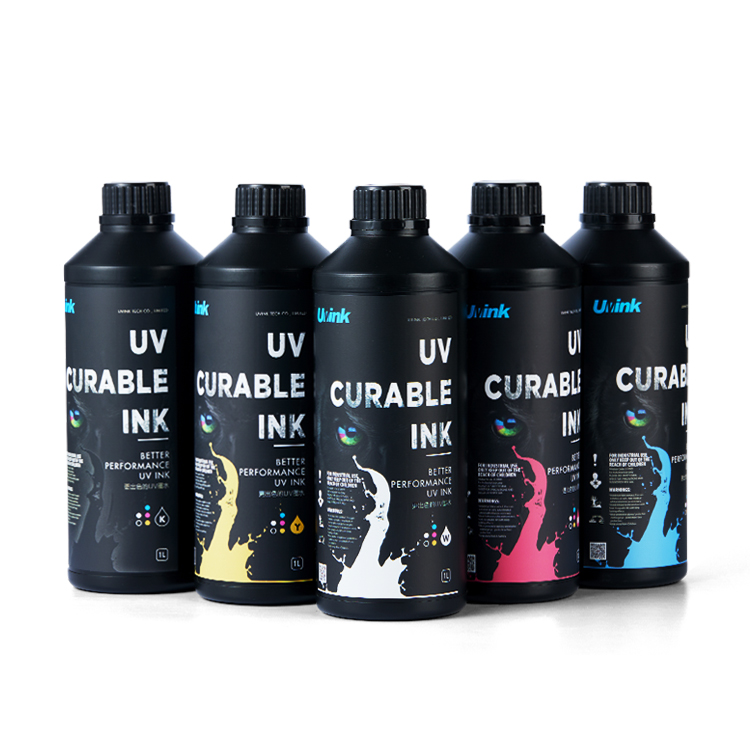 Professional‑Grade UV DTF Ink for High‑Quality UV DTF Prints – UVINK Complete Industrial Buying Guide
 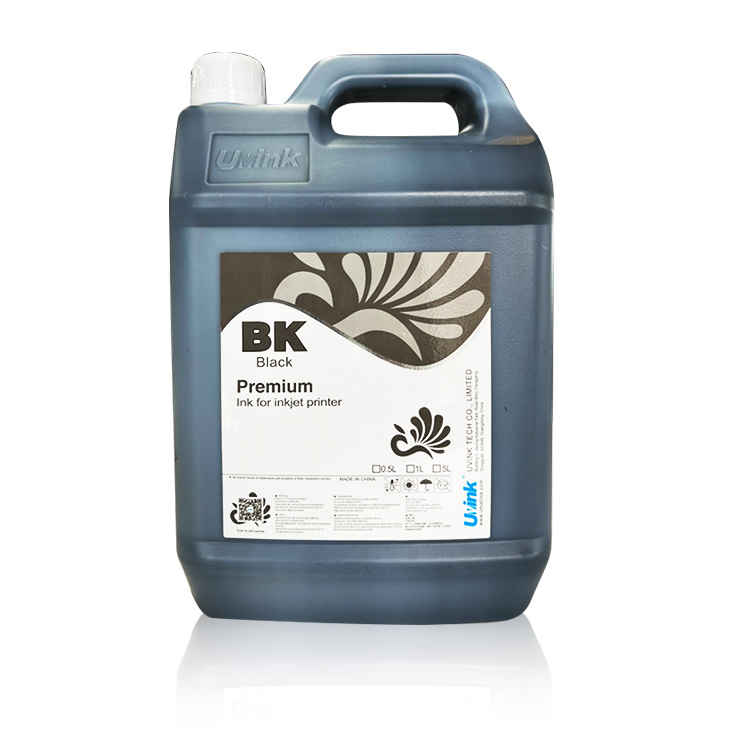 Mild Solvent Ink & Outdoor Advertising Printing – Professional Industrial Guide by UVINK
  Sublimation Ink & Epson Sublimation Ink – Full Industrial Buyer Guide by UVINK
  UVINK UV DTF Ink & What Are UV DTF Stickers – Complete Industrial Guide
 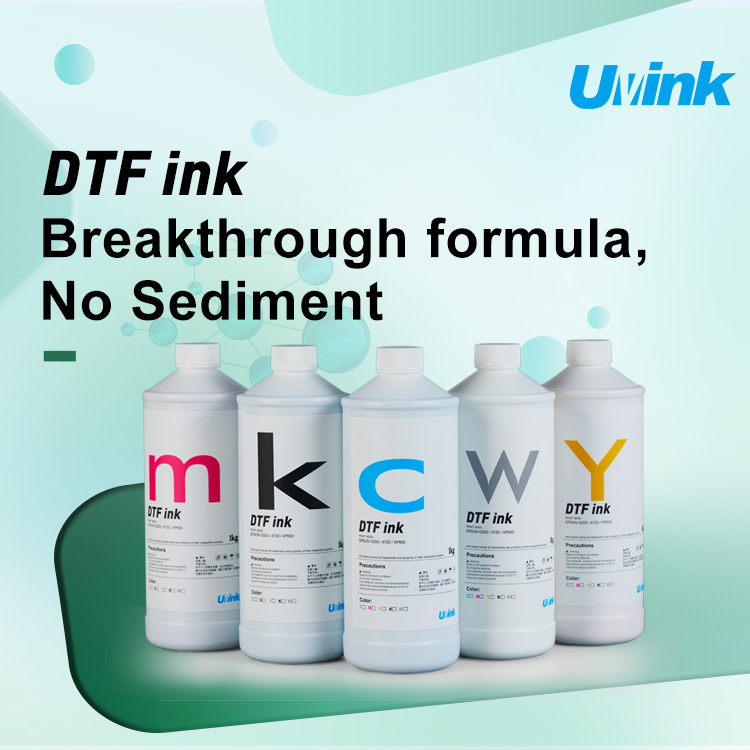 UVINK Economic DTF ink: Complete Buyer Guide for dtf for shirts Printing
  Sublimation Ink & Printer Color Ink: Industrial B2B Technical Guide
  UV DTF Ink & How to Make UV DTF Stickers: Industrial Production Guide
  Solvent Ink for Wide Format Ink Jet Printer: Industrial Technical Guide
  Sublimation Ink: Professional Technical Guide for Epson Printers
  Eco-solvent Ink: Professional Industrial Guide for Epson Pro Printers
  DTF Ink: Professional Industrial Guide for Procolored DTF Printer L1800