
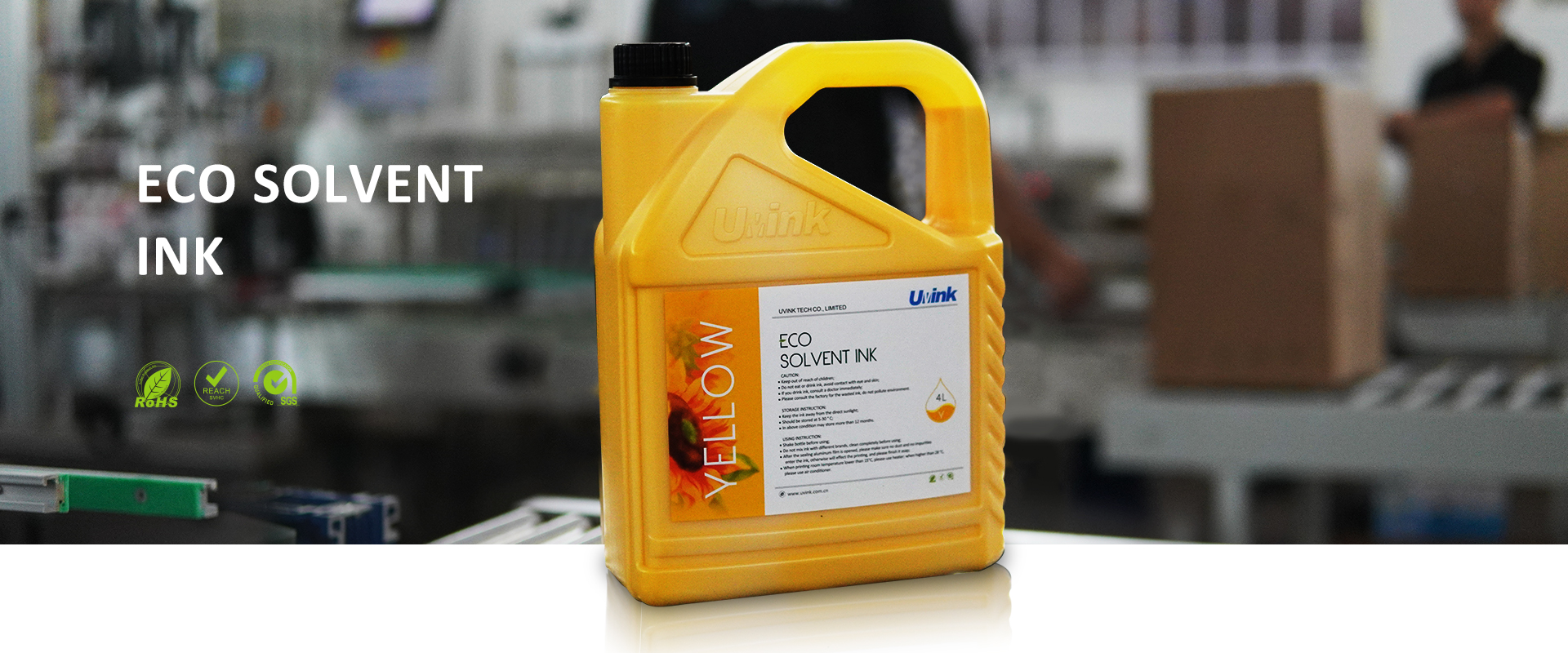
Cracking the Code: Solving the Eco Solvent Ink Clogging Issue
author: UVINK
2025-11-10

Cracking the Code: Solving the Eco Solvent Ink Clogging Issue
Table of Contents
-
Introduction
-
Understanding Eco Solvent Ink
-
The Clogging Issue
-
Comparison with UV Ink
-
Expert Views
-
Eco Solvent Ink Parameters
-
FAQs
-
Conclusion
Introduction
What is This Blog About?
In the world of printing, eco solvent ink has emerged as a popular choice due to its relatively low - environmental impact compared to traditional solvent - based inks. However, like any printing consumable, it comes with its own set of challenges, and one of the most frustrating issues is ink clogging. This blog will take a deep dive into the eco solvent ink clogging issue, exploring its causes, effects, and, most importantly, solutions. We'll also compare eco solvent ink with uv ink, providing insights for those in the printing industry to make informed decisions.
Importance of Solving the Clogging Issue
Clogging in eco solvent ink systems can have far - reaching consequences for the printing industry. Firstly, it significantly reduces production efficiency. When nozzles are clogged, the printing process has to be halted for maintenance, leading to downtime. For commercial printers with tight deadlines, this can result in missed delivery schedules and unhappy customers.
Secondly, it increases production costs. Frequent clogging means more frequent maintenance, which includes cleaning or even replacing print heads. Print heads are expensive components, and the cost of replacement, along with the labor involved in maintenance, can add up quickly. Moreover, the wasted ink during the clogging and cleaning process is an additional cost burden.
In addition, clogged nozzles can lead to poor print quality. This is manifested in uneven color distribution, streaks, and missing details in the printed image. In a market where high - quality prints are expected, such defects can render the final product unacceptable, leading to waste and reprinting costs. Solving the clogging issue is thus crucial for the smooth operation and profitability of printing businesses.

Understanding Eco Solvent Ink
Definition and Basics
Eco solvent ink, also known as weak solvent ink, is a type of ink that has been developed to be more environmentally friendly compared to traditional solvent - based inks. It is an ink system that uses a combination of solvents, pigments or dyes, and various additives.
The solvents in eco solvent ink are typically of a lower - toxicity variety, often including alcohols, esters, or other less - harmful organic compounds. These solvents are carefully selected to have a relatively low volatility, which means they emit fewer volatile organic compounds (VOCs) into the atmosphere. VOCs are known to contribute to air pollution and can have negative impacts on human health, so the reduced emission of these compounds is a significant advantage of eco solvent ink.
The ink's working principle is as follows: When the ink is ejected from the print head's nozzles onto the substrate, the solvents in the ink start to evaporate. As the solvents evaporate, they leave behind the pigments or dyes, which bond with the substrate to form the printed image. The additives in the ink play crucial roles such as adjusting the viscosity of the ink to ensure smooth flow through the nozzles, improving the adhesion of the ink to different substrates, and enhancing the lightfastness and durability of the printed image.
Applications
Eco solvent ink has found a wide range of applications in various industries:
-
Advertising and Signage: It is extremely popular in the production of outdoor and indoor advertising materials. For outdoor billboards, vehicle wraps, and storefront signage, eco solvent ink offers good outdoor durability. It can resist fading from sunlight exposure and degradation from weather elements for an extended period. In indoor settings, such as for trade show displays, posters, and window graphics, the ink's ability to produce high - quality, vivid colors makes it a preferred choice.
-
Textile Printing: In the textile industry, eco solvent ink is used for printing on synthetic fabrics like polyester. It can achieve bright and long - lasting colors on these materials. This is especially useful for producing sportswear, fashion items, and home textiles. The ink's compatibility with synthetic fibers allows for the creation of detailed and vibrant patterns, meeting the aesthetic demands of the fashion and home decor markets.
-
Packaging Printing: For printing on plastic - based packaging materials such as plastic containers, labels, and flexible packaging, eco solvent ink provides good adhesion and print quality. It can withstand the rigors of the packaging process, including handling, storage, and transportation, without smudging or fading, ensuring that product branding and information remain clearly visible.
The Clogging Issue
Causes of Clogging
-
Ink Drying:Eco solvent ink contains solvents that are designed to evaporate when the ink is applied to the substrate. However, if the ink is left in the nozzles for an extended period without being used, the solvents can continue to evaporate, causing the ink to dry out and form solid deposits. For example, if a printer is left idle over a weekend or during a long - term break, the ink in the nozzles may dry up. The rate of ink drying is also affected by environmental factors such as temperature and humidity. In a hot and dry environment, the solvents in the eco solvent ink will evaporate more quickly, increasing the risk of clogging.
-
Impurities in the Ink:Impurities can find their way into the eco solvent ink during the manufacturing process, storage, or when the ink is refilled. These impurities can include dust particles, metal shavings (if the ink is stored in a metal - lined container that has corroded), or undissolved pigment particles. When the ink is pumped through the small - diameter nozzles of the print head, these impurities can accumulate and block the flow of ink. For instance, if the ink cartridge is not properly sealed during storage, dust from the air can enter the cartridge and mix with the ink. In addition, if the ink is not filtered properly during production, larger pigment particles may be present in the ink, which can cause blockages.
-
Quality of the Print Head:The quality and condition of the print head play a significant role in ink clogging. Low - quality print heads may have nozzles that are not precisely manufactured, with irregular shapes or sizes. This can cause the ink to flow unevenly through the nozzles, increasing the likelihood of ink pooling and clogging. Over time, the nozzles in a print head can also become worn out due to the constant pressure of the ink passing through them. Worn - out nozzles may have rough surfaces or enlarged openings, which can lead to ink leakage and clogging. Additionally, if the print head is not properly maintained, such as not being cleaned regularly, ink residues can build up on the nozzles and cause blockages.
-
Incompatible Ink and Print Head:Using an eco solvent ink that is not compatible with the print head can also result in clogging. Different print heads are designed to work with specific types of inks, and if the wrong ink is used, it can cause chemical reactions within the print head. For example, the ink may react with the materials of the print head, causing them to degrade or form deposits. Some inks may have a different viscosity or surface tension than what the print head is designed to handle, which can lead to problems with ink flow and eventually clogging.
Effects of Clogging
-
Print Quality Degradation:One of the most obvious effects of ink clogging is a significant decline in print quality. When nozzles are clogged, the ink cannot be ejected onto the substrate in the correct pattern. This leads to uneven color distribution, where some areas of the print may have too much ink while others have too little. Streaks may appear on the printed image, running either horizontally or vertically, depending on the direction of the nozzle movement. Missing details are also common, such as fine lines or small text elements that do not appear at all on the print. For example, in a high - resolution photo print, clogged nozzles can cause the loss of details in the subject's face or hair, making the image look blurry and unprofessional.
-
Reduced Equipment Lifespan:Clogging can also take a toll on the lifespan of the printing equipment. The print head is a crucial and often expensive component of the printer. When nozzles are clogged, the printer may try to force the ink through, putting additional stress on the print head. This can lead to premature wear and tear of the print head's internal components, such as the piezoelectric crystals or the heating elements (depending on the type of print head). Over time, the print head may become completely damaged and require replacement. Frequent clogging also means more frequent cleaning and maintenance of the printer, which can introduce the risk of accidental damage to other parts of the machine during the maintenance process.
-
Disrupted Production Schedule:In a commercial or industrial printing setting, clogged nozzles can disrupt the production schedule. Printing jobs may have to be halted while the printer is being serviced to clear the clogs. This downtime can be costly, especially if there are tight deadlines to meet. For example, a printing company that is producing large - scale advertising materials for a major event may experience significant losses if the production is delayed due to ink clogging. The company may have to pay penalties for late delivery, and it can also damage its reputation with clients. Additionally, the need to reprint jobs due to poor - quality prints caused by clogging further adds to the time and cost of production.
Comparison with UV Ink
Printing Precision
Eco solvent ink is well - known for its high printing precision. Printers using eco solvent ink are often capable of producing images with a high dot per inch (DPI) resolution, which results in sharp details and smooth color gradients. For example, in applications such as high - end photo printing for galleries or detailed graphic designs for marketing brochures, eco solvent ink can deliver a level of quality that is hard to match. It can accurately reproduce fine lines, small text, and complex patterns, making it a favorite for applications where close - up viewing is expected.
On the other hand, while UV ink also offers good precision, it is generally more focused on a broader range of applications, including large - scale outdoor signage. In these cases, the emphasis is often on visibility from a distance rather than extreme close - up detail. So, for projects that require ultra - high precision at a small scale, eco solvent ink has an edge. However, modern UV printers have made significant progress in precision, and for many standard applications, the difference may not be noticeable to the average viewer.
Weather Resistance
UV ink has a distinct advantage when it comes to weather resistance. Once UV ink is cured by ultraviolet light, it forms a tough, durable polymer layer. This layer is highly resistant to the effects of sunlight, water, and other environmental factors. Outdoor billboards printed with UV ink can maintain their color and integrity for years without significant fading or degradation, even in harsh weather conditions such as intense sunlight, heavy rain, or high humidity.
In contrast, eco solvent ink, although it has some level of outdoor durability, is not as weather - resistant as UV ink. Without additional protection, eco solvent ink - printed materials may start to fade or show signs of wear and tear when exposed to the elements for an extended period. To enhance its weather resistance, eco solvent ink - printed products often require a layer of lamination or a protective coating, which adds an extra step and cost to the production process.
Applicable Materials
UV ink is extremely versatile in terms of the materials it can be used on. It can be applied to a wide range of substrates, including rigid materials like glass, metal, ceramic, and wood, as well as flexible materials such as plastics, fabrics, and paper. This versatility makes UV ink suitable for a vast number of applications, from printing on glass bottles for product labeling to creating custom - designed metal signs.
Eco solvent ink, while still quite versatile, is mainly used on flexible materials. It adheres well to materials such as PVC (polyvinyl chloride), vinyl, and various types of synthetic fabrics. It is commonly used in applications like vehicle wraps, where the flexibility of the ink - printed material is crucial. However, when it comes to printing on rigid and non - porous materials like glass or metal, eco solvent ink may not provide the same level of adhesion and print quality as UV ink without proper surface pre - treatment.
Environmental Friendliness
One of the major selling points of eco solvent ink is its environmental friendliness. It has a low volatile organic compound (VOC) content. VOCs are harmful chemicals that can contribute to air pollution and have negative impacts on human health, such as causing respiratory problems. The low - VOC nature of eco solvent ink makes it a more suitable choice for indoor printing applications, as it reduces the risk of indoor air pollution and creates a healthier working environment for operators.
UV ink, although it does not emit VOCs during the curing process, has other environmental considerations. The curing of UV ink requires the use of ultraviolet light sources, which consume energy. Additionally, UV ink formulations often contain photoinitiators and other chemicals that may have environmental implications if not properly managed. So, in terms of overall environmental impact, eco solvent ink has an advantage due to its low - VOC emissions.
Printing Speed and Cost
In terms of printing speed, UV printers generally have the upper hand. UV ink cures almost instantly when exposed to ultraviolet light, which allows for a continuous printing process without the need to wait for the ink to dry between passes. This makes UV printers highly efficient for high - volume production runs, such as in large - scale commercial printing operations.
Eco solvent ink, on the other hand, has a slower drying time as its solvents need to evaporate naturally. This can slow down the overall printing speed, especially for large - format prints. However, for applications where the print volume is not extremely high and precision is more important, the slower speed of eco solvent ink printers may not be a significant drawback.
When it comes to cost, eco solvent ink systems often have a lower initial investment cost. The printers are generally less expensive, and the ink itself is usually more affordable per unit volume compared to UV ink. This makes eco solvent ink a more accessible option for small - to - medium - sized businesses or those with limited budgets. However, in the long run, considering factors such as the need for additional protective coatings for eco solvent ink - printed materials and the higher production efficiency of UV printers, the total cost of ownership may vary depending on the specific application and usage volume.
Referencing the UV Ink Clogging Blog
If you want to delve deeper into the clogging issues of UV ink, we highly recommend reading our previous blog "Solving the Clogging Issue of UV Ink: A Deep Dive". That blog explores the unique causes of UV ink clogging, such as the polymerization of the ink in the nozzles due to improper curing or exposure to light, and provides in - depth solutions. By comparing the two blogs, you can gain a more comprehensive understanding of the clogging problems in different ink systems and make more informed decisions about which ink is right for your printing needs.
Expert Views
Quotes from Industry Experts
Dr. Emily Chen, a renowned expert in ink chemistry, shares her insights: "Eco solvent ink clogging is a complex issue that involves multiple factors. The drying characteristics of the ink are particularly sensitive to environmental conditions. In my research, I've found that maintaining a stable humidity level around 40 - 60% can significantly reduce the risk of ink drying in the nozzles. Additionally, the quality of the ink filtration during production is crucial. Even a small amount of undissolved pigment can lead to nozzle blockages over time."
John Smith, a long - time printer technician with over 20 years of experience, remarks, "The compatibility between the eco solvent ink and the print head is often overlooked. Different manufacturers may have slightly different formulations for their inks and print heads. It's essential for printers to follow the manufacturer's recommendations regarding ink - print head compatibility. I've seen many cases where using an off - brand or incompatible ink has led to severe clogging issues."
Expert - Recommended Practices
-
Regular Printer Maintenance:Experts unanimously recommend conducting regular maintenance on the printer. This includes daily cleaning of the print head using a soft, lint - free cloth and a specialized cleaning solution. Weekly, it's advisable to run a nozzle check and perform a deep cleaning cycle if necessary. For example, some printers have built - in maintenance programs that can be scheduled to run automatically during off - peak hours.
-
Proper Ink Storage:Ink should be stored in a cool, dry place, away from direct sunlight and heat sources. The ideal storage temperature for eco solvent ink is between 15 - 25°C. Dr. Chen explains, "High temperatures can accelerate the evaporation of the solvents in the ink, leading to premature drying and clogging. By storing the ink properly, you can extend its shelf life and maintain its quality."
-
Use of High - Quality Filters:Installing high - quality filters in the ink supply system can prevent impurities from reaching the print head. These filters can trap dust particles, undissolved pigments, and other contaminants. John Smith suggests, "Investing in good - quality filters is a small price to pay compared to the cost of replacing a clogged print head. Make sure to replace the filters regularly according to the manufacturer's instructions."
Solutions to the Clogging Issue
Regular Maintenance
Regular maintenance of the printing equipment is the first line of defense against ink clogging. One of the most important maintenance tasks is the cleaning of the print head on a regular basis. For example, daily or after every printing job, gently wipe the surface of the print head with a soft, lint - free cloth moistened with a suitable cleaning solution. This helps to remove any ink residues that may have accumulated on the nozzles, preventing them from drying out and causing clogs.
In addition, filter replacement is crucial. Most ink systems have filters that prevent impurities from reaching the print head. Over time, these filters can become clogged with particles, reducing the ink flow. Replace the filters according to the manufacturer's recommended schedule, usually every few months depending on the printer's usage frequency. For high - volume printers, more frequent filter changes may be necessary.
Running nozzle check and cleaning cycles regularly is also highly recommended. Most modern printers have built - in functions that can perform a nozzle check, which prints a test pattern to show if any nozzles are clogged. If clogging is detected, the printer can then run a cleaning cycle to flush out the blocked nozzles. These cleaning cycles should be carried out at least once a week, even if the printer is not used frequently.
Ink Selection
Choosing the right eco solvent ink is essential for preventing clogging. Quality matters when it comes to ink selection. High - quality eco solvent inks are formulated with precise chemical compositions, ensuring that the pigments are evenly dispersed in the solvent and that there are minimal impurities. These inks are also less likely to dry out quickly in the nozzles, reducing the risk of clogging.
Compatibility is another key factor. Make sure the ink is compatible with your printer model and print head. Different printers and print heads are designed to work with specific ink formulations, and using an incompatible ink can lead to chemical reactions, changes in ink viscosity, and ultimately, clogging. Always check the printer manufacturer's recommendations for ink compatibility before purchasing ink.
It's also advisable to purchase ink from reliable suppliers. Reputable suppliers are more likely to provide inks that meet high - quality standards and have proper quality control measures in place. They can also offer technical support and advice on ink usage and storage, which can be valuable in preventing clogging issues.
Operating Environment
The operating environment of the printer can significantly impact the likelihood of ink clogging. Temperature control is important. Eco solvent ink is sensitive to temperature changes. In high - temperature environments, the solvents in the ink can evaporate more rapidly, causing the ink to dry out in the nozzles. On the other hand, in extremely low - temperature environments, the ink may thicken, making it difficult to flow through the nozzles. The ideal temperature range for printing with eco solvent ink is typically between 20 - 25°C. Using a temperature - controlled room or an enclosure for the printer can help maintain a stable temperature.
Humidity management is equally crucial. A humidity level that is too low can cause the ink to dry out quickly, while a humidity level that is too high can introduce moisture into the ink system, which may lead to ink dilution or the growth of mold and bacteria. The recommended humidity range is around 40 - 60%. Using a humidifier or dehumidifier in the printing area can help keep the humidity within the optimal range.
Furthermore, keep the printing area clean to prevent dust and other particles from entering the ink system. Dust can mix with the ink and cause blockages in the nozzles or filters. Regularly clean the printer's exterior and the surrounding area, and consider using a dust - cover when the printer is not in use.

Eco Solvent Ink Parameters
Presenting the Parameter Table
Here is a parameter table for a typical eco solvent ink:
|
Parameter
|
Value
|
|
Color Fastness
|
High (rated 4 - 5 on a 1 - 5 scale for outdoor durability)
|
|
Main Components
|
Solvents (such as esters, alcohols), pigments, additives
|
|
Boiling Point
|
Around 150 - 250°C depending on the solvent composition
|
|
Flash Point
|
Generally above 60°C
|
|
Viscosity
|
Usually in the range of 3 - 8 cP at 25°C
|
|
Particle Size of Pigments
|
Typically less than 1μm
|
|
pH Value
|
6 - 8
|
|
VOC Content
|
Low, usually less than 100 g/L
|
Explanation of Key Parameters
-
Color Fastness: This parameter indicates how well the ink's color can resist fading over time, especially when exposed to sunlight, water, and other environmental factors. A high color fastness rating (4 - 5 in this case) means that the printed image will retain its color vividness for an extended period, which is crucial for applications like outdoor signage and long - lasting textile prints.
-
Main Components: The solvents in eco solvent ink are responsible for carrying the pigments and facilitating the drying process. Esters and alcohols are commonly used due to their relatively low toxicity and suitable evaporation rates. Pigments provide the color, and additives are used to adjust properties such as viscosity, adhesion, and lightfastness.
-
Boiling Point: The boiling point of the ink's solvents affects the drying speed. A higher boiling point generally means a slower evaporation rate, which can impact the overall drying time of the ink on the substrate.
-
Flash Point: The flash point is an important safety parameter. It represents the lowest temperature at which the ink can vaporize to form an ignitable mixture with air. A flash point above 60°C indicates a relatively low risk of ignition during normal use and storage.
-
Viscosity: Viscosity determines how easily the ink can flow through the print head nozzles. An ink with a viscosity in the range of 3 - 8 cP at 25°C is considered suitable for smooth and consistent inkjet printing. If the viscosity is too high, it can cause clogging; if too low, it may lead to poor ink droplet formation and print quality issues.
-
Particle Size of Pigments: Small pigment particle sizes (less than 1μm) are desirable as they can be more easily dispersed in the ink and can pass through the small nozzles of the print head without causing blockages. Larger particles are more likely to cause clogging and can also affect the smoothness and clarity of the printed image.
-
pH Value: The pH value of the ink can influence its chemical stability and compatibility with the print head materials. A pH range of 6 - 8 is close to neutral, which helps to prevent corrosion of the print head components and ensures the long - term stability of the ink.
-
VOC Content: As mentioned earlier, the low VOC content of eco solvent ink is an environmental advantage. VOCs are harmful pollutants, and a low VOC content means less air pollution during the printing process, making it a more sustainable choice.
FAQs
Q1: How Often Should I Clean the Print Head to Prevent Clogging?
It is advisable to clean the print head daily or after every printing job. If the printer is used less frequently, a weekly cleaning is still necessary. Regular cleaning helps to remove ink residues that could dry out and clog the nozzles. For example, if you are running a small - scale printing business that operates daily, making it a routine to clean the print head at the end of each day can significantly reduce the risk of clogging.
Q2: Can I Use Different Brands of Eco Solvent Ink in the Same Printer?
In general, it is not recommended. Different brands of eco solvent ink may have different chemical compositions, pigment sizes, and viscosities. Using a mix of inks can lead to chemical reactions within the ink system, changes in ink properties, and ultimately, clogging. Always check the printer manufacturer's guidelines, and it's best to stick to the ink brands recommended by the printer's maker to ensure compatibility and optimal performance.
Q3: What Should I Do if the Ink Has Already Clogged the Print Head?
First, try running the printer's built - in cleaning cycle. Most modern printers have a nozzle cleaning function that can be accessed through the printer's control panel or software. If the clog is still not cleared, you can use a specialized print head cleaning solution. Soak a lint - free cloth in the solution and gently wipe the nozzles. For more stubborn clogs, you may need to remove the print head (following the manufacturer's instructions carefully) and soak it in the cleaning solution for a longer period, usually 15 - 30 minutes, before reinstalling and running another cleaning cycle.
Conclusion
Recap of Key Points
Throughout this blog, we've explored the complex issue of eco solvent ink clogging. We began by understanding what eco solvent ink is, its basic components, and its wide - ranging applications in industries like advertising, textiles, and packaging. The clogging issue was then dissected, with causes including ink drying, impurities in the ink, the quality of the print head, and ink - print head incompatibility. The effects of clogging, such as print quality degradation, reduced equipment lifespan, and disrupted production schedules, were also examined.
A detailed comparison between eco solvent ink and UV ink was made, highlighting differences in printing precision, weather resistance, applicable materials, environmental friendliness, and printing speed and cost. Expert views provided valuable insights, along with recommended practices for preventing clogging. We also presented several solutions to the clogging issue, from regular maintenance of the printer and proper ink selection to controlling the operating environment. Additionally, a parameter table for eco solvent ink was provided, explaining key parameters that affect its performance. Finally, a set of frequently asked questions addressed common concerns related to eco solvent ink and clogging prevention.
Final Thoughts
Solving the eco solvent ink clogging issue is of utmost importance for the printing industry. By understanding the causes and implementing the appropriate solutions, printers can significantly improve their production efficiency, reduce costs, and enhance the quality of their printed products. Whether you are a small - scale printer or a large - scale industrial operation, taking the time to properly maintain your equipment, select the right ink, and control the operating environment can go a long way in preventing the frustrating problem of ink clogging. We encourage all readers to apply the knowledge shared in this blog to their printing processes and to stay vigilant in maintaining the optimal performance of their eco solvent ink - based printing systems.
 Sublimation Ink Buying Guide for sublimation printer ink | UVINK
  DTF ink Selection Guide for dtg dtf printer | UVINK
  UV DTF Ink: What Is UV DTF for Digital Printing?
  Economic DTF Ink for DTF Printer Procolored – No‑Clog, Cost‑Effective Industrial Printing Solution
  Economic‑Grade DTF Ink – Complete Industrial Guide: How To Make DTF Transfers With Inkjet Printer
  Industrial‑Grade UV DTF Ink – Complete Buying Guide for UV DTF Stickers for Tumblers Production
  UVINK Eco Solvent Ink – Complete Industrial Buying Guide for Car Wrap Advertising Projects
  Fluorescent Sublimation Ink & Sublimation Printer Ink – Full Industrial UVINK Buyer Guide
  UVINK Economic DTF Ink – Complete Industrial Guide for DTF Printing Ink Users
  Professional‑Grade UV DTF Ink for High‑Quality UV DTF Prints – UVINK Complete Industrial Buying Guide
 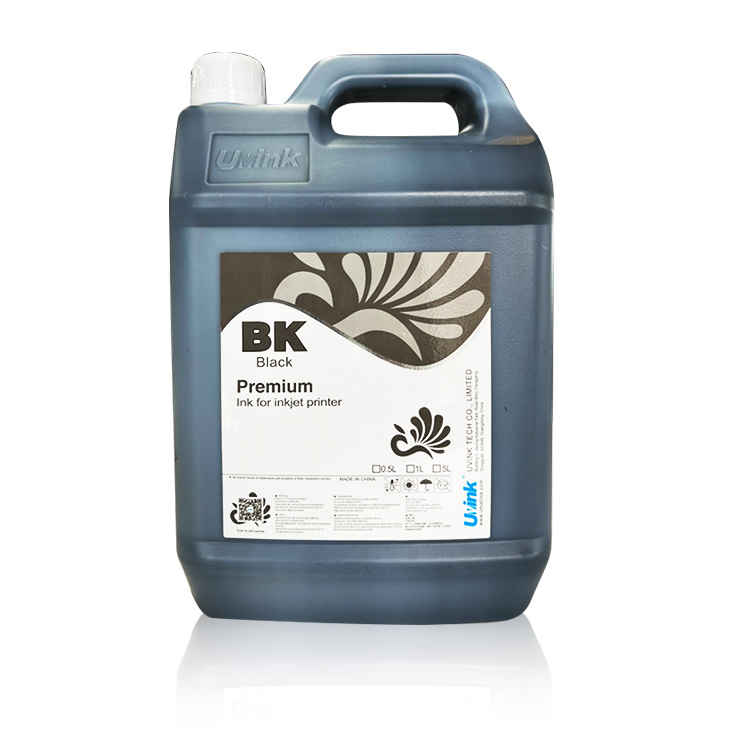 Mild Solvent Ink & Outdoor Advertising Printing – Professional Industrial Guide by UVINK
  Sublimation Ink & Epson Sublimation Ink – Full Industrial Buyer Guide by UVINK
  UVINK UV DTF Ink & What Are UV DTF Stickers – Complete Industrial Guide
 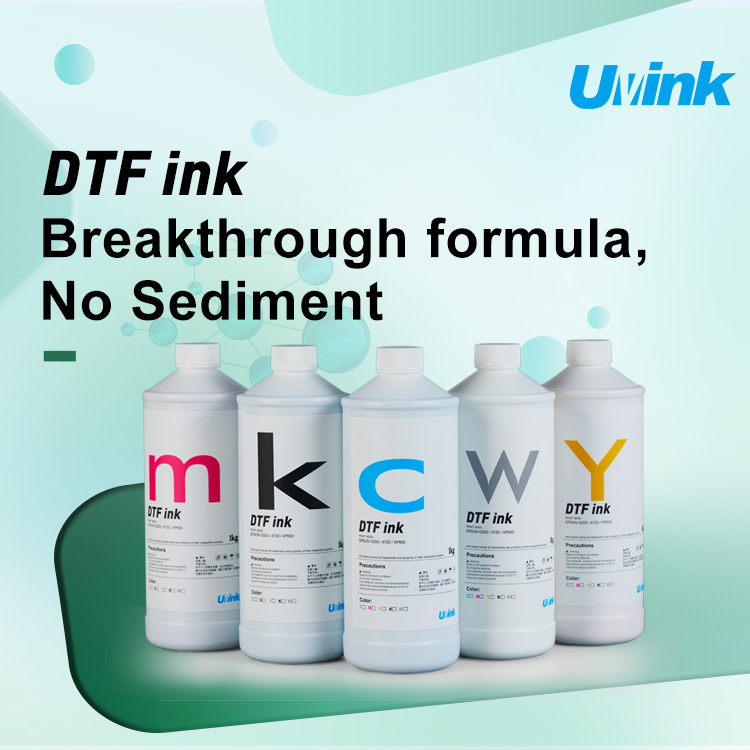 UVINK Economic DTF ink: Complete Buyer Guide for dtf for shirts Printing
  Sublimation Ink & Printer Color Ink: Industrial B2B Technical Guide
  UV DTF Ink & How to Make UV DTF Stickers: Industrial Production Guide
  Solvent Ink for Wide Format Ink Jet Printer: Industrial Technical Guide
  Sublimation Ink: Professional Technical Guide for Epson Printers
  Eco-solvent Ink: Professional Industrial Guide for Epson Pro Printers
  DTF Ink: Professional Industrial Guide for Procolored DTF Printer L1800