
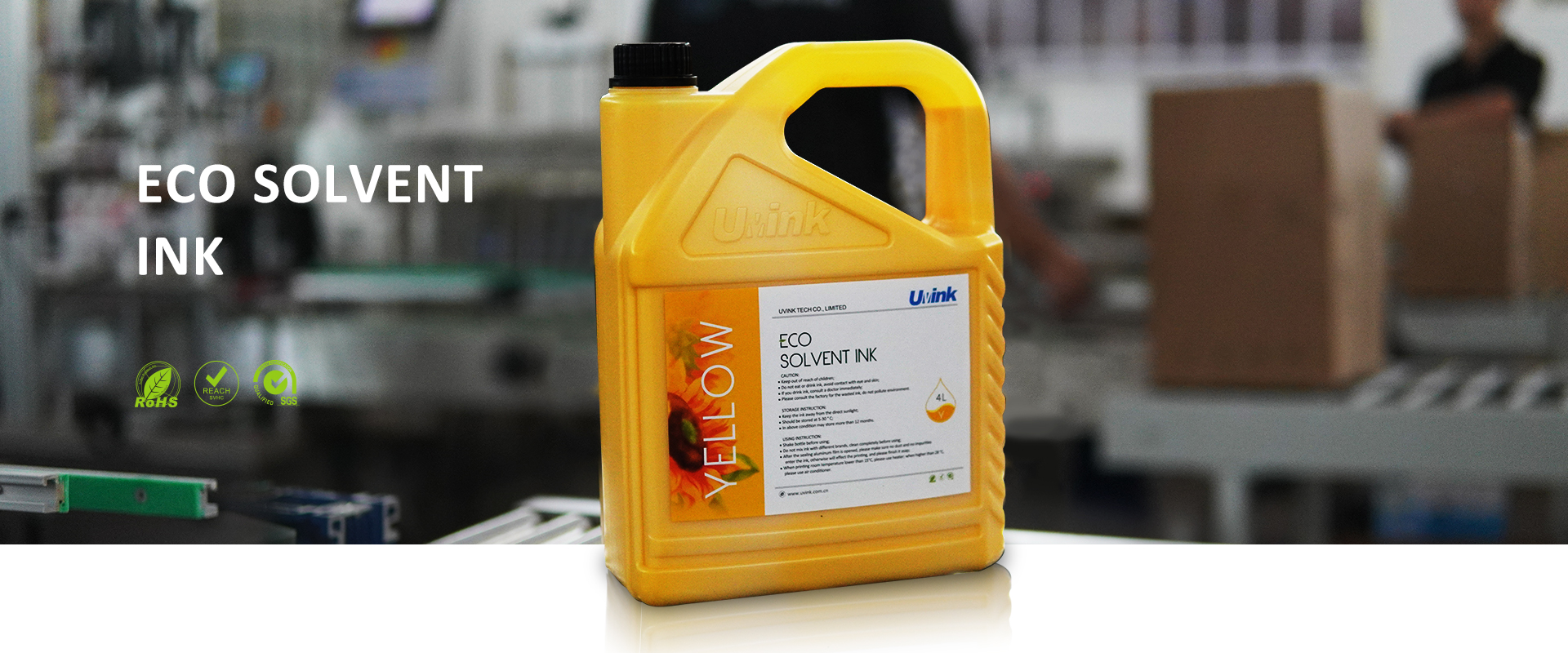
Unveiling the Promising Application Prospects of UV Ink
author: UVINK
2025-11-04

Unveiling the Promising Application Prospects of UV Ink
Table of Contents
-
[Introduction to UV Ink](#introduction-to-uv-ink)
-
[Application Prospects of UV Ink](#application-prospects-of-uv-ink)
-
[UV Ink vs. Eco Solvent Ink: A Comparison of Advantages and Disadvantages](#uv-ink-vs-eco-solvent-ink-a-comparison-of-advantages-and-disadvantages)
-
[Expert Opinions on UV Ink](#expert-opinions-on-uv-ink)
-
[Common Industry Questions and Answers about UV Ink](#common-industry-questions-and-answers-about-uv-ink)
-
[Conclusion](#conclusion)
Introduction to UV Ink
What is UV Ink?
UV ink, short for ultraviolet ink, is a type of ink that cures (dries) rapidly when exposed to ultraviolet light. Unlike traditional inks that rely on evaporation, oxidation, or penetration for drying, UV ink undergoes a chemical transformation called polymerization under UV radiation. This unique characteristic allows for immediate curing, enabling faster production processes and minimizing the risk of smudging or smearing on the printed surface.
Key Components of UV Ink
-
Photoinitiators: These are the crucial components that start the polymerization process. When photoinitiators absorb UV light, they generate highly reactive free radicals. These free radicals then initiate a chain reaction, causing the other components of the ink, such as oligomers and monomers, to link together and form a solid polymer network. For example, benzophenone and its derivatives are commonly used photoinitiators in UV inks.
-
Oligomers: Also known as prepolymers, oligomers are relatively large molecules with a low degree of polymerization. They serve as the backbone of the cured ink film, providing strength, flexibility, and durability to the printed image. Epoxy acrylates, urethane acrylates, and polyester acrylates are typical oligomers used in UV inks.
-
Monomers: Monomers are small, reactive molecules that can be polymerized. They act as diluents, reducing the viscosity of the ink to a workable level for printing processes such as inkjet, screen printing, or offset printing. During the UV curing process, monomers polymerize and cross - link with the oligomers, further strengthening the ink film. Common monomers include acrylate - based compounds like ethyl acrylate and butyl acrylate.
-
Pigments: Pigments are responsible for the color in UV ink. They are finely ground particles that are dispersed in the ink matrix. Pigments not only provide the desired color for the printed image but also contribute to its opacity, lightfastness, and chemical resistance. Inorganic pigments such as titanium dioxide (for white) and iron oxides (for various earth tones) and organic pigments like phthalocyanines (for blue and green) are widely used in UV inks.
-
Additives: UV inks may also contain various additives to improve specific properties. For instance, leveling agents help the ink spread evenly on the substrate, wetting agents enhance the ink's adhesion to different surfaces, and antioxidants prevent the ink from degrading due to oxidation over time.
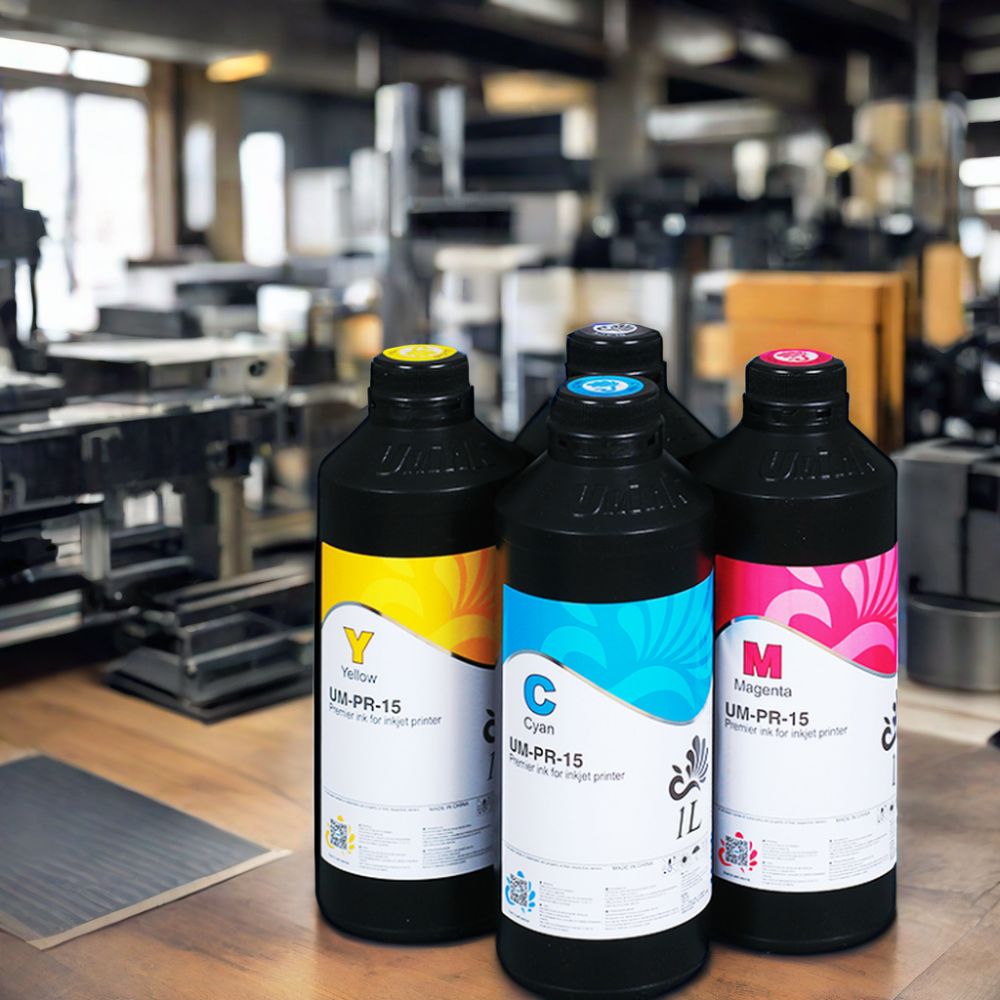
General Parameters of UV Ink
|
Parameter
|
Description
|
Typical Values
|
|
Curing Speed
|
The time taken for the ink to fully polymerize and dry under UV light.
|
Can range from a few milliseconds to a few seconds, depending on the UV intensity and the type of ink. For high - speed industrial applications, curing speeds of less than 1 second are achievable.
|
|
Color Density
|
Determines the richness and intensity of the printed color.
|
High - quality UV inks can provide a color density of 1.5 - 2.0 or more, depending on the color and the printing process. For example, a pure black UV ink may have a color density close to 2.0.
|
|
Viscosity
|
A measure of the ink's resistance to flow.
|
Viscosity varies depending on the printing method. For inkjet UV inks, it can be in the range of 1 - 50 mPa·s, while screen - printing UV inks typically have a higher viscosity, around 10,000 - 100,000 mPa·s.
|
|
Abrasion Resistance
|
Indicates how well the cured ink can withstand rubbing, scratching, or other mechanical wear.
|
Good UV inks can resist a high number of abrasion cycles, often more than 500 - 1000 cycles in standard abrasion tests, ensuring long - lasting printed materials.
|
|
Adhesion
|
Refers to the ink's ability to stick firmly to the substrate.
|
UV inks generally show excellent adhesion to a wide range of substrates, including plastics, metals, glass, and papers. Adhesion strength can be measured using peel - test methods, and values are often expressed in N/cm or similar units.
|
|
Lightfastness
|
Measures the ink's resistance to fading when exposed to light, especially sunlight.
|
High - quality UV inks can have a lightfastness rating of 7 - 8 on the Blue Wool Scale (a standard scale for measuring lightfastness), which means they can resist significant fading over long periods of outdoor exposure.
|
The Promising Application Prospects of UV Ink
Packaging Industry
UV ink has found extensive applications in the packaging industry, revolutionizing the way products are presented to consumers. In the realm of carton printing, UV ink offers distinct advantages. Its rapid curing property means that the printed cartons can be stacked and processed almost immediately. For example, in the production of food packaging cartons, quick - curing UV ink reduces the waiting time between printing and filling, enhancing overall production efficiency. Moreover, the high abrasion resistance of UV ink ensures that the printed graphics on cartons remain sharp and intact during transportation and storage, maintaining the brand's visual appeal.
When it comes to label printing, UV ink's ability to produce vibrant and high - definition colors is highly valued. Labels printed with UV ink can stand out on store shelves, attracting consumers' attention. Brands often use UV ink to print intricate designs, logos, and product information on labels, as it can accurately reproduce fine details. Additionally, the excellent adhesion of UV ink to various label materials, such as paper, plastic, and metalized films, ensures that the printed labels stay firmly in place, even under harsh environmental conditions.
In plastic packaging, UV ink provides solutions for both aesthetics and functionality. It can be used to print directly on plastic containers, bottles, and trays. The UV - cured ink forms a durable and chemical - resistant layer on the plastic surface, protecting the printed design from scratches, moisture, and chemicals. This is especially important for products like cosmetics, where the packaging needs to maintain its appearance over a long period. For instance, a lipstick tube printed with UV ink will retain its beautiful color and logo throughout its shelf life.
Printing and Publishing
In the printing and publishing domain, UV ink has made significant inroads, especially in the production of books, magazines, and posters. One of the key advantages of UV ink in book printing is its ability to enhance the overall quality of the printed text and images. The high color density and sharpness of UV - printed pages make the reading experience more enjoyable. For illustrated books, such as children's picture books or art coffee - table books, UV ink can bring out the vivid colors of the illustrations, making them more engaging for the readers.
The fast - curing nature of UV ink also contributes to increased production efficiency. In high - volume book and magazine printing, the quick drying time allows for faster press speeds. Printers can produce more copies in less time, meeting tight deadlines for publication. This is particularly beneficial for weekly or monthly magazines that need to be released on a regular schedule.
For poster printing, UV ink's properties shine even more. Posters are often displayed in public spaces, and they need to withstand environmental factors such as sunlight, rain, and wind. UV - printed posters have excellent lightfastness, which means they won't fade easily when exposed to sunlight for long periods. Their high abrasion resistance ensures that they remain in good condition despite potential physical contact. A movie poster printed with UV ink can maintain its eye - catching colors and details on a billboard for months, effectively promoting the movie.
Digital Printing
Digital printing has been growing rapidly in recent years, driven by the demand for personalized and on - demand printing. UV ink is well - suited to meet the needs of this emerging market. The digital printing process allows for quick and easy customization of printed materials, and UV ink complements this by providing high - quality results. For example, in personalized photo books, UV ink can accurately reproduce the colors of the photos, creating a professional - looking end - product.
In the context of on - demand printing, UV ink's fast - curing feature is a game - changer. It enables the production of small - batch prints without the need for long drying times between prints. A business that needs to print a small number of marketing brochures or product catalogs can use a digital printer with UV ink to get the job done quickly and efficiently. This flexibility in production volume and speed is a significant advantage over traditional printing methods.
Furthermore, UV ink's compatibility with a wide range of substrates used in digital printing, including different types of papers, cardstock, and synthetic materials, makes it a versatile choice. Whether it's printing on high - gloss photo paper or textured art paper, UV ink can deliver consistent and high - quality results.
Other Emerging Applications
Beyond the traditional printing sectors, UV ink is also being explored for applications in some emerging fields. In 3D printing, UV - curable inks are being developed to create three - dimensional objects with high precision. These inks can be used in stereolithography (SLA) and digital light processing (DLP) 3D printers. The UV - curing process allows for the rapid solidification of the ink layers, enabling the creation of complex 3D structures. For example, in the production of small, detailed prototypes for product design or jewelry making, UV - curable inks in 3D printers can produce highly accurate models.
In the area of electronic circuit printing, UV ink shows great potential. Conductive UV inks can be used to print electronic circuits directly onto substrates, eliminating the need for traditional etching and plating processes. This could lead to more cost - effective and environmentally friendly manufacturing of printed circuit boards (PCBs). By using UV ink to print circuits, manufacturers can reduce the amount of chemical waste generated during the PCB production process. Although still in the experimental stage in some cases, these emerging applications demonstrate the broad potential of UV ink in expanding the boundaries of traditional printing technologies.
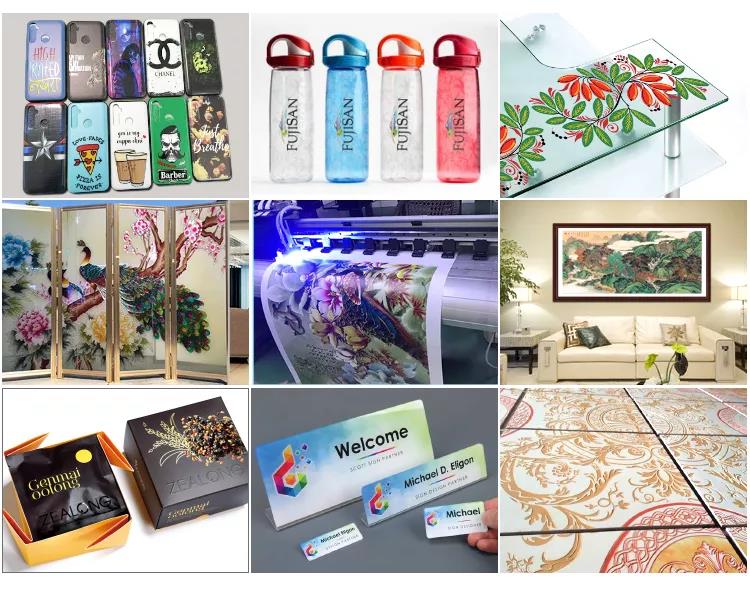
UV Ink vs Eco Solvent Ink: A Closer Look at the Pros and Cons
In the world of printing, choosing the right ink is crucial. UV ink and eco solvent ink are two popular options, each with its own set of characteristics. Let's take a detailed look at their advantages and disadvantages.
Advantages of UV Ink
-
Rapid Curing: One of the most significant advantages of UV ink is its extremely fast curing speed. As mentioned earlier, it can cure in a matter of milliseconds to seconds when exposed to UV light. In high - speed label printing production lines, UV - cured labels can be stacked and shipped almost immediately after printing. This not only speeds up the overall production process but also reduces the need for large amounts of storage space for drying prints.
-
Environmentally Friendly: UV ink is a more environmentally friendly option compared to some traditional inks. It contains little to no volatile organic compounds (VOCs). VOCs are harmful chemicals that can be released into the atmosphere during the drying process of traditional inks, contributing to air pollution and potentially causing health issues. With UV ink, the curing process is a polymerization reaction that doesn't rely on the evaporation of solvents, making it a cleaner choice for both the workplace and the environment.
-
High - Quality Printing: UV ink is capable of producing high - definition and vibrant prints. It offers excellent color saturation and sharpness, making it ideal for applications where visual appeal is crucial. For example, in the printing of luxury product packaging, such as high - end cosmetics or jewelry boxes, UV ink can accurately reproduce intricate designs and fine details, enhancing the product's overall aesthetic and brand image.
-
Superior Durability: UV - cured ink films have excellent abrasion resistance, chemical resistance, and lightfastness. Printed materials with UV ink can withstand harsh environmental conditions, including sunlight, moisture, and friction. Outdoor advertising billboards printed with UV ink can maintain their color and integrity for years, even when exposed to continuous sunlight and changing weather conditions.
Disadvantages of UV Ink
-
High Initial Investment: The equipment required for using UV ink, such as UV - curing printers and UV lamps, is generally more expensive than equipment for eco solvent ink. The cost of UV - curing systems can be a significant barrier for small - to - medium - sized printing businesses with limited budgets. Additionally, the UV lamps need to be replaced periodically, adding to the long - term operating costs.
-
High Energy Consumption: UV curing systems consume a substantial amount of energy. The UV lamps need to be powered to emit the ultraviolet light required for curing the ink. This high energy consumption not only increases the operational costs but also has a greater environmental impact in terms of energy usage compared to some other printing methods.
-
Skill Requirement: Operating UV - printing equipment and ensuring proper curing of the ink requires a certain level of technical expertise. Operators need to be trained to adjust the UV intensity, monitor the curing process, and troubleshoot potential issues such as incomplete curing or over - curing. Inadequate training can lead to poor - quality prints and increased waste.
Advantages of Eco Solvent Ink
-
Lower Cost: Eco solvent ink is generally more cost - effective than UV ink. The ink itself is often priced lower, and the equipment required for using eco solvent ink, such as some wide - format printers, is less expensive. This makes it an attractive option for businesses with budget constraints, especially those that are just starting out or have a lower volume of printing work.
-
Versatile Substrate Compatibility: Eco solvent ink can be used on a wide variety of substrates, including different types of plastics, vinyl, and some fabrics. This versatility allows printers to work on a diverse range of projects without having to invest in multiple types of inks or specialized equipment for different materials. For example, in the production of vehicle wraps, eco solvent ink can adhere well to the vinyl material, providing a cost - effective solution for customizing cars and trucks.
-
Lower Equipment Complexity: The printing equipment for eco solvent ink is often less complex than that for UV ink. This simplicity makes it easier to operate and maintain, especially for printers who may not have extensive technical knowledge. Small - scale print shops may find it more manageable to work with eco solvent ink systems due to their relative ease of use.
Disadvantages of Eco Solvent Ink
-
Slow Drying Speed: Compared to the rapid curing of UV ink, eco solvent ink has a relatively slow drying speed. It relies on the evaporation of solvents to dry, which can take minutes to hours, depending on the environmental conditions and the thickness of the ink layer. This slow drying time can limit the production speed, especially in high - volume printing operations. For instance, in a large - scale banner - printing project, the long drying time of eco solvent ink may require more space for drying the prints and can delay the delivery of the final products.
-
VOC Emissions: Although eco solvent ink is considered more environmentally friendly than some traditional solvent - based inks, it still emits a certain amount of volatile organic compounds (VOCs) during the drying process. These VOC emissions can contribute to indoor air pollution and may require proper ventilation systems in the printing facility to ensure a safe working environment.
-
Lower Print Quality in Some Aspects: While eco solvent ink can produce good - quality prints, it may not match the high - definition and color vibrancy of UV ink in all cases. The color gamut of eco solvent ink may be slightly more limited, and the prints may not have the same level of sharpness and detail, especially when printing fine lines or small text. In applications where the highest level of print quality is required, such as high - end photography prints or detailed art reproductions, UV ink may be the preferred choice.
Expert Views on UV Ink
Dr. Emily Chen, a renowned expert in the field of printing materials, has a positive outlook on the future of UV ink. According to her, "The application of UV ink in the packaging industry will continue to grow exponentially. As consumers increasingly demand sustainable and high - quality packaging, UV ink's low - VOC and high - durability features make it an ideal choice. In the coming years, we can expect to see more innovative uses of UV ink in smart packaging, such as inks with embedded sensors for product freshness monitoring."
Professor David Smith from a leading university's materials science department predicts that "In the digital printing realm, UV ink will play a pivotal role in driving the development of new printing technologies. The combination of UV ink's fast - curing speed and the flexibility of digital printing will open up new possibilities for personalized and on - demand production. We may even see UV ink being used in large - scale, high - resolution digital printing for architectural and interior design applications."
In terms of technological improvements, Dr. Alex Thompson, a research scientist at a major ink manufacturing company, believes that "Research is currently focused on reducing the energy consumption of UV - curing systems. New types of UV lamps and curing methods are being developed to make the process more energy - efficient. Additionally, efforts are underway to improve the cost - effectiveness of UV ink without sacrificing its quality, which will make it more accessible to small - and medium - sized printing businesses." These expert opinions not only affirm the current importance of UV ink but also paint a promising picture of its future development and application expansion. For more in - depth insights into UV ink, you can refer to our previous blog [Cracking the Code: Solving UV Ink Drying Incomplete Issues](link to the blog).
Related Reading Recommendation
If you're eager to delve deeper into the technical aspects of UV ink, our previous blog, "Cracking the Code: Solving UV Ink Drying Incomplete Issues," is a must - read. This blog addresses one of the common challenges in using UV ink - the problem of incomplete drying. It explores the underlying causes, such as improper UV lamp settings, the presence of contaminants in the ink or on the substrate, and issues with the ink formulation itself. By understanding these issues and the solutions provided in the blog, you can better optimize the use of UV ink in your printing processes. Whether you're a professional printer or a hobbyist exploring the world of UV printing, this blog offers valuable insights that complement the information presented in this article. So, don't miss out on the opportunity to enhance your knowledge of UV ink by checking it out.
FAQs about UV Ink
What are the common problems when using UV ink?
-
Incomplete Curing: This is a relatively common issue. Possible reasons include insufficient UV light intensity, incorrect UV lamp settings (such as the wrong wavelength for the ink type), or a malfunctioning UV - curing system. For example, if the UV lamp has been used for a long time and its output power has decreased, it may not provide enough energy to fully polymerize the ink. Additionally, some substrates may absorb UV light, reducing the amount of light available for curing the ink on their surface.
-
Color Deviation: Color deviation can occur due to several factors. The quality of the UV ink itself is crucial. If the ink has poor color consistency, or if it has been stored improperly and the pigments have separated or degraded, it can lead to unexpected color results. Different batches of ink from the same manufacturer may also have slight color differences. Moreover, issues with the printer's color management system, such as incorrect ICC profiles (International Color Consortium profiles) or problems with the calibration of the printer, can cause the printed colors to deviate from the expected ones. Environmental factors like temperature and humidity during printing can also affect the color appearance of the cured ink.
-
Nozzle Clogging: UV ink can cause nozzle clogging in inkjet printers. One of the main reasons is that UV ink is sensitive to UV light. If the ink is accidentally exposed to UV light during the printing process (for example, due to a leak in the UV - curing chamber that allows light to reach the ink supply system), it can start to polymerize prematurely and block the nozzles. Dust and impurities in the ink or the printing environment can also contribute to nozzle clogging. In addition, if the printer is not used for an extended period, the ink in the nozzles may dry out and form clogs.
How to properly store UV ink?
-
Temperature and Humidity: UV ink should be stored in a cool and dry environment. The ideal storage temperature is typically between 15 - 25°C (59 - 77°F). Temperatures outside this range can affect the ink's viscosity and chemical stability. For example, high temperatures can accelerate the evaporation of certain components in the ink, changing its composition and potentially leading to issues like nozzle clogging or changes in color. Humidity should be maintained at around 40 - 60%. High humidity can introduce moisture into the ink, which may cause the ink to degrade or affect its curing properties.
-
Avoiding Light Exposure: Since UV ink is sensitive to light, especially ultraviolet light, it must be stored in a dark place. This means keeping it in opaque containers or storage areas that block out light. Exposure to UV light can initiate the curing process prematurely, rendering the ink unusable. Even normal room light, if exposure is prolonged, can have a negative impact on the ink over time.
-
Sealed Storage: The ink containers should be tightly sealed when not in use. This prevents air from entering the container, which can cause oxidation of the ink components. Oxidation can lead to changes in the ink's properties, such as increased viscosity, reduced color quality, and decreased curing efficiency. It also helps to prevent dust and other contaminants from getting into the ink, which could cause nozzle - clogging issues.
Can UV ink be used on all types of materials?
UV ink is versatile and can be used on a wide range of materials, but it is not suitable for all types.
-
Commonly Compatible Materials: UV ink adheres well to materials like plastics (such as PVC, ABS, and PET), metals (including aluminum, stainless steel, and copper), glass, and various types of papers (coated and uncoated). For example, in the production of plastic packaging, UV ink can be printed directly on plastic bottles to create eye - catching labels. On metal surfaces, UV - printed graphics can provide a durable and decorative finish. In the printing of brochures and magazines, UV ink can enhance the color and quality of the printed images on paper.
-
Limitations on Special Materials: Some materials may pose challenges for UV ink application. Porous materials with extremely high absorbency, such as some untreated natural fabrics or very absorbent papers, can cause the ink to soak in too deeply, resulting in poor color saturation and print quality. In such cases, pre - treatment of the material or using a primer may be necessary to improve the ink's performance. Additionally, materials with a low surface energy, like some fluoropolymers, may have poor adhesion with UV ink without proper surface treatment. For instance, Teflon has a very low surface energy, and getting UV ink to stick to it firmly requires special surface - activation techniques.
 Sublimation Ink Buying Guide for sublimation printer ink | UVINK
  DTF ink Selection Guide for dtg dtf printer | UVINK
  UV DTF Ink: What Is UV DTF for Digital Printing?
  Economic DTF Ink for DTF Printer Procolored – No‑Clog, Cost‑Effective Industrial Printing Solution
  Economic‑Grade DTF Ink – Complete Industrial Guide: How To Make DTF Transfers With Inkjet Printer
  Industrial‑Grade UV DTF Ink – Complete Buying Guide for UV DTF Stickers for Tumblers Production
 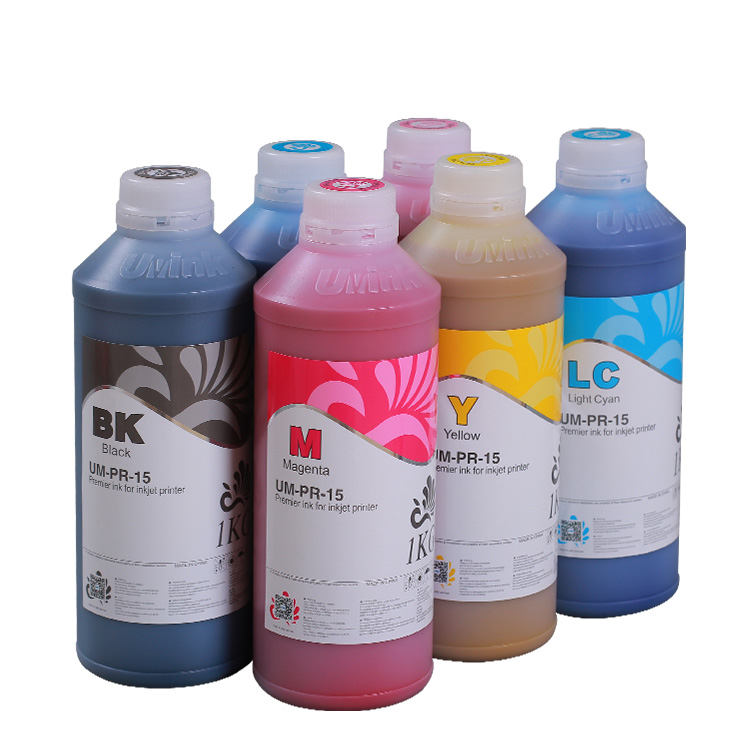 UVINK Eco Solvent Ink – Complete Industrial Buying Guide for Car Wrap Advertising Projects
 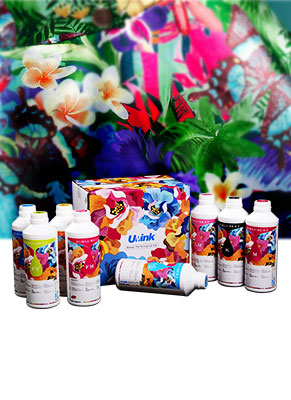 Fluorescent Sublimation Ink & Sublimation Printer Ink – Full Industrial UVINK Buyer Guide
  UVINK Economic DTF Ink – Complete Industrial Guide for DTF Printing Ink Users
 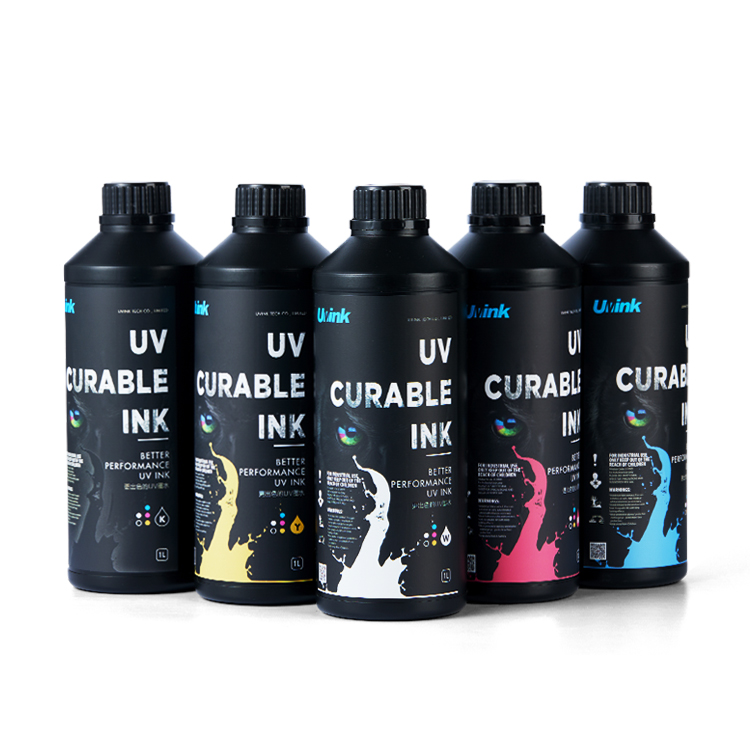 Professional‑Grade UV DTF Ink for High‑Quality UV DTF Prints – UVINK Complete Industrial Buying Guide
 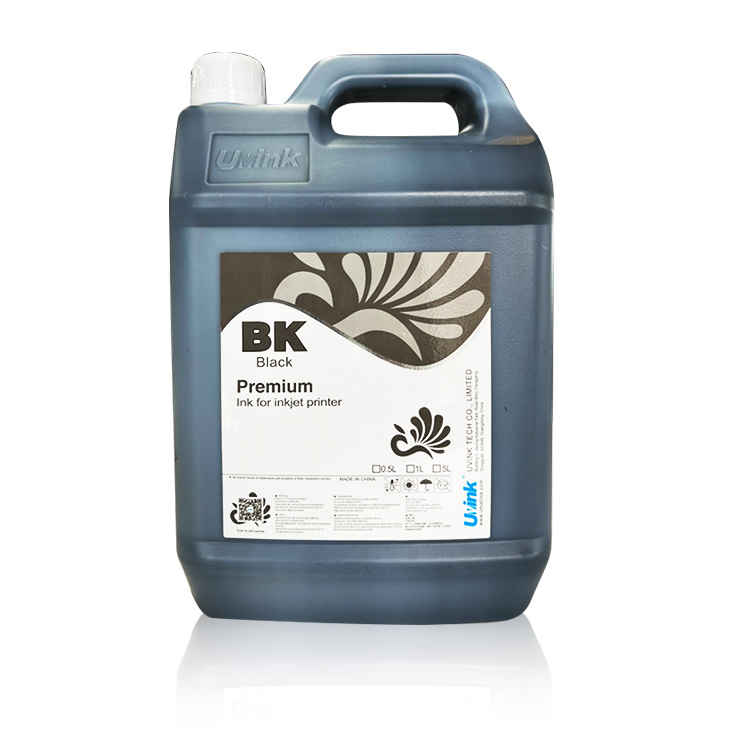 Mild Solvent Ink & Outdoor Advertising Printing – Professional Industrial Guide by UVINK
  Sublimation Ink & Epson Sublimation Ink – Full Industrial Buyer Guide by UVINK
  UVINK UV DTF Ink & What Are UV DTF Stickers – Complete Industrial Guide
 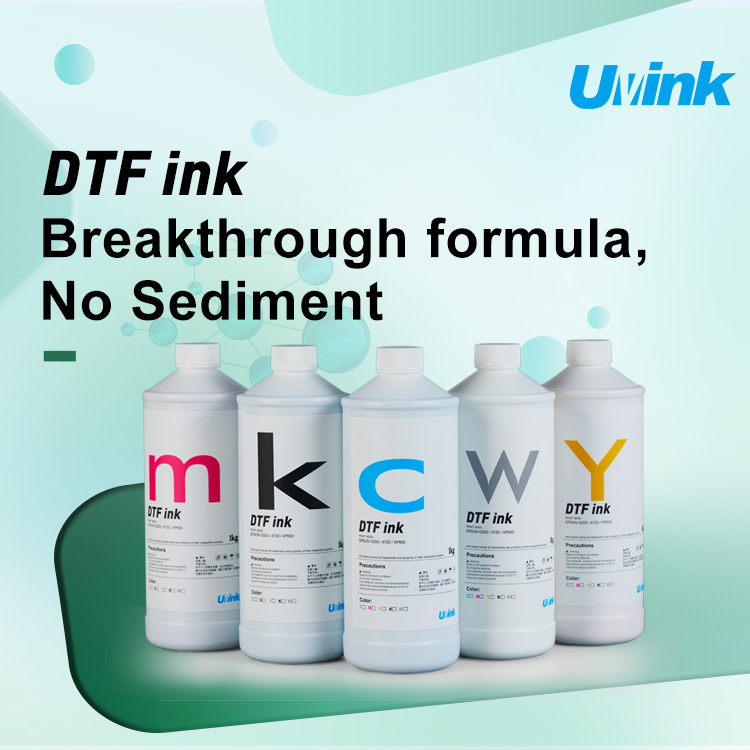 UVINK Economic DTF ink: Complete Buyer Guide for dtf for shirts Printing
  Sublimation Ink & Printer Color Ink: Industrial B2B Technical Guide
  UV DTF Ink & How to Make UV DTF Stickers: Industrial Production Guide
  Solvent Ink for Wide Format Ink Jet Printer: Industrial Technical Guide
 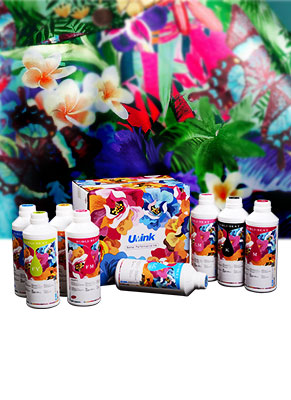 Sublimation Ink: Professional Technical Guide for Epson Printers
  Eco-solvent Ink: Professional Industrial Guide for Epson Pro Printers
  DTF Ink: Professional Industrial Guide for Procolored DTF Printer L1800