
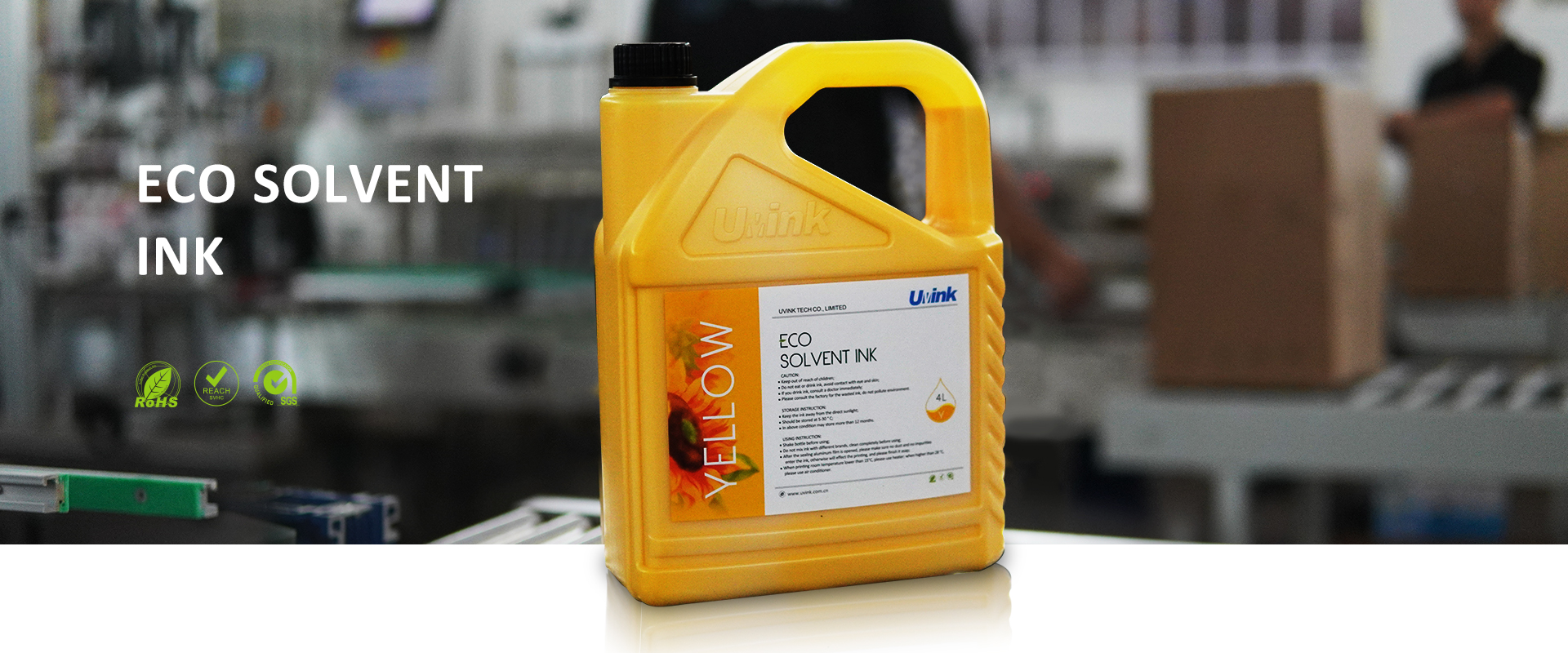
What is the Difference Between UV Ink and UV DTF Ink?
author: uvink
2025-11-26
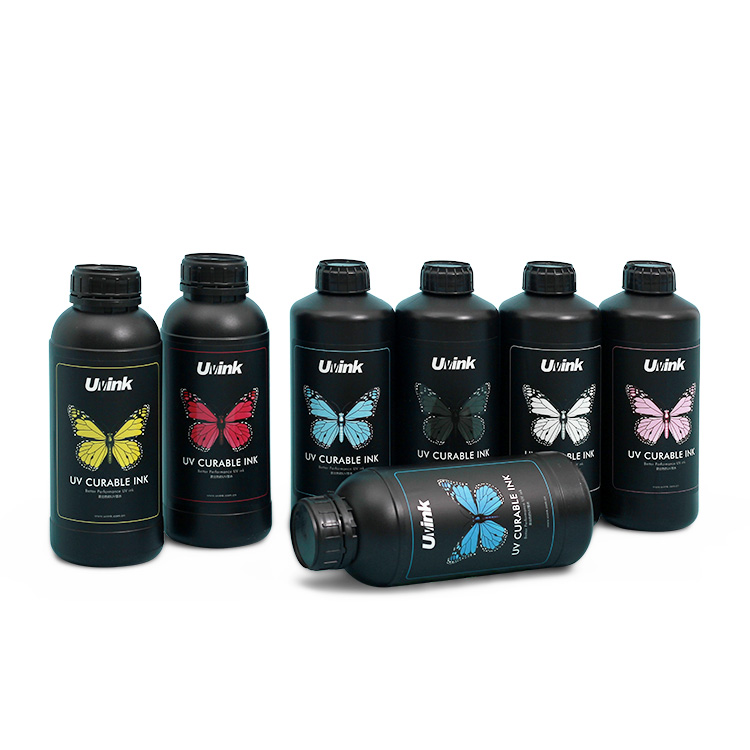
What is the Difference Between UV Ink and UV DTF Ink?
In the realm of digital printing, UV-curable inks have revolutionized production with their fast curing, durability, and versatility. Among them, UV ink and UV DTF ink are two commonly used options, but their applications and characteristics vary significantly. This blog will dissect the core differences between the two, with a focus on UV DTF ink to help you better understand its unique value. Before diving in, let’s take a look at the content outline:
Table of Contents
- Introduction
- Defining UV Ink and UV DTF Ink
- Core Parameters of UV DTF Ink (Parameter Table)
- Pros and Cons Comparison: UV DTF Ink vs. UV Ink
- Expert Insights on UV DTF Ink’s Market Position
- Application Scenarios: Where UV DTF Ink Shines
- A Look Back: Choosing Reliable UV DTF Ink Suppliers
- Frequently Asked Questions (FAQs)
- Conclusion
1. Introduction
UV printing technology has become a staple in industries ranging from packaging to signage, thanks to its ability to cure instantly under UV light, reducing production time and minimizing waste. As the technology evolves, UV DTF (Direct to Film) ink has emerged as a game-changer, addressing limitations of traditional UV ink. Whether you’re a printer shop owner or a procurement specialist, understanding the nuances between these two inks is crucial for making informed decisions. Let’s start with the basics.
2. Defining UV Ink and UV DTF Ink
To grasp their differences, we first need to clarify what each ink is and how it works. While both rely on UV light for curing, their application mechanisms and compositions set them apart.
2.1 What is UV Ink?
UV ink is a type of UV-curable ink that is printed directly onto the substrate (such as paper, plastic, glass, or metal). It contains photoinitiators that react under UV light, converting the liquid ink into a solid film in seconds. Traditional UV ink is widely used for flat substrates and requires the substrate to have a certain degree of surface tension to ensure adhesion.
2.2 What is UV DTF Ink?
UV DTF ink (Direct to Film UV Ink) is a specialized UV-curable ink designed for the DTF printing process. Unlike traditional UV ink, it is first printed onto a PET film, then transferred to the target substrate (including irregular, curved, or textured surfaces) using an adhesive layer. This “print-then-transfer” mode breaks the constraints of substrate type and shape, making it a versatile choice for personalized printing.

3. Core Parameters of UV DTF Ink (Parameter Table)
UV DTF ink’s superior performance is rooted in its precise formulation. Below is a detailed parameter table highlighting its key technical indicators, which are critical for ensuring printing quality and durability:
|
Parameter Category
|
Specific Indicator
|
Typical Value
|
Description
|
|---|---|---|---|
|
Curing Performance
|
Curing Wavelength
|
365-405 nm
|
Compatible with most UV LED printers, ensuring fast curing
|
|
Curing Performance
|
Curing Speed
|
≤3 seconds (at 80-100 mW/cm²)
|
Enables high-efficiency continuous production
|
|
Physical Properties
|
Viscosity (25℃)
|
15-25 mPa·s
|
Ensures smooth inkjet and uniform color output
|
|
Physical Properties
|
Color Gamut
|
≥95% of sRGB
|
Delivers vivid and true-to-life colors
|
|
Adhesion Performance
|
Adhesion Grade (cross-cut test)
|
1B-0B
|
Strong adhesion to various substrates, no peeling
|
|
Durability
|
Abrasion Resistance
|
≥500 cycles (CS-10 wheel, 1kg load)
|
Suitable for high-wear scenarios (e.g., phone cases, toys)
|
|
Durability
|
Weather Resistance
|
UV resistance ≥1000 hours, water resistance (IPX7)
|
Applicable for indoor and outdoor use
|
|
Safety
|
Environmental Certification
|
CE, RoHS, REACH
|
Low VOC emissions, safe for indoor and food-contact packaging (with additional certification)
|
4. Pros and Cons Comparison: UV DTF Ink vs. UV Ink
To further clarify their differences, we compare UV DTF ink and traditional UV ink in terms of advantages and disadvantages, focusing on key dimensions such as application scope, adhesion, and cost:
4.1 UV DTF Ink: Pros & Cons
4.1.1 Pros
-
Wide Substrate Compatibility: Works on almost all materials, including plastic, metal, glass, wood, fabric, and even curved or irregular surfaces (e.g., phone chargers, mugs).
-
Strong Adhesion: The combination of ink and adhesive layer ensures long-term adhesion without pre-treatment (e.g., sandblasting or priming) on difficult substrates.
-
High Flexibility: The cured ink film is flexible, resisting cracking when applied to flexible substrates (e.g., silicone phone cases).
-
Easy Post-Processing: The printed film can be stored and transferred on-demand, reducing waste from incorrect printing.
4.1.2 Cons
-
Higher Cost: UV DTF ink and adhesive films are more expensive than traditional UV ink, increasing initial investment.
-
Additional Transfer Step: Requires a transfer process after printing, adding a small amount of time to the production line.
-
Film Storage Requirements: Printed films need to be stored in a dry, cool environment to avoid adhesive failure.
4.2 UV Ink: Pros & Cons
4.2.1 Pros
-
Lower Cost: Cheaper raw materials and no need for adhesive films, reducing per-unit printing costs.
-
Direct Printing: No transfer step, making it suitable for high-volume flat substrate printing (e.g., posters, business cards).
-
Mature Technology: Widely used for decades, with stable supply chains and mature maintenance systems.
4.2.2 Cons
-
Limited Substrate Scope: Poor adhesion to non-polar substrates (e.g., PP, PE) and cannot be used on curved or textured surfaces.
-
Pre-Treatment Required: Most substrates need pre-treatment (e.g., corona treatment) to ensure ink adhesion, increasing production complexity.
-
Brittle Ink Film: Cured traditional UV ink is brittle, prone to cracking on flexible substrates.
5. Expert Insights on UV DTF Ink’s Market Position
Industry experts recognize UV DTF ink as a disruptive innovation in the printing sector. Dr. Sarah Miller, a senior materials engineer with 15 years of experience in UV ink research, shares her perspective:
“UV DTF ink solves the long-standing problem of traditional UV ink’s substrate limitations. Its ‘print-then-transfer’ model allows printers to serve more niche markets, such as personalized 3D objects and irregular product decoration. We’ve seen a 40% year-on-year growth in UV DTF ink adoption in 2024, especially in the consumer electronics and promotional products industries. The key to its success lies in the synergy of ink formulation and adhesive technology—high-quality UV DTF ink must balance curing speed, flexibility, and adhesion, which is a technical breakthrough that traditional UV ink cannot match.”
Dr. Miller also emphasizes that as environmental regulations tighten, UV DTF ink’s low VOC emissions will further enhance its competitiveness.
6. Application Scenarios: Where UV DTF Ink Shines
UV DTF ink’s versatility makes it indispensable in several key industries. Below are its most prominent application scenarios:
6.1 Consumer Electronics
Decorating phone cases, chargers, earphone cases, and laptop shells. Its ability to adhere to plastic, silicone, and metal ensures long-lasting, vivid prints—even on curved surfaces. Application Case: A well-known mobile accessory brand launched a limited-edition custom phone case series for young consumers. Using UV DTF ink, it printed complex gradient patterns and matte textures on curved silicone phone cases. The prints withstood 500+ times of repeated bending without cracking, and the color remained unchanged after 6 months of daily use. As mentioned in our previous blog How to Choose UV DTF Ink Suppliers: A Focus on Mobile Phone Charger Printing, selecting the right UV DTF ink is critical for achieving scratch-resistant and wear-resistant prints on small electronic accessories.
6.2 Promotional Products
Personalizing mugs, water bottles, keychains, and tote bags. UV DTF ink’s weather resistance and dishwasher safety make it ideal for daily-use promotional items. Application Case: A local coffee chain ordered 10,000 personalized ceramic mugs for its annual anniversary promotion. UV DTF ink was used to print the chain’s logo and unique QR codes (for discount redemption) on the curved surface of the mugs. After testing, the prints remained intact after 200+ cycles of dishwasher cleaning at 60℃, and the QR codes could still be scanned clearly. This campaign significantly increased customer engagement, with a 35% redemption rate of the QR code discounts.
6.3 Signage and Display
Creating 3D signage, curved light boxes, and irregular-shaped display props. Traditional UV ink struggles with these substrates, but UV DTF ink delivers consistent quality. Application Case: A shopping mall needed to create festive display props for Christmas, including 3D snowflake-shaped signs and curved light box borders. Using UV DTF ink, the printer first printed gold foil-like patterns on PET film, then transferred them to the surface of foam snowflakes and acrylic curved light boxes. The transferred patterns had no bubbles or wrinkles, and the metallic luster remained bright even under long-term light exposure, enhancing the festive atmosphere of the mall significantly.
6.4 Textile Printing
Printing on cotton, polyester, and leather goods (e.g., shoes, jackets). Its flexible ink film avoids cracking during wear. Application Case: A niche sports shoe brand launched a “customize your own shoe” service. Customers could upload their favorite patterns, and the brand used UV DTF ink to print the patterns on white leather shoe uppers. The printed patterns had strong adhesion—after 50,000 steps of simulated walking tests, there was no peeling or fading. Additionally, the flexible ink film adapted to the bending of the shoe uppers without cracking, meeting the practical needs of daily wear.
7. A Look Back: Choosing Reliable UV DTF Ink Suppliers
While UV DTF ink offers numerous advantages, its performance depends heavily on product quality. In our earlier blog How to Choose UV DTF Ink Suppliers: A Focus on Mobile Phone Charger Printing, we highlighted key factors to consider when selecting suppliers: product certification (CE, RoHS), sample testing (adhesion, wear resistance), and after-sales support. For businesses looking to adopt UV DTF printing, partnering with a reputable supplier is as important as understanding the ink itself—this ensures consistent quality and reduces production risks.

8. Frequently Asked Questions (FAQs)
8.1 Can UV DTF ink be used on food-contact substrates?
Yes, but it requires additional food safety certifications (e.g., FDA 21 CFR 175.300). Ensure your supplier provides compliant products, especially for mugs or food packaging.
8.2 Is UV DTF ink more difficult to maintain than traditional UV ink?
No. The maintenance process is similar—regularly clean the print head to avoid clogging. The only extra step is storing printed films properly (dry, cool, and away from direct sunlight) to preserve adhesive performance.
8.3 Can UV DTF prints be removed from substrates?
Yes, but it requires heat or solvent-based removers. For permanent applications, choose high-adhesion UV DTF ink; for temporary prints, opt for low-adhesion variants (available from some suppliers).
8.4 Is UV DTF ink suitable for high-volume production?
Yes. While it adds a transfer step, modern automated transfer machines can match the speed of traditional UV printing lines. It’s especially efficient for small-batch, personalized production, where its versatility reduces setup time.
8.5 How does UV DTF ink perform in outdoor environments?
Excellent. With UV resistance of over 1000 hours and water resistance (IPX7), it can withstand rain, sunlight, and temperature fluctuations—making it suitable for outdoor signage and promotional items.
9. Conclusion
UV ink and UV DTF ink both have their merits, but UV DTF ink stands out for its versatility, strong adhesion, and ability to print on irregular substrates. While it has a higher initial cost and requires a transfer step, its ability to serve niche markets (e.g., personalized electronics, 3D signage) and reduce pre-treatment processes makes it a worthwhile investment for forward-thinking printers. As Dr. Miller noted, UV DTF ink is not just a replacement for traditional UV ink—it’s an expansion of printing possibilities.
If you’re considering adopting UV DTF printing, revisit our blog How to Choose UV DTF Ink Suppliers: A Focus on Mobile Phone Charger Printing to ensure you select the right partner. For more questions about UV inks or printing technology, leave a comment below!
 Sublimation Ink Buying Guide for sublimation printer ink | UVINK
  DTF ink Selection Guide for dtg dtf printer | UVINK
  UV DTF Ink: What Is UV DTF for Digital Printing?
  Economic DTF Ink for DTF Printer Procolored – No‑Clog, Cost‑Effective Industrial Printing Solution
  Economic‑Grade DTF Ink – Complete Industrial Guide: How To Make DTF Transfers With Inkjet Printer
  Industrial‑Grade UV DTF Ink – Complete Buying Guide for UV DTF Stickers for Tumblers Production
  UVINK Eco Solvent Ink – Complete Industrial Buying Guide for Car Wrap Advertising Projects
  Fluorescent Sublimation Ink & Sublimation Printer Ink – Full Industrial UVINK Buyer Guide
  UVINK Economic DTF Ink – Complete Industrial Guide for DTF Printing Ink Users
 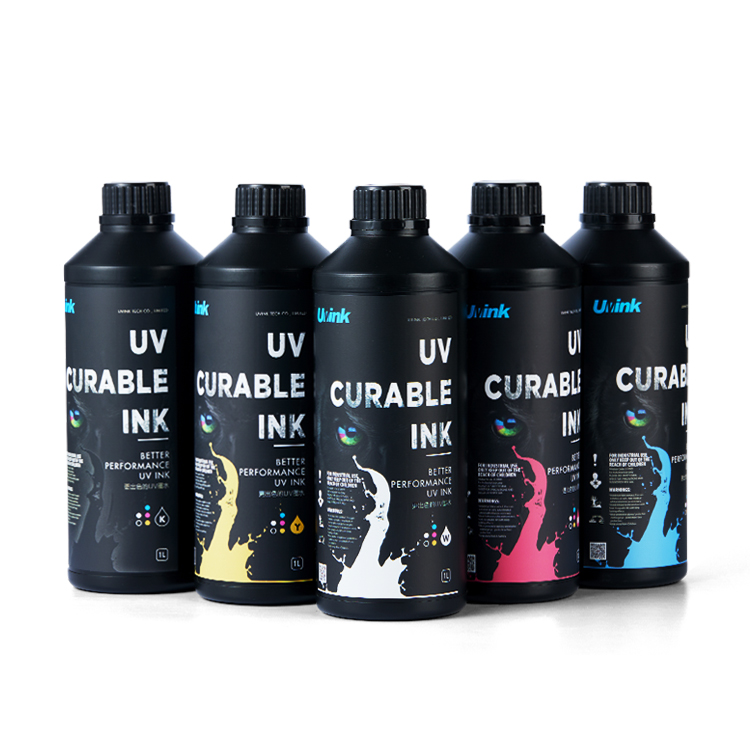 Professional‑Grade UV DTF Ink for High‑Quality UV DTF Prints – UVINK Complete Industrial Buying Guide
 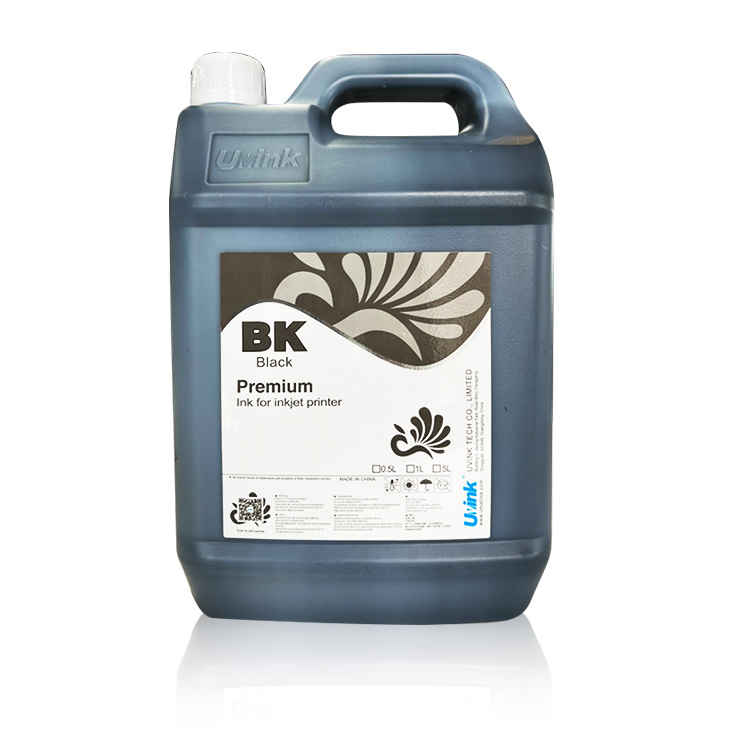 Mild Solvent Ink & Outdoor Advertising Printing – Professional Industrial Guide by UVINK
  Sublimation Ink & Epson Sublimation Ink – Full Industrial Buyer Guide by UVINK
  UVINK UV DTF Ink & What Are UV DTF Stickers – Complete Industrial Guide
 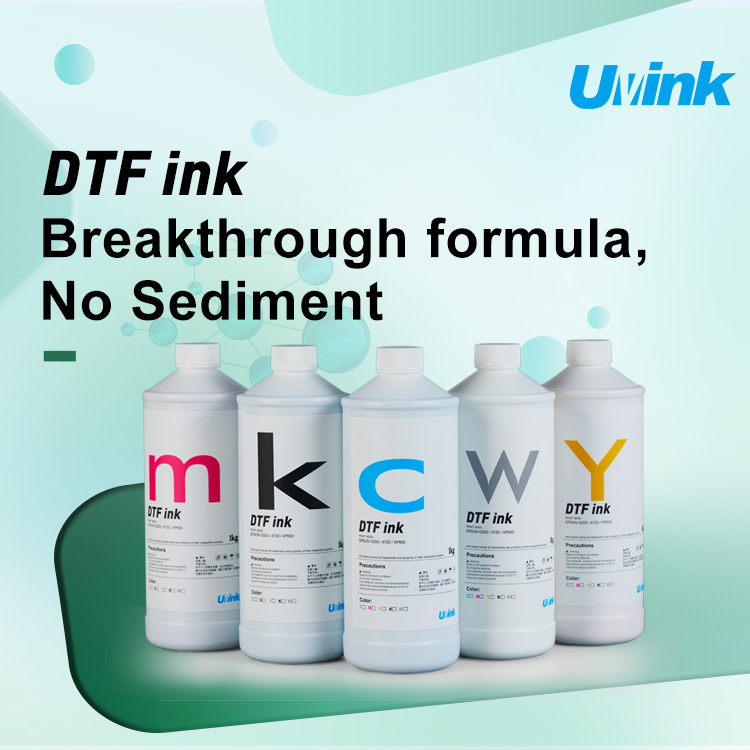 UVINK Economic DTF ink: Complete Buyer Guide for dtf for shirts Printing
  Sublimation Ink & Printer Color Ink: Industrial B2B Technical Guide
  UV DTF Ink & How to Make UV DTF Stickers: Industrial Production Guide
  Solvent Ink for Wide Format Ink Jet Printer: Industrial Technical Guide
  Sublimation Ink: Professional Technical Guide for Epson Printers
  Eco-solvent Ink: Professional Industrial Guide for Epson Pro Printers
  DTF Ink: Professional Industrial Guide for Procolored DTF Printer L1800