
The Key Differences Between DTF Ink and Sublimation Ink: A Comprehensive Guide

The Key Differences Between DTF Ink and Sublimation Ink: A Comprehensive Guide
Table of Contents
Introduction: Understanding the Two Ink Types
What Are DTF Ink and Sublimation Ink?
DTF Ink
Sublimation Ink
Process Differences: How DTF and Sublimation Ink Work
H4: DTF Printing Process
- Preparing the Design: The design is created or edited using graphic design software (such as Adobe Photoshop or CorelDRAW) and optimized for DTF printing.
- Printing on Film: The DTF ink is loaded into a compatible printer (often an Epson-based modified printer), which prints the design onto a special PET film. The film is designed to hold the ink temporarily without smudging.
- Applying Adhesive: After printing, a layer of hot-melt adhesive powder is evenly sprinkled over the printed area of the film. Excess powder is shaken off and reused, making the process cost-effective.
- Curing the Adhesive: The film with the adhesive is then passed through a dryer or cured using heat (around 100–120°C) to melt the adhesive slightly, bonding it to the ink on the film.
- Transferring to Substrate: The cured film is placed onto the target substrate (e.g., cotton t-shirt, leather bag). Using a heat press, pressure (usually 30–50 psi) and heat (140–160°C) are applied for 10–30 seconds. This melts the adhesive further, allowing the ink and adhesive to transfer from the film to the substrate.
- Peeling the Film: After cooling for a few seconds, the PET film is peeled off, leaving the design on the substrate.
H4: Sublimation Printing Process
- Design Preparation: Similar to DTF, the design is created in graphic software. However, sublimation designs often require reversing (mirroring) the image because the transfer is done face-down.
- Printing on Transfer Paper: Sublimation ink is printed onto a special sublimation transfer paper using a sublimation printer. The paper is coated to hold the dye particles until heat is applied.
- Preparing the Substrate: The substrate must be a polyester-based material or have a polymer coating (e.g., mugs, phone cases, polyester t-shirts). Non-polyester materials (like cotton) won’t absorb the sublimated dye effectively.
- Heat Press Transfer: The printed transfer paper is placed face-down onto the substrate. A heat press applies high temperature (350–400°F) and moderate pressure (20–30 psi) for 20–60 seconds. During this time, the sublimation ink turns into a gas and penetrates the substrate’s fibers or coating.
- Peeling the Paper: After the transfer time is up, the heat press is opened, and the transfer paper is peeled off immediately (while still hot). The dye has already bonded with the substrate, resulting in a permanent print.

Application Differences: Which Surfaces Do They Target?
- Fabrics: Cotton, polyester, blends, denim, leather, spandex, and even thick materials like canvas. Unlike sublimation, DTF doesn’t require the fabric to be polyester-based, making it ideal for cotton-heavy garments (a popular choice in the fashion industry).
- Hard Surfaces: Wood (painted or unpainted), plastic (ABS, PVC), metal (aluminum, steel), glass (with a primer), ceramic (mugs, tiles), and even foam.
- Other Materials: Backpacks, hats, shoes, and promotional items like keychains or mousepads.
- Polyester Fabrics: Sports jerseys, performance wear, polyester t-shirts, and flags. The print is breathable and flexible, making it great for activewear.
- Polymer-Coated Hard Goods: Mugs, water bottles, phone cases, metal sheets (for signs or photo frames), ceramic tiles, and glassware (like tumblers). The coating acts as a medium for the dye to bond with.
- Specialty Items: Sublimation puzzles, mousepads with a polyester top layer, and even some types of wallpaper.
Pros and Cons Comparison: DTF Ink vs. Sublimation Ink
Advantages:
- Versatile Substrate Compatibility: As mentioned, DTF works on almost any material—cotton, polyester, wood, plastic, etc.—eliminating the need for multiple ink types.
- No Pre-Treatment Required: Unlike some other printing methods (like screen printing for cotton), DTF doesn’t require pre-treating the substrate with chemicals. This saves time and money.
- Durable and Flexible Prints: The hot-melt adhesive ensures that the design withstands multiple washes (for fabrics) and resist scratching (for hard surfaces). The print also remains flexible, making it suitable for stretchy fabrics like spandex.
- Cost-Effective for Small Batches: DTF doesn’t require expensive plates or setup fees, making it ideal for small-batch or custom orders. Excess adhesive powder can also be reused.
Disadvantages:
- Additional Step of Film Printing: The process requires printing onto film first, which adds an extra step compared to sublimation. This can slow down production for large batches.
- Adhesive May Add Thickness: The hot-melt adhesive can make the print feel slightly thicker on delicate fabrics, which may be a downside for customers looking for a “soft hand” feel.
- Film and Adhesive Costs: While DTF is cost-effective for small batches, the cost of PET film and adhesive powder can add up for large-scale production.
H4: Advantages and Disadvantages of Sublimation Ink
Advantages:
- High-Quality, Seamless Prints: Sublimation creates a print that is part of the substrate, not just on top of it. This results in vibrant colors, sharp details, and no added thickness—perfect for high-end items.
- Breathable for Fabrics: Since the dye penetrates the fabric fibers, sublimated prints are breathable, making them ideal for activewear and summer clothing.
- Durable and Fade-Resistant: The dye bonds permanently with the substrate, so the print won’t crack, peel, or fade even after multiple washes (for fabrics) or exposure to sunlight (for hard goods).
- Fast Production for Large Batches: Once the design is prepared, sublimation can be done quickly, making it suitable for large orders (like sports team jerseys).
Disadvantages:
- Limited Substrate Compatibility: Sublimation only works on polyester or polymer-coated materials, which restricts its use for projects involving cotton or natural fibers.
- Requires High Temperature: The process needs high heat, which can damage heat-sensitive substrates (like some types of plastic or delicate fabrics).
- Initial Equipment Costs: Sublimation printers and heat presses can be more expensive upfront compared to DTF equipment. Additionally, sublimation transfer paper is often pricier than DTF film.
Expert Opinions on DTF and Sublimation Ink
Linking to Our Previous Blog: Application Scope and Advantages of UV Ink for Printers
FAQ: Common Questions About DTF Ink and Sublimation Ink
Q1: Can DTF ink be used on polyester fabrics?
Q2: Will sublimation ink work on cotton if I use a polyester coating?
Q3: Which ink type produces more vibrant colors?
Q4: Are DTF prints as durable as sublimation prints?
Q5: Which ink type is better for beginners?
Conclusion

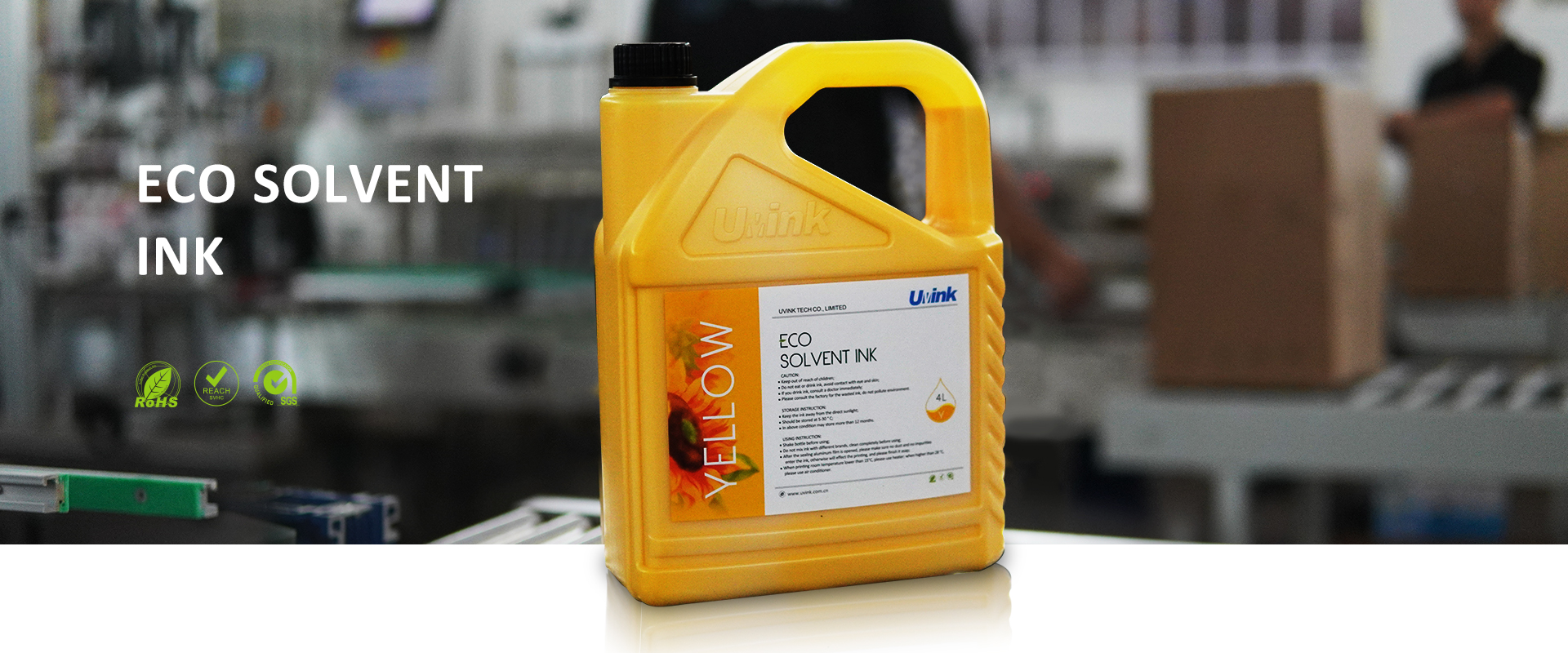
Uvink Tech. Co., Limited has specialized in R&D and the sales of digital ink-jet products, such as Eco/Solvent ink, UV Curable Ink, Sublimation Ink, DTG Pigment Ink, DTF pigment ink, Eco-solvent ink for leather, Ink for Character marking on PCB, Carton ink and Dye ink etc. since 2003. With 18 years experiences in digital ink-jet printing field, the technician team of Uvink company masters the latest US and Japan technology to research the innovative ink formulas and mature production skills. Our production lines are equipped with the top R&D team, imported machines and advanced analysis instruments, which produce ink at dust-free workshop in constant temperature and humidity environment. The automatic refilling and packing process ensure the product keep consistent quality. Monthly production capacity can reach more than 3000 tons.We also offer customized Ink OEM and ODM services.The 30,000 square meter’s new modern ink industrial park will be put into operation soon.With the concept of "Environmental Protection is the Future", ink-jet printing products of Uvink company have passed Swiss SGS company's ROHS, REACH environmental certifications. Its environmentally friendly formula not only increases the life of the nozzles, but also reduces the wastes of the resources. It can be said that it is a perfect balance between commodities and environmental protection.
 Sublimation Ink Buying Guide for sublimation printer ink | UVINK
  DTF ink Selection Guide for dtg dtf printer | UVINK
  UV DTF Ink: What Is UV DTF for Digital Printing?
  Economic DTF Ink for DTF Printer Procolored – No‑Clog, Cost‑Effective Industrial Printing Solution
  Economic‑Grade DTF Ink – Complete Industrial Guide: How To Make DTF Transfers With Inkjet Printer
  Industrial‑Grade UV DTF Ink – Complete Buying Guide for UV DTF Stickers for Tumblers Production
 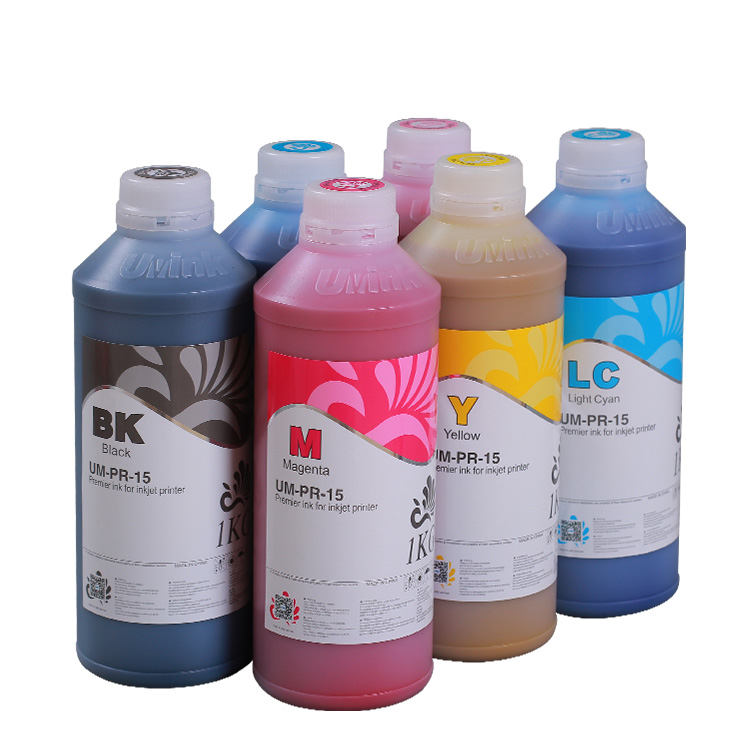 UVINK Eco Solvent Ink – Complete Industrial Buying Guide for Car Wrap Advertising Projects
 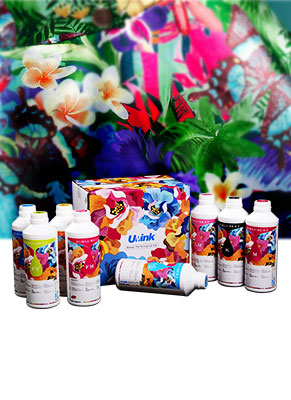 Fluorescent Sublimation Ink & Sublimation Printer Ink – Full Industrial UVINK Buyer Guide
  UVINK Economic DTF Ink – Complete Industrial Guide for DTF Printing Ink Users
 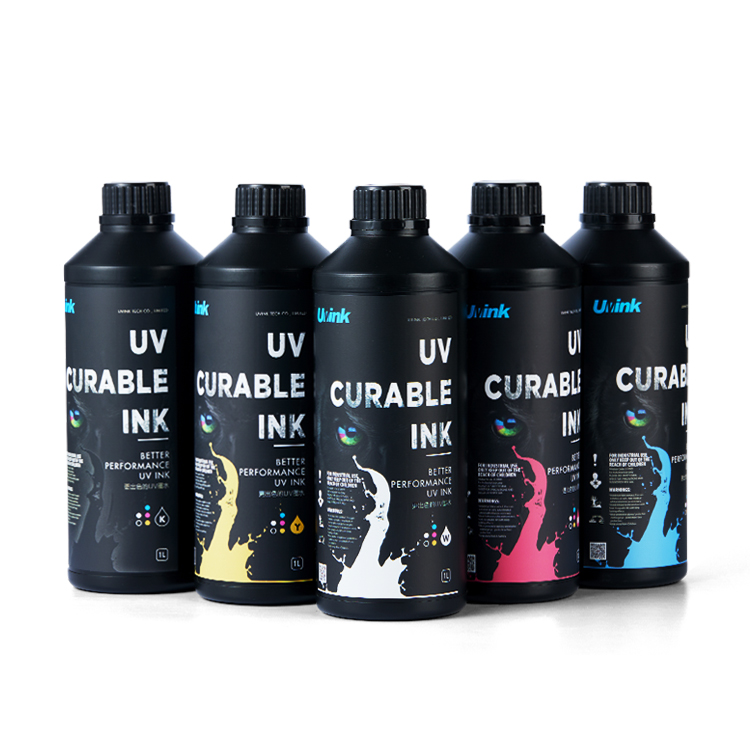 Professional‑Grade UV DTF Ink for High‑Quality UV DTF Prints – UVINK Complete Industrial Buying Guide
  Mild Solvent Ink & Outdoor Advertising Printing – Professional Industrial Guide by UVINK
  Sublimation Ink & Epson Sublimation Ink – Full Industrial Buyer Guide by UVINK
  UVINK UV DTF Ink & What Are UV DTF Stickers – Complete Industrial Guide
  UVINK Economic DTF ink: Complete Buyer Guide for dtf for shirts Printing
  Sublimation Ink & Printer Color Ink: Industrial B2B Technical Guide
  UV DTF Ink & How to Make UV DTF Stickers: Industrial Production Guide
  Solvent Ink for Wide Format Ink Jet Printer: Industrial Technical Guide
  Sublimation Ink: Professional Technical Guide for Epson Printers
  Eco-solvent Ink: Professional Industrial Guide for Epson Pro Printers
  DTF Ink: Professional Industrial Guide for Procolored DTF Printer L1800