
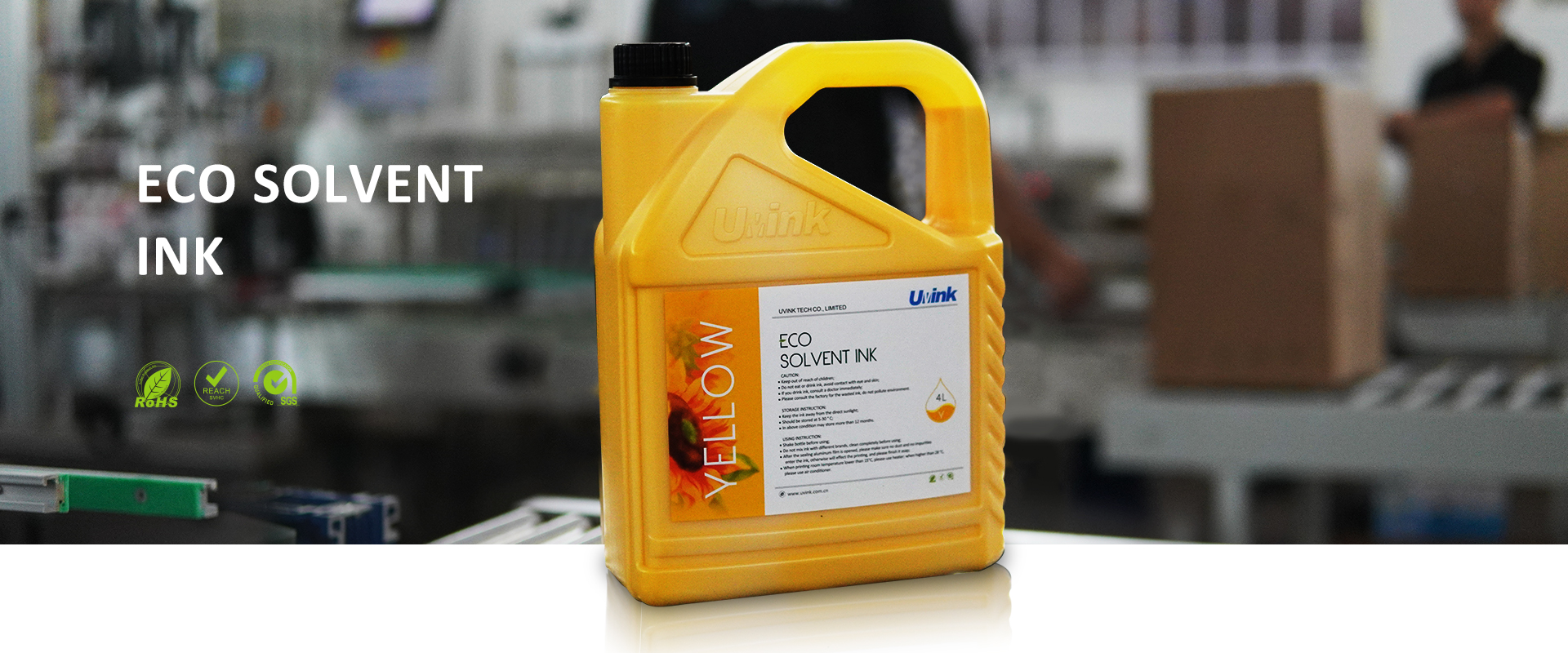
Application Scope and Advantages of UV Ink for Printers

Application Scope and Advantages of UV Ink for Printers
Table of Contents
-
Introduction to UV Ink for Printers
-
Broad Application Scope of UV Ink for Printers
-
Core Advantages of UV Ink for Printers
-
UV Ink vs. Eco Solvent Ink: A Comprehensive Comparison
-
Expert Insights on UV Ink Application
-
General USB Charger Specification Table (Relevant to Printing Peripherals)
-
Frequently Asked Questions (FAQs) About UV Ink for Printers
-
Conclusion
1. Introduction to UV Ink for Printers
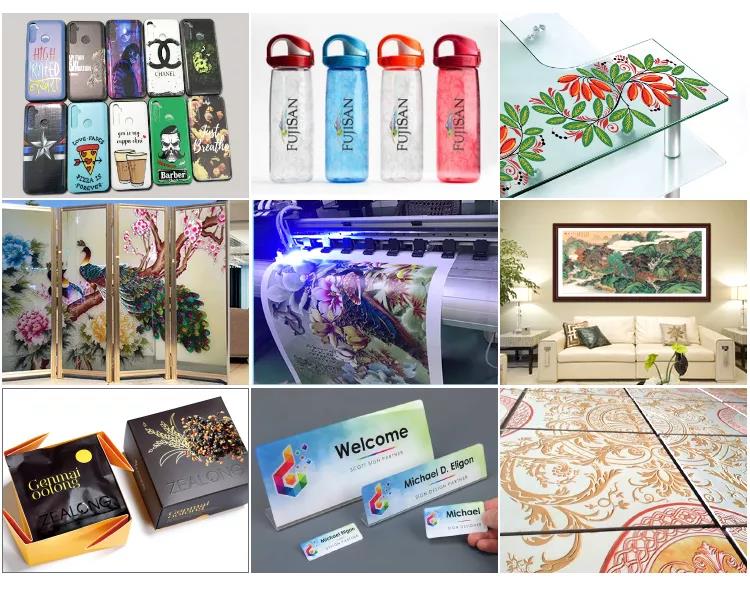
2. Broad Application Scope of UV Ink for Printers
2.1 Advertising and Signage Industry
2.2 Packaging and Labeling Industry
2.3 Decoration and Furniture Industry
2.4 Electronic and Industrial Printing
3. Core Advantages of UV Ink for Printers
3.1 Instant Curing and High Production Efficiency
3.2 Excellent Durability and Stability
3.3 Environmental Friendliness and Safety
3.4 Versatile Substrate Compatibility
4. UV Ink vs. Eco Solvent Ink: A Comprehensive Comparison
4.1 Curing Mechanism and Drying Time
-
UV Ink: Cures through photochemical reaction under UV light, with drying time in seconds. It does not rely on solvent evaporation, so the drying speed is not affected by environmental factors such as temperature and humidity.
-
Eco Solvent Ink: Belongs to solvent-based ink, which dries by solvent evaporation. The drying time is usually 10-30 minutes, and it is greatly affected by the environment. In high humidity or low temperature environments, the drying speed will be significantly slowed down, which may cause problems such as smudges on printed products.
4.2 Durability and Outdoor Performance
-
UV Ink: As mentioned earlier, the cured UV ink has excellent scratch resistance, water resistance, and UV resistance. Outdoor printed products can last 3-5 years without fading or peeling.
-
Eco Solvent Ink: The durability is relatively poor. Although it has a certain outdoor resistance, it is prone to fading and peeling after 1-2 years of outdoor use. It also requires a laminating process to improve its durability, which increases the production cost and process complexity.
4.3 Substrate Compatibility
-
UV Ink: Has strong compatibility, suitable for both porous and non-porous substrates. It can be directly printed on materials such as glass, metal, and acrylic without pre-treatment.
-
Eco Solvent Ink: Mainly suitable for porous or slightly porous substrates such as vinyl, canvas, and paper. For non-porous substrates, it needs to be pre-treated (such as coating) to ensure adhesion, which limits its application scope.
4.4 Environmental Impact
-
UV Ink: Almost no VOCs are released during curing, which is environmentally friendly and safe for workers' health. The waste ink and cleaning agents are also easier to handle.
-
Eco Solvent Ink: Although it is called "eco solvent", it still contains a certain amount of VOCs, which will cause air pollution if not properly treated. The waste solvent also needs special treatment to avoid environmental pollution, increasing the environmental protection cost of enterprises.
4.5 Core Technical Parameters of Eco Solvent Ink
|
Parameter Category
|
Specific Indicator
|
Industry Standard/Typical Range
|
Description
|
|---|---|---|---|
|
Composition & Environmental Protection
|
VOC Content
|
Complies with GB/T 38507, generally 30-80g/L
|
Lower than traditional solvent ink (usually >100g/L), reduces air pollution but still requires ventilation in large-scale use
|
|
Physical Performance
|
Viscosity (25℃)
|
15-25 mPa·s
|
Affects inkjet smoothness; too high easily causes nozzle blockage, too low leads to poor dot gain control
|
|
Physical Performance
|
Surface Tension
|
28-32 dyne/cm
|
Needs to match the surface tension of printing substrates (e.g., vinyl) to ensure adhesion; adjustable via additives
|
|
Drying & Curing
|
Drying Time (25℃, 50% RH)
|
10-30 minutes
|
Dependent on solvent evaporation; extended to 40-60 minutes in high humidity (>70%) or low temperature (<15℃) environments
|
|
Durability
|
Outdoor Weather Resistance
|
1-2 years (without lamination); 3-4 years (with lamination)
|
Resists UV radiation and light rain, but prone to fading under strong sunlight for long-term exposure
|
|
Safety
|
Flash Point (Closed Cup)
|
≥65℃
|
Higher than traditional solvent ink, reducing fire risk; meets industrial safety storage requirements
|
|
Safety
|
Oral Toxicity (LD50, Rat)
|
>3,000 ml/kg
|
Low toxicity, no benzene/toluene, minimal odor; safe for general workshop use without special protective equipment
|
|
Color Performance
|
Color Gamut
|
Covers 85%-90% of sRGB
|
Rich and bright colors, suitable for outdoor advertising with high color requirements
|
|
Storage
|
Shelf Life (Sealed, 5-35℃)
|
12-18 months
|
Avoid direct sunlight and extreme temperature; shake well before use after storage over 6 months
|
5. Expert Insights on UV Ink Application
"The development of UV ink has brought a qualitative leap to the printing industry. Its instant curing mechanism not only improves production efficiency but also solves the problem of poor adhesion of traditional inks on non-porous substrates. In recent years, with the continuous improvement of UV light source technology and ink formula, the performance of UV ink has been further optimized, such as lower curing energy consumption and wider color gamut."When talking about the comparison between UV ink and eco solvent ink, Dr. Johnson pointed out: "Eco solvent ink has certain advantages in cost in the short term, but from the perspective of long-term application and environmental protection, UV ink is undoubtedly a more sustainable choice. Especially in the fields of high-end packaging and outdoor decoration, the durability and environmental advantages of UV ink are irreplaceable."
6. General USB Charger Specification Table (Relevant to Printing Peripherals)
|
Model
|
Input Voltage
|
Output Voltage
|
Output Current
|
Number of USB Ports
|
Charging Protocol
|
Applicable Printing Peripherals
|
|---|---|---|---|---|---|---|
|
UC-001
|
100-240V AC, 50/60Hz
|
5V DC
|
2.4A (single port)
|
2
|
QC 2.0, Apple 2.4A
|
Portable printing monitors, small inkjet controllers
|
|
UC-002
|
100-240V AC, 50/60Hz
|
5V DC / 9V DC
|
3A (single port, 9V)
|
1
|
QC 3.0, PD 20W
|
High-performance printer controllers, wireless printing adapters
|
|
UC-003
|
100-240V AC, 50/60Hz
|
5V DC
|
1A (per port)
|
4
|
Standard USB 2.0
|
Multiple low-power peripherals (e.g., USB hubs for printers, sensor modules)
|
7. Frequently Asked Questions (FAQs) About UV Ink for Printers
7.1 Q: Is UV ink suitable for all types of printers?
7.2 Q: Is UV ink more expensive than eco solvent ink?
7.3 Q: Can UV ink be used for food packaging printing?
7.4 Q: How to maintain the UV light source of a UV printer?
7.5 Q: Can UV ink print white colors? What are the advantages?
8. Conclusion
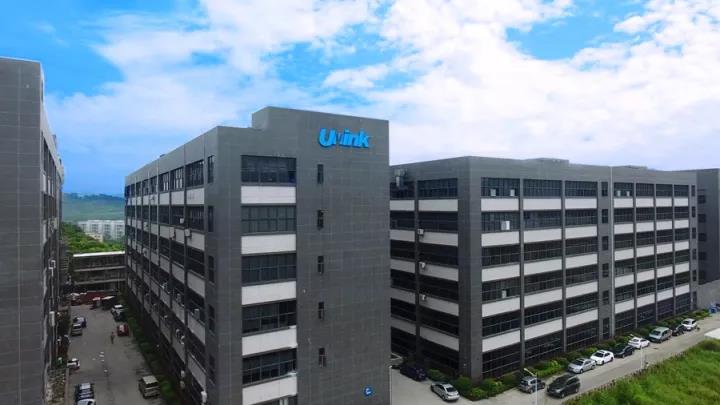
Uvink Tech. Co., Limited has specialized in R&D and the sales of digital ink-jet products, such as Eco/Solvent ink, UV Curable Ink, Sublimation Ink, DTG Pigment Ink, DTF pigment ink, Eco-solvent ink for leather, Ink for Character marking on PCB, Carton ink and Dye ink etc. since 2003. With 18 years experiences in digital ink-jet printing field, the technician team of Uvink company masters the latest US and Japan technology to research the innovative ink formulas and mature production skills. Our production lines are equipped with the top R&D team, imported machines and advanced analysis instruments, which produce ink at dust-free workshop in constant temperature and humidity environment. The automatic refilling and packing process ensure the product keep consistent quality. Monthly production capacity can reach more than 3000 tons.We also offer customized Ink OEM and ODM services.The 30,000 square meter’s new modern ink industrial park will be put into operation soon.With the concept of "Environmental Protection is the Future", ink-jet printing products of Uvink company have passed Swiss SGS company's ROHS, REACH environmental certifications. Its environmentally friendly formula not only increases the life of the nozzles, but also reduces the wastes of the resources. It can be said that it is a perfect balance between commodities and environmental protection.
 Sublimation Ink Buying Guide for sublimation printer ink | UVINK
  DTF ink Selection Guide for dtg dtf printer | UVINK
  UV DTF Ink: What Is UV DTF for Digital Printing?
  Economic DTF Ink for DTF Printer Procolored – No‑Clog, Cost‑Effective Industrial Printing Solution
  Economic‑Grade DTF Ink – Complete Industrial Guide: How To Make DTF Transfers With Inkjet Printer
  Industrial‑Grade UV DTF Ink – Complete Buying Guide for UV DTF Stickers for Tumblers Production
 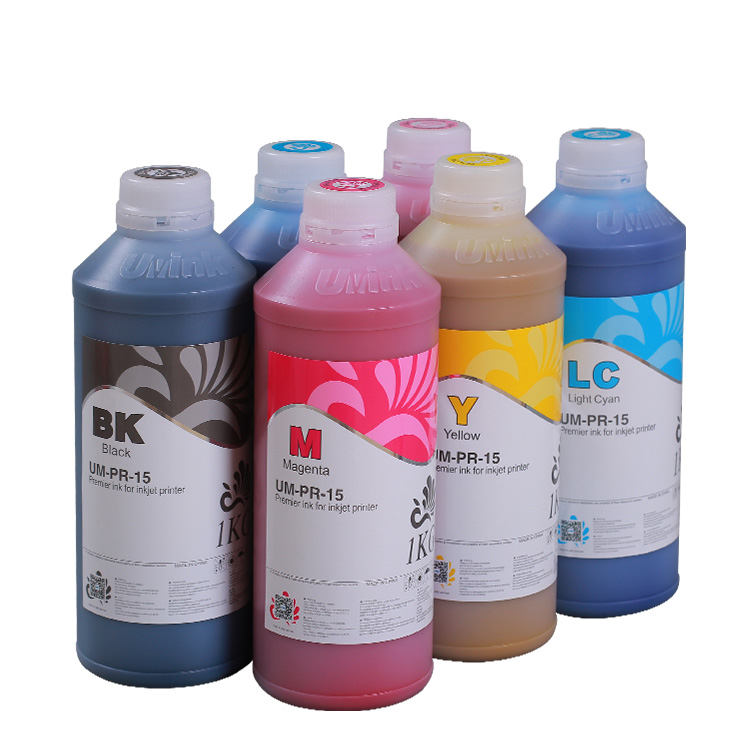 UVINK Eco Solvent Ink – Complete Industrial Buying Guide for Car Wrap Advertising Projects
 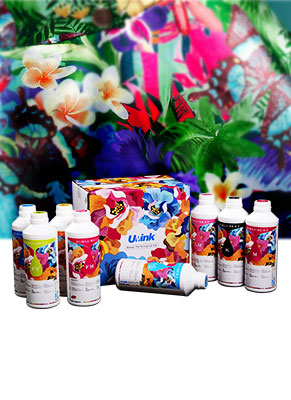 Fluorescent Sublimation Ink & Sublimation Printer Ink – Full Industrial UVINK Buyer Guide
  UVINK Economic DTF Ink – Complete Industrial Guide for DTF Printing Ink Users
 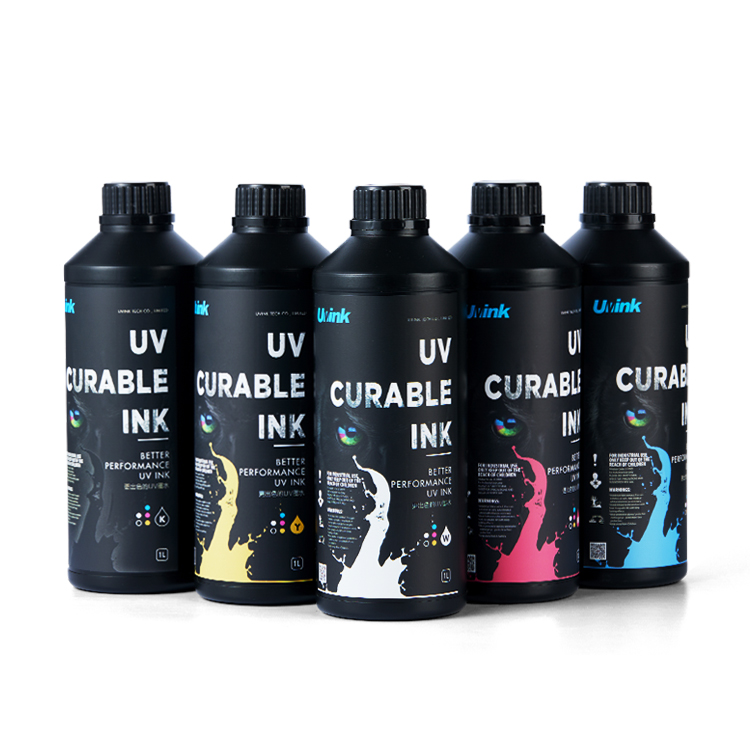 Professional‑Grade UV DTF Ink for High‑Quality UV DTF Prints – UVINK Complete Industrial Buying Guide
 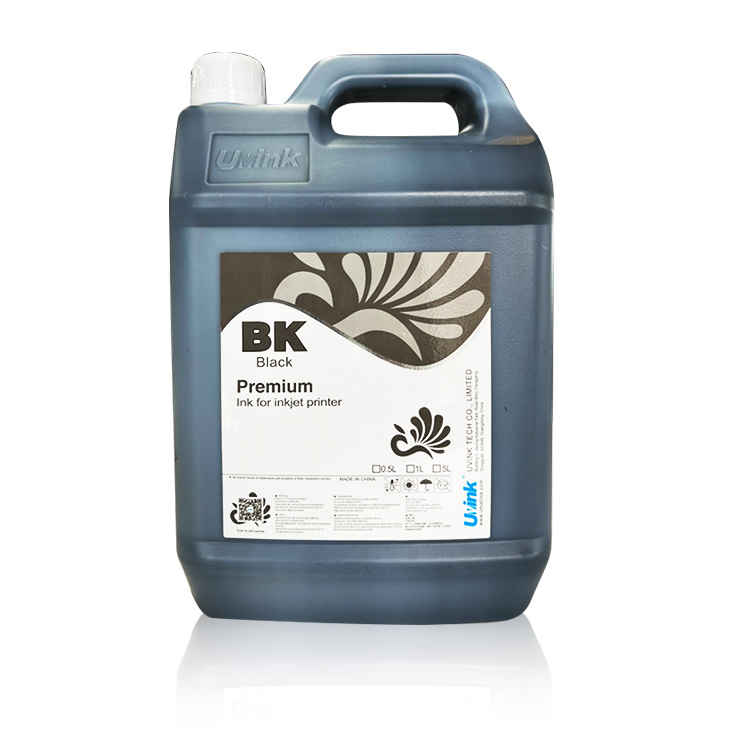 Mild Solvent Ink & Outdoor Advertising Printing – Professional Industrial Guide by UVINK
  Sublimation Ink & Epson Sublimation Ink – Full Industrial Buyer Guide by UVINK
  UVINK UV DTF Ink & What Are UV DTF Stickers – Complete Industrial Guide
 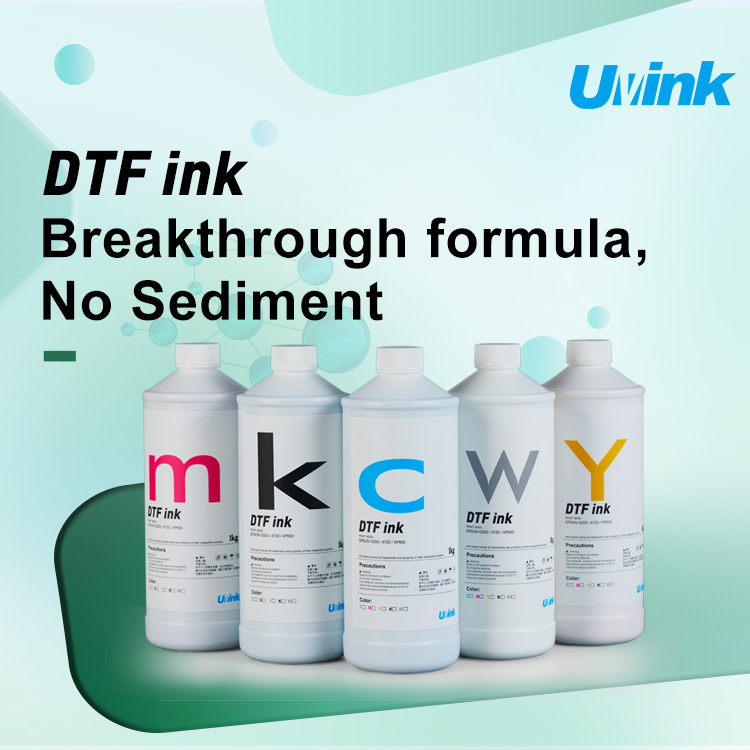 UVINK Economic DTF ink: Complete Buyer Guide for dtf for shirts Printing
  Sublimation Ink & Printer Color Ink: Industrial B2B Technical Guide
  UV DTF Ink & How to Make UV DTF Stickers: Industrial Production Guide
  Solvent Ink for Wide Format Ink Jet Printer: Industrial Technical Guide
 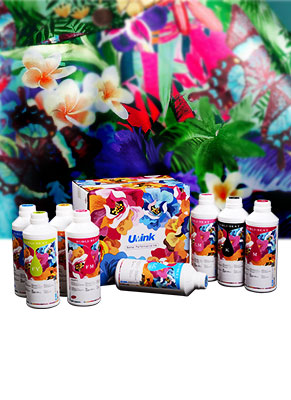 Sublimation Ink: Professional Technical Guide for Epson Printers
  Eco-solvent Ink: Professional Industrial Guide for Epson Pro Printers
  DTF Ink: Professional Industrial Guide for Procolored DTF Printer L1800