
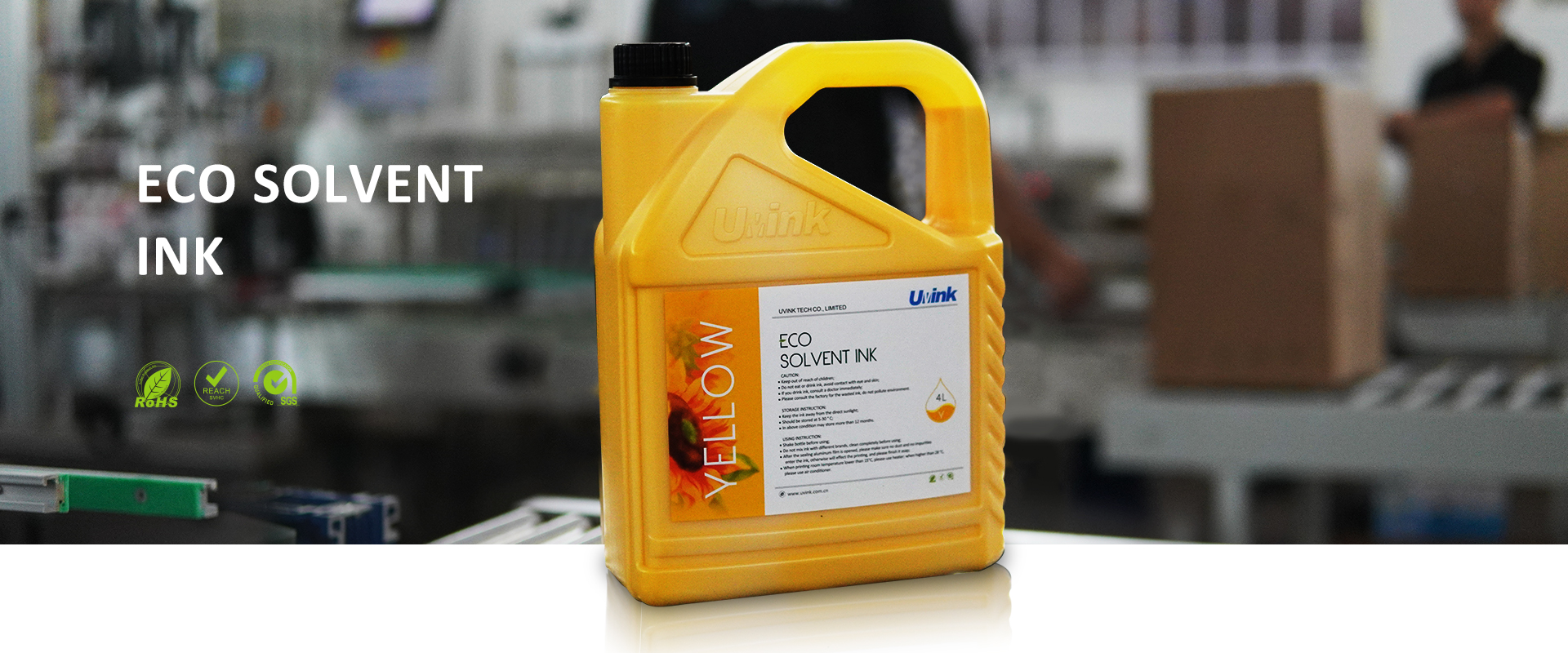
Cracking the Code: Solving UV Ink Drying Incomplete Issues
author: UVINK
2025-11-03

Cracking the Code: Solving UV Ink Drying Incomplete Issues
Table of Contents
-
Introduction to UV Ink Drying Incomplete Issue
-
Causes of UV Ink Drying Incompletely
-
Solutions to UV Ink Drying Incomplete Problem
-
Expert Opinions on UV Ink Drying
-
The Association with Sublimation Ink Clogging Issues
-
General UV Ink Parameter Table
-
Frequently Asked Questions
Introduction
Understanding the UV Ink Drying Incomplete Problem
In the printing and digital imaging industry, the issue of UV ink drying incomplete is far from rare. It's a prevalent challenge that many professionals face on a regular basis. As UV ink has become increasingly popular due to its fast - curing properties, high - quality output, and relatively low environmental impact compared to traditional inks, the consequences of incomplete drying have become more significant.
When UV ink doesn't dry completely, it can lead to a host of problems. For example, in printed products, smudging may occur, which ruins the visual appearance. The adhesion of the ink to the substrate can be compromised, causing the ink to flake off over time. In industrial production, this can mean wasted materials, increased production time, and higher costs. In some cases, products with incompletely dried UV ink may not meet quality standards, leading to customer dissatisfaction and potential returns. Thus, understanding and solving the UV ink drying incomplete problem is crucial for the smooth operation and profitability of any business involved in printing or related fields.

Body
What is UV Ink?
UV ink, short for ultraviolet - curable ink, is a type of ink that cures (dries) when exposed to ultraviolet light. The basic working principle is based on a photochemical reaction. UV inks contain photo - initiators. When these photo - initiators are exposed to UV light within a specific wavelength range, they break down into free radicals. These free radicals then initiate a polymerization process, where the monomers in the ink quickly bond together to form a solid polymer network, resulting in the ink drying almost instantaneously.
Compared to other types of inks, such as solvent - based inks and water - based inks, UV inks have distinct characteristics. Solvent - based inks dry through the evaporation of solvents, which can release volatile organic compounds (VOCs) into the atmosphere, causing environmental pollution. Water - based inks dry by water evaporation, and this process is relatively slow and may be affected by humidity. In contrast, UV inks offer several advantages. They dry very quickly, which significantly improves production efficiency in printing processes. They also have excellent color saturation and image sharpness, making them suitable for high - quality printing jobs. Additionally, since UV inks do not rely on solvent evaporation, they are more environmentally friendly as they emit fewer VOCs.
Common Parameters of General UV Ink
Here is a parameter table for general UV ink:
|
Parameter
|
Description
|
Impact on Ink Performance
|
|
Viscosity
|
Measured in centipoise (cP), it represents the thickness or resistance to flow of the ink. For UV ink, a typical viscosity range might be 100 - 5000 cP depending on the application.
|
A proper viscosity ensures smooth ink flow during printing. If the viscosity is too high, the ink may not flow evenly through the printing nozzles, leading to inconsistent printing quality or clogging. If it's too low, the ink may spread too much on the substrate, causing blurry images.
|
|
Cure Speed
|
Usually measured in meters per minute (m/min) under a specific UV light source. It indicates how fast the ink can be cured. A common range could be 5 - 50 m/min.
|
A faster cure speed allows for higher - speed printing operations, increasing productivity. However, if the cure speed is too fast, it may cause stress in the cured ink layer, leading to cracking or poor adhesion in some cases.
|
|
Pigment Content
|
Expressed as a percentage, it shows the amount of pigment in the ink. For example, it could range from 10% - 30%.
|
Higher pigment content generally results in more vivid colors and better opacity. But too high a pigment content can also increase the viscosity of the ink and may affect its flow and curing properties.
|
|
Hardness of Cured Film
|
Measured on a scale like Shore D hardness. It represents the hardness of the ink film after curing. Values might range from 50 - 80 Shore D.
|
A harder cured film is more scratch - resistant, which is important for applications where the printed surface may be rubbed or touched. However, if the film is too hard, it may become brittle and prone to cracking.
|
|
Adhesion to Substrate
|
Rated as excellent, good, fair, or poor. It indicates how well the cured ink adheres to the substrate.
|
Strong adhesion ensures that the printed image stays on the substrate over time. Poor adhesion can lead to the ink peeling off, ruining the printed product.
|
Reasons for Incomplete Drying of UV Ink
Inadequate UV Light Exposure
One of the primary reasons for incomplete drying of UV ink is inadequate UV light exposure. UV lamps are a crucial component in the curing process. Over time, UV lamps can age. As they age, their output of UV light gradually decreases. A weakened UV lamp may not emit enough UV light to initiate and complete the polymerization process in the ink.
Another factor is the power of the UV lamp. If the lamp has insufficient power, it won't be able to provide the necessary energy for the ink to cure properly. For instance, in some budget - friendly printing setups, the UV lamps may not be of high - enough wattage to handle the volume and type of printing jobs, resulting in incomplete drying.
The exposure time also plays a vital role. If the printed material passes through the UV curing area too quickly, the ink won't have enough time to absorb sufficient UV light for full curing. This could be due to incorrect speed settings on the printing press or conveyor belt that moves the printed items through the curing station.

Ink - Substrate Compatibility Issues
Ink - substrate compatibility is another significant factor. Different substrates have unique surface properties. Some substrates may have special coatings. For example, certain plastics are coated with a layer to enhance their appearance or durability. These coatings can interfere with the ink's ability to adhere and cure. If the ink cannot properly wet the surface of the substrate due to the coating, the contact between the ink and the substrate is compromised. This can prevent the UV light from effectively penetrating the ink layer and initiating the curing reaction.
Moreover, the chemical composition of the substrate can also affect the drying process. Some materials may have chemical properties that react unfavorably with the components in the UV ink. For example, certain types of rubber substrates may contain additives that can inhibit the polymerization process of the UV ink, leading to incomplete drying.
High Humidity Environment
A high humidity environment can have a detrimental effect on the drying of UV ink. In a humid environment, there is a significant amount of water vapor in the air. When the UV ink is exposed to this high - humidity air, the water molecules can interact with the components in the ink. Water can act as a barrier, preventing the photo - initiators in the ink from efficiently absorbing UV light. It can also interfere with the polymerization reaction itself. For example, water may react with some of the monomers in the ink, altering their chemical structure and preventing them from properly bonding together to form a solid cured film. As a result, the ink may remain tacky or not dry completely.
Expert Opinions on UV Ink Drying
Dr. Emily Chen, a leading expert in the field of printing materials, points out that "The issue of UV ink drying incomplete is a complex one that often involves multiple factors working in tandem. In many cases, it's not just a single cause but a combination of equipment - related issues like UV lamp problems and environmental factors such as humidity." She also suggests that "Printing professionals should regularly conduct maintenance on their UV curing equipment, including checking the UV lamp's output and replacing it at the recommended intervals. Additionally, understanding the specific requirements of the ink - substrate combination is crucial. Ink manufacturers and substrate suppliers should provide more detailed guidelines on compatibility."
Another expert, Mr. David Lee, who has extensive experience in industrial printing, emphasizes the importance of environmental control. He states, "Humidity is often overlooked, but it can have a substantial impact on UV ink drying. Installing proper humidity - control systems in the printing area can go a long way in ensuring consistent and complete ink curing." He also recommends that printers conduct small - scale tests with new ink - substrate combinations before full - scale production to identify any potential drying issues early on.
Solutions to the UV Ink Drying Incomplete Problem
Optimize UV Curing Equipment
To address the issue of inadequate UV light exposure, it's essential to optimize UV curing equipment. First and foremost, UV lamps should be replaced regularly according to the manufacturer's recommendations. This ensures that the lamps are operating at their optimal UV output levels. Additionally, the equipment's settings should be carefully adjusted. The distance between the UV lamp and the printed material should be optimized. If the lamp is too far away, the UV light intensity reaching the ink will be too weak. On the other hand, if it's too close, it may cause overheating or uneven curing. The conveyor speed should also be calibrated accurately to ensure that the ink has sufficient exposure time to the UV light.
Select the Right Ink and Substrate
Choosing the right ink and substrate is crucial. Printers should work closely with ink and substrate suppliers. Suppliers can provide valuable information on which inks are best suited for specific substrates. They may also offer samples for testing. Conducting compatibility tests before starting a large - scale printing project can help avoid costly mistakes. For example, if a printer is planning to print on a new type of plastic substrate, testing different UV inks on small samples of the plastic can reveal which ink provides the best adhesion and drying properties.
Control the Printing Environment
Controlling the printing environment is an effective solution, especially when it comes to humidity. Installing dehumidifiers in the printing area can help maintain a low - humidity environment. This reduces the negative impact of water vapor on the UV ink drying process. Additionally, the temperature in the printing area should also be regulated. Extreme temperatures can affect the viscosity of the ink and the performance of the UV curing equipment. By creating a stable and controlled environment, printers can improve the consistency of their UV ink drying results.
Reference to Previous Blog - Cracking the Code: Solving Sublimation Ink Clogging Issues
In our previous blog "Cracking the Code: Solving Sublimation Ink Clogging Issues", we dealt with a different but related problem in the printing ink domain. While the issue of sublimation ink clogging mainly focuses on the blockage of print nozzles due to factors like ink crystallization, particle aggregation, or poor - quality inks, the UV ink drying incomplete problem is centered around the curing process.
However, there are some similarities in the problem - solving 思路. In both cases, understanding the properties of the ink is crucial. For sublimation ink, knowing its chemical composition and how it behaves under different conditions helps in preventing clogging. Similarly, for UV ink, understanding its curing mechanism and parameters is essential for ensuring proper drying. Also, in both scenarios, the printing environment plays a role. In the case of sublimation ink, temperature and humidity can affect ink viscosity and the likelihood of clogging, just as humidity impacts the drying of UV ink. By learning from the solutions proposed for sublimation ink clogging, such as proper ink storage and regular printer maintenance, we can also apply some of the same principles to the UV ink drying problem, like maintaining a clean and well - controlled printing environment.
Conclusion
In conclusion, the problem of UV ink drying incomplete is a complex but solvable issue in the printing and digital imaging industry. We have explored the key causes, including inadequate UV light exposure, ink - substrate compatibility problems, and high humidity environments. These factors can lead to various issues such as smudging, poor adhesion, and product quality degradation.
The solutions we've discussed, such as optimizing UV curing equipment, selecting the right ink - substrate combination, and controlling the printing environment, are practical and effective. Regular maintenance of UV lamps, proper calibration of equipment settings, and collaboration with suppliers for ink - substrate compatibility testing are all crucial steps. Additionally, controlling humidity and temperature in the printing area can significantly improve the UV ink drying process.
Expert opinions have emphasized the importance of a comprehensive approach, combining equipment maintenance, environmental control, and material understanding. By learning from related issues like sublimation ink clogging, we can further enhance our strategies for dealing with UV ink problems.
The ability to solve the UV ink drying incomplete problem has a positive impact on the industry. It can improve production efficiency, reduce material waste, enhance product quality, and ultimately increase customer satisfaction. We encourage readers to apply the methods and knowledge shared in this article in their actual production processes. By doing so, they can overcome the challenges of UV ink drying and achieve better results in their printing operations. If you have any further questions or experiences related to UV ink drying, feel free to share them in the comments section or reach out to us for more in - depth discussions.
Industry FAQs about UV Ink Drying
Q1: Can the type of UV lamp affect ink drying speed significantly?
Yes, the type of UV lamp can have a significant impact on the ink drying speed. Different types of UV lamps have distinct characteristics. For example, traditional mercury - vapor UV lamps are known for their high - power output and broad - spectrum UV emission. They are suitable for applications where high - intensity UV light is required to cure large volumes of ink quickly, such as in industrial - scale printing. However, they also produce a significant amount of heat, which can be a drawback in some cases, especially when printing on heat - sensitive substrates.
UV LED lamps, on the other hand, are becoming increasingly popular. They have a longer lifespan, consume less power, and produce less heat. Their emission wavelength is more precisely controlled, which can be beneficial for inks that are sensitive to specific UV wavelengths. For inks that are designed to respond best to a particular wavelength range, using a UV LED lamp with the corresponding wavelength can enhance the drying speed and quality. For instance, some UV inks are formulated to be most reactive to UV light around 365 - 395 nm, and UV LED lamps can be chosen to emit light within this optimal range.
Q2: How can I quickly test if my UV ink is drying properly?
There are several quick and practical methods to test if UV ink is drying properly. One simple way is the finger - rub test. Gently rub the printed area with your finger. If the ink smudges or leaves a residue on your finger, it indicates that the ink has not dried completely.
Another effective method is the tape - adhesion test. Apply a piece of clear adhesive tape firmly to the printed surface and then quickly peel it off. If the ink is pulled off along with the tape, it means the ink's adhesion to the substrate is poor, which may be due to incomplete drying.
You can also use a hardness tester (if available). A fully dried UV ink film will have a certain level of hardness. If the measured hardness is much lower than the expected value for the cured ink, it suggests that the drying process is incomplete.
Q3: Are there any additives that can improve UV ink drying?
Yes, there are additives that can improve UV ink drying. Photo - initiators are a crucial type of additive in UV ink. Different photo - initiators have different sensitivities to UV light wavelengths. By choosing the right photo - initiator or a combination of photo - initiators, the efficiency of the UV - curing reaction can be enhanced, thereby improving the drying speed of the ink.
Some accelerators can also be added to the UV ink. These accelerators work by promoting the polymerization reaction that occurs during the curing process. They can reduce the amount of UV light energy required for complete curing or speed up the reaction rate under the same UV light exposure.
However, when using these additives, it's important to note that their dosage needs to be carefully controlled. An excessive amount of additives can sometimes have negative effects. For example, too much photo - initiator may lead to over - curing, which can cause brittleness in the cured ink film, reducing its flexibility and potentially leading to cracking. Similarly, an improper amount of accelerator may disrupt the chemical balance of the ink, affecting other properties such as color stability and adhesion.
 Sublimation Ink Buying Guide for sublimation printer ink | UVINK
  DTF ink Selection Guide for dtg dtf printer | UVINK
  UV DTF Ink: What Is UV DTF for Digital Printing?
  Economic DTF Ink for DTF Printer Procolored – No‑Clog, Cost‑Effective Industrial Printing Solution
  Economic‑Grade DTF Ink – Complete Industrial Guide: How To Make DTF Transfers With Inkjet Printer
  Industrial‑Grade UV DTF Ink – Complete Buying Guide for UV DTF Stickers for Tumblers Production
 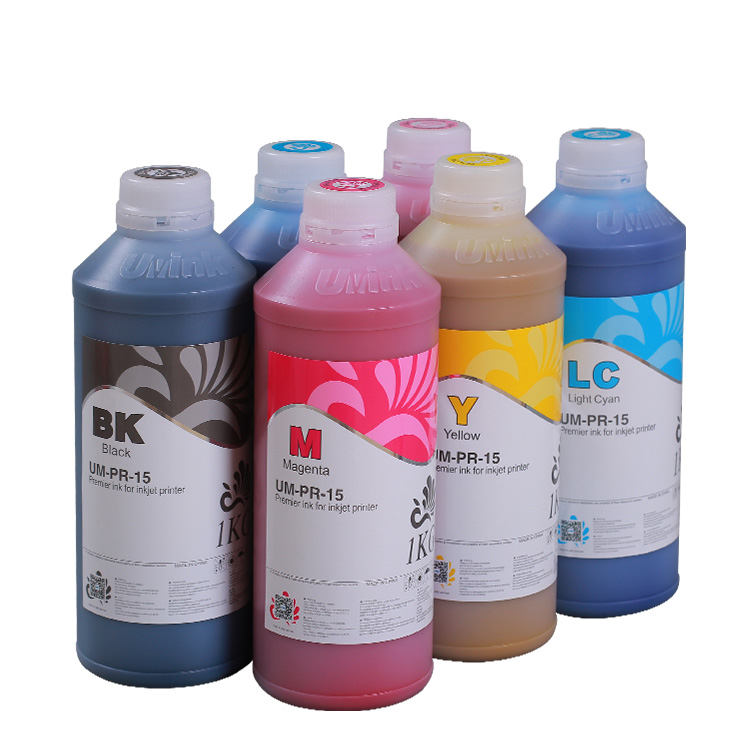 UVINK Eco Solvent Ink – Complete Industrial Buying Guide for Car Wrap Advertising Projects
  Fluorescent Sublimation Ink & Sublimation Printer Ink – Full Industrial UVINK Buyer Guide
  UVINK Economic DTF Ink – Complete Industrial Guide for DTF Printing Ink Users
 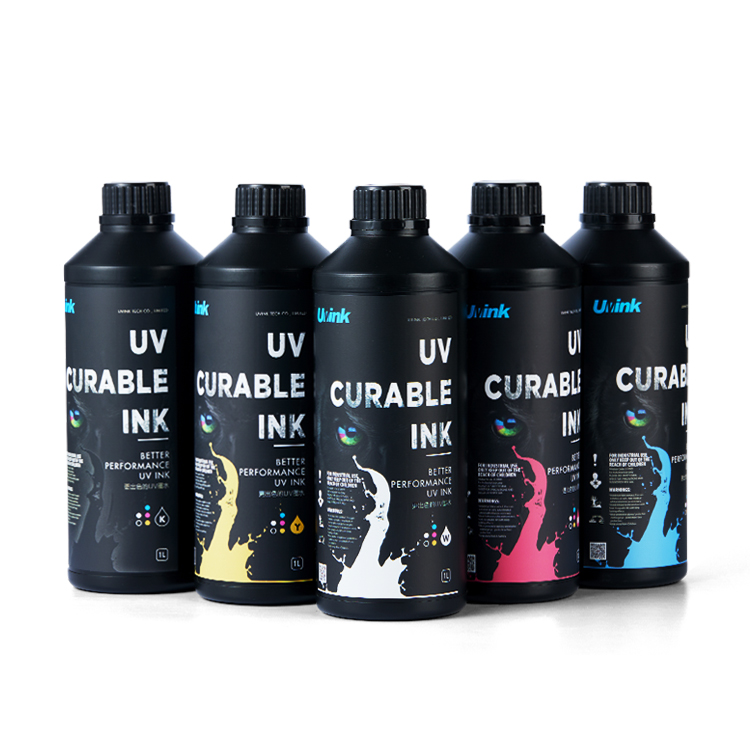 Professional‑Grade UV DTF Ink for High‑Quality UV DTF Prints – UVINK Complete Industrial Buying Guide
  Mild Solvent Ink & Outdoor Advertising Printing – Professional Industrial Guide by UVINK
  Sublimation Ink & Epson Sublimation Ink – Full Industrial Buyer Guide by UVINK
  UVINK UV DTF Ink & What Are UV DTF Stickers – Complete Industrial Guide
  UVINK Economic DTF ink: Complete Buyer Guide for dtf for shirts Printing
  Sublimation Ink & Printer Color Ink: Industrial B2B Technical Guide
  UV DTF Ink & How to Make UV DTF Stickers: Industrial Production Guide
  Solvent Ink for Wide Format Ink Jet Printer: Industrial Technical Guide
  Sublimation Ink: Professional Technical Guide for Epson Printers
  Eco-solvent Ink: Professional Industrial Guide for Epson Pro Printers
  DTF Ink: Professional Industrial Guide for Procolored DTF Printer L1800