
Reasons for the Pungent Smell of UV Ink During Printing and Solutions
author: UVINK
2025-11-11

Reasons for the Pungent Smell of UV Ink During Printing and Solutions
Table of Contents
-
Introduction: The Pungent Smell Dilemma of UV Ink
-
Understanding UV Ink: Core Characteristics & Working Mechanism
-
UV Ink vs. Eco Solvent Ink: A Comparative Overview
-
Root Causes of UV Ink's Pungent Smell
-
Practical Solutions to Eliminate or Mitigate the Smell
-
Expert Perspectives on UV Ink Odor Control
-
UV Ink Specification Sheet & Comparative Data
-
Frequently Asked Questions (FAQ)
1. Introduction: The Pungent Smell Dilemma of UV Ink
In the modern printing industry, UV ink stands out as a high-performance solution, renowned for its instant curing, exceptional print durability, and versatility across substrates. Yet, one critical challenge continues to frustrate printers and compromise workplace comfort: the pungent smell emitted during UV ink printing. This odor not only creates an unpleasant working environment but also raises health concerns for operators exposed over time. For businesses striving to balance print quality with employee well-being and regulatory compliance, addressing UV ink's pungent smell is non-negotiable. In this blog, we’ll dissect the underlying causes of this issue, present actionable solutions, and compare UV ink with eco solvent ink to offer a holistic view—including a reference to our earlier guide Cracking the Code: Solving the Eco Solvent Ink Clogging Issue for deeper insights into alternative inks.
2. Understanding UV Ink: Core Characteristics & Working Mechanism
2.1 What is UV Ink?
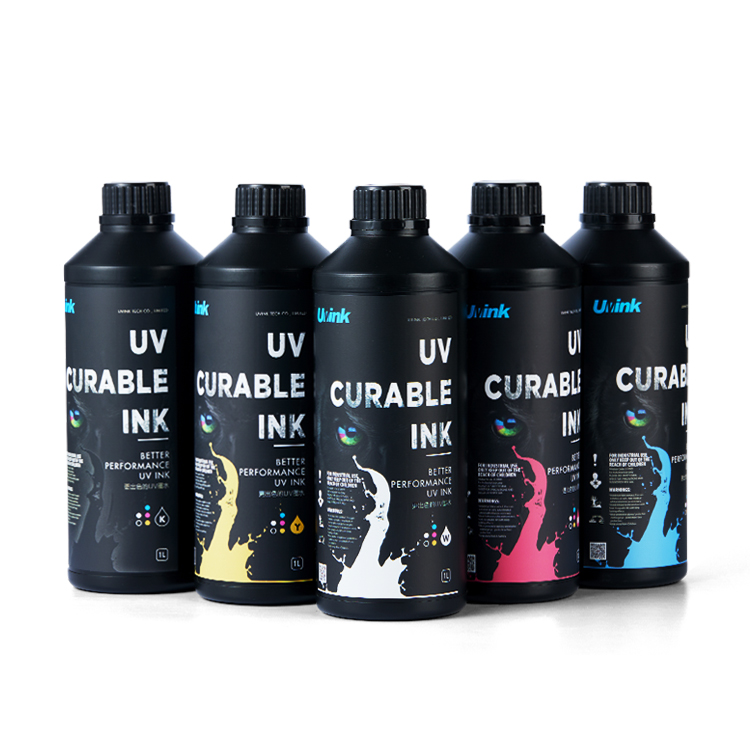
UV ink (ultraviolet-curable ink) is a specialized ink formulation that solidifies—known as "curing"—when exposed to ultraviolet (UV) radiation. Unlike traditional solvent-based inks that dry via solvent evaporation or water-based inks that dry through absorption, UV ink relies on a chemical reaction: photoinitiators in the ink absorb UV light, triggering polymerization that converts liquid ink into a solid, durable film in seconds.
2.2 Key Advantages of UV Ink
-
Instant Curing: Cures in 1–3 seconds under UV lamps, drastically boosting production efficiency and enabling immediate post-print processing.
-
Superior Durability: The cured film resists scratches, water, UV radiation, and chemical damage, making it ideal for outdoor signage, industrial parts, and high-wear products.
-
Substrate Versatility: Adheres to porous and non-porous materials alike, including metal, glass, plastic, wood, and stone—expanding printing possibilities.
-
Low Waste: Minimal ink waste due to no evaporation during storage, and compatibility with high-precision printing technologies.
2.3 Critical Drawbacks to Address
-
Pungent Smell: The most pressing issue for many printers, caused by volatile components during curing.
-
Higher Equipment Costs: Requires specialized UV curing systems (lamps, power supplies) and compatible printers, increasing initial investment.
-
Storage Sensitivity: Must be stored in cool, dark conditions to prevent premature curing from ambient light.

3. UV Ink vs. Eco Solvent Ink: A Comparative Overview
To contextualize UV ink’s odor issue, it’s essential to compare it with eco solvent ink—a popular low-toxicity alternative. While eco solvent ink addresses some odor concerns, it has its own limitations. For a deep dive into one of eco solvent ink’s primary challenges, refer to our previous blog Cracking the Code: Solving the Eco Solvent Ink Clogging Issue, which explores how to tackle nozzle clogging—a problem far less common with UV ink.
3.1 Basics of Eco Solvent Ink
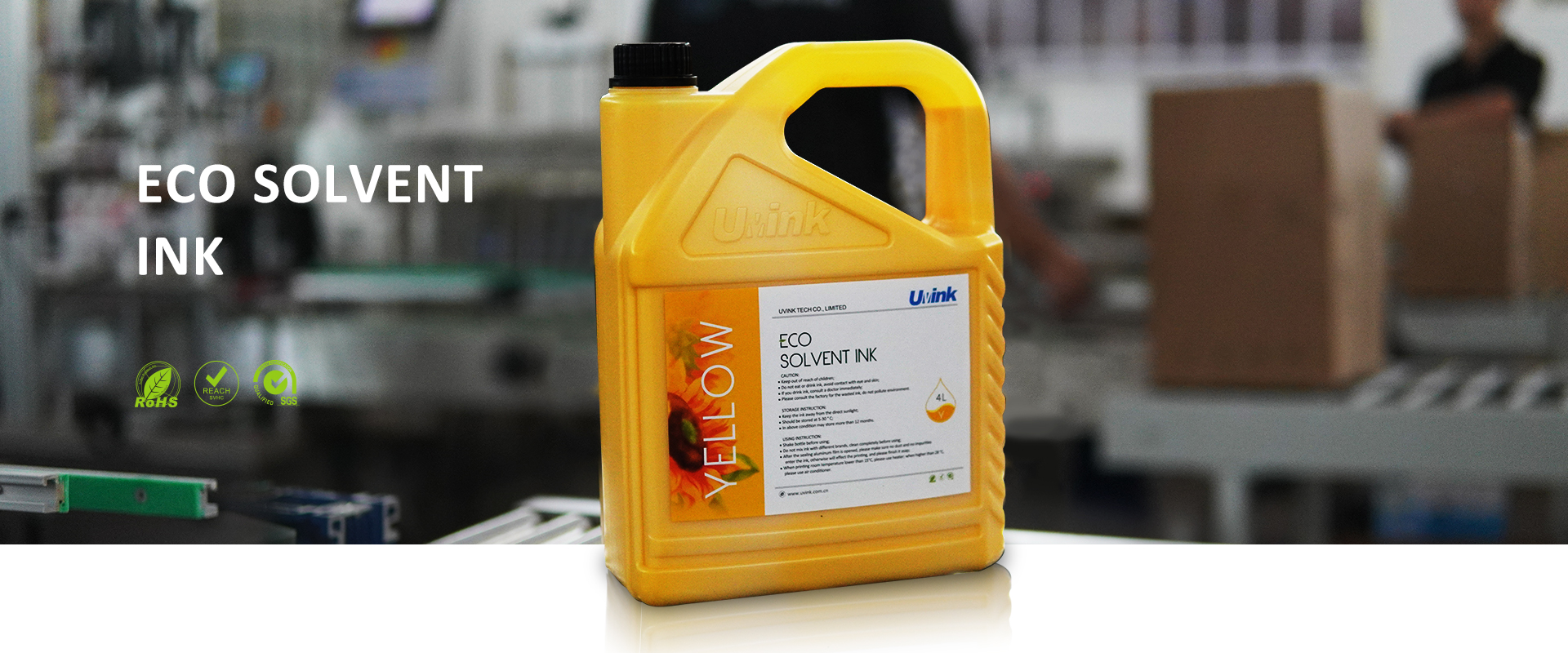
Eco solvent ink is a modified solvent-based ink using low-volatility, low-toxicity solvents. It dries by solvent evaporation and slight absorption into the substrate, making it a staple for large-format printing (banners, vehicle wraps, and indoor posters).
3.2 Head-to-Head: Advantages & Disadvantages
|
Criteria
|
UV Ink
|
Eco Solvent Ink
|
|---|---|---|
|
Pungent Smell
|
Strong during curing (volatile monomers/photoinitiators)
|
Mild, faint odor during printing; dissipates post-drying
|
|
Curing/Drying Speed
|
Instant (1–3 seconds)
|
Slow (15–60 minutes; dependent on temperature/humidity)
|
|
Durability
|
Excellent (5–8 years outdoor; scratch/water-resistant)
|
Good (3–5 years outdoor; less scratch-resistant)
|
|
Substrate Compatibility
|
Wide (porous + non-porous: metal, glass, plastic)
|
Limited (mostly porous: vinyl, canvas, paper)
|
|
Equipment Cost
|
High (UV curing system required: $15k–$50k)
|
Low (standard solvent printers: $5k–$20k)
|
|
Clogging Risk
|
Low (no solvent evaporation during storage)
|
High (solvent evaporation causes nozzle clogs) – see Cracking the Code: Solving the Eco Solvent Ink Clogging Issue
|
4. Root Causes of UV Ink's Pungent Smell
4.1 Volatilization of Unreacted Monomers & Oligomers
The primary source of UV ink’s pungent smell is the volatilization of unreacted monomers. Monomers act as reactive diluents, reducing ink viscosity to ensure smooth printing. However, if curing is incomplete, a significant portion of these small-molecule monomers remains unpolymerized and evaporates into the air, producing a sharp, chemical odor. Oligomers (larger pre-polymer molecules) can also contribute if they contain low-molecular-weight fractions that volatilize.
4.2 Incomplete Curing
Incomplete curing is the #1 trigger for intensified odor. Common causes include: aging UV lamps (losing 30%+ intensity after 800–1000 hours of use), excessive printing speed (insufficient UV exposure time), or improper lamp-substrate distance (too far reduces light intensity). When curing is incomplete, more unreacted chemicals remain, amplifying the smell.
4.3 Low-Quality Ink Formulations
Inferior UV inks cut costs by using low-reactivity monomers and high-volatility photoinitiators. These raw materials not only react poorly (leaving more residuals) but also volatilize more easily, creating a stronger odor. Cheap photoinitiators, in particular, often emit a harsh smell during UV exposure.
4.4 Poor Workshop Ventilation
Even low-odor UV inks will produce a noticeable smell in poorly ventilated spaces. Many small-to-medium printers overlook ventilation, allowing volatile organic compounds (VOCs) to accumulate instead of being exhausted outdoors. Stagnant air turns mild odors into overwhelming ones.
5. Practical Solutions to Eliminate or Mitigate the Smell
5.1 Switch to High-Quality Low-Odor UV Ink
The most effective first step is investing in low-odor or odorless UV ink. Reputable manufacturers use high-reactivity monomers (e.g., aliphatic urethane acrylates) and low-volatility photoinitiators, minimizing residuals and odor. Look for certifications like SGS or FDA, and check VOC levels (low-odor inks typically have VOC < 10 g/L).
5.2 Optimize the Curing Process
-
Maintain UV Lamps: Replace lamps every 800–1000 hours and use a UV radiometer to test intensity monthly.
-
Adjust Speed & Distance: Match printing speed to lamp capacity (slow down for thick ink layers) and keep the lamp 5–10 cm from the substrate for optimal exposure.
-
Control Temperature: Keep the workshop at 20–25°C—high temps accelerate volatilization, while low temps hinder curing.
5.3 Upgrade Workshop Ventilation
Install a targeted exhaust system above the printer and curing area to suck odor directly at the source and vent it outdoors. For small spaces, use portable high-CFM exhaust fans. Supplement with cross-ventilation (open windows/doors) to dilute residual odor.
5.4 Add Post-Treatment Technologies
For indoor printing (e.g., furniture, toys), use: activated carbon filters (trap VOCs) or photocatalytic oxidizers (break down odor molecules into water and CO₂). These systems work with ventilation to eliminate 90%+ of residual smell.
5.5 Protect Operators
Provide N95 or chemical-resistant masks, gloves, and goggles. Schedule regular air quality tests and employee health check-ups to ensure safety.
6. Expert Perspectives on UV Ink Odor Control
We spoke with Dr. Michael Chen, a UV ink formulation expert with 20 years of experience at Global Ink Technologies, to gain industry-leading insights.
"The myth that UV ink must smell strong is outdated. Today’s low-odor formulations use bio-based monomers that are both eco-friendly and low-volatile. But even the best ink fails with poor curing—many printers ignore lamp maintenance, which is a critical mistake. A 20% drop in UV intensity doubles residual odor. For indoor projects, I always recommend combining ventilation with photocatalytic treatment—this creates a closed-loop system that eliminates both odor and health risks. And while eco solvent ink has milder odor, it can’t match UV’s durability—so solving UV’s smell is better than switching."— Dr. Michael Chen, Senior Formulation Scientist at Global Ink Technologies
The Printing Industries of America (PIA) adds: "Establish a maintenance schedule—test ink quality monthly, calibrate UV systems quarterly, and inspect ventilation bi-annually. Proactive care cuts odor issues by 70%."

7. UV Ink Specification Sheet & Comparative Data
7.1 Standard vs. Low-Odor UV Ink Specifications
|
Parameter
|
Standard UV Ink
|
Low-Odor UV Ink
|
|---|---|---|
|
Color Range
|
CMYK + White + Varnish
|
CMYK + White + Varnish
|
|
Viscosity (25°C)
|
180–280 mPa·s
|
200–300 mPa·s
|
|
Curing Speed (365nm UV)
|
2–4 seconds
|
1–2 seconds
|
|
VOC Content
|
< 50 g/L
|
< 10 g/L
|
|
Adhesion (Cross-Cut Test)
|
Grade 1
|
Grade 0 (superior)
|
|
Odor Level (1–10 Scale)
|
7–9 (strong)
|
2–3 (mild)
|
7.2 UV Ink vs. Eco Solvent Ink: Performance Metrics
|
Metric
|
Eco Solvent Ink
|
|
|---|---|---|
|
Odor (Printing Stage)
|
Mild
|
Very Mild
|
|
Outdoor Lifespan
|
5–8 years
|
3–5 years
|
|
Substrate Range
|
Porous + Non-Porous
|
Porous Only
|
|
Drying Time
|
1–2 seconds
|
15–60 minutes
|
|
Clogging Risk
|
Low
|
High (see Cracking the Code: Solving the Eco Solvent Ink Clogging Issue)
|
8. Frequently Asked Questions (FAQ)
Q1: Is UV ink’s pungent smell toxic?
A1: Short-term exposure to mild odor may cause minor eye/respiratory irritation. Prolonged exposure to high VOC levels can lead to chronic issues (e.g., headaches, skin rashes). Always use low-odor inks and ventilation to reduce risk.
Q2: Can I make standard UV ink less smelly?
A2: Partially—optimize curing (reduce residuals) and upgrade ventilation. But standard inks use high-volatility components, so the smell can’t be fully eliminated. Switching to low-odor ink is the only permanent fix.
Q3: Is eco solvent ink a better alternative for odor-free printing?
A3: It depends on your needs. Eco solvent ink has milder odor but slower drying, lower durability, and limited substrate compatibility. If you print on non-porous materials (e.g., metal) or need high-speed production, UV ink (with odor solutions) is better. For porous substrates (e.g., vinyl), eco solvent ink works—but be mindful of clogging (see Cracking the Code: Solving the Eco Solvent Ink Clogging Issue).
Q4: How often should I replace UV lamps to control odor?
A4: Every 800–1000 hours of use. After this period, lamp intensity drops significantly, leading to incomplete curing and stronger odor. Test intensity monthly with a UV radiometer to catch early degradation.
Q5: What’s the best way to store UV ink to prevent odor?
A5: Store in a cool (10–25°C), dark, and well-ventilated area. Seal containers tightly after use to prevent monomer volatilization. Avoid direct sunlight (causes premature curing) and keep away from heat sources. Use ink within 6–12 months of manufacture.
 Sublimation Ink Buying Guide for sublimation printer ink | UVINK
  DTF ink Selection Guide for dtg dtf printer | UVINK
  UV DTF Ink: What Is UV DTF for Digital Printing?
  Economic DTF Ink for DTF Printer Procolored – No‑Clog, Cost‑Effective Industrial Printing Solution
  Economic‑Grade DTF Ink – Complete Industrial Guide: How To Make DTF Transfers With Inkjet Printer
  Industrial‑Grade UV DTF Ink – Complete Buying Guide for UV DTF Stickers for Tumblers Production
  UVINK Eco Solvent Ink – Complete Industrial Buying Guide for Car Wrap Advertising Projects
  Fluorescent Sublimation Ink & Sublimation Printer Ink – Full Industrial UVINK Buyer Guide
  UVINK Economic DTF Ink – Complete Industrial Guide for DTF Printing Ink Users
  Professional‑Grade UV DTF Ink for High‑Quality UV DTF Prints – UVINK Complete Industrial Buying Guide
 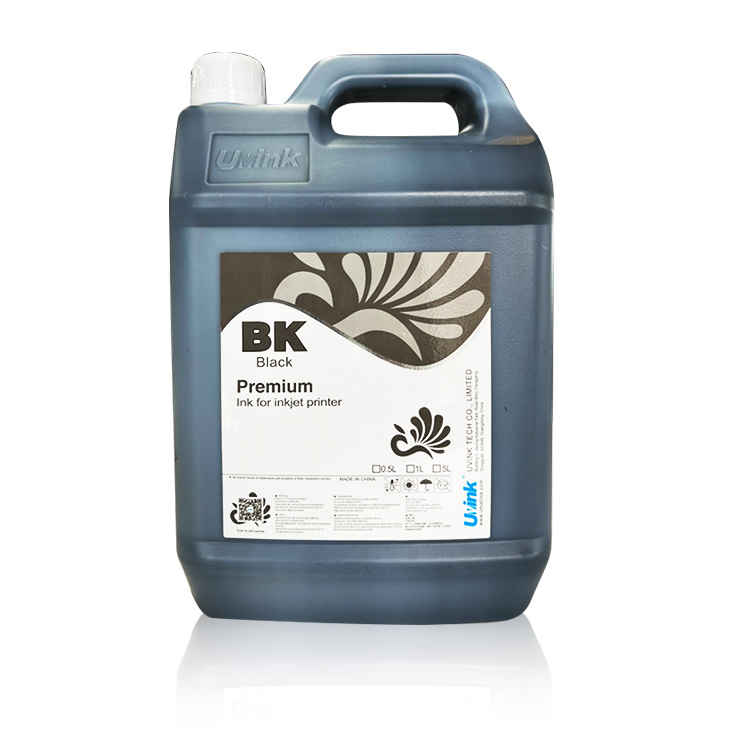 Mild Solvent Ink & Outdoor Advertising Printing – Professional Industrial Guide by UVINK
  Sublimation Ink & Epson Sublimation Ink – Full Industrial Buyer Guide by UVINK
  UVINK UV DTF Ink & What Are UV DTF Stickers – Complete Industrial Guide
 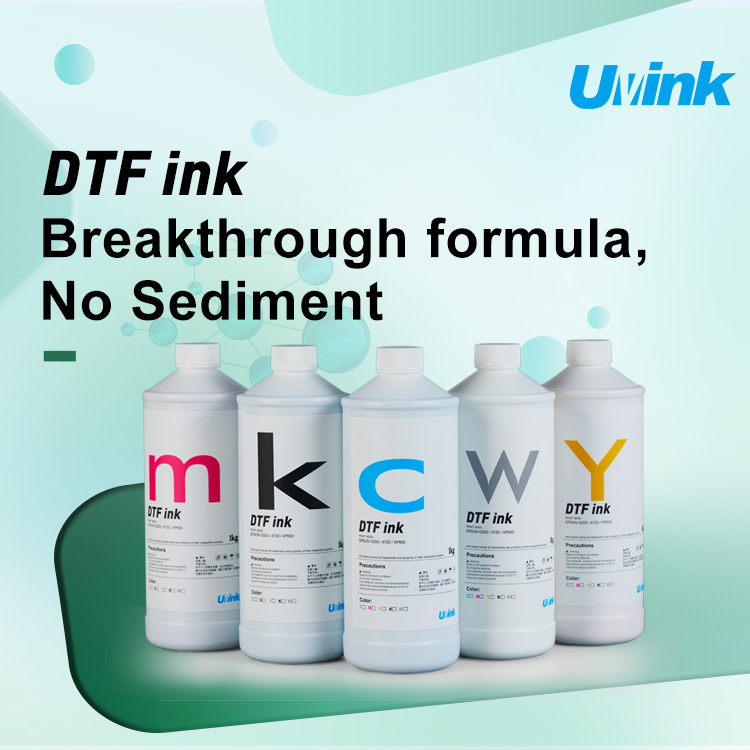 UVINK Economic DTF ink: Complete Buyer Guide for dtf for shirts Printing
  Sublimation Ink & Printer Color Ink: Industrial B2B Technical Guide
  UV DTF Ink & How to Make UV DTF Stickers: Industrial Production Guide
  Solvent Ink for Wide Format Ink Jet Printer: Industrial Technical Guide
  Sublimation Ink: Professional Technical Guide for Epson Printers
  Eco-solvent Ink: Professional Industrial Guide for Epson Pro Printers
  DTF Ink: Professional Industrial Guide for Procolored DTF Printer L1800