
What is uv ink offset printing?
author: Uvink
2022-12-22
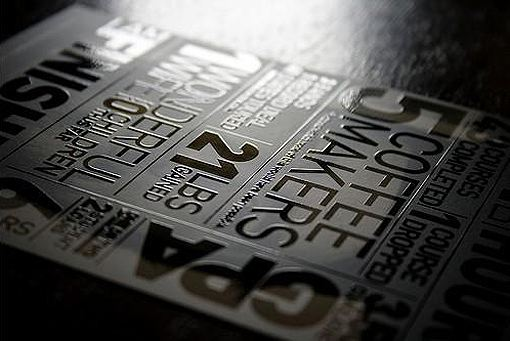
What is uv ink offset printing?Offset printing can be divided into sheet fed offset printing and web
paper rotary offset printing according to the state of the substrate. Sheet fed offset printing
is suitable for paper, cardboard, plastic sheet and metal foil printing; Rotary offset printing is
fast, suitable for large quantities of books and periodicals, newspapers, business forms and
self-adhesive printing. In offset printing using UV ink, mainly consider the following aspects:
non absorbent printing materials ink curing; Ink emulsion may hinder the adhesion of ink and
substrate; The rotary printing machine is fast, and the curing speed of the ink is required to match
the printing speed. Especially for the self-adhesive printing and the securities printing with special
ink, the UV ink printing effect is better than the resin offset printing ink.
What is uv ink offset printing?Offset printing is mostly used for fine product printing.
UV curing can reduce the loss of small dots and improve the ink transfer rate of overprint.
When selecting ink raw materials,we should comprehensively consider the influence of
each component on UV ink to ensure the best printing effect. Since the offset ink film is
generally 2-3 μ m. Although it is conducive to light curing,the ink film is thin, and the
hiding power of the pigment on the substrate will be affected to some extent,so the pigment
content in the formula should be generally increased; However, with the increase of pigment
content, the transparency of the ink film will be reduced, which is not conducive to UV curing;
Moreover, the ink film itself is thin. If the wettability of the pigment is poor, the pigment and
filler are easily exposed to the surface of the ink film, affecting the gloss of the ink film.
Therefore, the pigment with good dispersion should be selected. The following points should
also be noted when using UV offset printing.
What is uv ink offset printing?Different inks should be selected for different substrates,
and the light transmittance,curing rate, covering ability of the ink and the glossiness of
the printed surface should be comprehensively considered.In color printing, the ability of
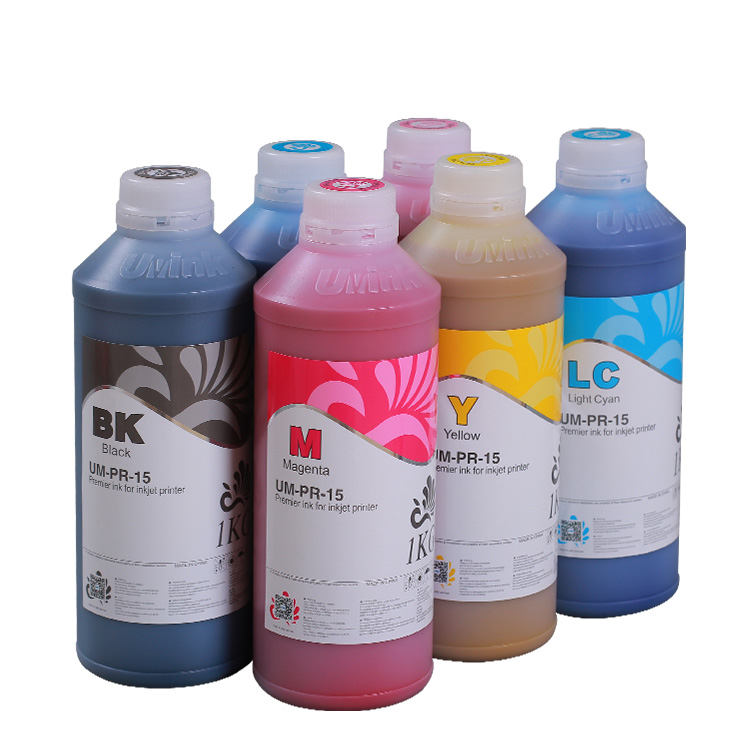
various pigments to absorb UV photons is different, and the transmissivity is M, Y, C, BK from
high to low, so the curing degree of various inks is also different. The transmissivity directly
affects the excitation energy of photons to the photoinitiator. Therefore, the printing color
sequence should be arranged as BK, C, Y, M, so that the ink with poor transmissivity can
absorb photons as much as possible to enhance its curing effect.The use of alcohol fountain
system can reduce the surface tension of the ink and promote the curing effect.In addition,
during the printing process, the fountain solution can be used to strengthen the oil repellent area
(blank part) of the printing plate, so as to ensure that the oil repellent area is full of ink and
the water repellent area is free of ink.Improving the ink formula and adding corresponding
additives can increase the hydrophobicity of the ink,but too strong hydrophobicity will lead to
image edge ink shrinkage, loss of fine layers, unclear dot boundary,etc., which will affect
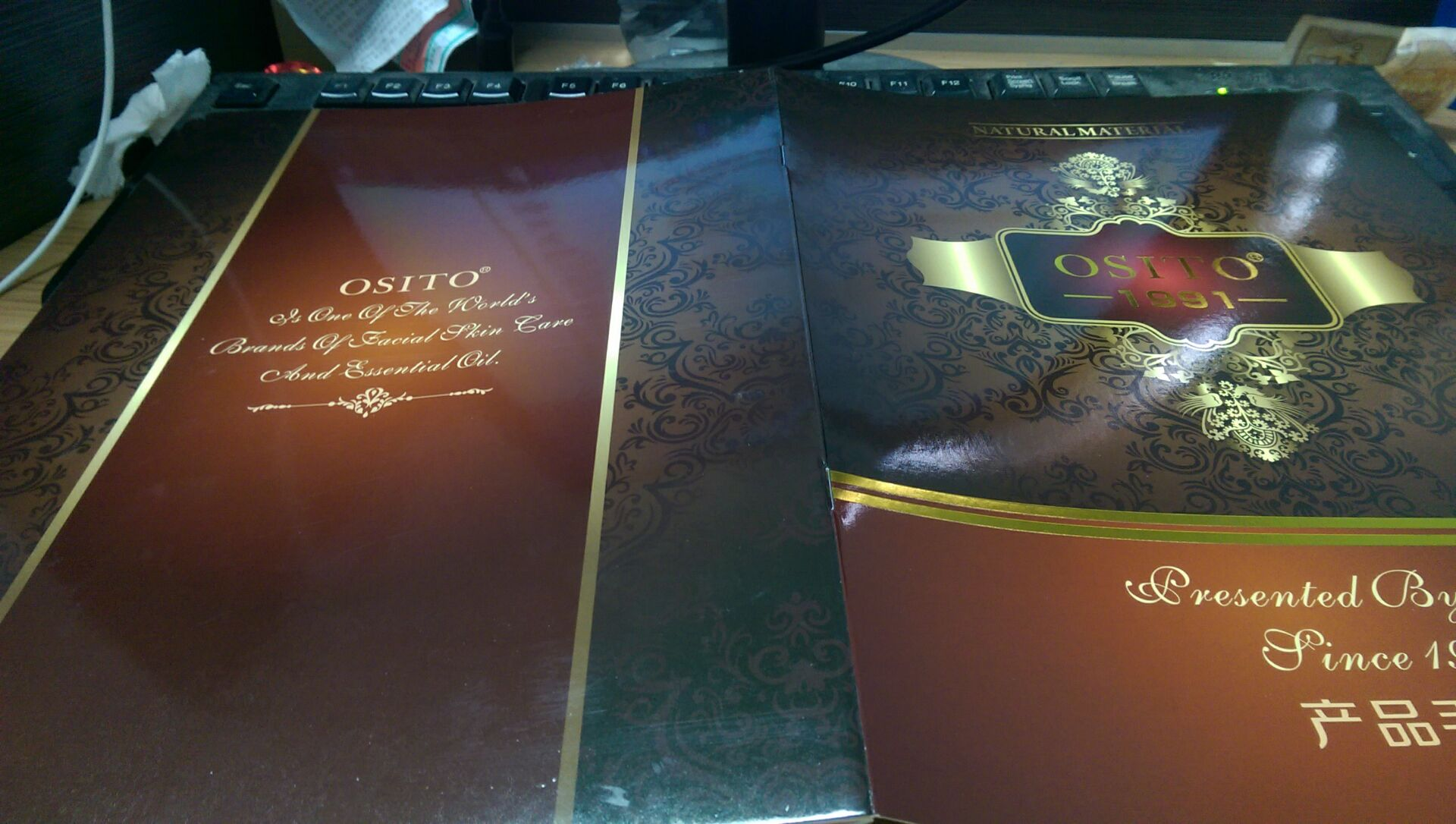
the print quality.UV printing has high requirements on the surface strength of the paper,
and the surface strength is not enough,which is easy to cause galling fault. When printing with
gold and silver paperboard, because the surface of such paper is smooth and has little affinity
for ink, it is easy to pull off the first color ink when the second color is overprinted. Therefore,
in UV printing, the paper with high surface tension should be selected, the color sequence should
be reasonably arranged, and the relevant process parameters in the printing process should be
adjusted to avoid and reduce the above phenomena.
paper rotary offset printing according to the state of the substrate. Sheet fed offset printing
is suitable for paper, cardboard, plastic sheet and metal foil printing; Rotary offset printing is
fast, suitable for large quantities of books and periodicals, newspapers, business forms and
self-adhesive printing. In offset printing using UV ink, mainly consider the following aspects:
non absorbent printing materials ink curing; Ink emulsion may hinder the adhesion of ink and
substrate; The rotary printing machine is fast, and the curing speed of the ink is required to match
the printing speed. Especially for the self-adhesive printing and the securities printing with special
ink, the UV ink printing effect is better than the resin offset printing ink.
What is uv ink offset printing?Offset printing is mostly used for fine product printing.
UV curing can reduce the loss of small dots and improve the ink transfer rate of overprint.
When selecting ink raw materials,we should comprehensively consider the influence of
each component on UV ink to ensure the best printing effect. Since the offset ink film is
generally 2-3 μ m. Although it is conducive to light curing,the ink film is thin, and the
hiding power of the pigment on the substrate will be affected to some extent,so the pigment
content in the formula should be generally increased; However, with the increase of pigment
content, the transparency of the ink film will be reduced, which is not conducive to UV curing;
Moreover, the ink film itself is thin. If the wettability of the pigment is poor, the pigment and
filler are easily exposed to the surface of the ink film, affecting the gloss of the ink film.
Therefore, the pigment with good dispersion should be selected. The following points should
also be noted when using UV offset printing.
What is uv ink offset printing?Different inks should be selected for different substrates,
and the light transmittance,curing rate, covering ability of the ink and the glossiness of
the printed surface should be comprehensively considered.In color printing, the ability of
various pigments to absorb UV photons is different, and the transmissivity is M, Y, C, BK from
high to low, so the curing degree of various inks is also different. The transmissivity directly
affects the excitation energy of photons to the photoinitiator. Therefore, the printing color
sequence should be arranged as BK, C, Y, M, so that the ink with poor transmissivity can
absorb photons as much as possible to enhance its curing effect.The use of alcohol fountain
system can reduce the surface tension of the ink and promote the curing effect.In addition,
during the printing process, the fountain solution can be used to strengthen the oil repellent area
(blank part) of the printing plate, so as to ensure that the oil repellent area is full of ink and
the water repellent area is free of ink.Improving the ink formula and adding corresponding
additives can increase the hydrophobicity of the ink,but too strong hydrophobicity will lead to
image edge ink shrinkage, loss of fine layers, unclear dot boundary,etc., which will affect
the print quality.UV printing has high requirements on the surface strength of the paper,
and the surface strength is not enough,which is easy to cause galling fault. When printing with
gold and silver paperboard, because the surface of such paper is smooth and has little affinity
for ink, it is easy to pull off the first color ink when the second color is overprinted. Therefore,
in UV printing, the paper with high surface tension should be selected, the color sequence should
be reasonably arranged, and the relevant process parameters in the printing process should be
adjusted to avoid and reduce the above phenomena.
 Sublimation Ink Buying Guide for sublimation printer ink | UVINK
  DTF ink Selection Guide for dtg dtf printer | UVINK
  UV DTF Ink: What Is UV DTF for Digital Printing?
  Economic DTF Ink for DTF Printer Procolored – No‑Clog, Cost‑Effective Industrial Printing Solution
  Economic‑Grade DTF Ink – Complete Industrial Guide: How To Make DTF Transfers With Inkjet Printer
  Industrial‑Grade UV DTF Ink – Complete Buying Guide for UV DTF Stickers for Tumblers Production
  UVINK Eco Solvent Ink – Complete Industrial Buying Guide for Car Wrap Advertising Projects
 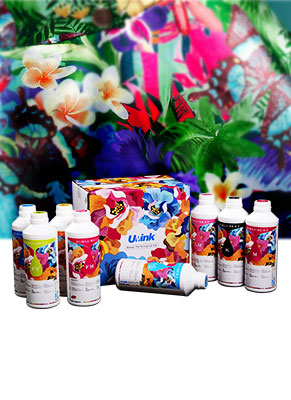 Fluorescent Sublimation Ink & Sublimation Printer Ink – Full Industrial UVINK Buyer Guide
  UVINK Economic DTF Ink – Complete Industrial Guide for DTF Printing Ink Users
 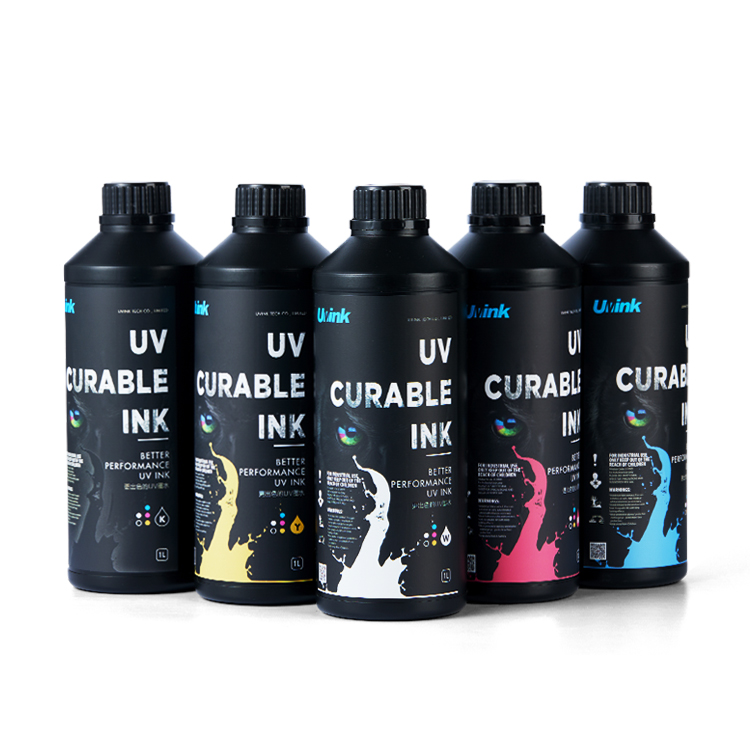 Professional‑Grade UV DTF Ink for High‑Quality UV DTF Prints – UVINK Complete Industrial Buying Guide
 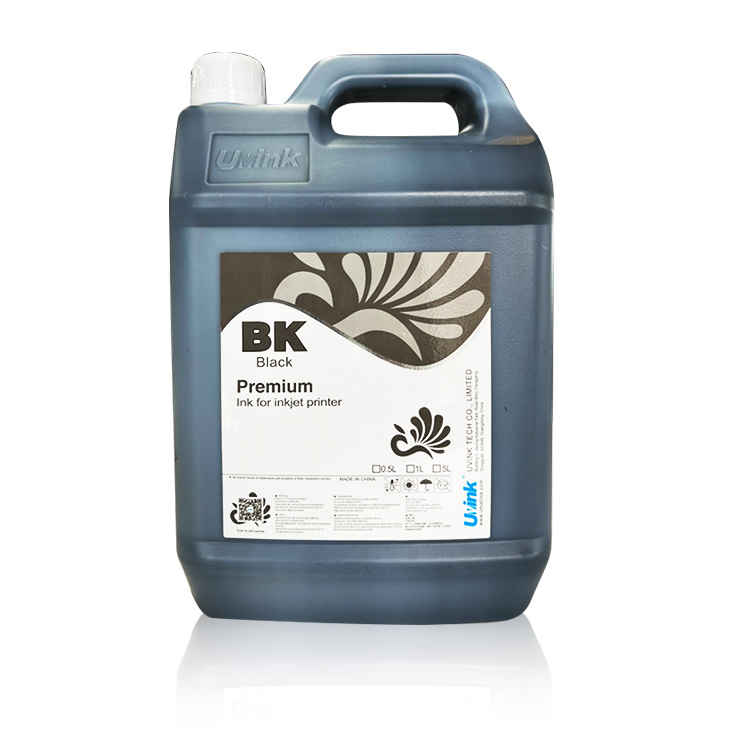 Mild Solvent Ink & Outdoor Advertising Printing – Professional Industrial Guide by UVINK
  Sublimation Ink & Epson Sublimation Ink – Full Industrial Buyer Guide by UVINK
  UVINK UV DTF Ink & What Are UV DTF Stickers – Complete Industrial Guide
 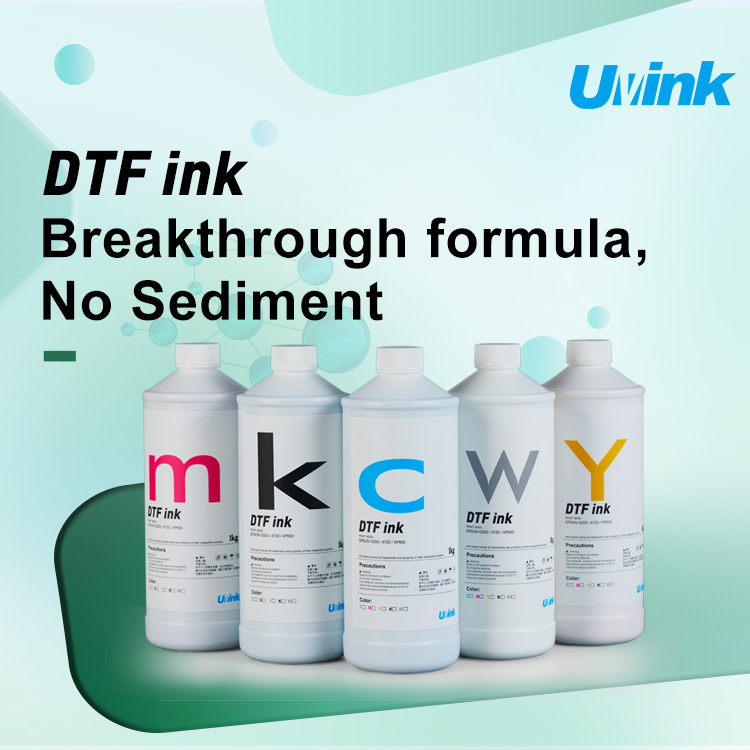 UVINK Economic DTF ink: Complete Buyer Guide for dtf for shirts Printing
  Sublimation Ink & Printer Color Ink: Industrial B2B Technical Guide
  UV DTF Ink & How to Make UV DTF Stickers: Industrial Production Guide
  Solvent Ink for Wide Format Ink Jet Printer: Industrial Technical Guide
  Sublimation Ink: Professional Technical Guide for Epson Printers
  Eco-solvent Ink: Professional Industrial Guide for Epson Pro Printers
  DTF Ink: Professional Industrial Guide for Procolored DTF Printer L1800