
What are the requirements for colorants in inks?
author: Uvink
2023-04-28
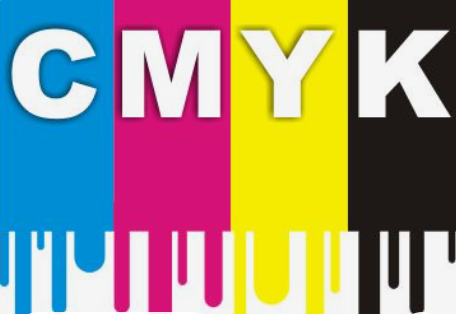
Colorants for inks include pigments and dyes. Pigments are divided into organic pigments and
inorganic pigments. Organic pigments have bright hues, strong coloring power, and short drying
time. They are widely used in inks. Colorants are the main components of inks. The color of inks
is determined by them. It can give inks Different colors and color concentrations, and make
the ink have a certain viscosity and dryness.
Different inks have different requirements for colorants, and gravure inks have requirements for
pigments. The soft body is light, will not wear the plate roller, bright and strong. It has good
affinity with binder and excellent color development. Good dispersion, and no condensation and
precipitation will occur during storage. It can exhibit good fluidity when dispersed in the link
material, and the fluidity will not deteriorate during storage. Requirements for dyestuffs. Bright
color, excellent light fastness, stable performance in solvents, no sublimation or oozing
out of the printed body.
Ink requirements for colorants, color The primary condition for selecting colorants when making
inks is bright, bright, saturated, glossy, and stable tones. The oil absorption refers to the ability of
the colorant to blend with the oil, which is generally expressed by two oil absorptions. The first
oil absorption is the amount of oil required when the colorant is made into a slurry; the second
oil absorption is the amount of oil required when a certain amount of colorant is made into an ink.
The oil absorption is closely related to the particle size, dispersibility, and wetting ability of
the colorant, and is also related to the water content of the colorant and the acidity of the oil,
and is also affected by the lipophilicity, wettability, particle shape, and surface electrostatic
properties of the colorant. And so on. The oil absorption of the colorant is large, and the ink
concentration is not easy to increase, which is not conducive to the adjustment of ink property.
 Sublimation Ink Buying Guide for sublimation printer ink | UVINK
  DTF ink Selection Guide for dtg dtf printer | UVINK
  UV DTF Ink: What Is UV DTF for Digital Printing?
  Economic DTF Ink for DTF Printer Procolored – No‑Clog, Cost‑Effective Industrial Printing Solution
  Economic‑Grade DTF Ink – Complete Industrial Guide: How To Make DTF Transfers With Inkjet Printer
  Industrial‑Grade UV DTF Ink – Complete Buying Guide for UV DTF Stickers for Tumblers Production
 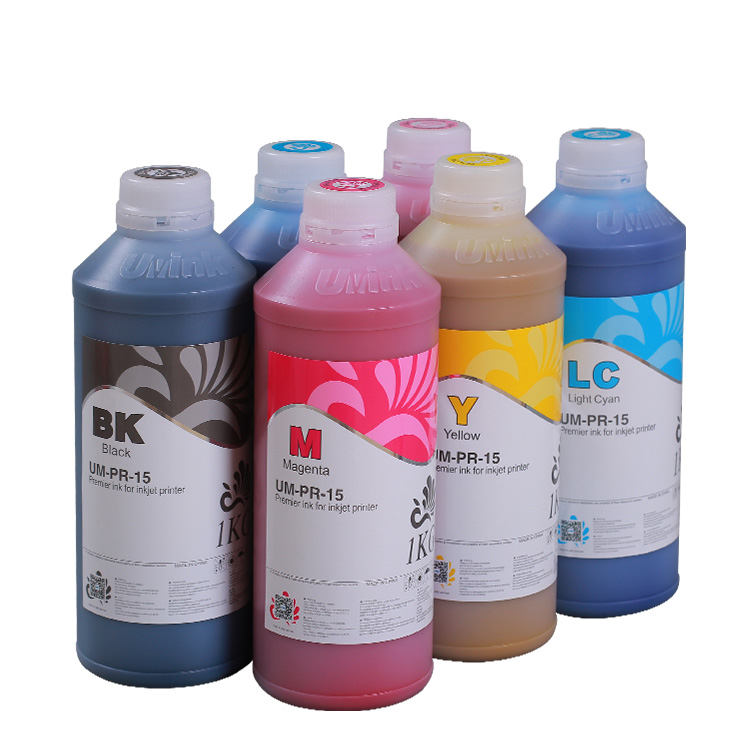 UVINK Eco Solvent Ink – Complete Industrial Buying Guide for Car Wrap Advertising Projects
  Fluorescent Sublimation Ink & Sublimation Printer Ink – Full Industrial UVINK Buyer Guide
  UVINK Economic DTF Ink – Complete Industrial Guide for DTF Printing Ink Users
 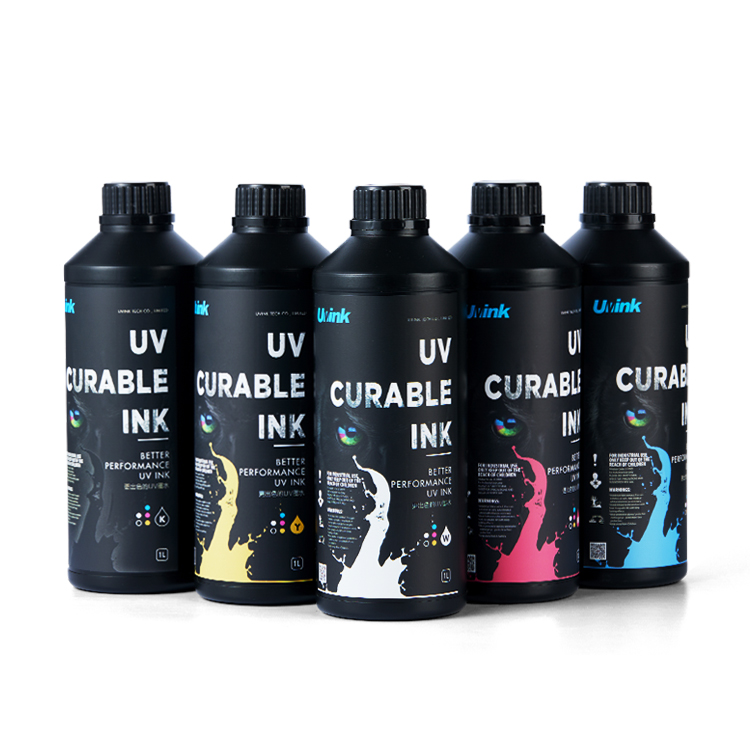 Professional‑Grade UV DTF Ink for High‑Quality UV DTF Prints – UVINK Complete Industrial Buying Guide
 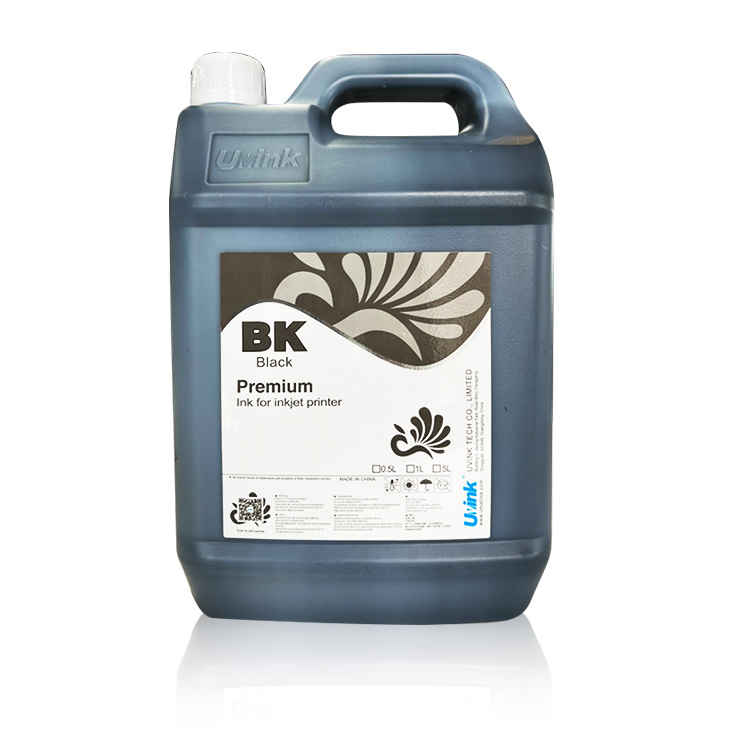 Mild Solvent Ink & Outdoor Advertising Printing – Professional Industrial Guide by UVINK
  Sublimation Ink & Epson Sublimation Ink – Full Industrial Buyer Guide by UVINK
  UVINK UV DTF Ink & What Are UV DTF Stickers – Complete Industrial Guide
 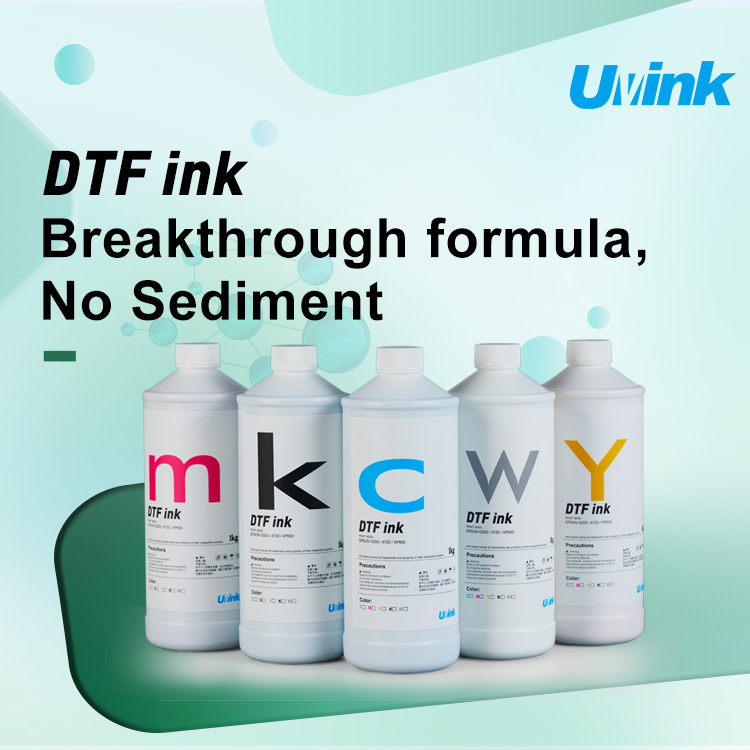 UVINK Economic DTF ink: Complete Buyer Guide for dtf for shirts Printing
  Sublimation Ink & Printer Color Ink: Industrial B2B Technical Guide
  UV DTF Ink & How to Make UV DTF Stickers: Industrial Production Guide
  Solvent Ink for Wide Format Ink Jet Printer: Industrial Technical Guide
  Sublimation Ink: Professional Technical Guide for Epson Printers
  Eco-solvent Ink: Professional Industrial Guide for Epson Pro Printers
  DTF Ink: Professional Industrial Guide for Procolored DTF Printer L1800