
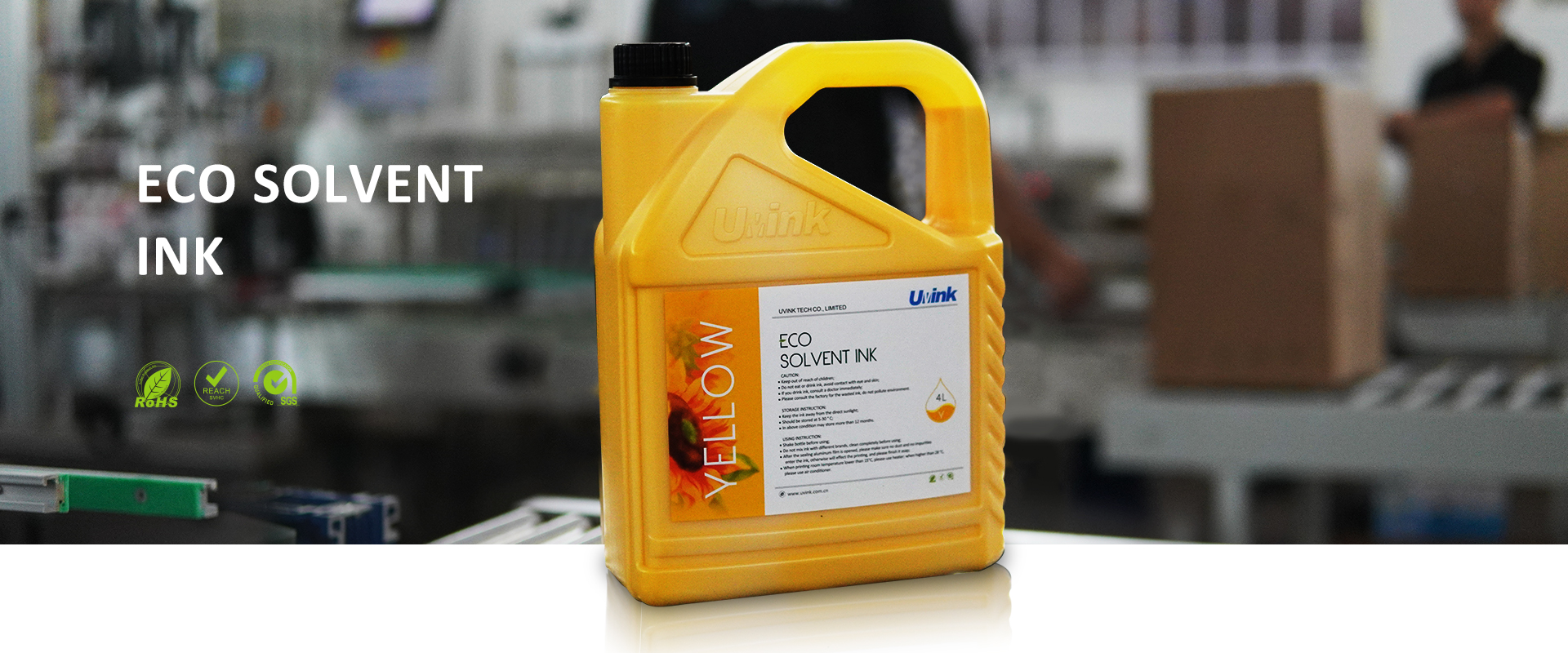
What is the ink formula?

1. Resin, the binder is a colloidal fluid, its role is firstly as a carrier of pigments,
mixing and linking solid particles such as powdered pigments; secondly,
as a binder to make the pigments finally fixed on the surface of the substrate to
achieve the purpose of displaying text, images, decoration, etc. The resin in
the binder can form a thin and transparent film layer, which is why the ink can form
a film on the printed matter. Therefore, the choice of resin solution will affect
the final performance of the ink, such as drying speed, stability, gloss, etc.
2. Solvent In the ink, the solvent is used to dissolve resin film-forming substances to
make solvent-based binders. In plastic gravure printing inks, solvents can not only
dissolve various film-forming polymers, adjust viscosity and fluidity, but also have
an important impact on film-forming quality, and also play a decisive role in
the drying speed of inks. In the formulation of plastic gravure printing ink,
one of the key technologies is to choose the appropriate solvent.

3. Pigment The colored materials used in printing inks are all pigments,
which are divided into two categories: inorganic pigments and organic pigments.
Currently, most of the pigments used in inks are organic pigments. When producing
printing ink, the pigment is dispersed in the binder, and then printed on the surface of
the substrate, so that the printed product presents colorful images. Many properties of
the ink are related to the pigment, such as the relative density, transparency,
light resistance, heat resistance and resistance to chemicals of the ink. In a sense,
the pigment determines whether the finished ink is suitable for a certain printing
process or meets the final use of the printed product.
4. Auxiliary Auxiliary is an auxiliary component of the ink. The main purpose of adding
an auxiliary is to improve and improve the stability, printing performance, and imprinting
surface properties of the ink. There are many types of additives, mainly plasticizers,
desiccants, surfactants, dispersants, etc.
 Sublimation Ink Buying Guide for sublimation printer ink | UVINK
  DTF ink Selection Guide for dtg dtf printer | UVINK
  UV DTF Ink: What Is UV DTF for Digital Printing?
  Economic DTF Ink for DTF Printer Procolored – No‑Clog, Cost‑Effective Industrial Printing Solution
  Economic‑Grade DTF Ink – Complete Industrial Guide: How To Make DTF Transfers With Inkjet Printer
  Industrial‑Grade UV DTF Ink – Complete Buying Guide for UV DTF Stickers for Tumblers Production
 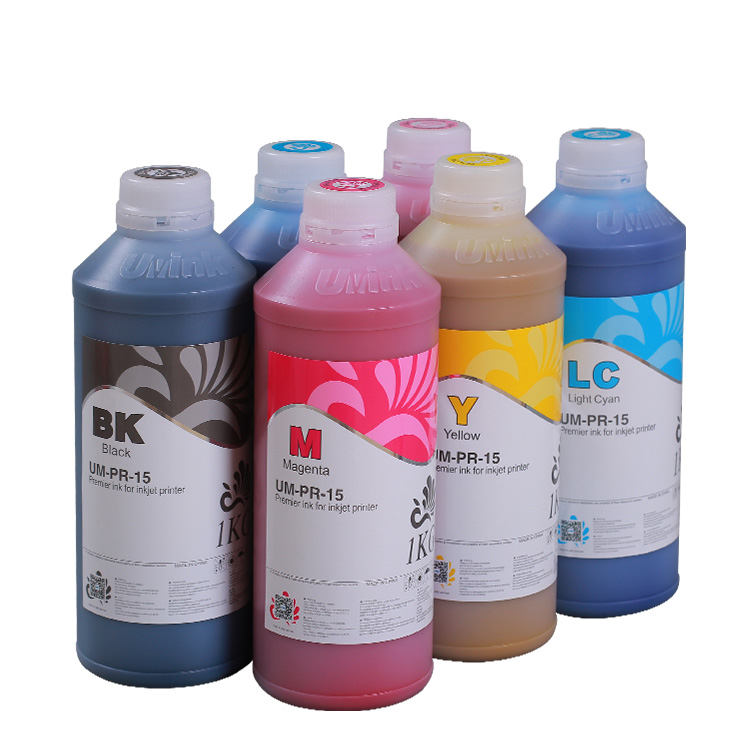 UVINK Eco Solvent Ink – Complete Industrial Buying Guide for Car Wrap Advertising Projects
  Fluorescent Sublimation Ink & Sublimation Printer Ink – Full Industrial UVINK Buyer Guide
  UVINK Economic DTF Ink – Complete Industrial Guide for DTF Printing Ink Users
 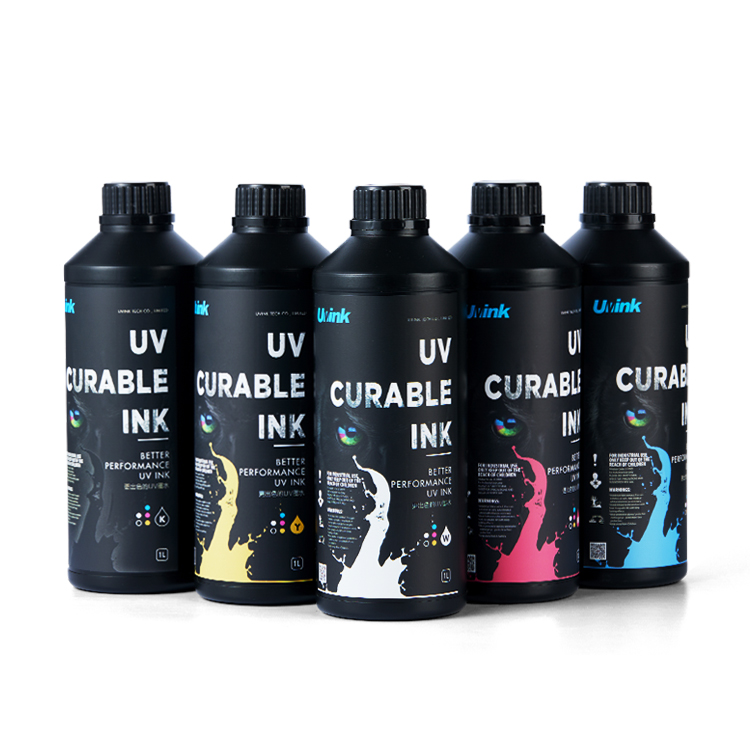 Professional‑Grade UV DTF Ink for High‑Quality UV DTF Prints – UVINK Complete Industrial Buying Guide
 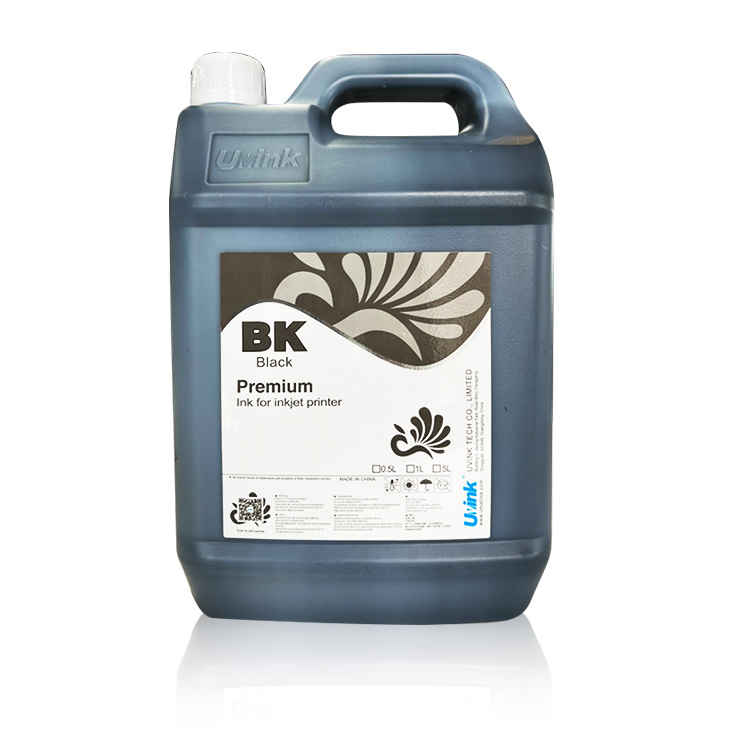 Mild Solvent Ink & Outdoor Advertising Printing – Professional Industrial Guide by UVINK
  Sublimation Ink & Epson Sublimation Ink – Full Industrial Buyer Guide by UVINK
  UVINK UV DTF Ink & What Are UV DTF Stickers – Complete Industrial Guide
 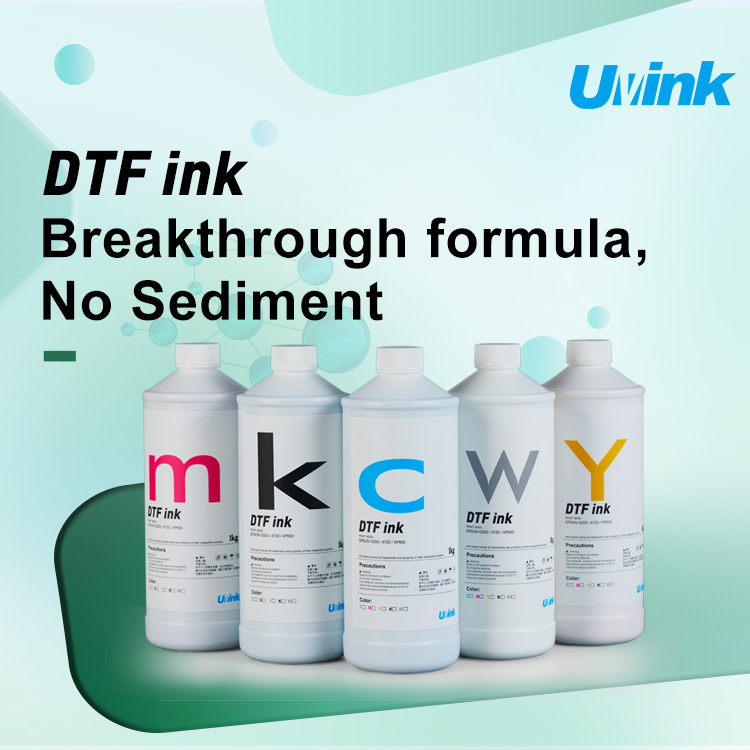 UVINK Economic DTF ink: Complete Buyer Guide for dtf for shirts Printing
  Sublimation Ink & Printer Color Ink: Industrial B2B Technical Guide
  UV DTF Ink & How to Make UV DTF Stickers: Industrial Production Guide
  Solvent Ink for Wide Format Ink Jet Printer: Industrial Technical Guide
  Sublimation Ink: Professional Technical Guide for Epson Printers
  Eco-solvent Ink: Professional Industrial Guide for Epson Pro Printers
  DTF Ink: Professional Industrial Guide for Procolored DTF Printer L1800