
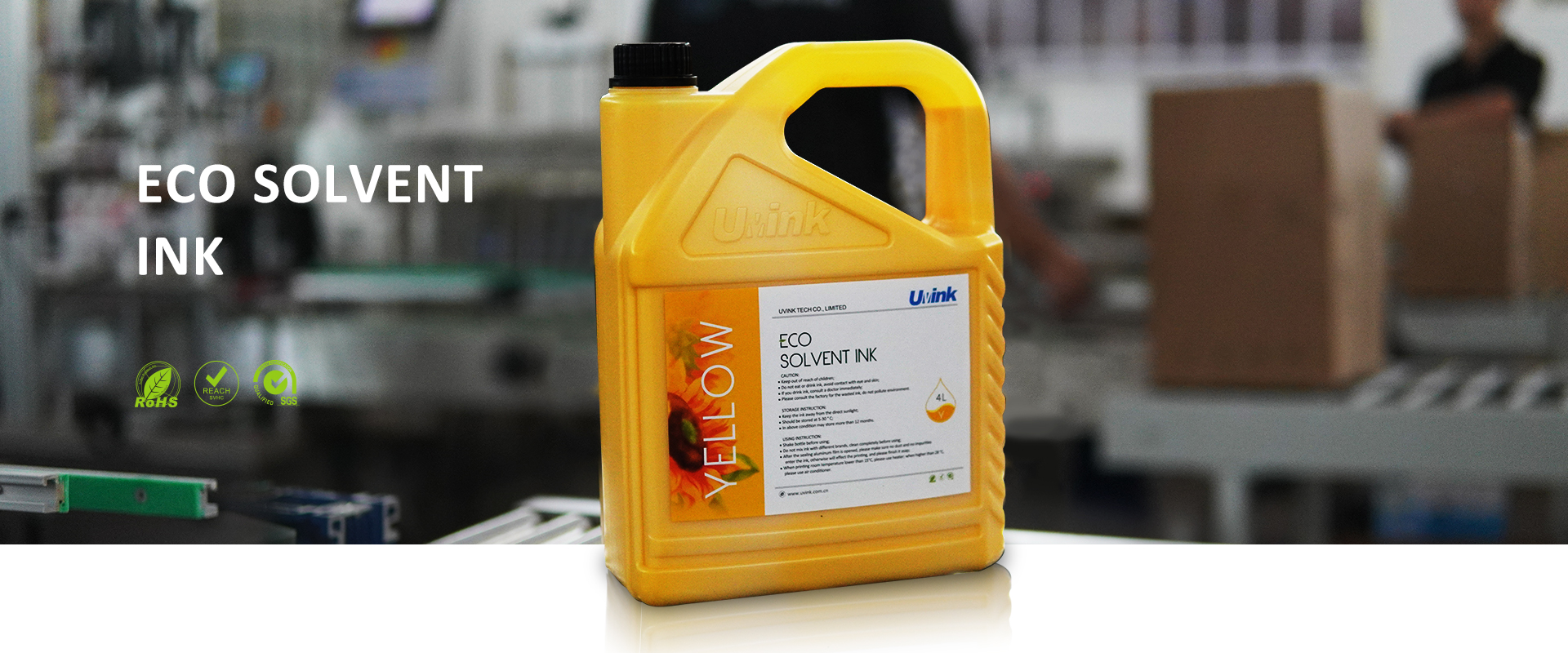
What is green printing?
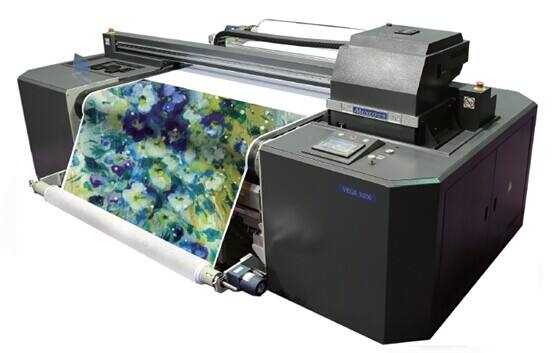
Green printing refers to the use of environmentally friendly materials and technologies,
less pollution during the printing process, saving resources and energy, easy recycling
of printed products after they are discarded, natural degradation, and a printing
method that has little impact on the ecological environment. Including the use of
environmentally friendly printing materials, the cleaning printing production process,
the safety of printed products for users, and the recycling and recycling of printed
products. That is to say, the entire life cycle of printed products from raw material
selection, production, use, and recycling should meet environmental protection
requirements.
The industrial chain of green printing mainly includes green printing materials,
printing graphic design, green plate making technology, green printing technology,
green post-press processing technology, environmentally friendly printing equipment,
recycling and recycling of printed matter waste, etc. Through the implementation of
green printing, the entire supply chain system including materials, processing,
use and consumption can enter a virtuous circle.
Generally speaking, green printing should have the following basic characteristics:
1. Quantity and moderation. Under the premise of meeting the functions of information
identification, maintenance, convenience, and sales, green printing should be
moderate printing with the least amount of consumption and the most simplified
technology. 2. Non-toxic and harmless. Printed materials should be non-toxic and
harmless to human body and living things. Printed materials should not be rich in
toxic substances, or the content of toxic substances should be controlled below
the relevant standards. No pollution and no pollution. In the entire life cycle of
printed products, the environment should not be polluted or cause public hazards,
that is, the whole life process from raw material collection, data processing, product
production, product use, waste recycling, to final disposal should not
be harmful to the human body. and environment pollution.
 Sublimation Ink Buying Guide for sublimation printer ink | UVINK
  DTF ink Selection Guide for dtg dtf printer | UVINK
  UV DTF Ink: What Is UV DTF for Digital Printing?
  Economic DTF Ink for DTF Printer Procolored – No‑Clog, Cost‑Effective Industrial Printing Solution
  Economic‑Grade DTF Ink – Complete Industrial Guide: How To Make DTF Transfers With Inkjet Printer
  Industrial‑Grade UV DTF Ink – Complete Buying Guide for UV DTF Stickers for Tumblers Production
 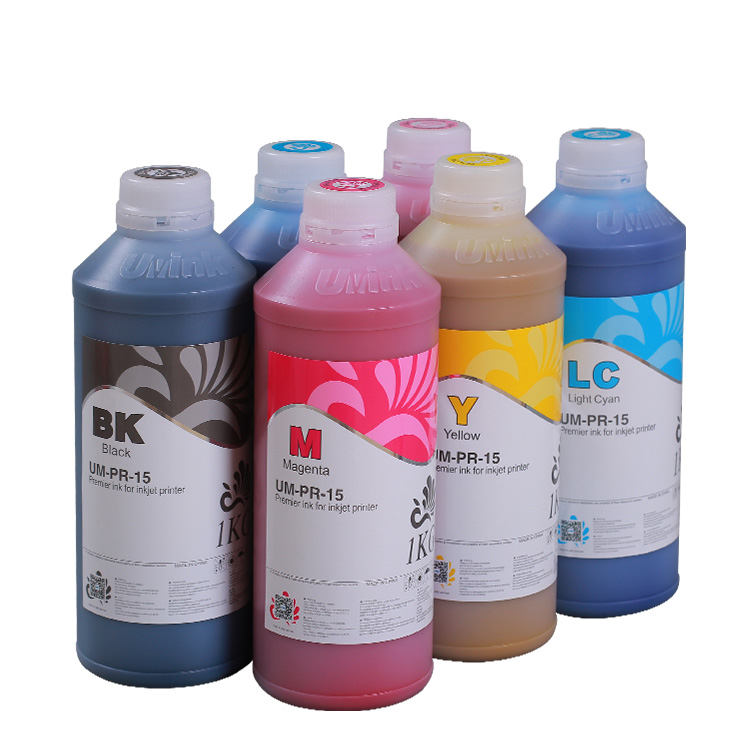 UVINK Eco Solvent Ink – Complete Industrial Buying Guide for Car Wrap Advertising Projects
  Fluorescent Sublimation Ink & Sublimation Printer Ink – Full Industrial UVINK Buyer Guide
  UVINK Economic DTF Ink – Complete Industrial Guide for DTF Printing Ink Users
 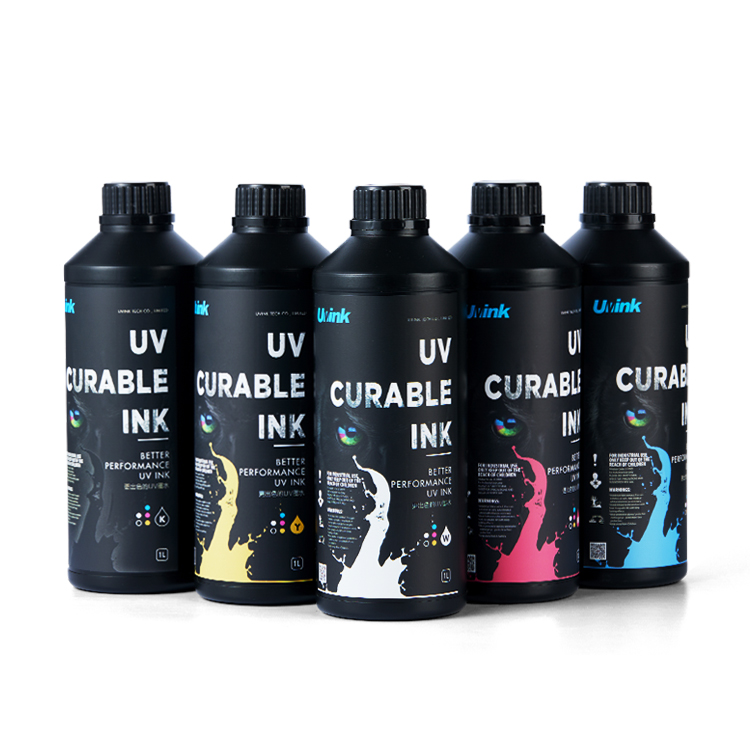 Professional‑Grade UV DTF Ink for High‑Quality UV DTF Prints – UVINK Complete Industrial Buying Guide
 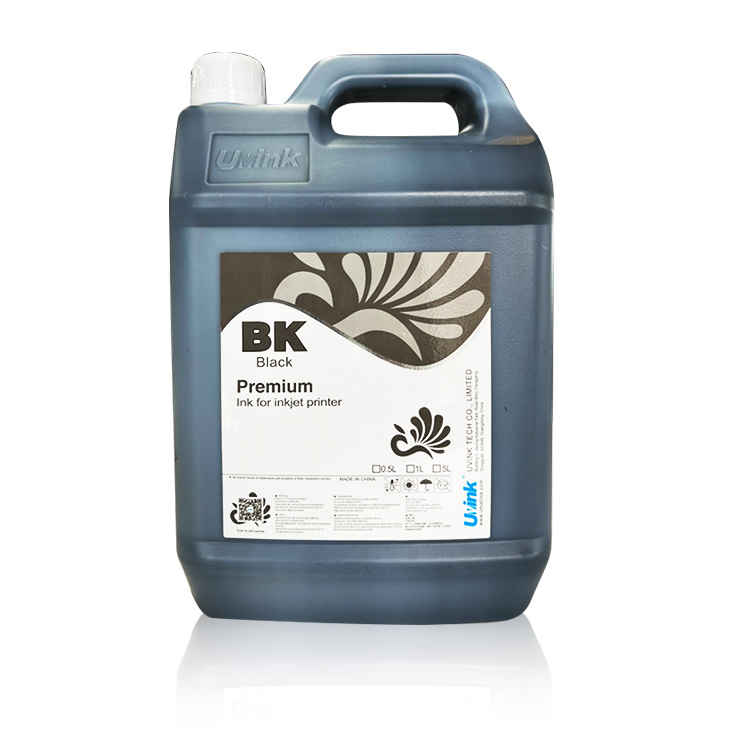 Mild Solvent Ink & Outdoor Advertising Printing – Professional Industrial Guide by UVINK
  Sublimation Ink & Epson Sublimation Ink – Full Industrial Buyer Guide by UVINK
  UVINK UV DTF Ink & What Are UV DTF Stickers – Complete Industrial Guide
 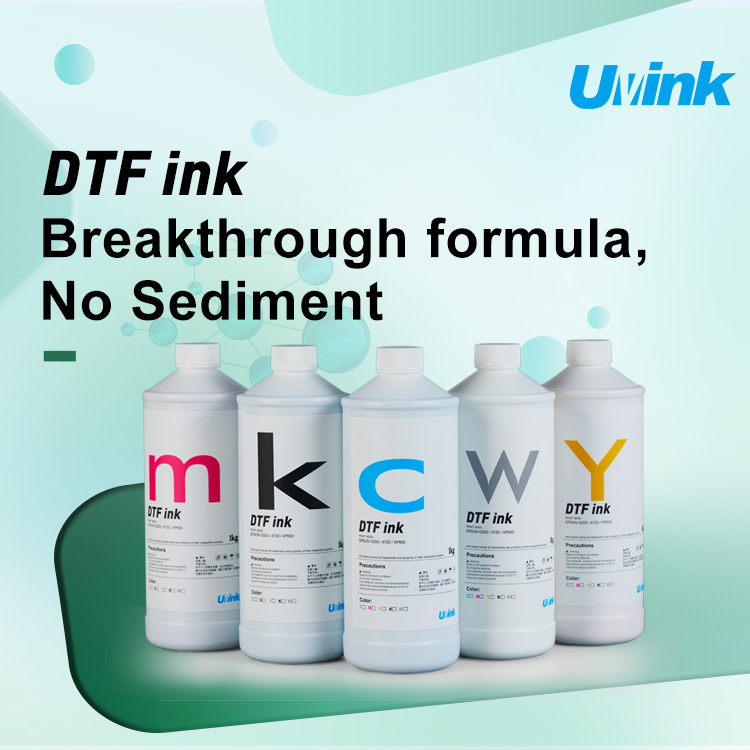 UVINK Economic DTF ink: Complete Buyer Guide for dtf for shirts Printing
  Sublimation Ink & Printer Color Ink: Industrial B2B Technical Guide
  UV DTF Ink & How to Make UV DTF Stickers: Industrial Production Guide
  Solvent Ink for Wide Format Ink Jet Printer: Industrial Technical Guide
  Sublimation Ink: Professional Technical Guide for Epson Printers
  Eco-solvent Ink: Professional Industrial Guide for Epson Pro Printers
  DTF Ink: Professional Industrial Guide for Procolored DTF Printer L1800