
What is the difference between the application of uv flat-panel printer in glass products?
author: Uvink
2023-01-04
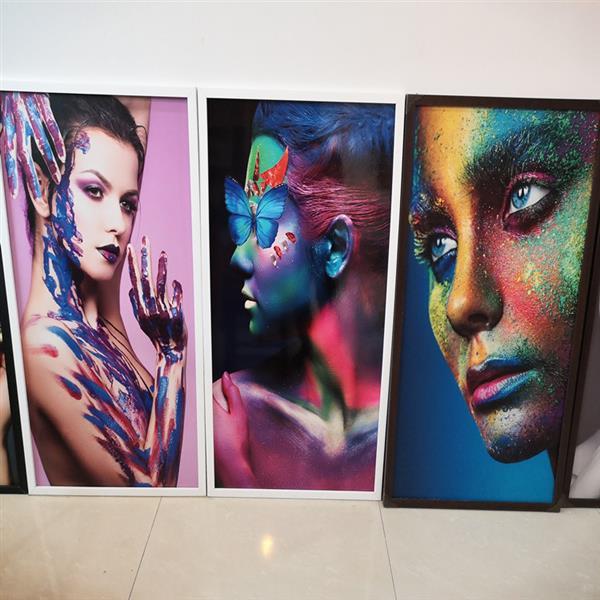
Nowadays, there are two technologies for printing patterns on glass, one is silk
screen printing, the other is uv printer. What is the difference between the
application of UV flat-panel printer in glass products? Screen printing needs to
be made according to the customer's requirements, and then printed on the glass
through the screen with ink and manual scraper. If there are multiple patterns,
it needs to make multiple screen plates and repeat color printing. For example,
some beautiful images and gradual color screen printing cannot be printed and
brushed. Therefore, screen printing glass products are suitable for monochrome or
less color, large quantity, and fast screen printing speed, It is very suitable to ship
large quantities of goods, but screen printing cannot meet the requirements of
small batches of orders or color gradient.
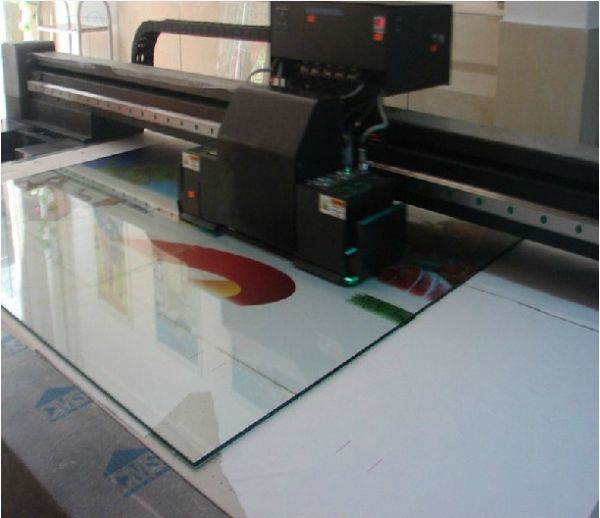
The difference between using uv printer to print glass and screen printing is that
it can print all kinds of gradient colors and complex images. It can be printed directly
with pictures without plate making, and it is environmentally friendly and pollution-free.
Large uv printers can meet the needs of large products and mass production. The
printed images are exquisite and have high color fastness. As a result, new glass
processes are constantly emerging, and there are many machines in the glass industry.
It can not only print a variety of processes, but also print efficiently and quickly. On this
basis, the uv flat panel printer can quickly produce beautiful patterns on the glass,
from which the technology stands out.
Uv flat panel printer uses piezoelectric ink-jet printing technology to print glass.
depending on the internal voltage of the nozzle, the ink in the nozzle is sprayed onto
the glass surface, so that the desired image can be directly formed on the glass surface.
In addition, it does not need to contact the glass surface directly. Uv flat-panel printer
can make various patterns on the glass, realizing the diversification of one machine.
screen printing, the other is uv printer. What is the difference between the
application of UV flat-panel printer in glass products? Screen printing needs to
be made according to the customer's requirements, and then printed on the glass
through the screen with ink and manual scraper. If there are multiple patterns,
it needs to make multiple screen plates and repeat color printing. For example,
some beautiful images and gradual color screen printing cannot be printed and
brushed. Therefore, screen printing glass products are suitable for monochrome or
less color, large quantity, and fast screen printing speed, It is very suitable to ship
large quantities of goods, but screen printing cannot meet the requirements of
small batches of orders or color gradient.
The difference between using uv printer to print glass and screen printing is that
it can print all kinds of gradient colors and complex images. It can be printed directly
with pictures without plate making, and it is environmentally friendly and pollution-free.
Large uv printers can meet the needs of large products and mass production. The
printed images are exquisite and have high color fastness. As a result, new glass
processes are constantly emerging, and there are many machines in the glass industry.
It can not only print a variety of processes, but also print efficiently and quickly. On this
basis, the uv flat panel printer can quickly produce beautiful patterns on the glass,
from which the technology stands out.
Uv flat panel printer uses piezoelectric ink-jet printing technology to print glass.
depending on the internal voltage of the nozzle, the ink in the nozzle is sprayed onto
the glass surface, so that the desired image can be directly formed on the glass surface.
In addition, it does not need to contact the glass surface directly. Uv flat-panel printer
can make various patterns on the glass, realizing the diversification of one machine.
 Sublimation Ink Buying Guide for sublimation printer ink | UVINK
  DTF ink Selection Guide for dtg dtf printer | UVINK
  UV DTF Ink: What Is UV DTF for Digital Printing?
  Economic DTF Ink for DTF Printer Procolored – No‑Clog, Cost‑Effective Industrial Printing Solution
  Economic‑Grade DTF Ink – Complete Industrial Guide: How To Make DTF Transfers With Inkjet Printer
  Industrial‑Grade UV DTF Ink – Complete Buying Guide for UV DTF Stickers for Tumblers Production
  UVINK Eco Solvent Ink – Complete Industrial Buying Guide for Car Wrap Advertising Projects
  Fluorescent Sublimation Ink & Sublimation Printer Ink – Full Industrial UVINK Buyer Guide
  UVINK Economic DTF Ink – Complete Industrial Guide for DTF Printing Ink Users
  Professional‑Grade UV DTF Ink for High‑Quality UV DTF Prints – UVINK Complete Industrial Buying Guide
  Mild Solvent Ink & Outdoor Advertising Printing – Professional Industrial Guide by UVINK
  Sublimation Ink & Epson Sublimation Ink – Full Industrial Buyer Guide by UVINK
  UVINK UV DTF Ink & What Are UV DTF Stickers – Complete Industrial Guide
  UVINK Economic DTF ink: Complete Buyer Guide for dtf for shirts Printing
  Sublimation Ink & Printer Color Ink: Industrial B2B Technical Guide
  UV DTF Ink & How to Make UV DTF Stickers: Industrial Production Guide
  Solvent Ink for Wide Format Ink Jet Printer: Industrial Technical Guide
  Sublimation Ink: Professional Technical Guide for Epson Printers
  Eco-solvent Ink: Professional Industrial Guide for Epson Pro Printers
  DTF Ink: Professional Industrial Guide for Procolored DTF Printer L1800