
UV ink popularization of science
author: Uvink
2022-12-21
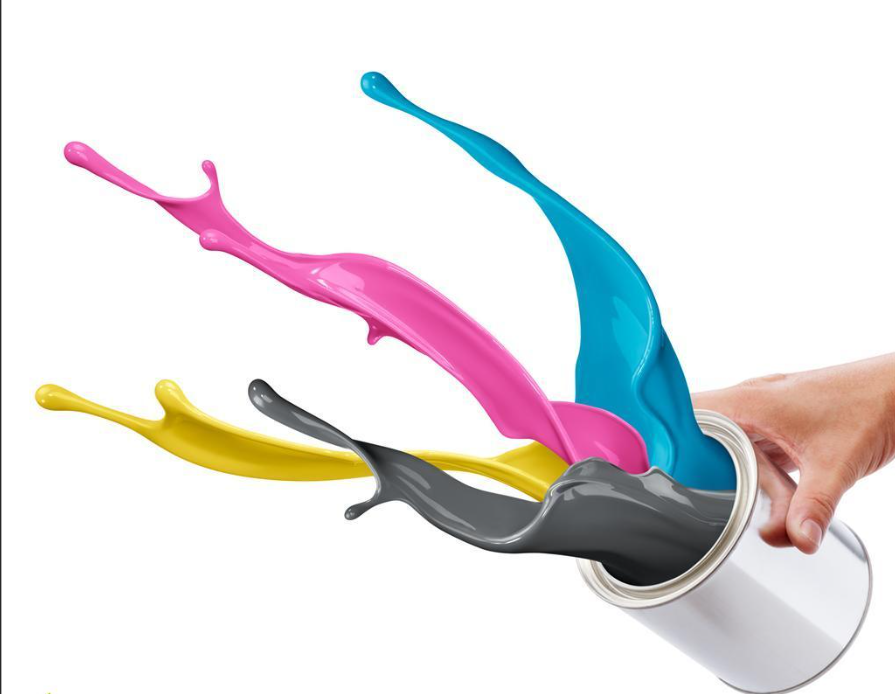
In printing, the ink color of color or non color prints is not judged by
the color property of the ink appearance, but by the ink film solidified on the surface of the
printing sheet. The color of the ink mainly depends on the color of the pigment used and the
properties of the binder, while the color displayed by the ink film is closely related to the intensity
and wavelength of the irradiation light, the photochemical properties and surface properties of
the substrate surface, the ink layer thickness and other factors.
In theory, the color of the ink used for four color (or three color) color offset printing should be
the complementary color of the filter used in the color decomposition of the original. However,
the actual three primary color ink has the defects of impure coloring phase, dim brightness and
low saturation, and its gray balance field density values are different under different paper types
and properties; In the printing process, the color of the ink in the wet and dry ink film states is
different. Therefore, it is particularly important to select appropriate printing ink to make it meet
the color printing suitability of the ink. This is not only of practical technical significance to
reproduce the gradation and color of the original, but also of particular importance to show
the artistic effect of the printed matter. In the current technical standards for printing ink products,
there is no numerical index listed for color, and only the "standard,UV ink popularization of science
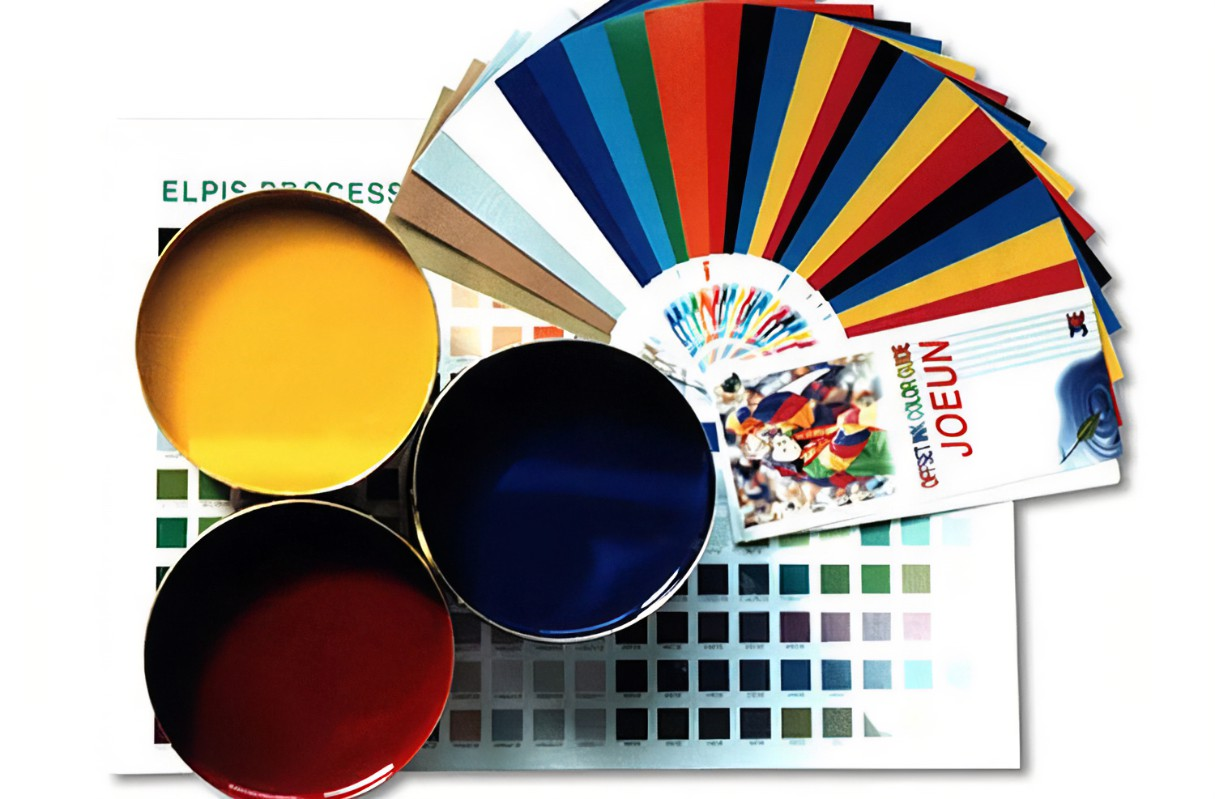
sample" is used as the benchmark.
Take our common UV ink for example.
According to specific circumstances and conditions, there are currently three methods for determining ink color:
Scraping method. Take a small amount of standard sample ink and sample ink, after they are evenly
mixed, place them on the top of the standard sample paper (offset printing paper or offset printing
coated paper), side by side, and scrape them from top to bottom to form a 3-5mm long thin ink film.
After passing the black tape, the thick ink film is harvested. Then, visually inspect the difference between
the background color, face color and ink color of the ink layer of the standard sample and the sample
above the black band, and compare the color difference between them for evaluation.
Densimeter method. Place the spot density samples of the three primary colors ink under the red,
green and blue violet filters of the color reflection densitometer, measure their high, medium and
low optical density values successively, and then calculate their hue error, gray scale and actual
efficiency according to the specified formula.
The color of the ink can also be determined by roller coating method, printing suitability testing
machine and colorimetric spectrophotometer.
Ink penetrability refers to the penetrability of the ink layer transferred on the surface of the printing
sheet, which characterizes the penetrability phenomena and properties of the ink in the early stage
of the drying process. In the offset printing process, the penetration process of ink (binder) includes
two processes, namely, the instant rapid penetration process occurring at the moment of printing
pressure and the slow free penetration process after the printing pressure disappears.
In offset printing, the permeability of printing ink mainly depends on the properties of binder itself,
as well as the printing pressure, printing speed and the type of paper used, surface properties
(such as ink absorption, smoothness, etc.). Generally, the penetration of ink layer on paper shows
different penetration properties and penetration rates due to different ink types and viscosities.
Generally, the penetration of oxidation polymerization conjunctival ink is less than that of penetrating
gel conjunctival ink.
the color property of the ink appearance, but by the ink film solidified on the surface of the
printing sheet. The color of the ink mainly depends on the color of the pigment used and the
properties of the binder, while the color displayed by the ink film is closely related to the intensity
and wavelength of the irradiation light, the photochemical properties and surface properties of
the substrate surface, the ink layer thickness and other factors.
In theory, the color of the ink used for four color (or three color) color offset printing should be
the complementary color of the filter used in the color decomposition of the original. However,
the actual three primary color ink has the defects of impure coloring phase, dim brightness and
low saturation, and its gray balance field density values are different under different paper types
and properties; In the printing process, the color of the ink in the wet and dry ink film states is
different. Therefore, it is particularly important to select appropriate printing ink to make it meet
the color printing suitability of the ink. This is not only of practical technical significance to
reproduce the gradation and color of the original, but also of particular importance to show
the artistic effect of the printed matter. In the current technical standards for printing ink products,
there is no numerical index listed for color, and only the "standard,UV ink popularization of science
sample" is used as the benchmark.
Take our common UV ink for example.
According to specific circumstances and conditions, there are currently three methods for determining ink color:
Scraping method. Take a small amount of standard sample ink and sample ink, after they are evenly
mixed, place them on the top of the standard sample paper (offset printing paper or offset printing
coated paper), side by side, and scrape them from top to bottom to form a 3-5mm long thin ink film.
After passing the black tape, the thick ink film is harvested. Then, visually inspect the difference between
the background color, face color and ink color of the ink layer of the standard sample and the sample
above the black band, and compare the color difference between them for evaluation.
Densimeter method. Place the spot density samples of the three primary colors ink under the red,
green and blue violet filters of the color reflection densitometer, measure their high, medium and
low optical density values successively, and then calculate their hue error, gray scale and actual
efficiency according to the specified formula.
The color of the ink can also be determined by roller coating method, printing suitability testing
machine and colorimetric spectrophotometer.
Ink penetrability refers to the penetrability of the ink layer transferred on the surface of the printing
sheet, which characterizes the penetrability phenomena and properties of the ink in the early stage
of the drying process. In the offset printing process, the penetration process of ink (binder) includes
two processes, namely, the instant rapid penetration process occurring at the moment of printing
pressure and the slow free penetration process after the printing pressure disappears.
In offset printing, the permeability of printing ink mainly depends on the properties of binder itself,
as well as the printing pressure, printing speed and the type of paper used, surface properties
(such as ink absorption, smoothness, etc.). Generally, the penetration of ink layer on paper shows
different penetration properties and penetration rates due to different ink types and viscosities.
Generally, the penetration of oxidation polymerization conjunctival ink is less than that of penetrating
gel conjunctival ink.
 Sublimation Ink Buying Guide for sublimation printer ink | UVINK
  DTF ink Selection Guide for dtg dtf printer | UVINK
  UV DTF Ink: What Is UV DTF for Digital Printing?
  Economic DTF Ink for DTF Printer Procolored – No‑Clog, Cost‑Effective Industrial Printing Solution
  Economic‑Grade DTF Ink – Complete Industrial Guide: How To Make DTF Transfers With Inkjet Printer
  Industrial‑Grade UV DTF Ink – Complete Buying Guide for UV DTF Stickers for Tumblers Production
  UVINK Eco Solvent Ink – Complete Industrial Buying Guide for Car Wrap Advertising Projects
 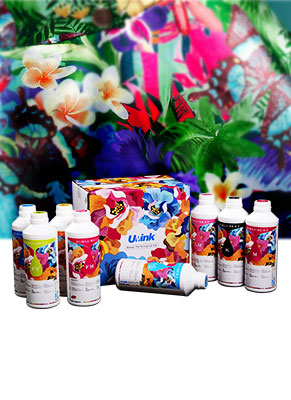 Fluorescent Sublimation Ink & Sublimation Printer Ink – Full Industrial UVINK Buyer Guide
  UVINK Economic DTF Ink – Complete Industrial Guide for DTF Printing Ink Users
 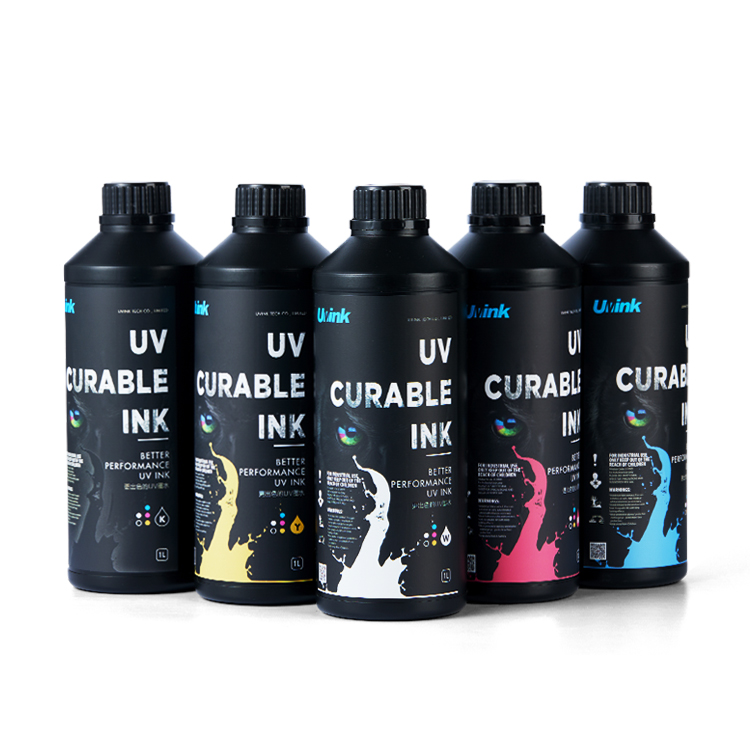 Professional‑Grade UV DTF Ink for High‑Quality UV DTF Prints – UVINK Complete Industrial Buying Guide
 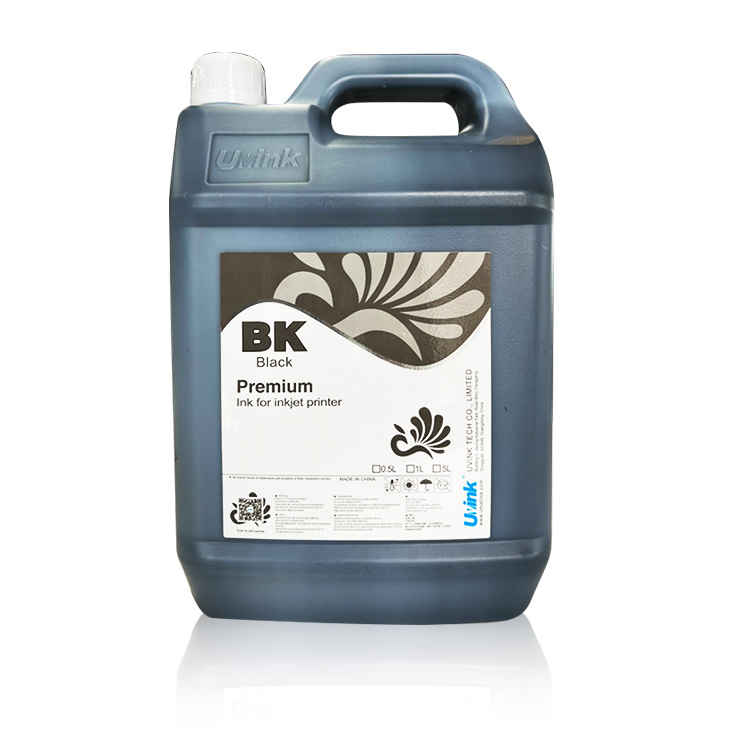 Mild Solvent Ink & Outdoor Advertising Printing – Professional Industrial Guide by UVINK
  Sublimation Ink & Epson Sublimation Ink – Full Industrial Buyer Guide by UVINK
  UVINK UV DTF Ink & What Are UV DTF Stickers – Complete Industrial Guide
 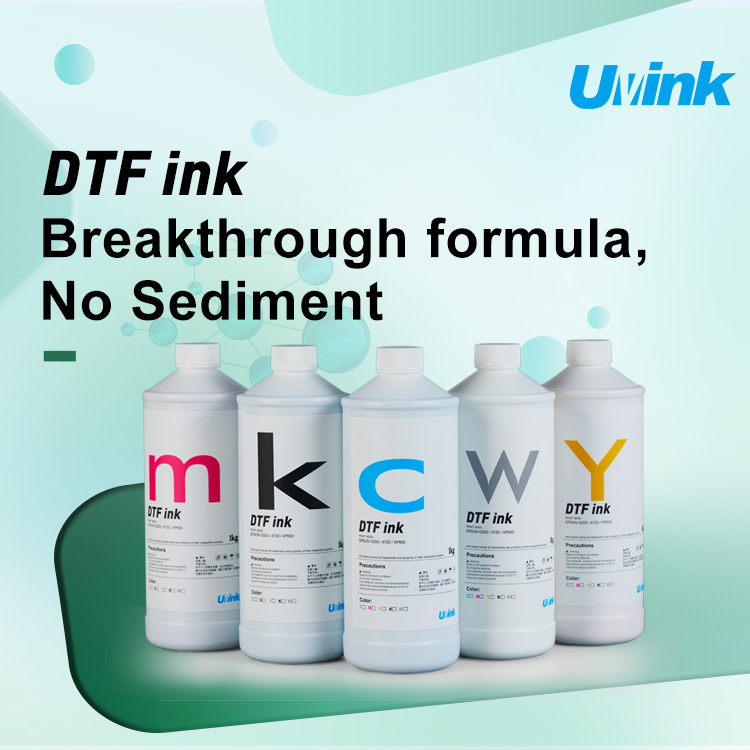 UVINK Economic DTF ink: Complete Buyer Guide for dtf for shirts Printing
  Sublimation Ink & Printer Color Ink: Industrial B2B Technical Guide
  UV DTF Ink & How to Make UV DTF Stickers: Industrial Production Guide
  Solvent Ink for Wide Format Ink Jet Printer: Industrial Technical Guide
 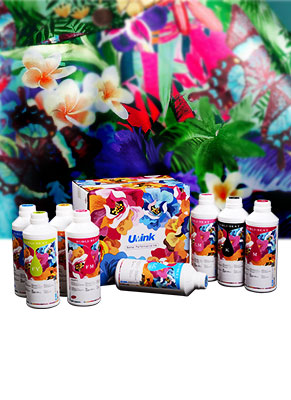 Sublimation Ink: Professional Technical Guide for Epson Printers
  Eco-solvent Ink: Professional Industrial Guide for Epson Pro Printers
  DTF Ink: Professional Industrial Guide for Procolored DTF Printer L1800