
What is the difference between spot color printing and four-color printing?
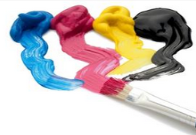
In printing terms, we often hear the words four-color printing and spot-color
printing, which are widely used in printed matter. But most people don't know
when to choose four-color printing and when to choose spot-color printing in
actual production. Today, let's discuss spot color printing and four-color
printing from concept, difference to application.
Four-color printing uses CMYK. In layman's terms, that is to use the different
superposition of these four colors to get the required color. As long as the color
has a gradient, it is all four-color overprinting. Four-color printing is superimposed
with dots. You can see different colors with a magnifying glass. outlets. Spot color
printing refers to the printing process that uses other color inks other than yellow,
magenta, cyan, and black inks to reproduce the original color. In packaging printing,
spot color printing is often used to print large areas of background color. Spot color
printing is a single color without gradients, the pattern is solid, and the dots
cannot be seen with a magnifying glass.
What is the difference between the two printing visual effects? Spot color printing
has lower color brightness and higher saturation; spot color blocks with uniform ink
color are usually printed on the spot, and the amount of ink should be increased
appropriately. When the thickness of the ink layer on the layout is large, Changes
in the thickness of the ink layer will reduce the sensitivity to color changes,
so it is easier to get a uniform and thick printing effect.
The color blocks overprinted by the four-color printing process are prone to
change in color intensity due to changes in the thickness of the ink layer and
changes in the printing process conditions. A change in dot gain, resulting in
a color change. Therefore, it is not easy to obtain the effect of uniform ink color
in the color blocks overprinted by the four-color printing process. From the
perspective of economic benefits, it mainly depends on whether the use of spot
color printing technology can save the number of overprints. Because reducing
the number of overprints can not only save printing costs, but also save
the cost of prepress production.
 Sublimation Ink Buying Guide for sublimation printer ink | UVINK
  DTF ink Selection Guide for dtg dtf printer | UVINK
  UV DTF Ink: What Is UV DTF for Digital Printing?
  Economic DTF Ink for DTF Printer Procolored – No‑Clog, Cost‑Effective Industrial Printing Solution
  Economic‑Grade DTF Ink – Complete Industrial Guide: How To Make DTF Transfers With Inkjet Printer
  Industrial‑Grade UV DTF Ink – Complete Buying Guide for UV DTF Stickers for Tumblers Production
  UVINK Eco Solvent Ink – Complete Industrial Buying Guide for Car Wrap Advertising Projects
  Fluorescent Sublimation Ink & Sublimation Printer Ink – Full Industrial UVINK Buyer Guide
  UVINK Economic DTF Ink – Complete Industrial Guide for DTF Printing Ink Users
 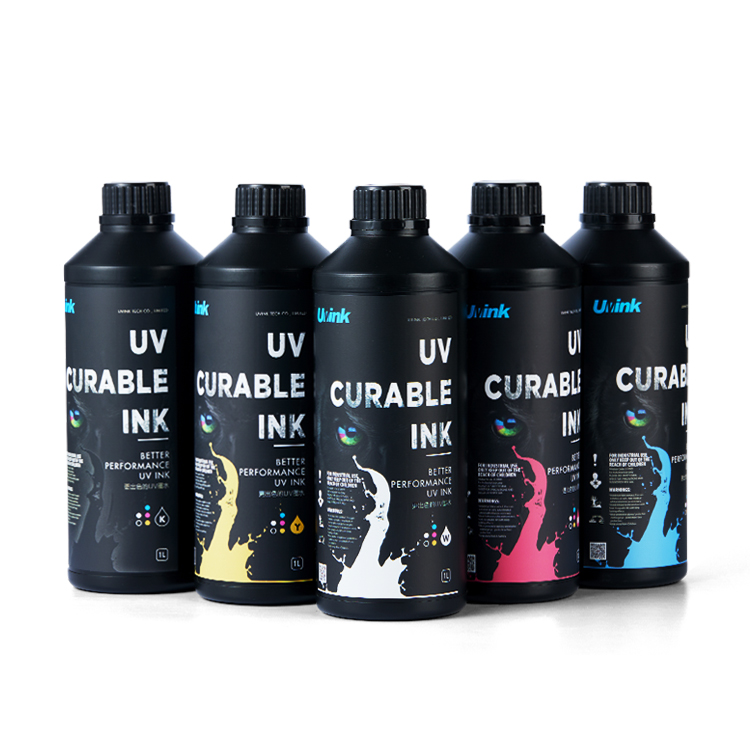 Professional‑Grade UV DTF Ink for High‑Quality UV DTF Prints – UVINK Complete Industrial Buying Guide
 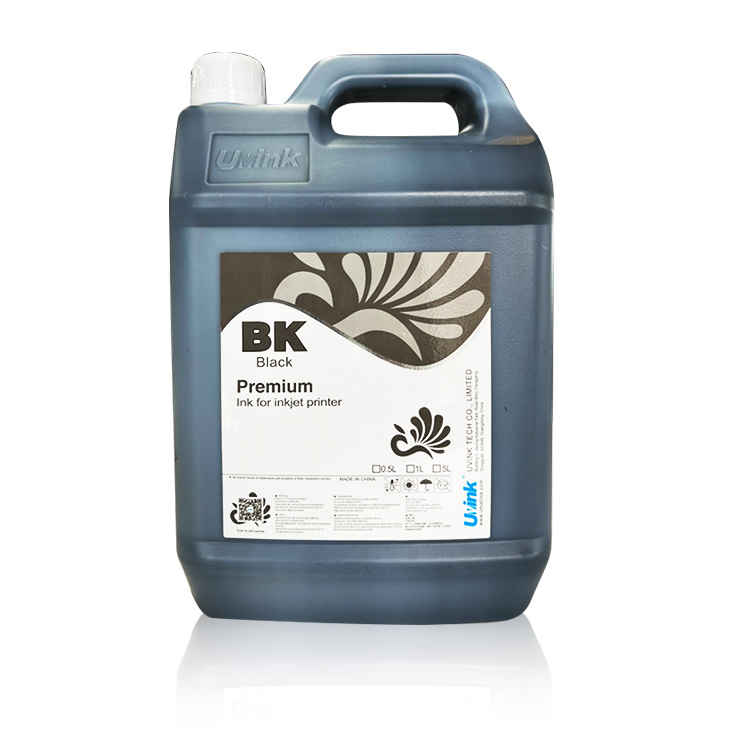 Mild Solvent Ink & Outdoor Advertising Printing – Professional Industrial Guide by UVINK
  Sublimation Ink & Epson Sublimation Ink – Full Industrial Buyer Guide by UVINK
  UVINK UV DTF Ink & What Are UV DTF Stickers – Complete Industrial Guide
 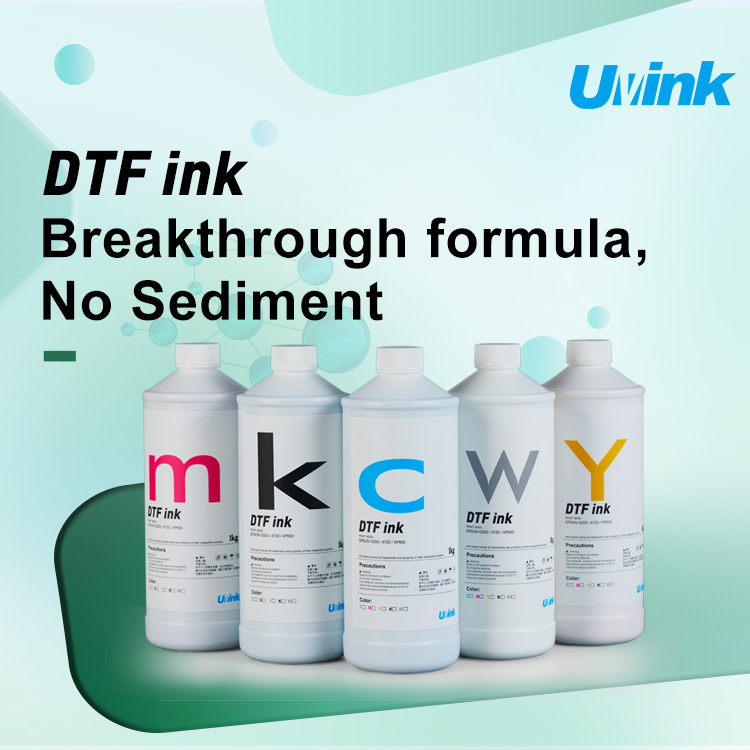 UVINK Economic DTF ink: Complete Buyer Guide for dtf for shirts Printing
  Sublimation Ink & Printer Color Ink: Industrial B2B Technical Guide
  UV DTF Ink & How to Make UV DTF Stickers: Industrial Production Guide
  Solvent Ink for Wide Format Ink Jet Printer: Industrial Technical Guide
  Sublimation Ink: Professional Technical Guide for Epson Printers
  Eco-solvent Ink: Professional Industrial Guide for Epson Pro Printers
  DTF Ink: Professional Industrial Guide for Procolored DTF Printer L1800