
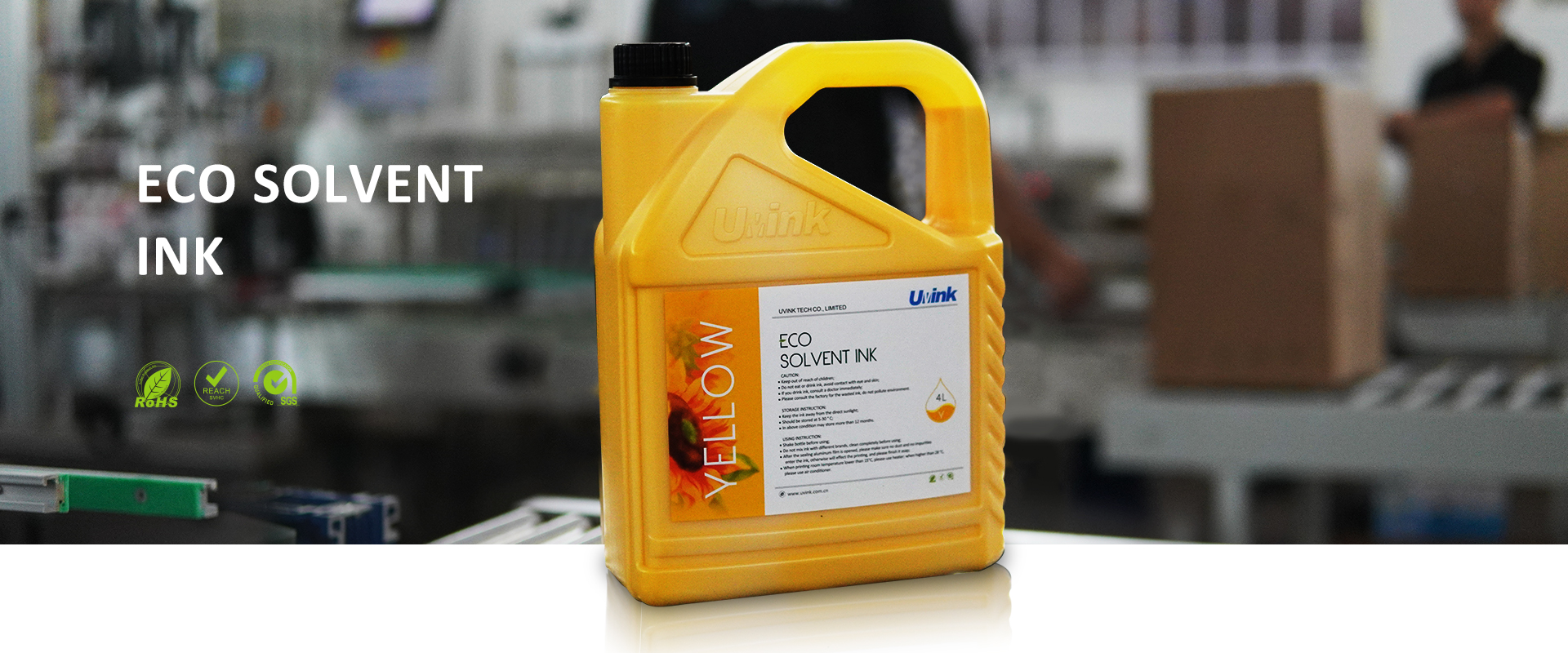
What is the relationship between the fluidity and viscosity of ink?
author: Uvink
2022-12-28
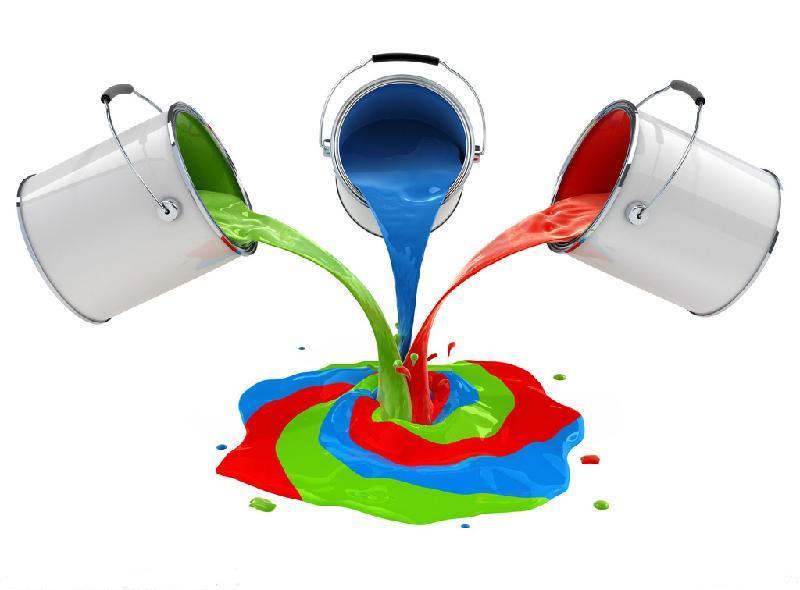
What is the relationship between the fluidity and viscosity of ink?What role does
the fluidity of ink play? The relationship between fluidity and viscosity is inversely
proportional. The greater the fluidity, the lower the viscosity; The lower the fluidity,
the higher the viscosity. The fluidity of the ink is good, which can ensure the quality
of printing to a certain extent, because under the same pressure, the ink can easily
spread the ink film with uniform thickness on the surface of the ink roller, and
maintain good transfer, so that there will be no uneven depth prints during printing.
What is the relationship between the fluidity and viscosity of ink?There are many
ways to dry ink. In fact, different inks will use different methods to dry ink according to
their characteristics and printing methods. Generally speaking, there are no following
kinds: ink oxidation: this drying form of polymer conjunctiva is the main drying form
of lithography; Permeation drying: when the ink is printed on the paper, its binder will
penetrate into the internal drying of the paper due to the capillary action of the paper
fiber; Full play drying: After the ink is printed on the paper, only part of it will penetrate
into the paper, but most of it will be used. What is the relationship between the fluidity and viscosity of ink?Why add desiccant
to the ink? When the drying capacity of the ink binder itself is not enough to meet the
time requirements of printing and chromaticity, we will add a drier to the ink to speed
up the drying. The drier can combine with the antioxidant in the ink to eliminate and
reduce the reaction of the antioxidant. In addition, the drier can directly absorb the
oxygen in the air, making it easier for the ink to obtain the oxygen needed for drying,
and accelerating oxidation drying.
the fluidity of ink play? The relationship between fluidity and viscosity is inversely
proportional. The greater the fluidity, the lower the viscosity; The lower the fluidity,
the higher the viscosity. The fluidity of the ink is good, which can ensure the quality
of printing to a certain extent, because under the same pressure, the ink can easily
spread the ink film with uniform thickness on the surface of the ink roller, and
maintain good transfer, so that there will be no uneven depth prints during printing.
What is the relationship between the fluidity and viscosity of ink?There are many
ways to dry ink. In fact, different inks will use different methods to dry ink according to
their characteristics and printing methods. Generally speaking, there are no following
kinds: ink oxidation: this drying form of polymer conjunctiva is the main drying form
of lithography; Permeation drying: when the ink is printed on the paper, its binder will
penetrate into the internal drying of the paper due to the capillary action of the paper
fiber; Full play drying: After the ink is printed on the paper, only part of it will penetrate
into the paper, but most of it will be used.
to the ink? When the drying capacity of the ink binder itself is not enough to meet the
time requirements of printing and chromaticity, we will add a drier to the ink to speed
up the drying. The drier can combine with the antioxidant in the ink to eliminate and
reduce the reaction of the antioxidant. In addition, the drier can directly absorb the
oxygen in the air, making it easier for the ink to obtain the oxygen needed for drying,
and accelerating oxidation drying.
 Sublimation Ink Buying Guide for sublimation printer ink | UVINK
  DTF ink Selection Guide for dtg dtf printer | UVINK
  UV DTF Ink: What Is UV DTF for Digital Printing?
  Economic DTF Ink for DTF Printer Procolored – No‑Clog, Cost‑Effective Industrial Printing Solution
  Economic‑Grade DTF Ink – Complete Industrial Guide: How To Make DTF Transfers With Inkjet Printer
  Industrial‑Grade UV DTF Ink – Complete Buying Guide for UV DTF Stickers for Tumblers Production
 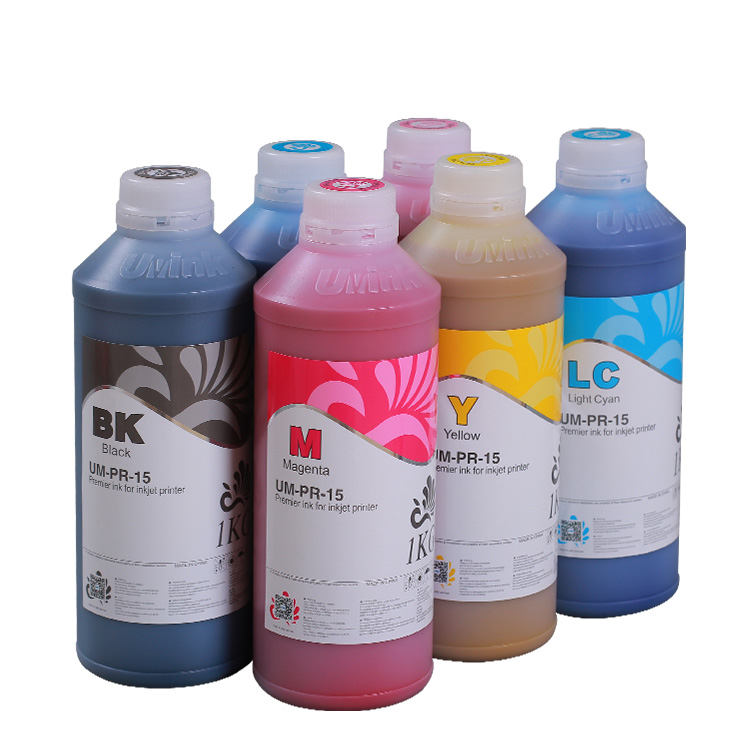 UVINK Eco Solvent Ink – Complete Industrial Buying Guide for Car Wrap Advertising Projects
 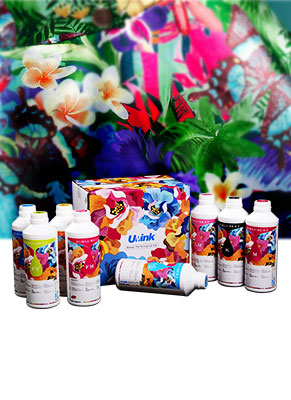 Fluorescent Sublimation Ink & Sublimation Printer Ink – Full Industrial UVINK Buyer Guide
  UVINK Economic DTF Ink – Complete Industrial Guide for DTF Printing Ink Users
 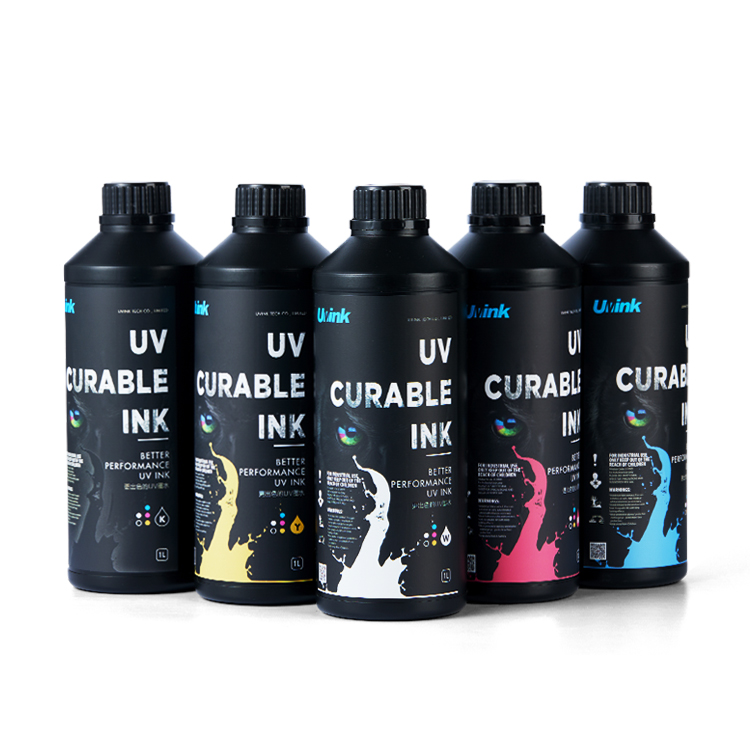 Professional‑Grade UV DTF Ink for High‑Quality UV DTF Prints – UVINK Complete Industrial Buying Guide
 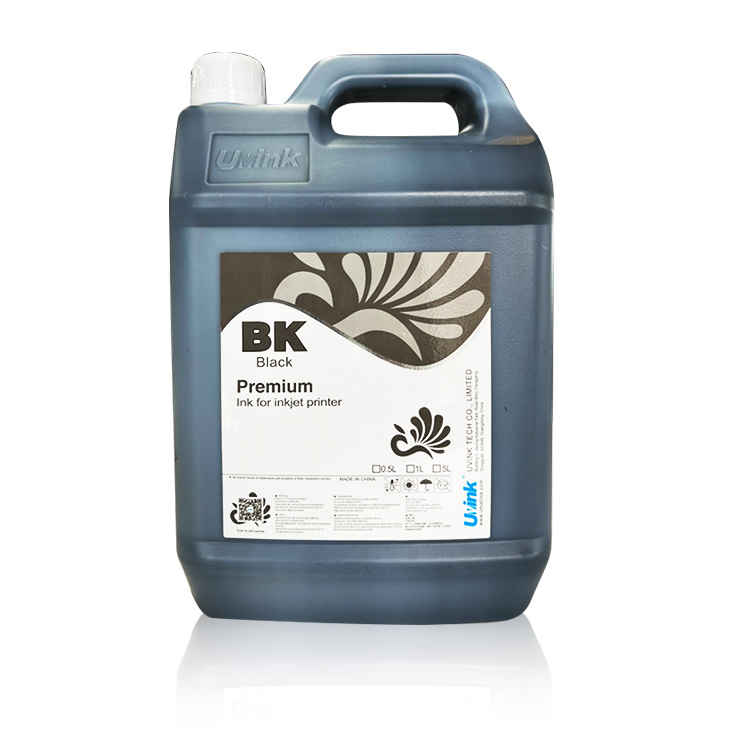 Mild Solvent Ink & Outdoor Advertising Printing – Professional Industrial Guide by UVINK
  Sublimation Ink & Epson Sublimation Ink – Full Industrial Buyer Guide by UVINK
  UVINK UV DTF Ink & What Are UV DTF Stickers – Complete Industrial Guide
 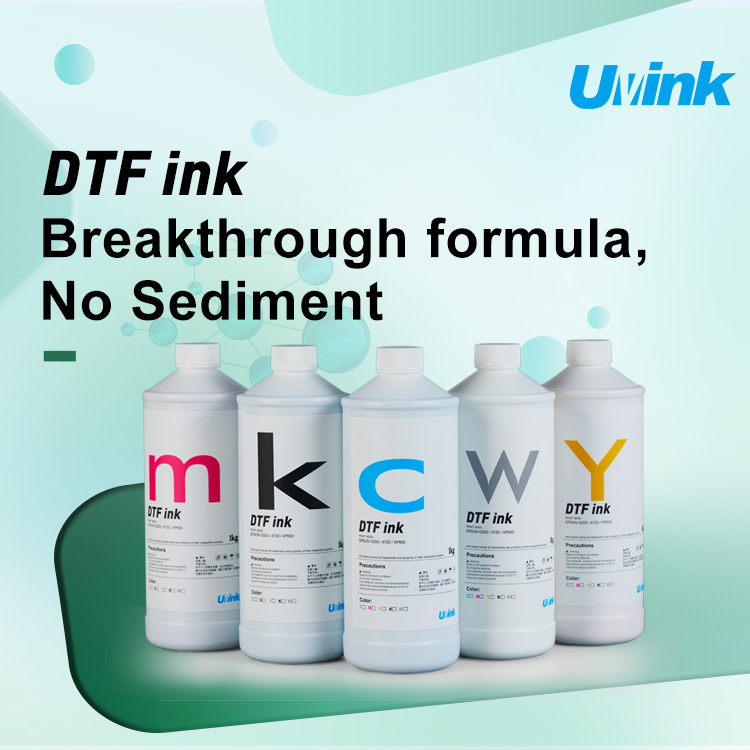 UVINK Economic DTF ink: Complete Buyer Guide for dtf for shirts Printing
  Sublimation Ink & Printer Color Ink: Industrial B2B Technical Guide
  UV DTF Ink & How to Make UV DTF Stickers: Industrial Production Guide
  Solvent Ink for Wide Format Ink Jet Printer: Industrial Technical Guide
  Sublimation Ink: Professional Technical Guide for Epson Printers
  Eco-solvent Ink: Professional Industrial Guide for Epson Pro Printers
  DTF Ink: Professional Industrial Guide for Procolored DTF Printer L1800