
Why are the inks of uv printers four primary colors?
Many customers who do not have a deep understanding of uv printers, especially
those who are familiar with traditional printing methods such as silk screen printing
and offset printing, do not understand the matching of CMYK four primary colors for
uv printers. Some customers will also raise the question of why the display screen
has three primary colors and why the uv ink has four primary colors. The application of
uv curing system in printing began in the United States. The main products are uv ink
and uv varnish for lithographic printing, which are applied to multi-color offset printing
machines. The resin used is acrylic oligomer. A drying system containing 6 high-power
ultraviolet mercury lamps of 80W/cm is used for printing, and the curing time is a few
seconds. Since then, uv curing systems have been widely used in offset printing,
letterpress printing, and screen printing.
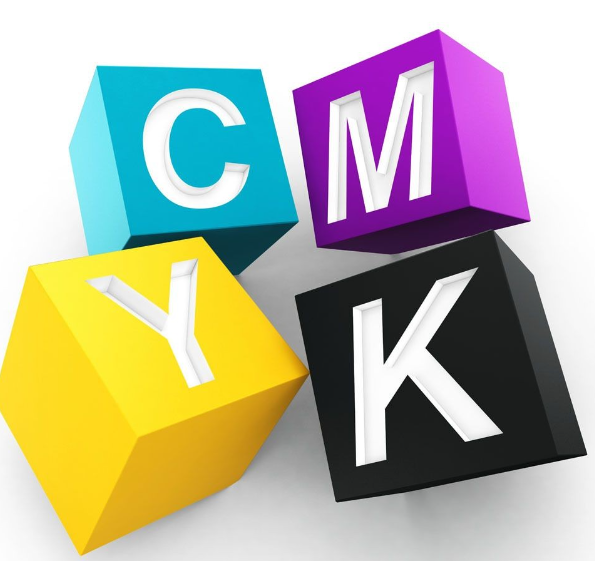
Theoretically speaking, uv printers only need three primary colors, namely cyan,
magenta and yellow, for color printing, and the color gamut that can be combined is
just like the RGB three primary colors of a display. However, due to the composition of
uv inks during the production process, the color purity will be limited. Using CMY
three primary color inks can only produce a dark brown that is close to pure black,
and black must be added to produce pure black when printing.
Therefore, a uv printer that uses uv ink as a printing consumable must add a black
color based on the theory of three primary colors. This is why uv printing adopts
the CMYK model. In the uv printing industry, it is also called four-color. In addition,
the six-color that is often heard in the market is to add Lc and Lm to the CMYK model.
Adding these two light-colored uv inks is to meet those scenes that have higher
requirements for the color of the printed pattern, such as advertising display
materials of print. The six-color model can make the printed pattern fuller in color,
more natural in transition and distinct in layering.
In addition, as the market has higher and higher requirements for the speed and
printing effect of uv printers, some manufacturers have also introduced more color
configurations, and made some spot colors other than six colors, but these
are still the same. The four-color and six-color models are the same.
 Sublimation Ink Buying Guide for sublimation printer ink | UVINK
  DTF ink Selection Guide for dtg dtf printer | UVINK
  UV DTF Ink: What Is UV DTF for Digital Printing?
  Economic DTF Ink for DTF Printer Procolored – No‑Clog, Cost‑Effective Industrial Printing Solution
  Economic‑Grade DTF Ink – Complete Industrial Guide: How To Make DTF Transfers With Inkjet Printer
  Industrial‑Grade UV DTF Ink – Complete Buying Guide for UV DTF Stickers for Tumblers Production
  UVINK Eco Solvent Ink – Complete Industrial Buying Guide for Car Wrap Advertising Projects
  Fluorescent Sublimation Ink & Sublimation Printer Ink – Full Industrial UVINK Buyer Guide
  UVINK Economic DTF Ink – Complete Industrial Guide for DTF Printing Ink Users
 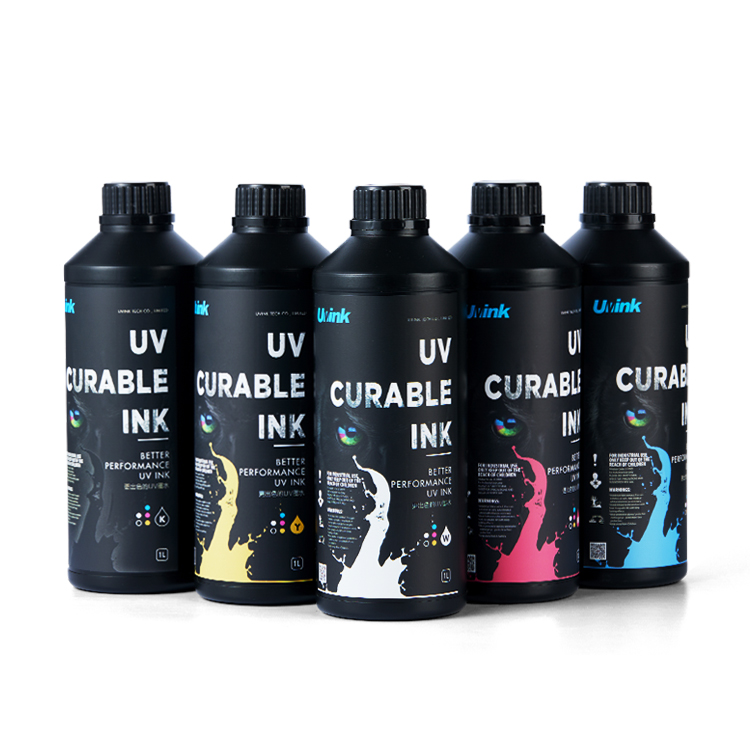 Professional‑Grade UV DTF Ink for High‑Quality UV DTF Prints – UVINK Complete Industrial Buying Guide
 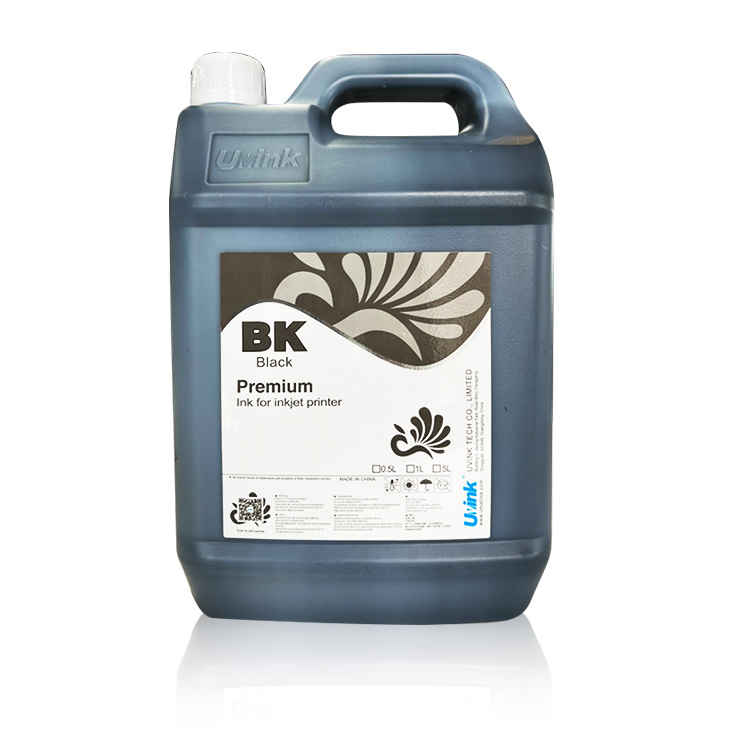 Mild Solvent Ink & Outdoor Advertising Printing – Professional Industrial Guide by UVINK
  Sublimation Ink & Epson Sublimation Ink – Full Industrial Buyer Guide by UVINK
  UVINK UV DTF Ink & What Are UV DTF Stickers – Complete Industrial Guide
 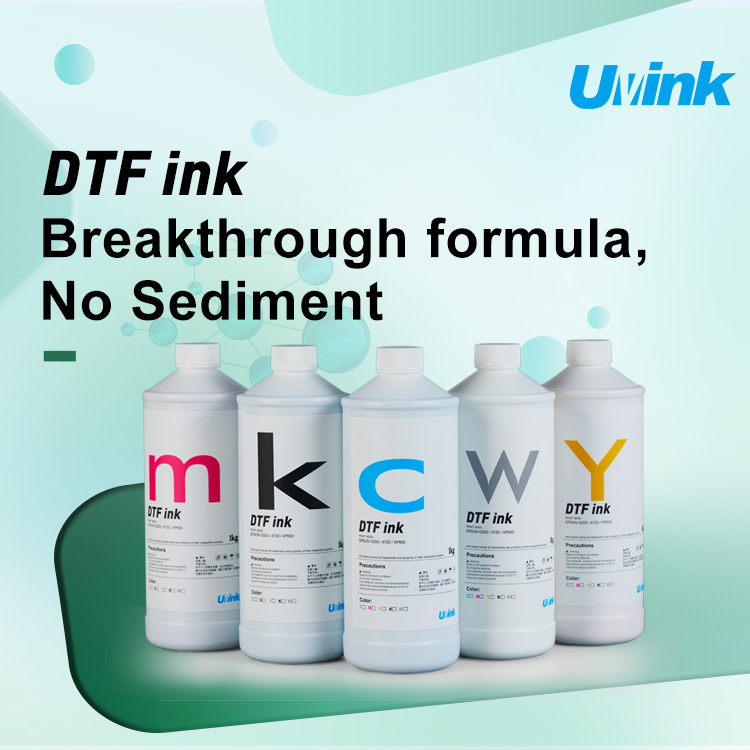 UVINK Economic DTF ink: Complete Buyer Guide for dtf for shirts Printing
  Sublimation Ink & Printer Color Ink: Industrial B2B Technical Guide
  UV DTF Ink & How to Make UV DTF Stickers: Industrial Production Guide
  Solvent Ink for Wide Format Ink Jet Printer: Industrial Technical Guide
  Sublimation Ink: Professional Technical Guide for Epson Printers
  Eco-solvent Ink: Professional Industrial Guide for Epson Pro Printers
  DTF Ink: Professional Industrial Guide for Procolored DTF Printer L1800