
How to control the viscosity of water-based ink?
author: Uvink
2023-04-26

As the main solvent of ink, water exists in a strict ratio. Adding water at will increases
the proportion of water and dilutes the ink. In fact, it changes the reasonable proportion of
various components in the ink and destroys the original ink. performance. Therefore,
it is a wrong operation to add water to ink at will, which will inevitably affect the quality of
printed products. Too much water is added, resulting in a decrease in the viscosity of
the ink, false color printing, and a decrease in color saturation. The color difference of
the printed product is obvious, and the color is seriously unevenly distributed. It also
affects the quality of the conjunctiva after the ink is dried on the printed product,
resulting in Reduced friction resistance.
The ph value of water-based ink has a lot to do with the PH value of the selected
water-based polyurethane resin or water-based acrylic resin or epoxy resin and
related additives. The main resin is weakly alkaline, and the relatively made formula
is weakly alkaline. Yes, the main resin is weakly acidic, and the ink produced is
weakly acidic. The viscosity value has a certain relationship with the added water-based
thickener and filler. Relatively speaking, the more thickener is added, the thicker it is.
Relatively speaking, the filler The more you add, the thicker it will be.
Viscosity is one of the important quality indicators of water-based ink, and it is also
an important factor in determining the printing quality. If the viscosity of ink is too low,
it will easily cause poor transferability, insufficient ink supply, uniform stripes, insufficient
ink transfer, and white spots on the printed product; if the viscosity is too high, the printed
text will be unclear, paste, and the amount of transferred ink will be too much As a result,
the ink film is too thick, prone to discoloration, difficulty in infusing and other disadvantages.
Operators must master the principle and process of ink adjustment of ink, and must not
add and adjust at will. Using a standard PH value meter during operation can easily
measure the PH value of the ink and make timely and accurate adjustments.
 Sublimation Ink Buying Guide for sublimation printer ink | UVINK
  DTF ink Selection Guide for dtg dtf printer | UVINK
  UV DTF Ink: What Is UV DTF for Digital Printing?
  Economic DTF Ink for DTF Printer Procolored – No‑Clog, Cost‑Effective Industrial Printing Solution
  Economic‑Grade DTF Ink – Complete Industrial Guide: How To Make DTF Transfers With Inkjet Printer
  Industrial‑Grade UV DTF Ink – Complete Buying Guide for UV DTF Stickers for Tumblers Production
 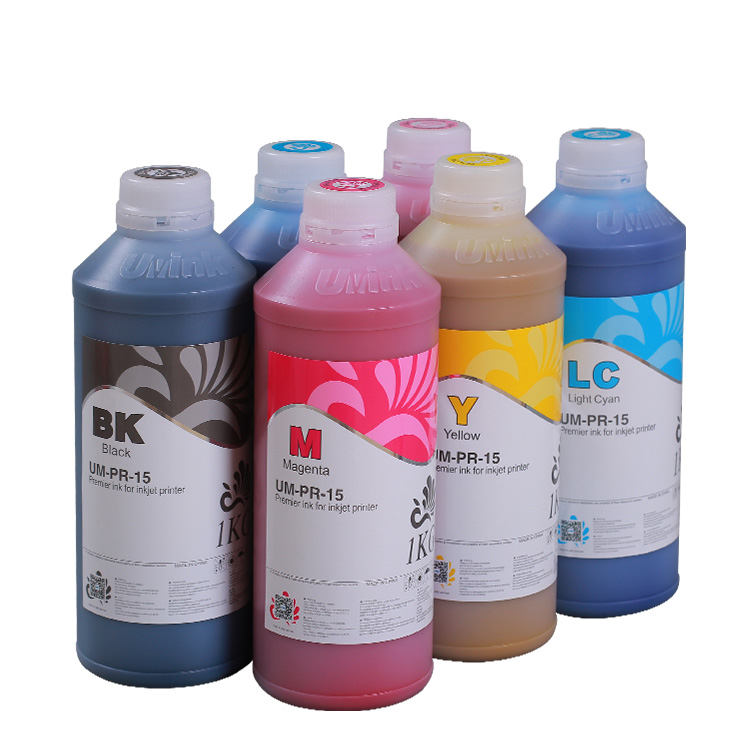 UVINK Eco Solvent Ink – Complete Industrial Buying Guide for Car Wrap Advertising Projects
 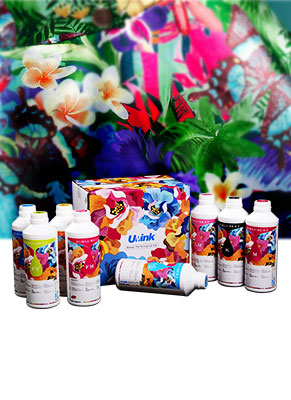 Fluorescent Sublimation Ink & Sublimation Printer Ink – Full Industrial UVINK Buyer Guide
  UVINK Economic DTF Ink – Complete Industrial Guide for DTF Printing Ink Users
 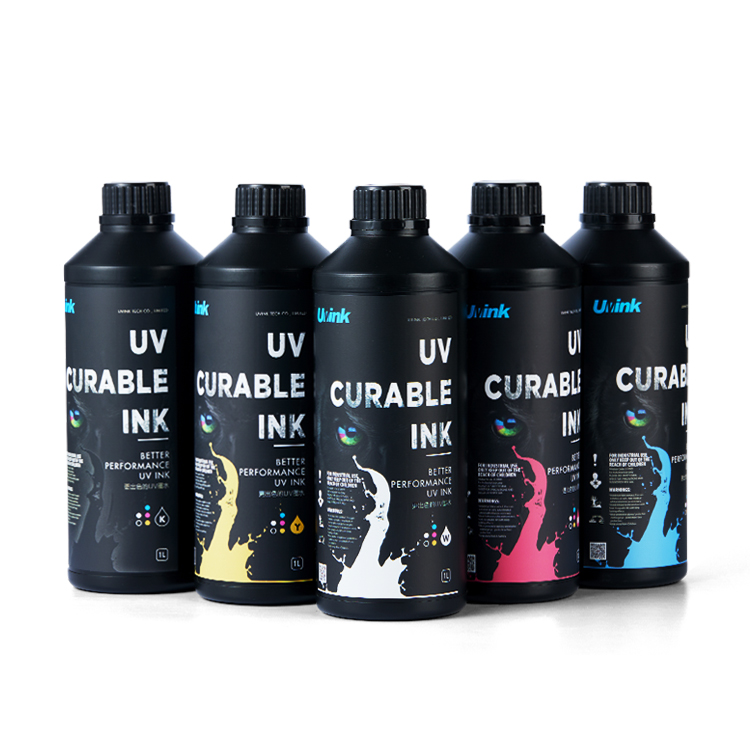 Professional‑Grade UV DTF Ink for High‑Quality UV DTF Prints – UVINK Complete Industrial Buying Guide
 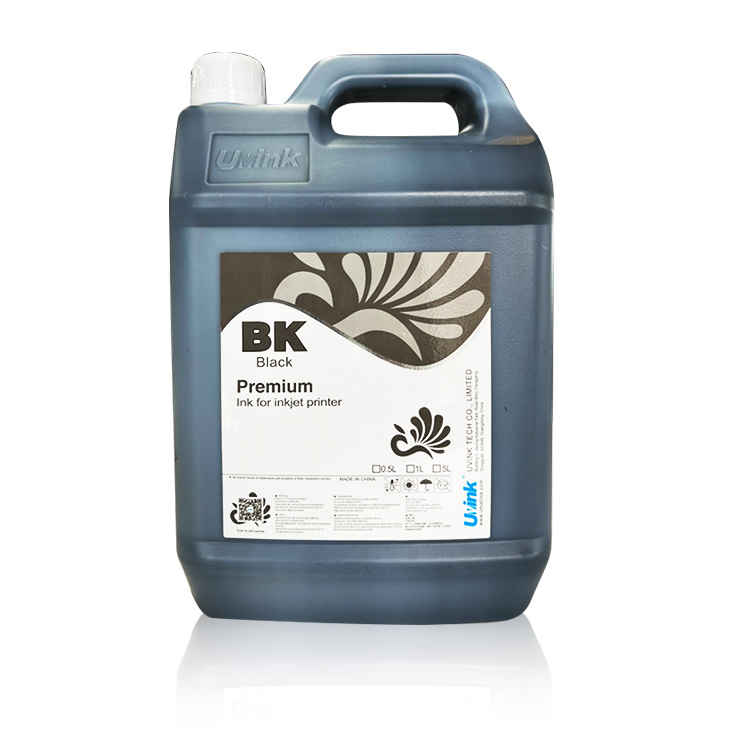 Mild Solvent Ink & Outdoor Advertising Printing – Professional Industrial Guide by UVINK
  Sublimation Ink & Epson Sublimation Ink – Full Industrial Buyer Guide by UVINK
  UVINK UV DTF Ink & What Are UV DTF Stickers – Complete Industrial Guide
 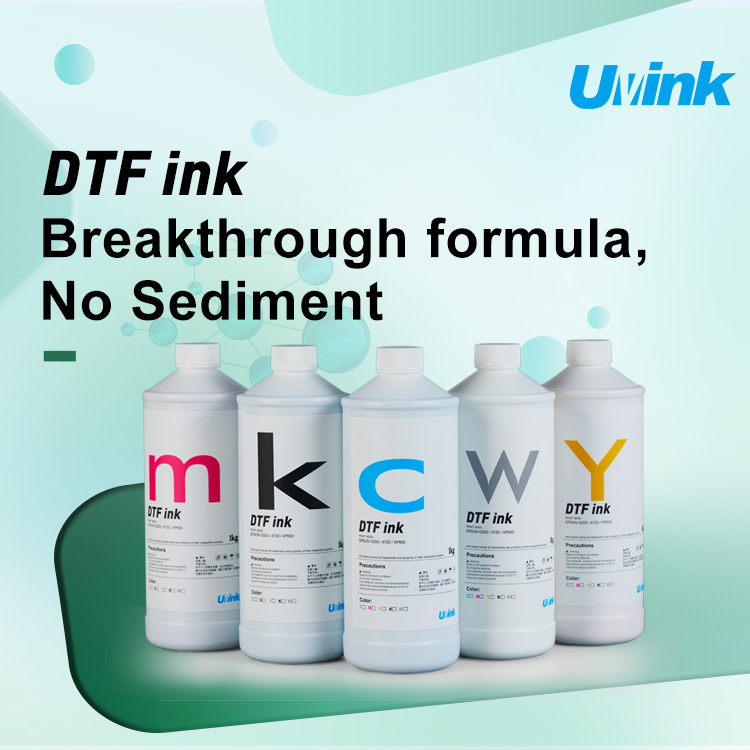 UVINK Economic DTF ink: Complete Buyer Guide for dtf for shirts Printing
  Sublimation Ink & Printer Color Ink: Industrial B2B Technical Guide
  UV DTF Ink & How to Make UV DTF Stickers: Industrial Production Guide
  Solvent Ink for Wide Format Ink Jet Printer: Industrial Technical Guide
  Sublimation Ink: Professional Technical Guide for Epson Printers
  Eco-solvent Ink: Professional Industrial Guide for Epson Pro Printers
  DTF Ink: Professional Industrial Guide for Procolored DTF Printer L1800