
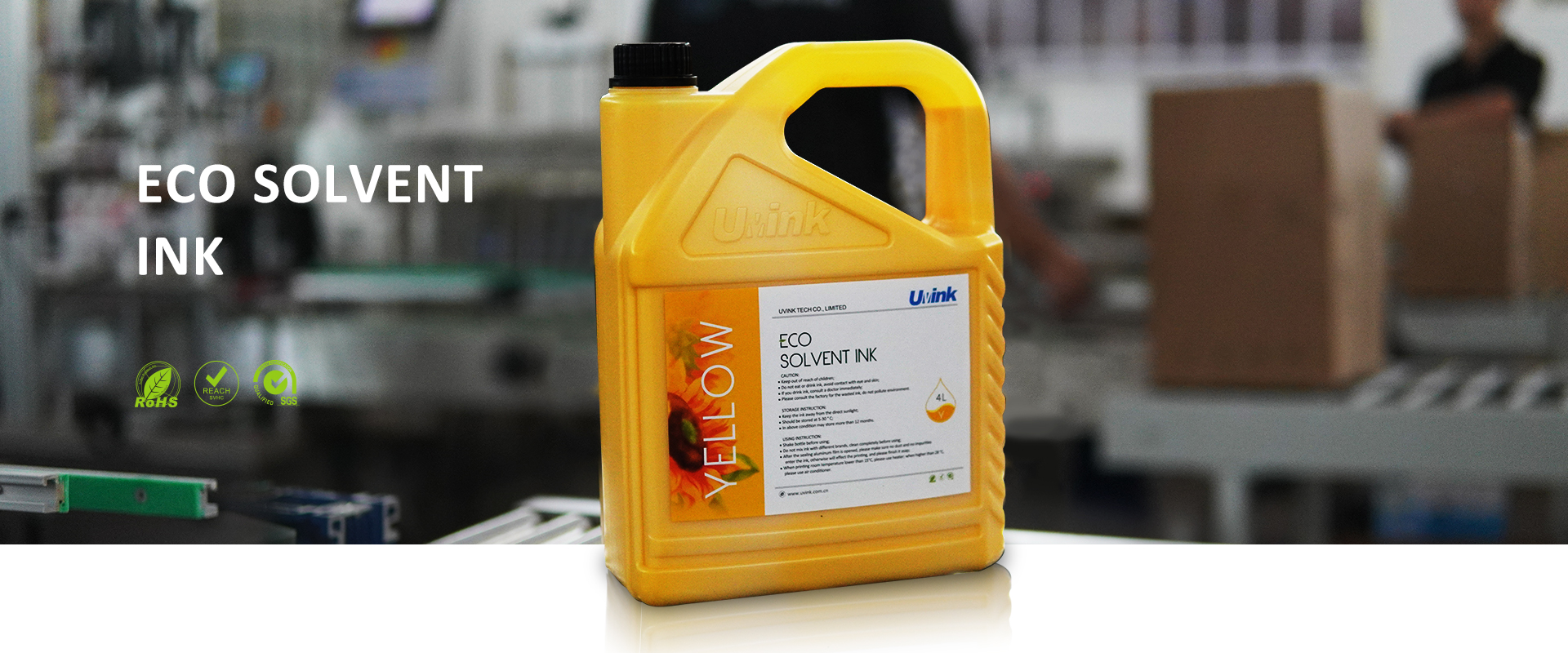
How much does humidity affect uv inks?
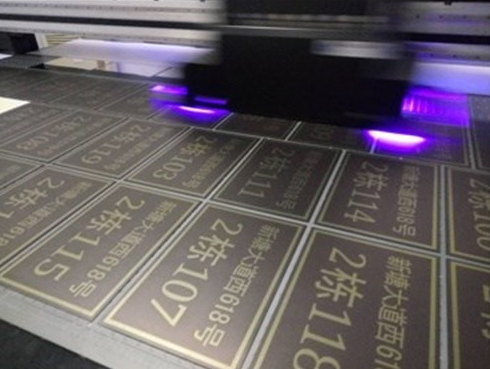
Products used in many industries, especially those used in the printing industry, do not
lack uv inks. Although uv inks are so widely used, there are still some factors that will affect
uv inks, such as the influence of temperature and humidity on the adhesion of uv inks.
Specifically: Temperature: If the temperature is low and the humidity is high,
the photocuring reaction of uv ink will be slow, and the bonding ability of the ink and
the substrate will be reduced. Therefore, the ambient temperature and humidity of
the workshop must be controlled during uv printing. The general temperature is about 18℃~25℃,
and the relative humidity is about 50%~65%. Specifically: Temperature: If the temperature
is low and the humidity is high, the photocuring reaction of the UV ink will be slow,
and the bonding ability of the ink and the substrate will be reduced. Therefore, the ambient
temperature and humidity of the workshop must be controlled during uv printing.
The general temperature is about 18℃~25℃, and the relative humidity is about 50%~65%.

Humidity: The performance of the plastic film is also changing due to climate change.
If the temperature and humidity are too high, the water absorption rate of the film is relatively
too high, and the printing ink is not easy to dry, which directly affects the gloss of the ink color.
Because the ink dries too slowly, printing will increase the drying conditions, forcing the ink
to volatilize too quickly, resulting in poor gloss and poor ink color. For example, the high
temperature and high humidity of printed nylon film are more prominent, and some phenomena
such as poor firmness are prone to occur. Based on these circumstances, near-term
production is used when using thin films. When storing the film material, try to keep it
as dry as possible, do not let it get wet, fully preheat it before use, and finally
improve the adhesion of the ink.
 Sublimation Ink Buying Guide for sublimation printer ink | UVINK
  DTF ink Selection Guide for dtg dtf printer | UVINK
  UV DTF Ink: What Is UV DTF for Digital Printing?
  Economic DTF Ink for DTF Printer Procolored – No‑Clog, Cost‑Effective Industrial Printing Solution
  Economic‑Grade DTF Ink – Complete Industrial Guide: How To Make DTF Transfers With Inkjet Printer
  Industrial‑Grade UV DTF Ink – Complete Buying Guide for UV DTF Stickers for Tumblers Production
 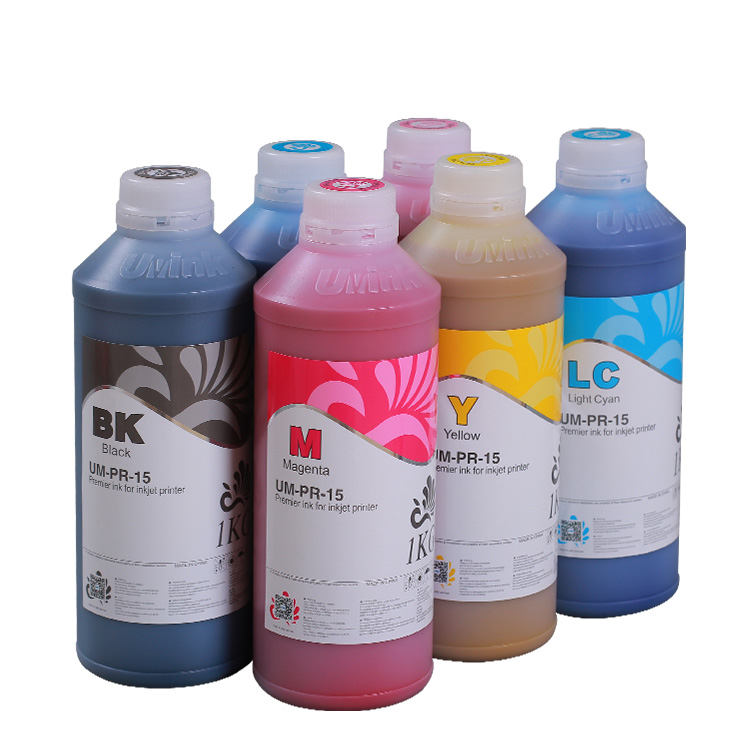 UVINK Eco Solvent Ink – Complete Industrial Buying Guide for Car Wrap Advertising Projects
  Fluorescent Sublimation Ink & Sublimation Printer Ink – Full Industrial UVINK Buyer Guide
  UVINK Economic DTF Ink – Complete Industrial Guide for DTF Printing Ink Users
 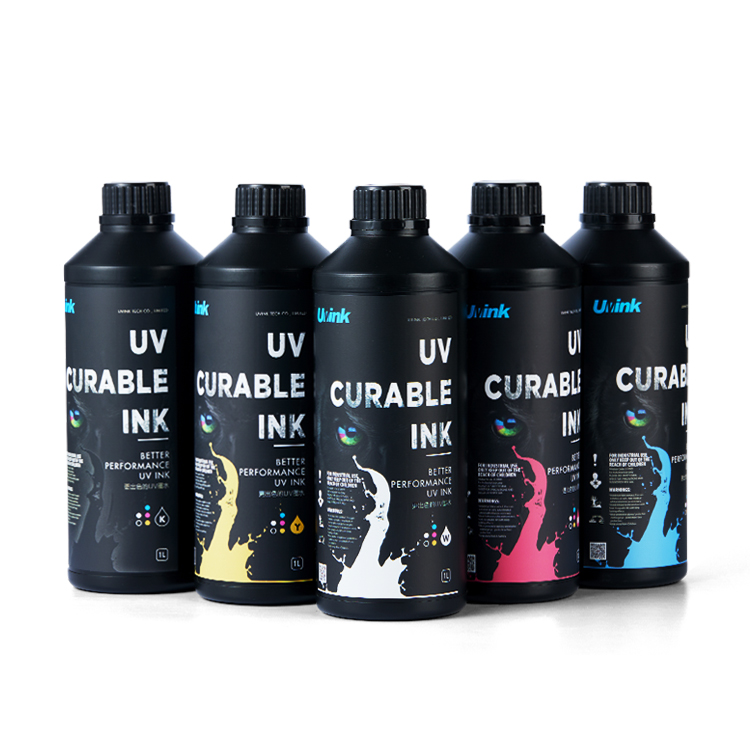 Professional‑Grade UV DTF Ink for High‑Quality UV DTF Prints – UVINK Complete Industrial Buying Guide
 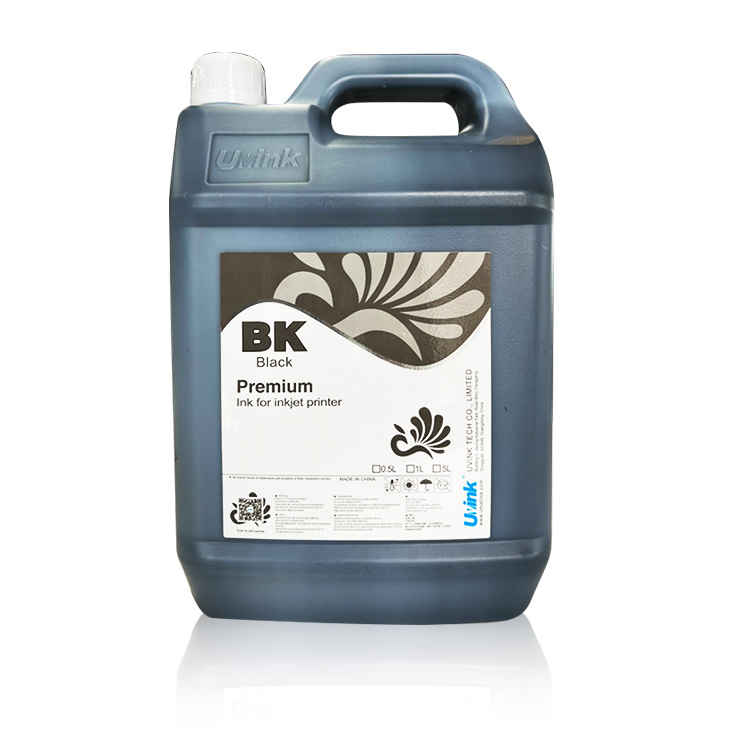 Mild Solvent Ink & Outdoor Advertising Printing – Professional Industrial Guide by UVINK
  Sublimation Ink & Epson Sublimation Ink – Full Industrial Buyer Guide by UVINK
  UVINK UV DTF Ink & What Are UV DTF Stickers – Complete Industrial Guide
 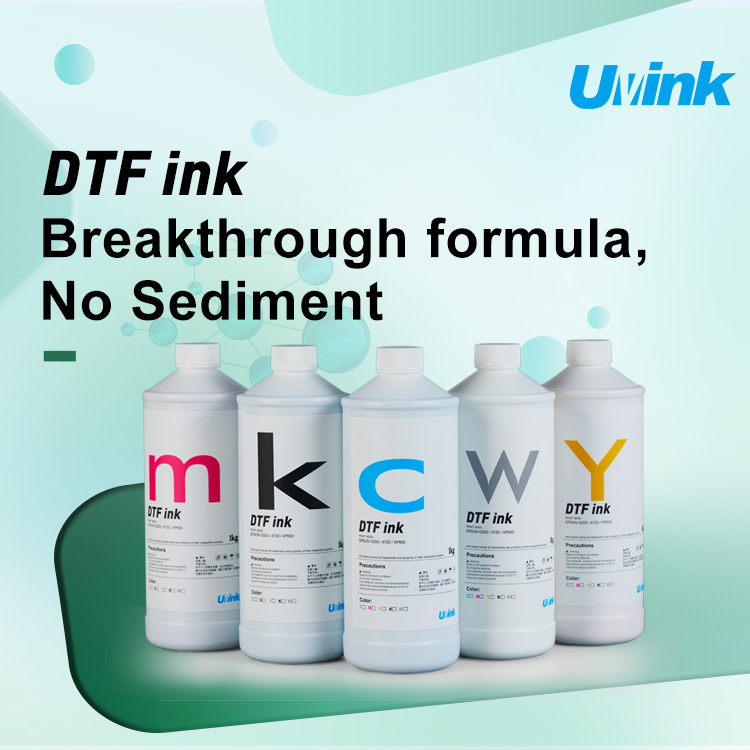 UVINK Economic DTF ink: Complete Buyer Guide for dtf for shirts Printing
  Sublimation Ink & Printer Color Ink: Industrial B2B Technical Guide
  UV DTF Ink & How to Make UV DTF Stickers: Industrial Production Guide
  Solvent Ink for Wide Format Ink Jet Printer: Industrial Technical Guide
  Sublimation Ink: Professional Technical Guide for Epson Printers
  Eco-solvent Ink: Professional Industrial Guide for Epson Pro Printers
  DTF Ink: Professional Industrial Guide for Procolored DTF Printer L1800