
What is UV sensitive monomer?
author: Uvink
2023-01-04
The main components of UV ink are polymerized prepolymers, photosensitive monomers,
photoinitiators, and auxiliary components are coloring pigments, fillers, additives
(leveling agents, polymerization inhibitors), etc.
UV ink and UV varnish need to have a viscosity suitable for the coater when coating.
Generally, 20%~80% monomer is added to reduce the viscosity of the prepolymer.
At the same time, the monomer polymerizes itself and becomes a part of the curing film.
Active diluent, also called cross-linked monomer, is a functional monomer. Its role in ink is
to adjust the viscosity, curing speed and curing film performance of ink.
The active diluent also contains "C=C" unsaturated double bond structurally, which can be
acryloyl, methylpropylacyl, vinyl and allyl. In view of the fastest light curing speed of
acryloyl group, most active diluents currently used are acrylate monomers.
Due to the different amount of acryloyl group, it can be divided into mono functional
group and bifunctional group. The release effect and curing speed of active diluents with
various functional groups are different. Generally speaking, the more functionality, the
faster the curing speed, but the worse the dilution effect.What is UV sensitive monomer?
Traditional active diluents, such as styrene and the first generation acrylate monomer,
are highly toxic, and some acrylate monomers have strong skin irritation.
In order to reduce the skin irritation of active diluents, there are usually two methods:
one is to increase the molecular weight of monomer by ring opening polymerization
of ethylene oxide, propylene oxide and hexyl ester; The second is to change the ester
structure of monomer; Another is to change the previous method of alcohol esterification.
The skin irritation of multifunctional monomers is greatly reduced by using alcohol addition
to acryloyl group. For example, when neopentyl glycol diacrylate is synthesized by
esterification, its PH value (skin irritation index) is 4.96, while when it is synthesized by
addition method, its PH value is 0.3.
Recently, some monomers with good performance have been developed, such as
alkoxyacrylate, carbonate monoacrylate, imidazolyl monoacrylate, cyclic carbonate
monoacrylate, epoxy silicone monomer, silicone acrylate and vinyl ether monomer.
The following principles shall be followed when selecting monomer:
a. Low viscosity, good dilution effect;
B. Fast curing;
c. Good adhesion on materials;
d. It is less irritating and toxic to skin;
e. No odor left in the coating.
photoinitiators, and auxiliary components are coloring pigments, fillers, additives
(leveling agents, polymerization inhibitors), etc.
UV ink and UV varnish need to have a viscosity suitable for the coater when coating.
Generally, 20%~80% monomer is added to reduce the viscosity of the prepolymer.
At the same time, the monomer polymerizes itself and becomes a part of the curing film.
Active diluent, also called cross-linked monomer, is a functional monomer. Its role in ink is
to adjust the viscosity, curing speed and curing film performance of ink.
The active diluent also contains "C=C" unsaturated double bond structurally, which can be
acryloyl, methylpropylacyl, vinyl and allyl. In view of the fastest light curing speed of
acryloyl group, most active diluents currently used are acrylate monomers.
Due to the different amount of acryloyl group, it can be divided into mono functional
group and bifunctional group. The release effect and curing speed of active diluents with
various functional groups are different. Generally speaking, the more functionality, the
faster the curing speed, but the worse the dilution effect.What is UV sensitive monomer?
Traditional active diluents, such as styrene and the first generation acrylate monomer,
are highly toxic, and some acrylate monomers have strong skin irritation.
In order to reduce the skin irritation of active diluents, there are usually two methods:
one is to increase the molecular weight of monomer by ring opening polymerization
of ethylene oxide, propylene oxide and hexyl ester; The second is to change the ester
structure of monomer; Another is to change the previous method of alcohol esterification.
The skin irritation of multifunctional monomers is greatly reduced by using alcohol addition
to acryloyl group. For example, when neopentyl glycol diacrylate is synthesized by
esterification, its PH value (skin irritation index) is 4.96, while when it is synthesized by
addition method, its PH value is 0.3.
Recently, some monomers with good performance have been developed, such as
alkoxyacrylate, carbonate monoacrylate, imidazolyl monoacrylate, cyclic carbonate
monoacrylate, epoxy silicone monomer, silicone acrylate and vinyl ether monomer.
The following principles shall be followed when selecting monomer:
a. Low viscosity, good dilution effect;
B. Fast curing;
c. Good adhesion on materials;
d. It is less irritating and toxic to skin;
e. No odor left in the coating.
 Sublimation Ink Buying Guide for sublimation printer ink | UVINK
  DTF ink Selection Guide for dtg dtf printer | UVINK
  UV DTF Ink: What Is UV DTF for Digital Printing?
  Economic DTF Ink for DTF Printer Procolored – No‑Clog, Cost‑Effective Industrial Printing Solution
  Economic‑Grade DTF Ink – Complete Industrial Guide: How To Make DTF Transfers With Inkjet Printer
  Industrial‑Grade UV DTF Ink – Complete Buying Guide for UV DTF Stickers for Tumblers Production
  UVINK Eco Solvent Ink – Complete Industrial Buying Guide for Car Wrap Advertising Projects
 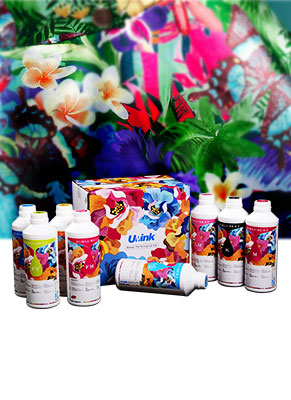 Fluorescent Sublimation Ink & Sublimation Printer Ink – Full Industrial UVINK Buyer Guide
  UVINK Economic DTF Ink – Complete Industrial Guide for DTF Printing Ink Users
 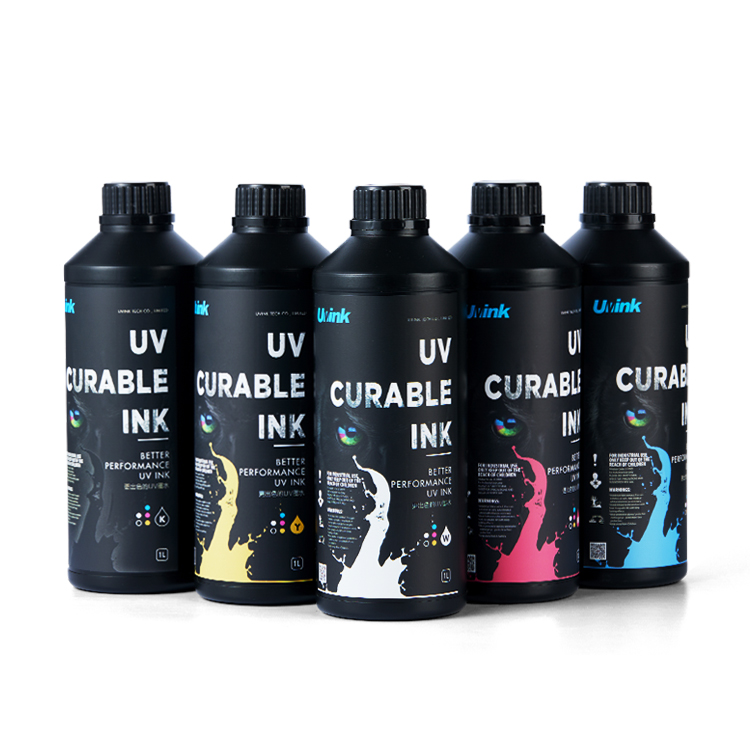 Professional‑Grade UV DTF Ink for High‑Quality UV DTF Prints – UVINK Complete Industrial Buying Guide
 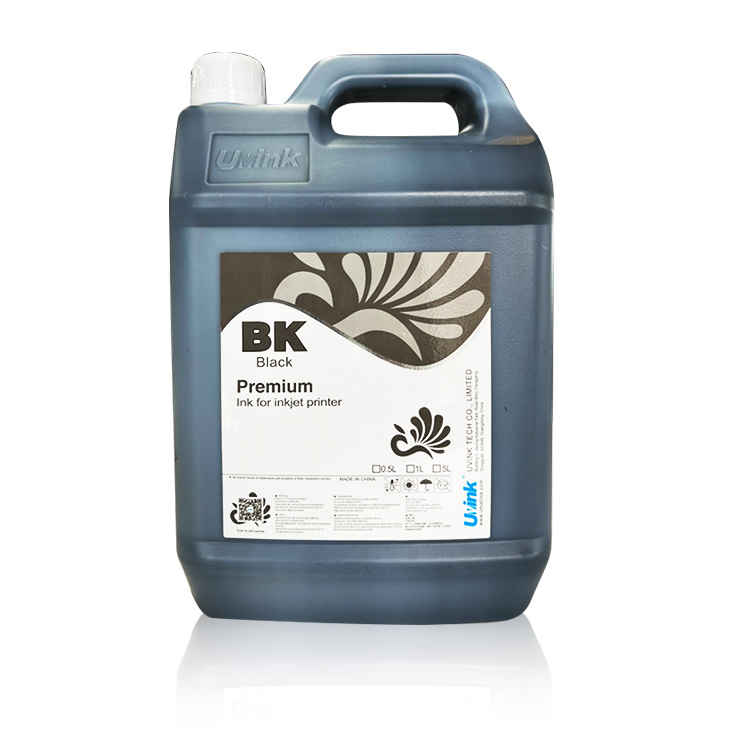 Mild Solvent Ink & Outdoor Advertising Printing – Professional Industrial Guide by UVINK
  Sublimation Ink & Epson Sublimation Ink – Full Industrial Buyer Guide by UVINK
  UVINK UV DTF Ink & What Are UV DTF Stickers – Complete Industrial Guide
 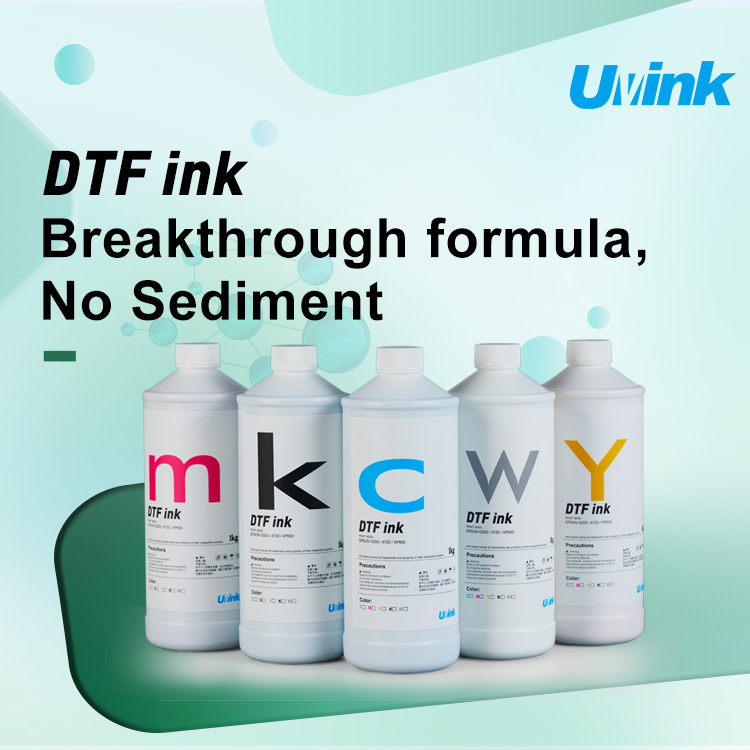 UVINK Economic DTF ink: Complete Buyer Guide for dtf for shirts Printing
  Sublimation Ink & Printer Color Ink: Industrial B2B Technical Guide
  UV DTF Ink & How to Make UV DTF Stickers: Industrial Production Guide
  Solvent Ink for Wide Format Ink Jet Printer: Industrial Technical Guide
  Sublimation Ink: Professional Technical Guide for Epson Printers
  Eco-solvent Ink: Professional Industrial Guide for Epson Pro Printers
  DTF Ink: Professional Industrial Guide for Procolored DTF Printer L1800