
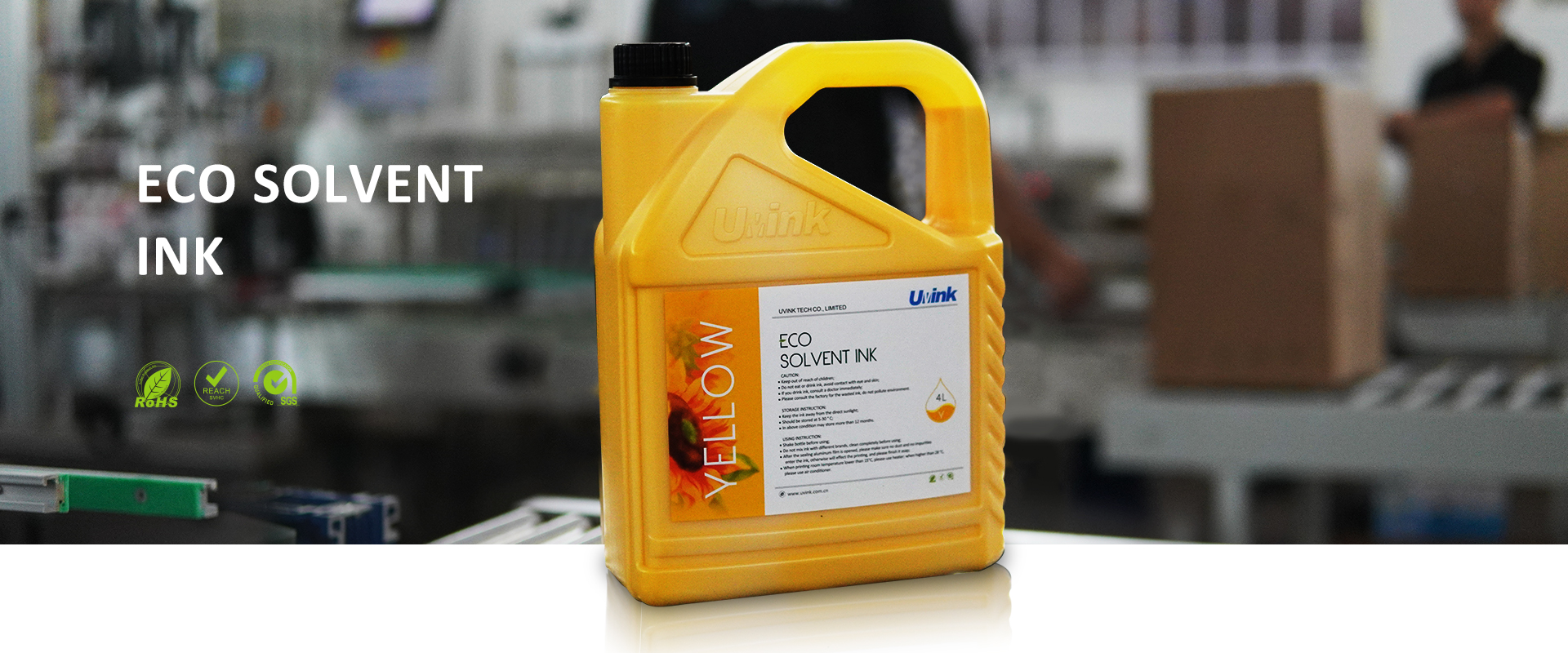
What kind of fabric and production process does the T-shirt have?
author: Uvink
2023-03-07
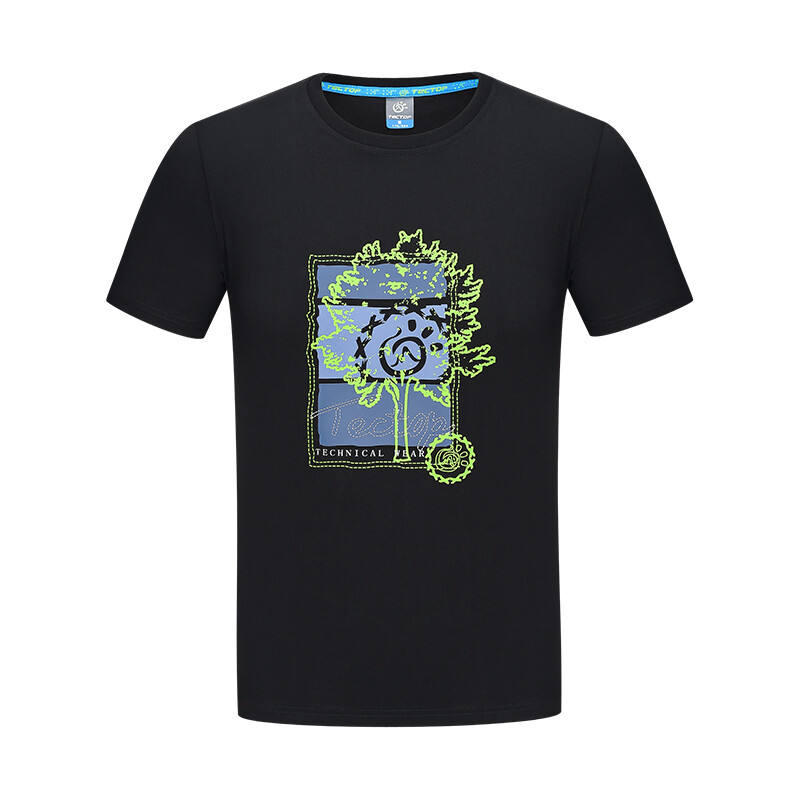
Pure cotton is the most commonly used T-shirt fabric. It has the characteristics of comfort,
good skin-friendliness, good air permeability, good moisture absorption, and environmental
protection. If you don't pursue brands, then pure cotton T-shirts should be the most
cost-effective choice among ordinary T-shirts; polyester-cotton, this kind of fabric is not
easy to deform or wrinkle. The feel of the fabric is a bit hard, and the comfort is not as good
as that of pure cotton, but it is also soft and thick. Generally speaking, 65% cotton T-shirt
fabric is still acceptable, but if it is 35% cotton, don’t ask for it, it is uncomfortable and pilling.
Hand-painted printing is to draw on the T-shirt by hand using a pen. The commonly used
pigments are textile dyes and acrylic paints. Because it is drawn by hand, the experience and
technology of the painter have a great influence on the entire printing process. And once
a mistake is made, it is inconvenient to change it. The paint and labor costs of hand-painted
t-shirts are very high.
The ink printing process is also called heat-setting ink printing, which uses chemical ink
as a pigment, and the ink is solidified on the fabric under the action of high temperature.
The ink printing process also needs to make a printing plate, but compared with the water
slurry, the ink printing process has poor air permeability, and at the same time, it will be
easier to fall off when using this printing process on chemical fiber clothes. However,
T-shirts and Polo shirts can reduce the possibility of shedding by using this printing process.
digital printing.Digital inkjet printing is a new technology, mainly including drilling, splicing,
stringing, peritoneal, cutting and other processes. But the technology is relatively mature,
but it is inseparable from a professional digital inkjet printer. Of course, digital direct
printing also has many advantages that cannot be compared with traditional printing.
In addition to large-scale printing, precise and uniform printing is also possible.
And there are patterns that are colorfast, breathable, odorless, non-toxic, etc.
 Sublimation Ink Buying Guide for sublimation printer ink | UVINK
  DTF ink Selection Guide for dtg dtf printer | UVINK
  UV DTF Ink: What Is UV DTF for Digital Printing?
  Economic DTF Ink for DTF Printer Procolored – No‑Clog, Cost‑Effective Industrial Printing Solution
  Economic‑Grade DTF Ink – Complete Industrial Guide: How To Make DTF Transfers With Inkjet Printer
  Industrial‑Grade UV DTF Ink – Complete Buying Guide for UV DTF Stickers for Tumblers Production
  UVINK Eco Solvent Ink – Complete Industrial Buying Guide for Car Wrap Advertising Projects
  Fluorescent Sublimation Ink & Sublimation Printer Ink – Full Industrial UVINK Buyer Guide
  UVINK Economic DTF Ink – Complete Industrial Guide for DTF Printing Ink Users
 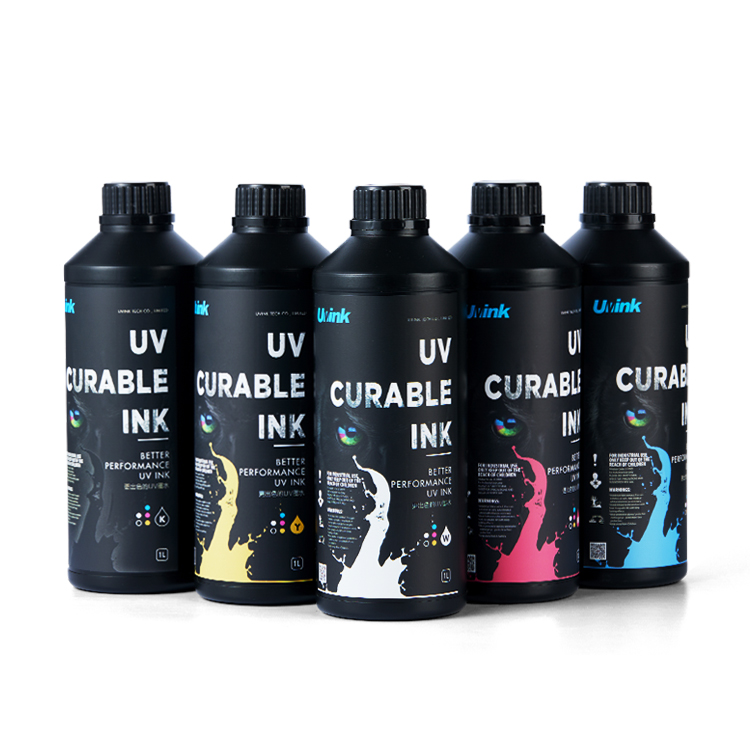 Professional‑Grade UV DTF Ink for High‑Quality UV DTF Prints – UVINK Complete Industrial Buying Guide
 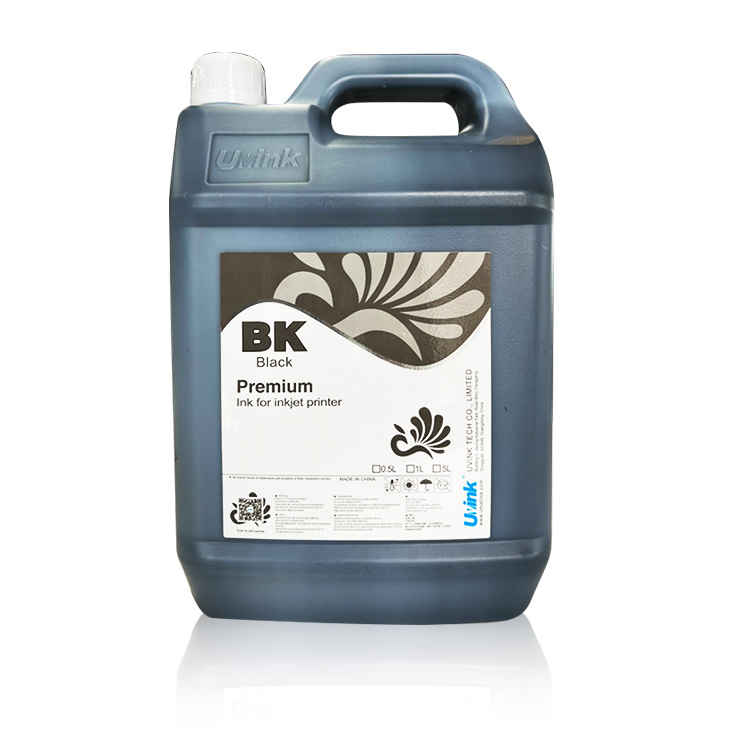 Mild Solvent Ink & Outdoor Advertising Printing – Professional Industrial Guide by UVINK
  Sublimation Ink & Epson Sublimation Ink – Full Industrial Buyer Guide by UVINK
  UVINK UV DTF Ink & What Are UV DTF Stickers – Complete Industrial Guide
 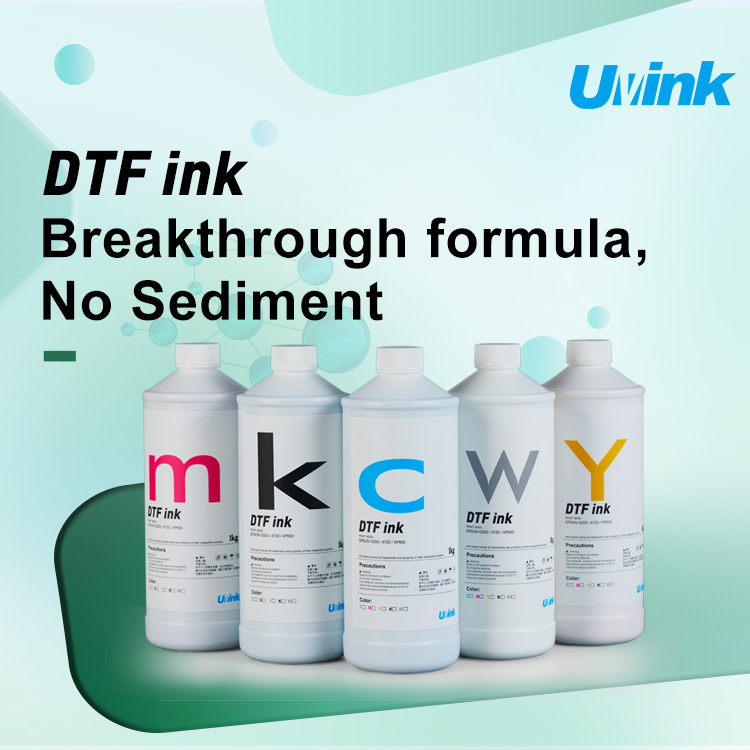 UVINK Economic DTF ink: Complete Buyer Guide for dtf for shirts Printing
  Sublimation Ink & Printer Color Ink: Industrial B2B Technical Guide
  UV DTF Ink & How to Make UV DTF Stickers: Industrial Production Guide
  Solvent Ink for Wide Format Ink Jet Printer: Industrial Technical Guide
  Sublimation Ink: Professional Technical Guide for Epson Printers
  Eco-solvent Ink: Professional Industrial Guide for Epson Pro Printers
  DTF Ink: Professional Industrial Guide for Procolored DTF Printer L1800