
Basic principles of clothing hot stamping
author: Uvink
2022-12-20
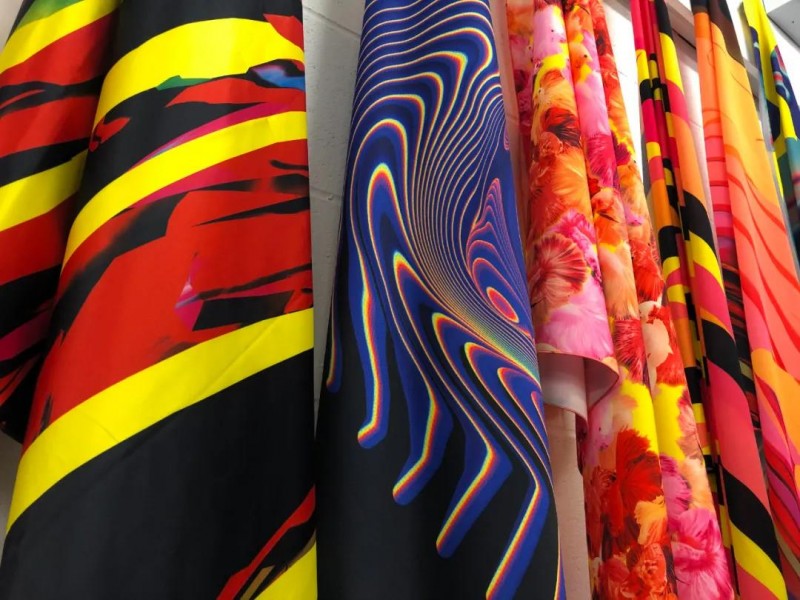
Basic principles of clothing hot stampingFirst, the pattern is printed on the pet film coated
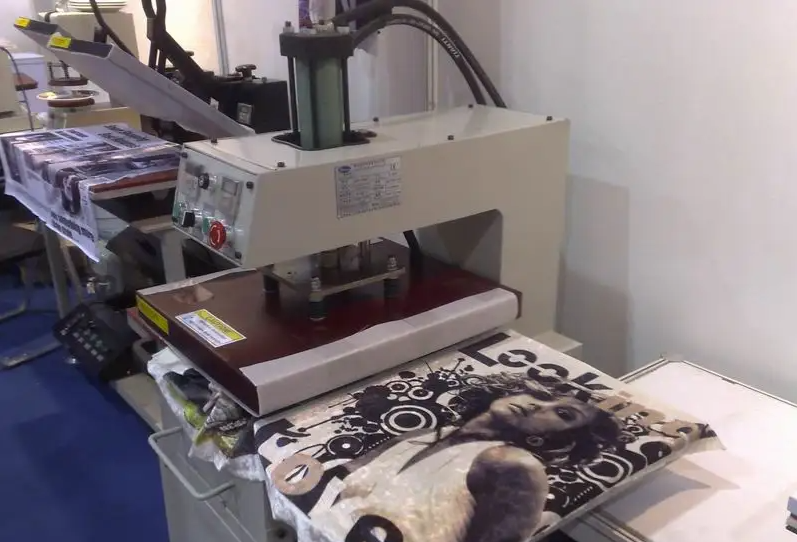
with release agent. After drying, the patterned film is ironed to the surface of clothes or other
fabrics through high temperature and high pressure, leaving the pattern and tearing away the
waste film to complete the hot stamping process. Therefore, this way, it is called "hot stamping",
also called "heat transfer hot stamping". This way of hot printing, almost suitable for all clothing,
all cloth, the premise is to face different cloth, have to take different printing process. Especially
the high elastic drawstring cloth, the cloth itself has strong elasticity. At this time, if the glue coating
is not used properly, it will be made into clothes and worn. When doing outdoor activities, the
pattern parts will be easy to crack due to the intense stretching and exercise of the limbs, which
will affect the quality of the clothes and eventually the reputation of the ground.
Basic principles of clothing hot stamping.Clothing hot stamping, and can be subdivided into
gum hot stamping and inkjet hot stamping. Gelatinous hot stamping suitable for batch operation,
need to use a large four-color printing press to print, and then apply back glue after printing. Plate
making fee and boot fee are relatively high, usually more than 500 copies can be used in this
process, otherwise the cost is too high. The proofing fee is usually several hundred yuan. Inkjet hot
stamping refers to the need for inkjet printer printing on special transfer paper, can be single
printing, so the proofing cost is very cheap, only need dozens of yuan, suitable for family workshop
operation, but not suitable for printing dark clothes.
Gelatine clothing hot stamping advantages: it can print high-precision photos of characters and 3D game
animation patterns, such as colorful, full of layers and delicate colors, which can be very close to the
computer design draft. Disadvantages: The hand feel is not perfect. When touching with the hand,
there is a gelatinous feeling, just like a piece of plastic film close to the skin. When the pattern is too
large, this dress will have a stuffy feeling on the body, because it is not breathable. If only for clothing
products to do small pattern decoration, it is best. Of course, do luggage products, do not have to
worry about whether it is breathable.
Ink, T-shirt cloth, transfer paper are divided into two categories: sublimation class and hot stamping
class, sublimation class: the use of sublimation ink and sublimation paper, ordinary paper can also
be printed, but the transfer effect is not complete, the color is poor; You can print cups, plates, and
chemical fiber T-shirts containing less than 40% cotton, such as mercerized cotton, sublimated
cotton, sports cotton, bead cotton and other types of T-shirts. Hot stamping: Use special pigment
ink for hot stamping, such as DTF ink, use cotton printing T-shirt, transfer paper light paper, printer
usually uses Epson series such as EpsonXP600.
with release agent. After drying, the patterned film is ironed to the surface of clothes or other
fabrics through high temperature and high pressure, leaving the pattern and tearing away the
waste film to complete the hot stamping process. Therefore, this way, it is called "hot stamping",
also called "heat transfer hot stamping". This way of hot printing, almost suitable for all clothing,
all cloth, the premise is to face different cloth, have to take different printing process. Especially
the high elastic drawstring cloth, the cloth itself has strong elasticity. At this time, if the glue coating
is not used properly, it will be made into clothes and worn. When doing outdoor activities, the
pattern parts will be easy to crack due to the intense stretching and exercise of the limbs, which
will affect the quality of the clothes and eventually the reputation of the ground.
Basic principles of clothing hot stamping.Clothing hot stamping, and can be subdivided into
gum hot stamping and inkjet hot stamping. Gelatinous hot stamping suitable for batch operation,
need to use a large four-color printing press to print, and then apply back glue after printing. Plate
making fee and boot fee are relatively high, usually more than 500 copies can be used in this
process, otherwise the cost is too high. The proofing fee is usually several hundred yuan. Inkjet hot
stamping refers to the need for inkjet printer printing on special transfer paper, can be single
printing, so the proofing cost is very cheap, only need dozens of yuan, suitable for family workshop
operation, but not suitable for printing dark clothes.
Gelatine clothing hot stamping advantages: it can print high-precision photos of characters and 3D game
animation patterns, such as colorful, full of layers and delicate colors, which can be very close to the
computer design draft. Disadvantages: The hand feel is not perfect. When touching with the hand,
there is a gelatinous feeling, just like a piece of plastic film close to the skin. When the pattern is too
large, this dress will have a stuffy feeling on the body, because it is not breathable. If only for clothing
products to do small pattern decoration, it is best. Of course, do luggage products, do not have to
worry about whether it is breathable.
Ink, T-shirt cloth, transfer paper are divided into two categories: sublimation class and hot stamping
class, sublimation class: the use of sublimation ink and sublimation paper, ordinary paper can also
be printed, but the transfer effect is not complete, the color is poor; You can print cups, plates, and
chemical fiber T-shirts containing less than 40% cotton, such as mercerized cotton, sublimated
cotton, sports cotton, bead cotton and other types of T-shirts. Hot stamping: Use special pigment
ink for hot stamping, such as DTF ink, use cotton printing T-shirt, transfer paper light paper, printer
usually uses Epson series such as EpsonXP600.
 Sublimation Ink Buying Guide for sublimation printer ink | UVINK
  DTF ink Selection Guide for dtg dtf printer | UVINK
  UV DTF Ink: What Is UV DTF for Digital Printing?
  Economic DTF Ink for DTF Printer Procolored – No‑Clog, Cost‑Effective Industrial Printing Solution
  Economic‑Grade DTF Ink – Complete Industrial Guide: How To Make DTF Transfers With Inkjet Printer
  Industrial‑Grade UV DTF Ink – Complete Buying Guide for UV DTF Stickers for Tumblers Production
  UVINK Eco Solvent Ink – Complete Industrial Buying Guide for Car Wrap Advertising Projects
 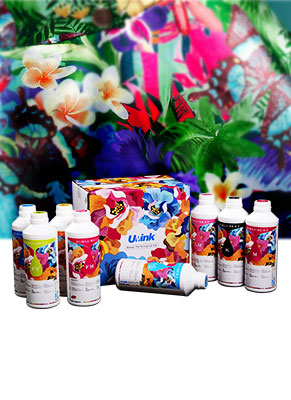 Fluorescent Sublimation Ink & Sublimation Printer Ink – Full Industrial UVINK Buyer Guide
  UVINK Economic DTF Ink – Complete Industrial Guide for DTF Printing Ink Users
 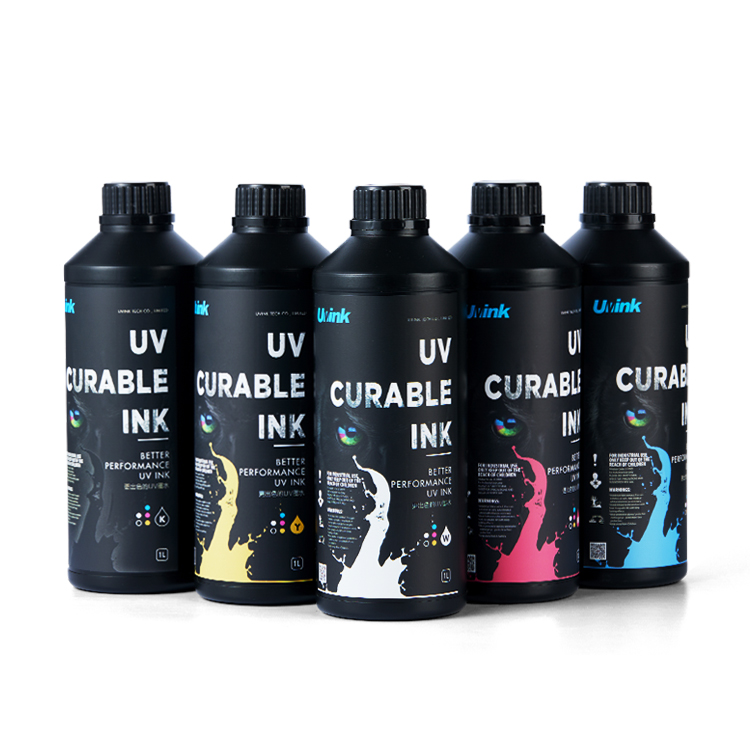 Professional‑Grade UV DTF Ink for High‑Quality UV DTF Prints – UVINK Complete Industrial Buying Guide
 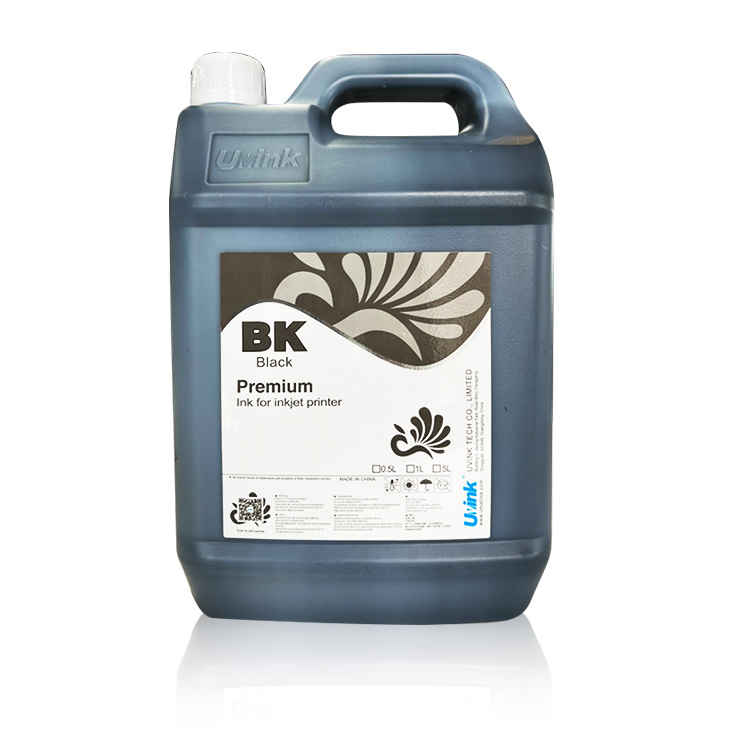 Mild Solvent Ink & Outdoor Advertising Printing – Professional Industrial Guide by UVINK
  Sublimation Ink & Epson Sublimation Ink – Full Industrial Buyer Guide by UVINK
  UVINK UV DTF Ink & What Are UV DTF Stickers – Complete Industrial Guide
 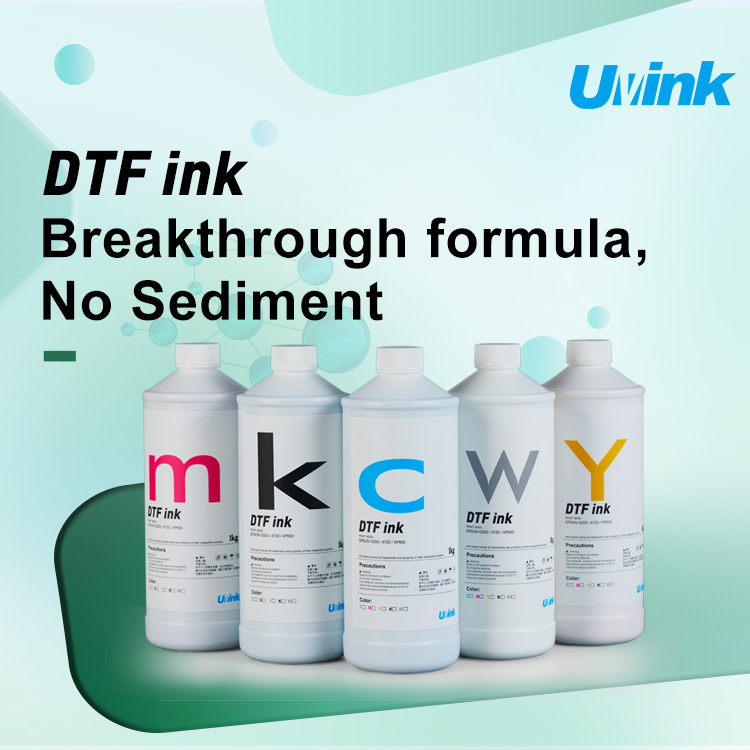 UVINK Economic DTF ink: Complete Buyer Guide for dtf for shirts Printing
  Sublimation Ink & Printer Color Ink: Industrial B2B Technical Guide
  UV DTF Ink & How to Make UV DTF Stickers: Industrial Production Guide
  Solvent Ink for Wide Format Ink Jet Printer: Industrial Technical Guide
 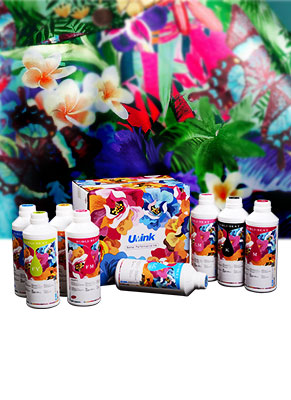 Sublimation Ink: Professional Technical Guide for Epson Printers
  Eco-solvent Ink: Professional Industrial Guide for Epson Pro Printers
  DTF Ink: Professional Industrial Guide for Procolored DTF Printer L1800