
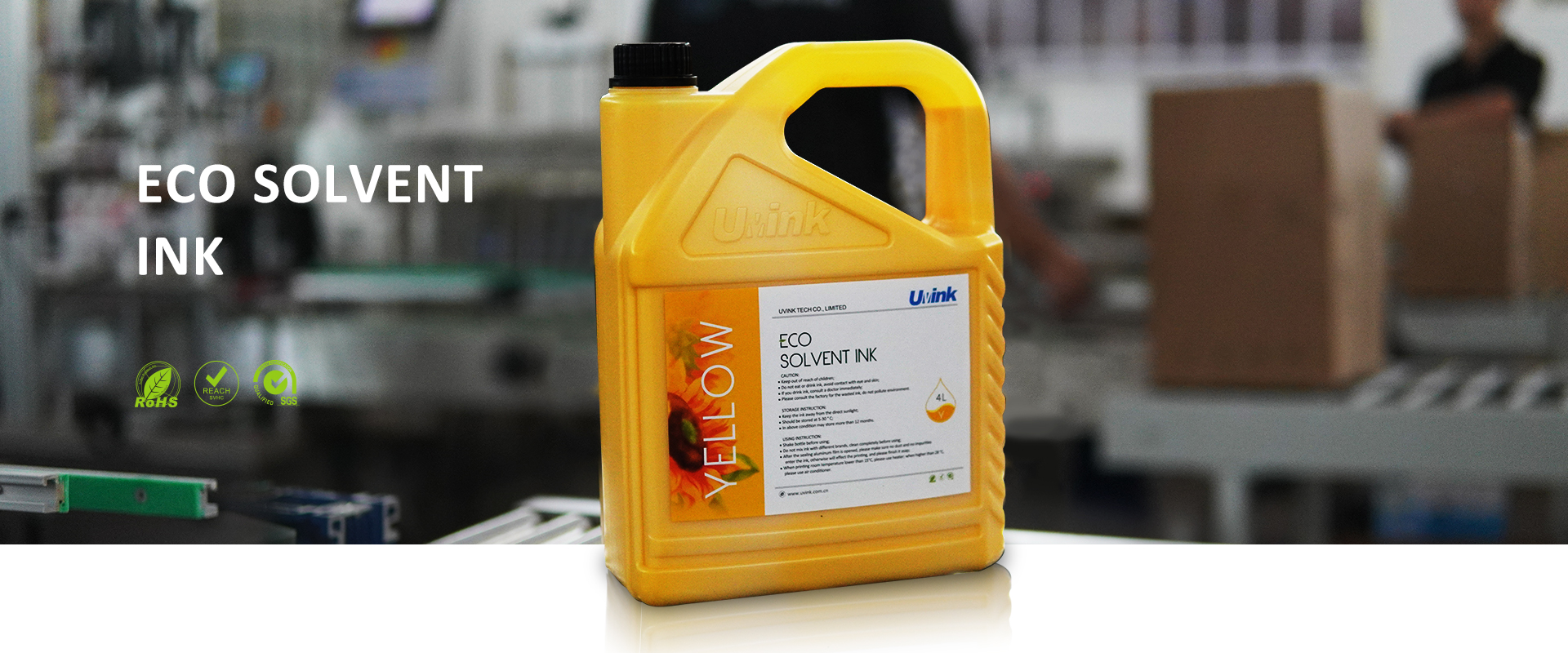
Selection of soft ink and hard ink for uv panel printer.
author: Uvink
2022-11-28
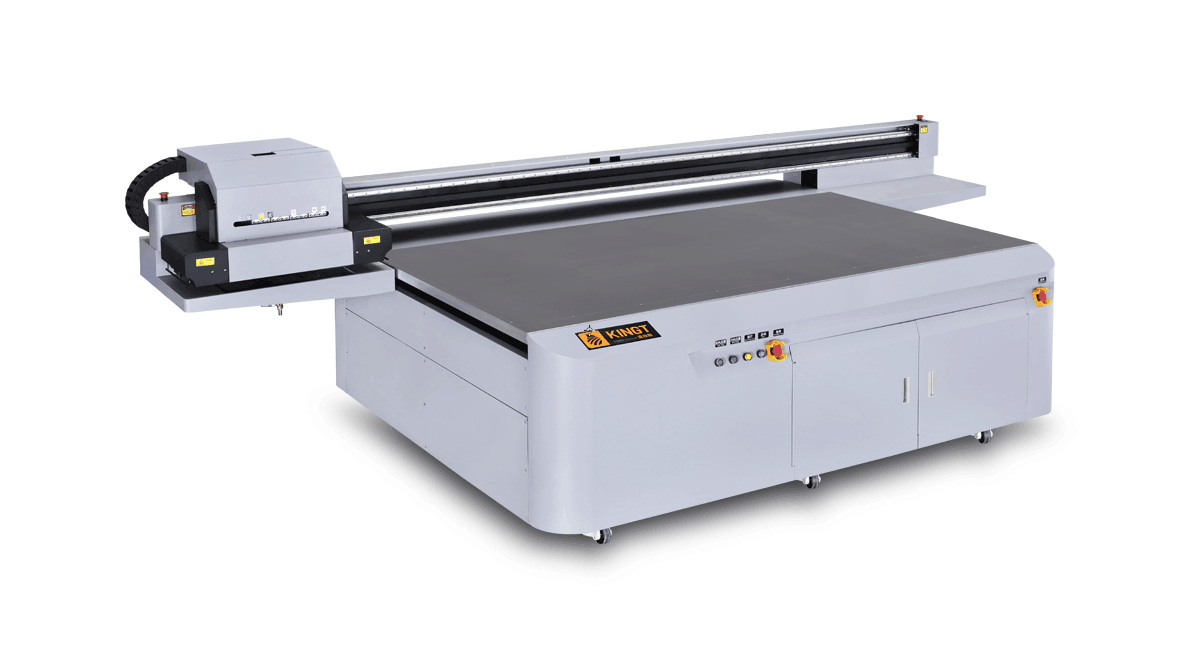
Selection of soft ink and hard ink for uv panel printer.After years of technical development,
uv flat panel printer has been well applicable to many products. Different materials can be used to
print patterns on the surface. Each material has its own characteristics. Some are hard materials
and some are flexible materials. According to the characteristics of each material,
we also developed different matching uv ink for printing.
Selection of soft ink and hard ink for uv panel printer.We know that the biggest difference
between soft ink and hard ink is that soft ink has stronger pressure resistance and ductility,
can attach to soft materials, and can follow the twisting and folding of materials to produce slight
changes without breaking. Hard ink has better adhesion for hard materials, but it will have
the opposite effect when applied to soft materials.
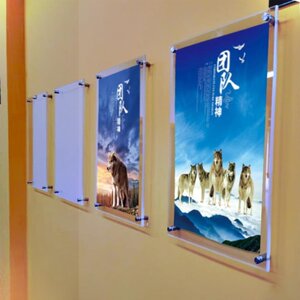
Selection of soft ink and hard ink for uv panel printer.Printing on common acrylic plates and
ceramic tiles can be done with hard ink. This kind of material does not require bending. As long as
the hard ink can be well attached to the surface of objects, it can basically meet the needs.
In the face of some soft plastic film, leather and so on. When printing with ordinary hard ink,
the material itself will become harder, changing the original characteristics of the material. Moreover,
the materials originally printed are soft. The patterns printed with hard ink will crack with the
deformation of objects, and the printing effect will be inferior. Some people think that it is better to
use soft ink directly. Although the performance of soft ink is better, the corresponding cost is
more expensive, and the cost input and output need to be considered in production. As long as you know
the characteristics of the object and the pattern effect to be printed, you can easily
choose whether to use hard ink or soft ink.
uv flat panel printer has been well applicable to many products. Different materials can be used to
print patterns on the surface. Each material has its own characteristics. Some are hard materials
and some are flexible materials. According to the characteristics of each material,
we also developed different matching uv ink for printing.
Selection of soft ink and hard ink for uv panel printer.We know that the biggest difference
between soft ink and hard ink is that soft ink has stronger pressure resistance and ductility,
can attach to soft materials, and can follow the twisting and folding of materials to produce slight
changes without breaking. Hard ink has better adhesion for hard materials, but it will have
the opposite effect when applied to soft materials.
ceramic tiles can be done with hard ink. This kind of material does not require bending. As long as
the hard ink can be well attached to the surface of objects, it can basically meet the needs.
In the face of some soft plastic film, leather and so on. When printing with ordinary hard ink,
the material itself will become harder, changing the original characteristics of the material. Moreover,
the materials originally printed are soft. The patterns printed with hard ink will crack with the
deformation of objects, and the printing effect will be inferior. Some people think that it is better to
use soft ink directly. Although the performance of soft ink is better, the corresponding cost is
more expensive, and the cost input and output need to be considered in production. As long as you know
the characteristics of the object and the pattern effect to be printed, you can easily
choose whether to use hard ink or soft ink.
 Sublimation Ink Buying Guide for sublimation printer ink | UVINK
  DTF ink Selection Guide for dtg dtf printer | UVINK
  UV DTF Ink: What Is UV DTF for Digital Printing?
  Economic DTF Ink for DTF Printer Procolored – No‑Clog, Cost‑Effective Industrial Printing Solution
  Economic‑Grade DTF Ink – Complete Industrial Guide: How To Make DTF Transfers With Inkjet Printer
  Industrial‑Grade UV DTF Ink – Complete Buying Guide for UV DTF Stickers for Tumblers Production
  UVINK Eco Solvent Ink – Complete Industrial Buying Guide for Car Wrap Advertising Projects
  Fluorescent Sublimation Ink & Sublimation Printer Ink – Full Industrial UVINK Buyer Guide
  UVINK Economic DTF Ink – Complete Industrial Guide for DTF Printing Ink Users
 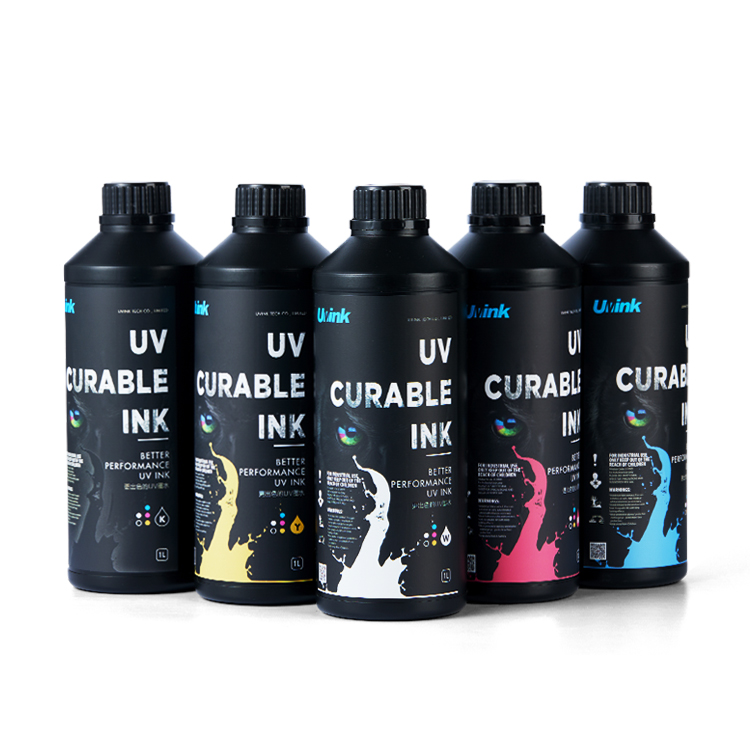 Professional‑Grade UV DTF Ink for High‑Quality UV DTF Prints – UVINK Complete Industrial Buying Guide
  Mild Solvent Ink & Outdoor Advertising Printing – Professional Industrial Guide by UVINK
  Sublimation Ink & Epson Sublimation Ink – Full Industrial Buyer Guide by UVINK
  UVINK UV DTF Ink & What Are UV DTF Stickers – Complete Industrial Guide
  UVINK Economic DTF ink: Complete Buyer Guide for dtf for shirts Printing
  Sublimation Ink & Printer Color Ink: Industrial B2B Technical Guide
  UV DTF Ink & How to Make UV DTF Stickers: Industrial Production Guide
  Solvent Ink for Wide Format Ink Jet Printer: Industrial Technical Guide
  Sublimation Ink: Professional Technical Guide for Epson Printers
  Eco-solvent Ink: Professional Industrial Guide for Epson Pro Printers
  DTF Ink: Professional Industrial Guide for Procolored DTF Printer L1800