
Simple measures to improve the overprinting rate of water-based ink.

Printing houses often encounter the problem of low overlap rate. The color of
the post-print cannot completely cover the previous color, and there will be pitting,
which will seriously affect the printing effect. How to improve the overprinting
rate of water-based ink?
1. Accelerate the drying speed of the first color ink on the substrate, and set
the two inks that need to be stacked in the first color group and the last color
group respectively, which can increase the drying time of the first color ink layer
and facilitate overprinting rate increase. The use of quick-drying ink in the first color
printing can speed up the penetration and fixation of the first color ink. It cannot
be dried too fast, otherwise the ink has dried on the screen roller, which will affect
the transfer of ink. Pay attention to arrange the printing color sequence, try to print
the color with smaller image and text area first, and print the color with larger image
and text area later. The graphic area of the first color printing is small, and it dries faster,
which is beneficial to the overprinting of the ink; because the graphic area is small,
it can reduce the chance of the ink layer being dirty by the last few color groups of
the cardboard during the transfer process. Under the premise that the color saturation
meets the requirements, reduce the thickness of the ink layer of the first color.
2. Adjust the relationship between the fluidity and viscosity of the two inks.
For brightly colored printing, it is best to use a stabilizer to lighten the color of the ink,
which is conducive to the drying of the ink. At the same time, the auxiliary agent can
improve the gloss of the ink layer. Diluted with water, it cannot be dried instantly,
but must have a drying time, which will reduce the edge compressive strength and
compressive strength of the cardboard. In addition, adjust the relationship between
the viscosity of the first color and the post-printing color. For multi-color printing,
properly reduce the viscosity of the first color water-based ink, and properly increase
the viscosity of the second color ink to increase the overprinting rate.
 Sublimation Ink Buying Guide for sublimation printer ink | UVINK
  DTF ink Selection Guide for dtg dtf printer | UVINK
  UV DTF Ink: What Is UV DTF for Digital Printing?
  Economic DTF Ink for DTF Printer Procolored – No‑Clog, Cost‑Effective Industrial Printing Solution
  Economic‑Grade DTF Ink – Complete Industrial Guide: How To Make DTF Transfers With Inkjet Printer
  Industrial‑Grade UV DTF Ink – Complete Buying Guide for UV DTF Stickers for Tumblers Production
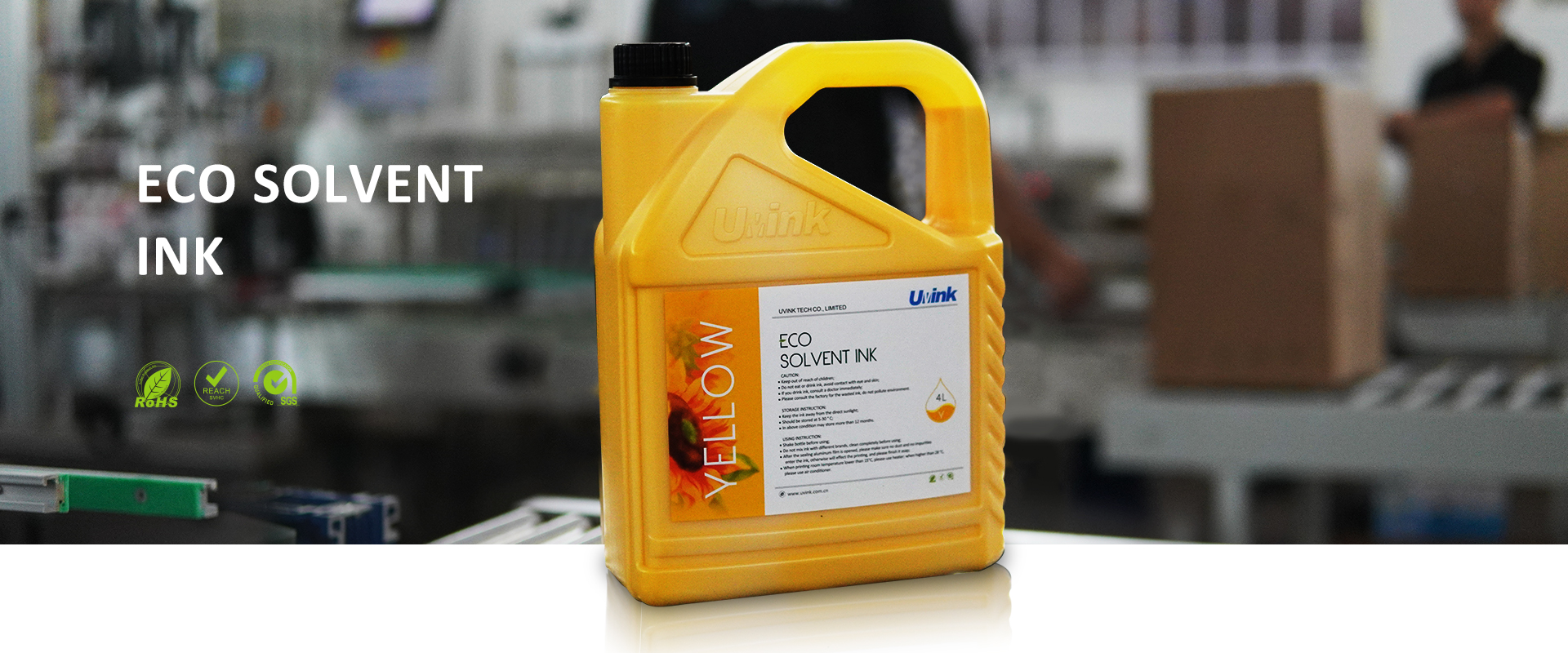
  UVINK Eco Solvent Ink – Complete Industrial Buying Guide for Car Wrap Advertising Projects
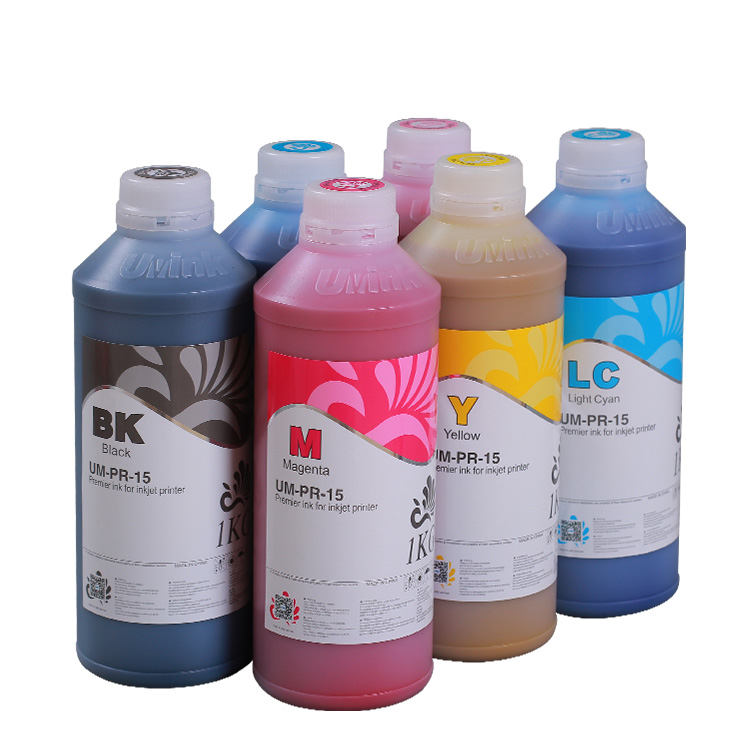
  Fluorescent Sublimation Ink & Sublimation Printer Ink – Full Industrial UVINK Buyer Guide
  UVINK Economic DTF Ink – Complete Industrial Guide for DTF Printing Ink Users
 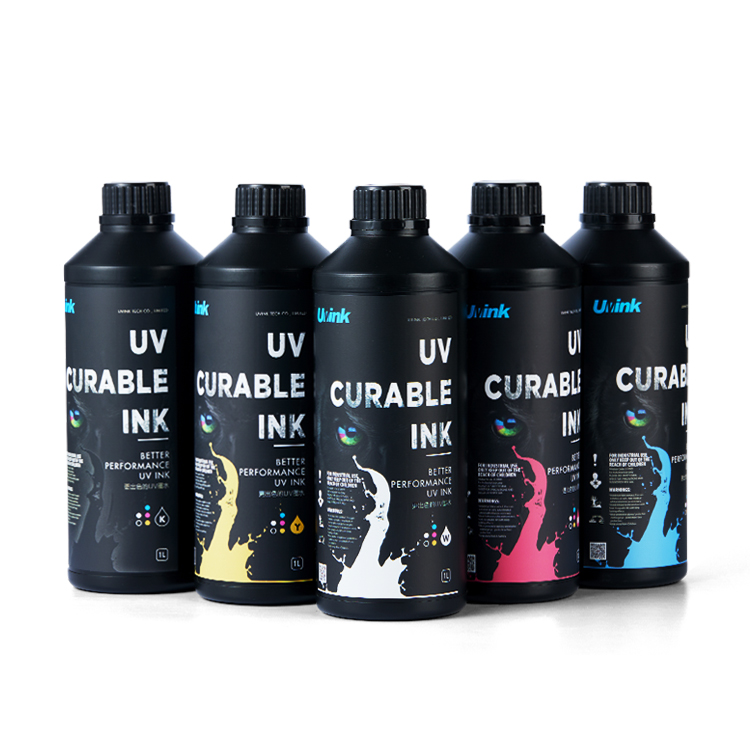 Professional‑Grade UV DTF Ink for High‑Quality UV DTF Prints – UVINK Complete Industrial Buying Guide
 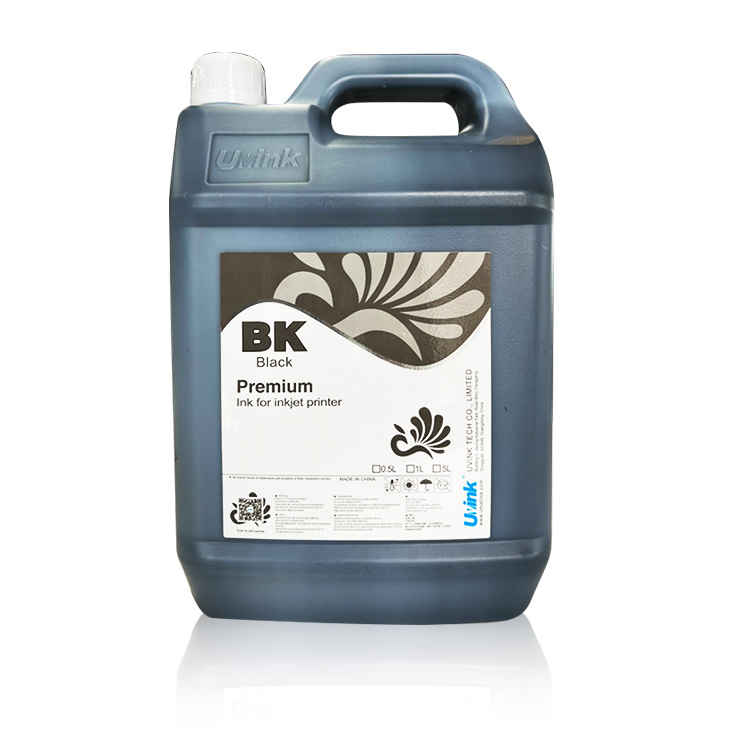 Mild Solvent Ink & Outdoor Advertising Printing – Professional Industrial Guide by UVINK
  Sublimation Ink & Epson Sublimation Ink – Full Industrial Buyer Guide by UVINK
  UVINK UV DTF Ink & What Are UV DTF Stickers – Complete Industrial Guide
 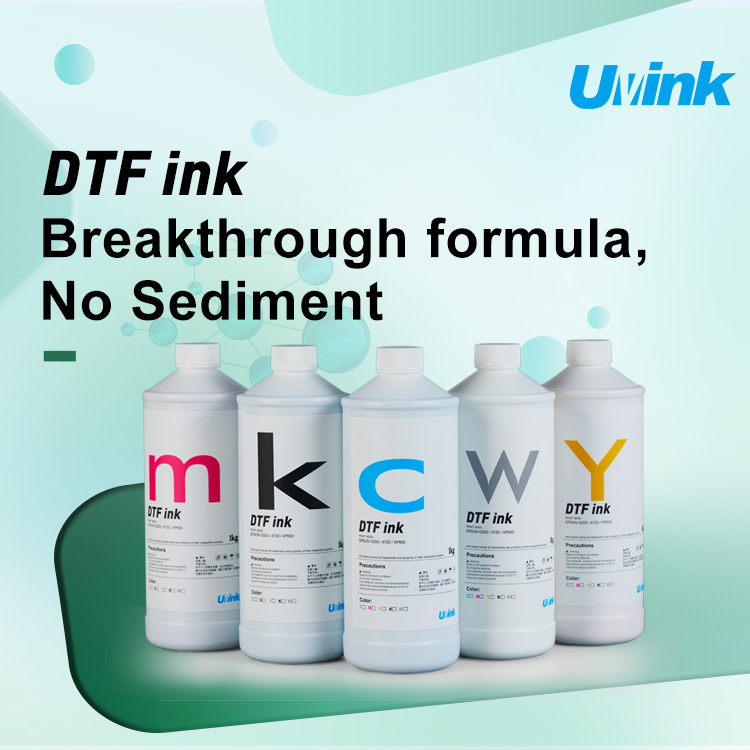 UVINK Economic DTF ink: Complete Buyer Guide for dtf for shirts Printing
  Sublimation Ink & Printer Color Ink: Industrial B2B Technical Guide
  UV DTF Ink & How to Make UV DTF Stickers: Industrial Production Guide
  Solvent Ink for Wide Format Ink Jet Printer: Industrial Technical Guide
  Sublimation Ink: Professional Technical Guide for Epson Printers
  Eco-solvent Ink: Professional Industrial Guide for Epson Pro Printers
  DTF Ink: Professional Industrial Guide for Procolored DTF Printer L1800