
Reasons for choosing u ink process for printing.
author: Uvink
2022-12-15
Reasons for choosing u ink process for printing.UV process is a new process nowadays.
Compared with traditional processes, it has the advantage of printing one piece at a time
without plate making. UV process has good printability for most substrates. UV print has
clear dot, good tone reproduction, bright and bright ink, and high printing consistency.
At the same time, because the uv curing process is a photochemical reaction process,
both the ink layer and the varnish layer have the advantages of strong adhesion, durability,
water resistance, chemical corrosion resistance, wear resistance, aging resistance, etc.
Reasons for choosing u ink process for printing.The chemical substances in the uv ink form
a polymer three-dimensional network polymer through cross-linking reaction. Therefore,
the use of uv ink can make the ink layer of printed matter firm, fast dry and cross-linked.
Such ink layer has high abrasion resistance and chemical resistance. Many prints printed on
coated paper by uv ink for direct mail can withstand multiple folds and strong radiation during
laser printing again. Therefore, uv ink can be used for outer packaging printing that
requires wear resistance.
 Reasons for choosing u ink process for printing.UV ink can only be dried under the irradiation of
ultraviolet light. Even if the ink is stored in the ink bucket for a long time, its performance will
remain stable and will not skin on the ink roller. Once the ink is irradiated by ultraviolet ray,
it can be dried instantly. Generally, it can be completely dried and fixed on the surface of
the substrate in 1/10S. Traditional thermosetting inks and sheet fed offset printing inks may
take several minutes or even days to completely dry, so printing live parts with uv curing inks
has a short delivery time, comparable to flexographic printing and gravure printing, greatly
improving the production efficiency of printing.
Compared with traditional processes, it has the advantage of printing one piece at a time
without plate making. UV process has good printability for most substrates. UV print has
clear dot, good tone reproduction, bright and bright ink, and high printing consistency.
At the same time, because the uv curing process is a photochemical reaction process,
both the ink layer and the varnish layer have the advantages of strong adhesion, durability,
water resistance, chemical corrosion resistance, wear resistance, aging resistance, etc.
Reasons for choosing u ink process for printing.The chemical substances in the uv ink form
a polymer three-dimensional network polymer through cross-linking reaction. Therefore,
the use of uv ink can make the ink layer of printed matter firm, fast dry and cross-linked.
Such ink layer has high abrasion resistance and chemical resistance. Many prints printed on
coated paper by uv ink for direct mail can withstand multiple folds and strong radiation during
laser printing again. Therefore, uv ink can be used for outer packaging printing that
requires wear resistance.
ultraviolet light. Even if the ink is stored in the ink bucket for a long time, its performance will
remain stable and will not skin on the ink roller. Once the ink is irradiated by ultraviolet ray,
it can be dried instantly. Generally, it can be completely dried and fixed on the surface of
the substrate in 1/10S. Traditional thermosetting inks and sheet fed offset printing inks may
take several minutes or even days to completely dry, so printing live parts with uv curing inks
has a short delivery time, comparable to flexographic printing and gravure printing, greatly
improving the production efficiency of printing.
 Sublimation Ink Buying Guide for sublimation printer ink | UVINK
  DTF ink Selection Guide for dtg dtf printer | UVINK
  UV DTF Ink: What Is UV DTF for Digital Printing?
  Economic DTF Ink for DTF Printer Procolored – No‑Clog, Cost‑Effective Industrial Printing Solution
  Economic‑Grade DTF Ink – Complete Industrial Guide: How To Make DTF Transfers With Inkjet Printer
  Industrial‑Grade UV DTF Ink – Complete Buying Guide for UV DTF Stickers for Tumblers Production
 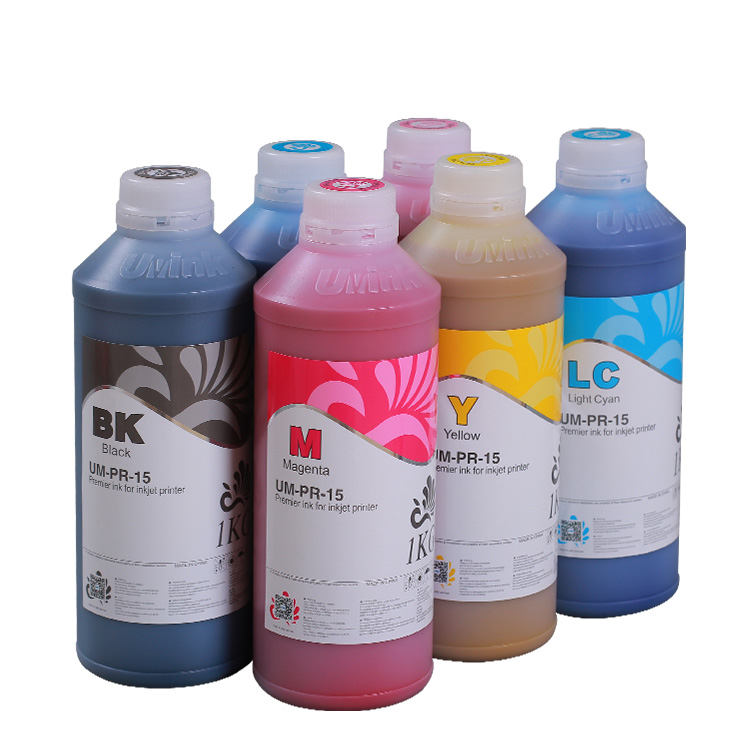 UVINK Eco Solvent Ink – Complete Industrial Buying Guide for Car Wrap Advertising Projects
 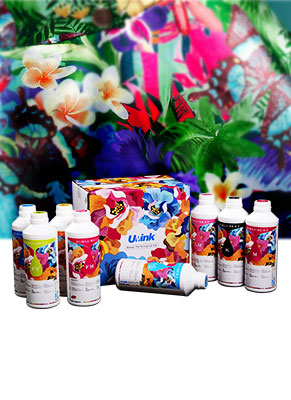 Fluorescent Sublimation Ink & Sublimation Printer Ink – Full Industrial UVINK Buyer Guide
  UVINK Economic DTF Ink – Complete Industrial Guide for DTF Printing Ink Users
 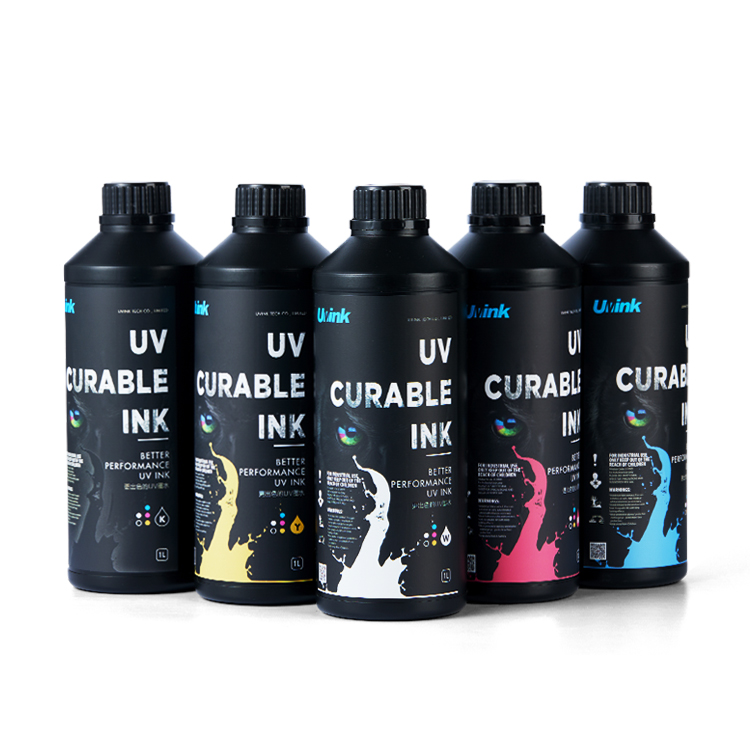 Professional‑Grade UV DTF Ink for High‑Quality UV DTF Prints – UVINK Complete Industrial Buying Guide
 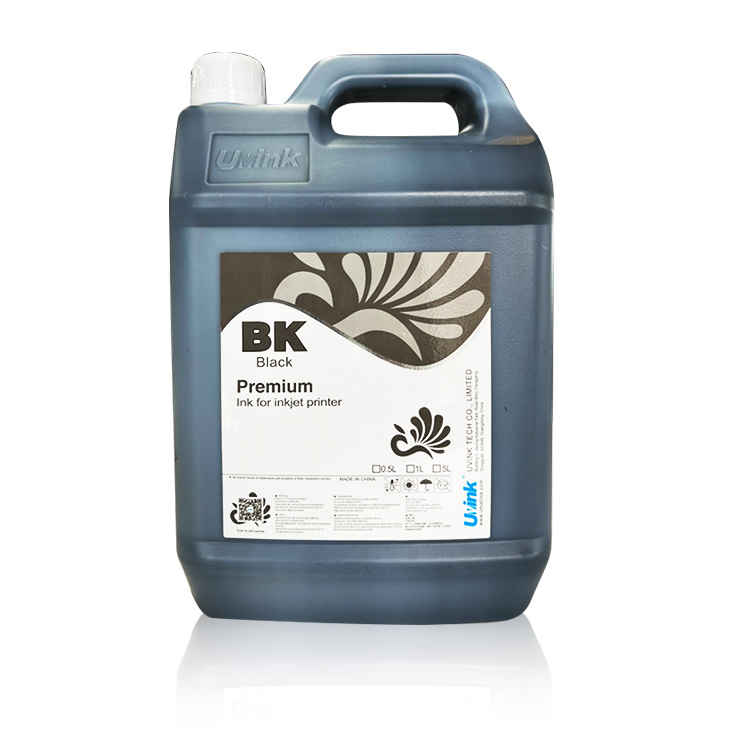 Mild Solvent Ink & Outdoor Advertising Printing – Professional Industrial Guide by UVINK
  Sublimation Ink & Epson Sublimation Ink – Full Industrial Buyer Guide by UVINK
  UVINK UV DTF Ink & What Are UV DTF Stickers – Complete Industrial Guide
 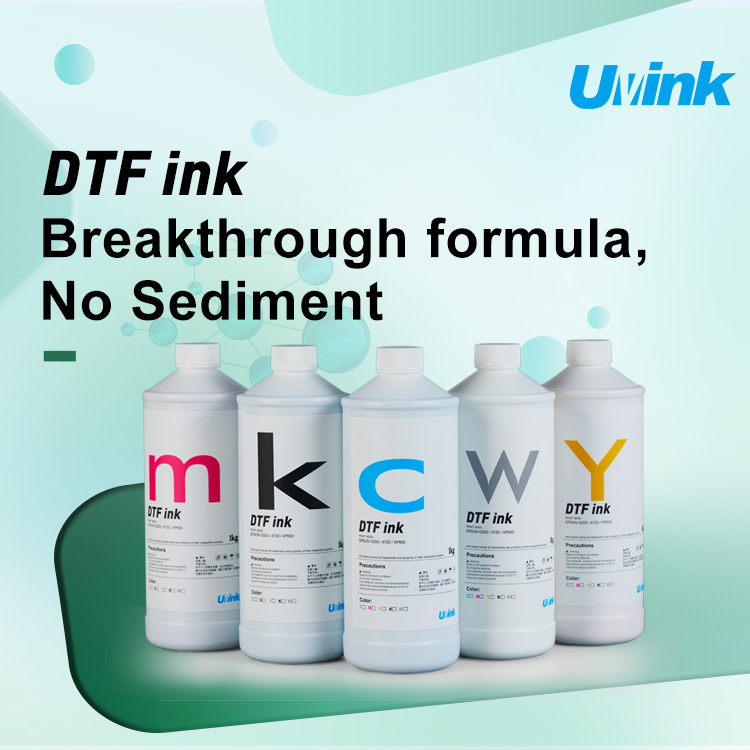 UVINK Economic DTF ink: Complete Buyer Guide for dtf for shirts Printing
  Sublimation Ink & Printer Color Ink: Industrial B2B Technical Guide
  UV DTF Ink & How to Make UV DTF Stickers: Industrial Production Guide
  Solvent Ink for Wide Format Ink Jet Printer: Industrial Technical Guide
  Sublimation Ink: Professional Technical Guide for Epson Printers
  Eco-solvent Ink: Professional Industrial Guide for Epson Pro Printers
  DTF Ink: Professional Industrial Guide for Procolored DTF Printer L1800