
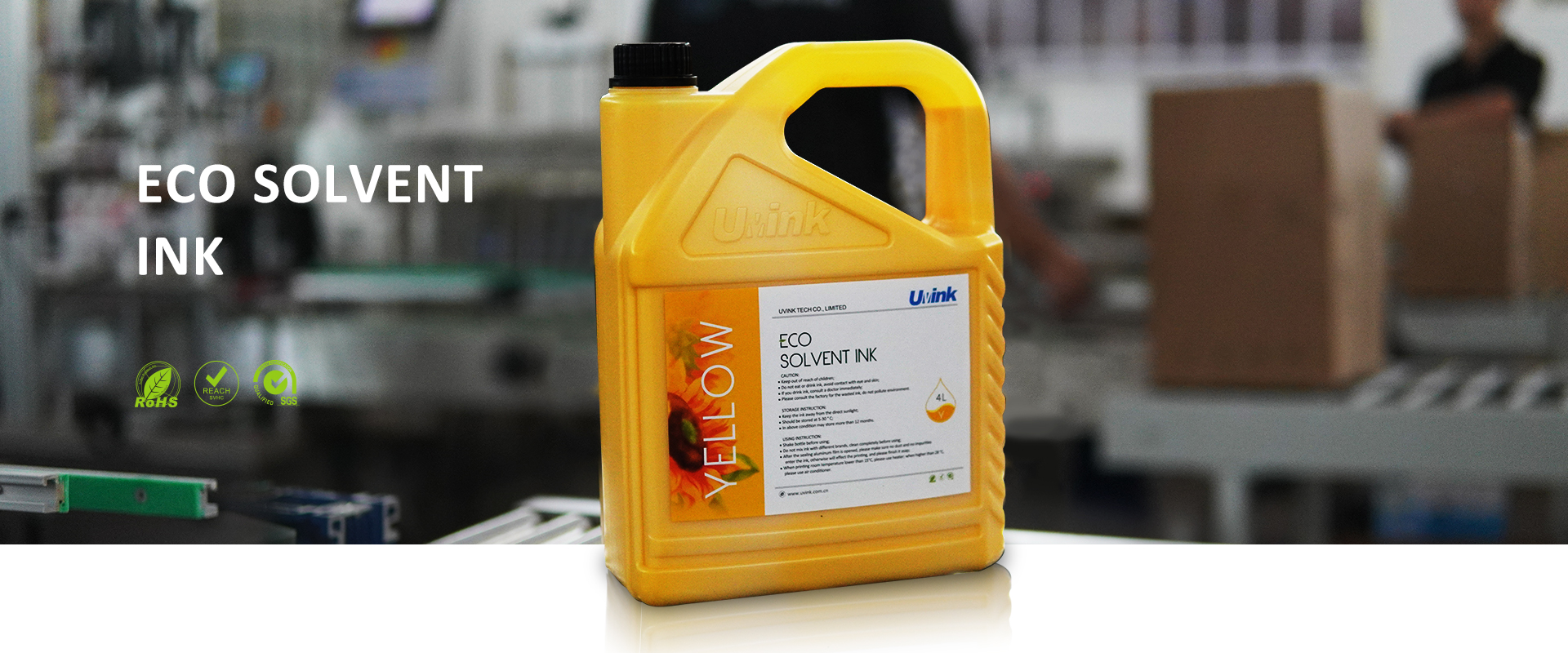
What is the relationship between ink and varnish?
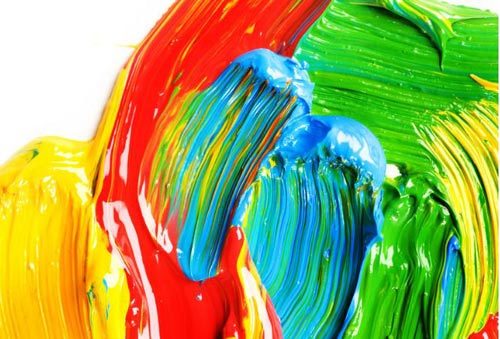
Printing and packaging materials cannot lack ink, and ink can be used to
print patterns and characters on the substrate. The ink includes main components
and auxiliary components, which are uniformly mixed and rolled repeatedly to
form a viscous colloidal fluid. It is composed of pigments, linking materials and
additives. It is used for various printing of books, periodicals, packaging and
decoration, architectural decoration, etc. With the increase of social demand,
the variety and output of ink have also expanded and increased accordingly.
For operators in the printing industry, if the ink has good printability, it can be
put into use as soon as the can lid is opened, which is of course the most convenient
and trouble-free. However, due to the inherent viscosity of the ink when the ink is
manufactured, this viscosity cannot adapt to the needs of different environmental
conditions for different products. In the process of using the ink, it is often necessary
to adjust the ink according to the characteristics of the printed piece, the actual
situation of the working environment, and the production process. Printability
to make necessary adjustments.
Ink viscosity is closely related to the printability of the ink. Appropriate ink viscosity is
the prerequisite for ink to have good printability. Ink viscosity is an inherent property of
the ink itself, which has a decisive impact on the printability of the ink. When the ink is
used on the machine, its viscosity often needs to be adjusted according to
the actual situation. Appropriate adjustments.
In daily printing, increasing or decreasing ink viscosity is a frequent operation.
Varnish is an indispensable auxiliary material in the use of offset printing inks.
Commonly used varnishes are refined and blended with synthetic resins,
dry vegetable oils, and high-boiling kerosene. They are mainly used to adjust
the fluidity of inks. to reduce the viscosity of the ink, the dosage is generally about 3~5%.
The addition of varnish does not affect the gloss and adhesion fastness of the ink,
and has little effect on the dryness of the ink.
 Sublimation Ink Buying Guide for sublimation printer ink | UVINK
  DTF ink Selection Guide for dtg dtf printer | UVINK
  UV DTF Ink: What Is UV DTF for Digital Printing?
  Economic DTF Ink for DTF Printer Procolored – No‑Clog, Cost‑Effective Industrial Printing Solution
  Economic‑Grade DTF Ink – Complete Industrial Guide: How To Make DTF Transfers With Inkjet Printer
  Industrial‑Grade UV DTF Ink – Complete Buying Guide for UV DTF Stickers for Tumblers Production
 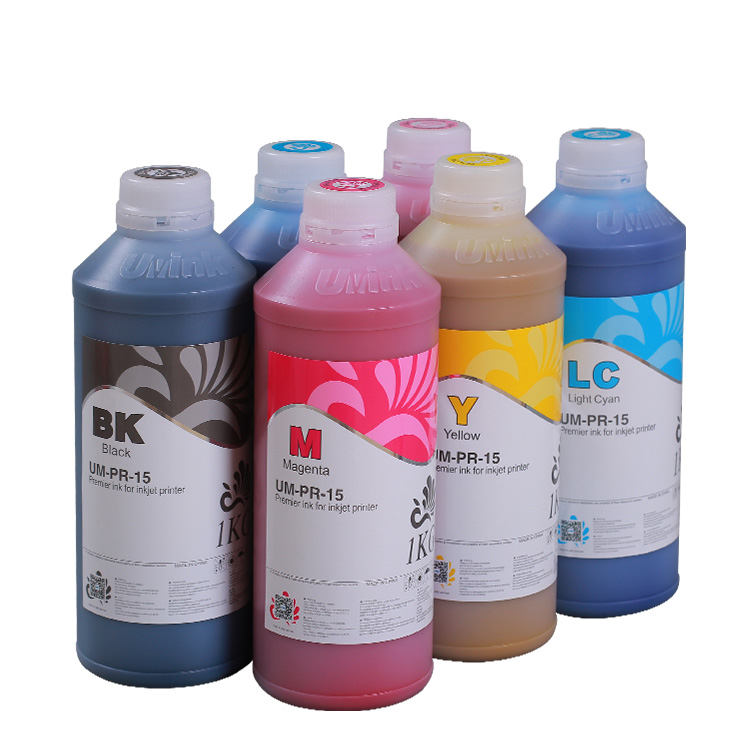 UVINK Eco Solvent Ink – Complete Industrial Buying Guide for Car Wrap Advertising Projects
 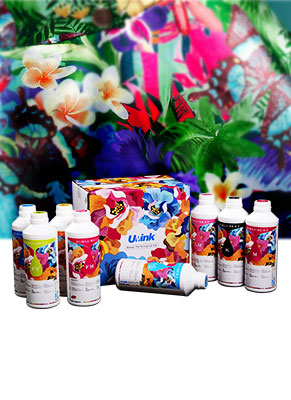 Fluorescent Sublimation Ink & Sublimation Printer Ink – Full Industrial UVINK Buyer Guide
  UVINK Economic DTF Ink – Complete Industrial Guide for DTF Printing Ink Users
 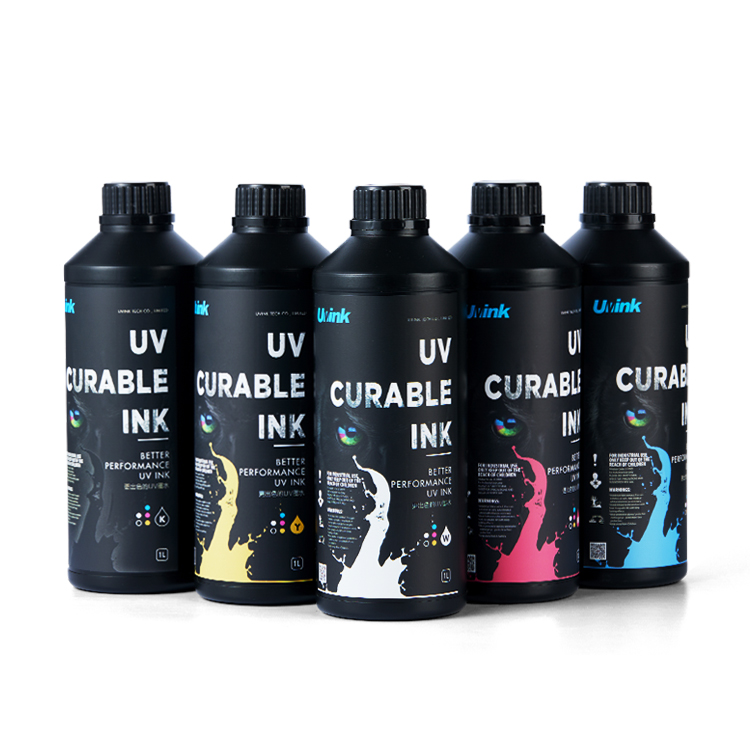 Professional‑Grade UV DTF Ink for High‑Quality UV DTF Prints – UVINK Complete Industrial Buying Guide
 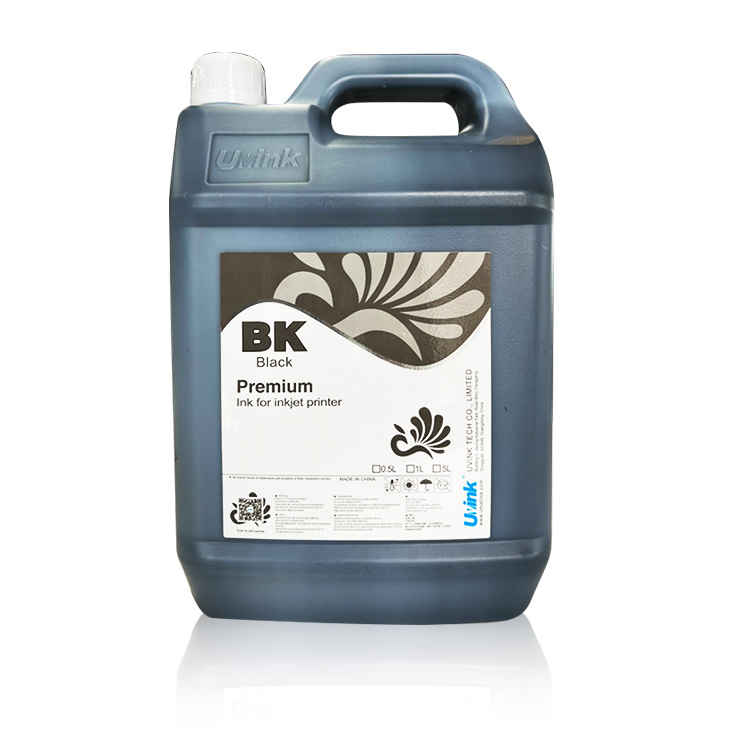 Mild Solvent Ink & Outdoor Advertising Printing – Professional Industrial Guide by UVINK
  Sublimation Ink & Epson Sublimation Ink – Full Industrial Buyer Guide by UVINK
  UVINK UV DTF Ink & What Are UV DTF Stickers – Complete Industrial Guide
 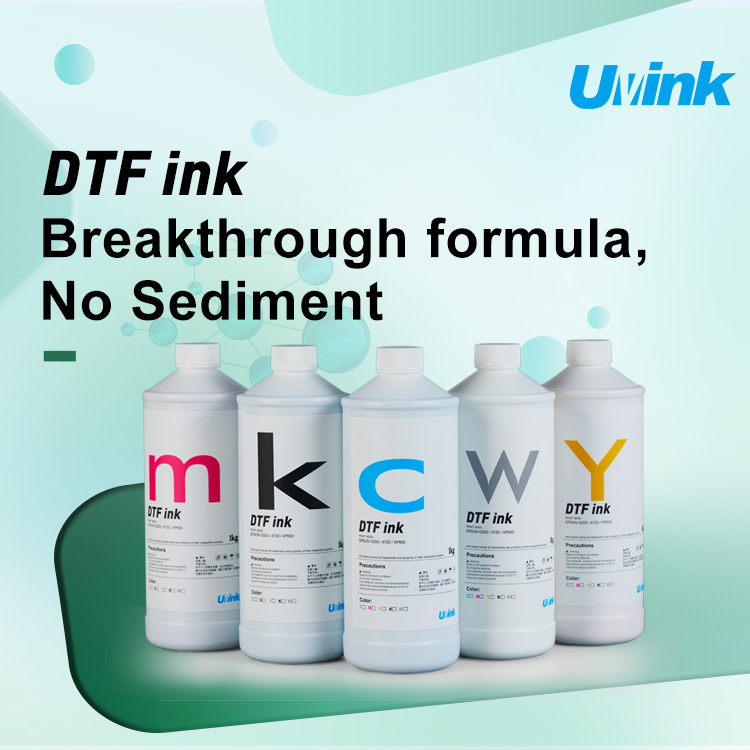 UVINK Economic DTF ink: Complete Buyer Guide for dtf for shirts Printing
  Sublimation Ink & Printer Color Ink: Industrial B2B Technical Guide
  UV DTF Ink & How to Make UV DTF Stickers: Industrial Production Guide
  Solvent Ink for Wide Format Ink Jet Printer: Industrial Technical Guide
  Sublimation Ink: Professional Technical Guide for Epson Printers
  Eco-solvent Ink: Professional Industrial Guide for Epson Pro Printers
  DTF Ink: Professional Industrial Guide for Procolored DTF Printer L1800