
Performance requirements of uv ink.
author: Uvink
2022-12-01
Performance requirements of uv ink.During ink-jet printing, the ink on the ink-jet
head must be kept in a certain state, which can quickly solidify to form ink spots after
being attached to the substrate. Compared with other printing methods using toner
or high viscosity ink, the ink used is greatly restricted. Ink jet printing belongs to
non-contact pressureless printing. Although it can print any substrate, in order to
make uv ink eject smoothly from the nozzle and achieve the printing effect, the ink must
meet certain requirements in terms of mechanical, chemical,
visibility and durability, specifically in the following aspects.
Performance requirements of uv ink.Viscosity, ink-jet ink to maintain its low viscosity.
Generally speaking, the proper viscosity is usually 10~20mPa · s, but this is mainly achieved
by raising the operating temperature of the ink-jet equipment to 40~45 ℃. Because the
curing components of uv ink have potential volatility and irritation, it is better to control
the temperature below 65 ℃, and some of them can not be ejected above 50 ℃.
Performance requirements of uv ink.The surface tension, the quality of the formation of
ink droplets, is affected by the surface tension. If the surface tension is too large, the ink is
not easy to form small droplets, and may have a longer breaking length, or break into "trailing"
droplets. If the surface tension is too small, the droplets will become unstable, or even form a
"satellite" shape, which will generate sputtering points and affect the image and text effects.
Curing speed is an important factor to be considered in industrial inkjet applications.
When the speed of the ink-jet system reaches 300-600 inches/minute,uv curing can show strong
competitiveness. In order to cure quickly, uv ink needs to use high functional curing materials.
However, due to the requirements of low viscosity, a large number of low functional
monomers are used, which affects the curing speed to some exte
head must be kept in a certain state, which can quickly solidify to form ink spots after
being attached to the substrate. Compared with other printing methods using toner
or high viscosity ink, the ink used is greatly restricted. Ink jet printing belongs to
non-contact pressureless printing. Although it can print any substrate, in order to
make uv ink eject smoothly from the nozzle and achieve the printing effect, the ink must
meet certain requirements in terms of mechanical, chemical,
visibility and durability, specifically in the following aspects.
Performance requirements of uv ink.Viscosity, ink-jet ink to maintain its low viscosity.
Generally speaking, the proper viscosity is usually 10~20mPa · s, but this is mainly achieved
by raising the operating temperature of the ink-jet equipment to 40~45 ℃. Because the
curing components of uv ink have potential volatility and irritation, it is better to control
the temperature below 65 ℃, and some of them can not be ejected above 50 ℃.
ink droplets, is affected by the surface tension. If the surface tension is too large, the ink is
not easy to form small droplets, and may have a longer breaking length, or break into "trailing"
droplets. If the surface tension is too small, the droplets will become unstable, or even form a
"satellite" shape, which will generate sputtering points and affect the image and text effects.
Curing speed is an important factor to be considered in industrial inkjet applications.
When the speed of the ink-jet system reaches 300-600 inches/minute,uv curing can show strong
competitiveness. In order to cure quickly, uv ink needs to use high functional curing materials.
However, due to the requirements of low viscosity, a large number of low functional
monomers are used, which affects the curing speed to some exte
 Sublimation Ink Buying Guide for sublimation printer ink | UVINK
  DTF ink Selection Guide for dtg dtf printer | UVINK
  UV DTF Ink: What Is UV DTF for Digital Printing?
  Economic DTF Ink for DTF Printer Procolored – No‑Clog, Cost‑Effective Industrial Printing Solution
  Economic‑Grade DTF Ink – Complete Industrial Guide: How To Make DTF Transfers With Inkjet Printer
  Industrial‑Grade UV DTF Ink – Complete Buying Guide for UV DTF Stickers for Tumblers Production
 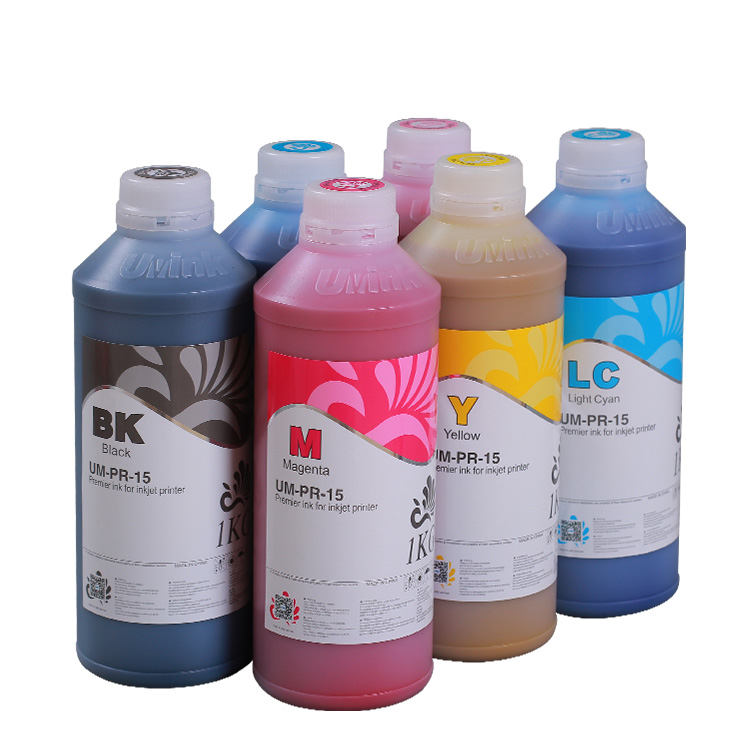 UVINK Eco Solvent Ink – Complete Industrial Buying Guide for Car Wrap Advertising Projects
 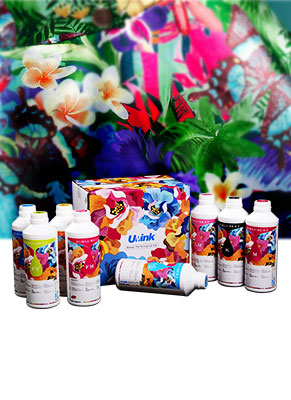 Fluorescent Sublimation Ink & Sublimation Printer Ink – Full Industrial UVINK Buyer Guide
  UVINK Economic DTF Ink – Complete Industrial Guide for DTF Printing Ink Users
 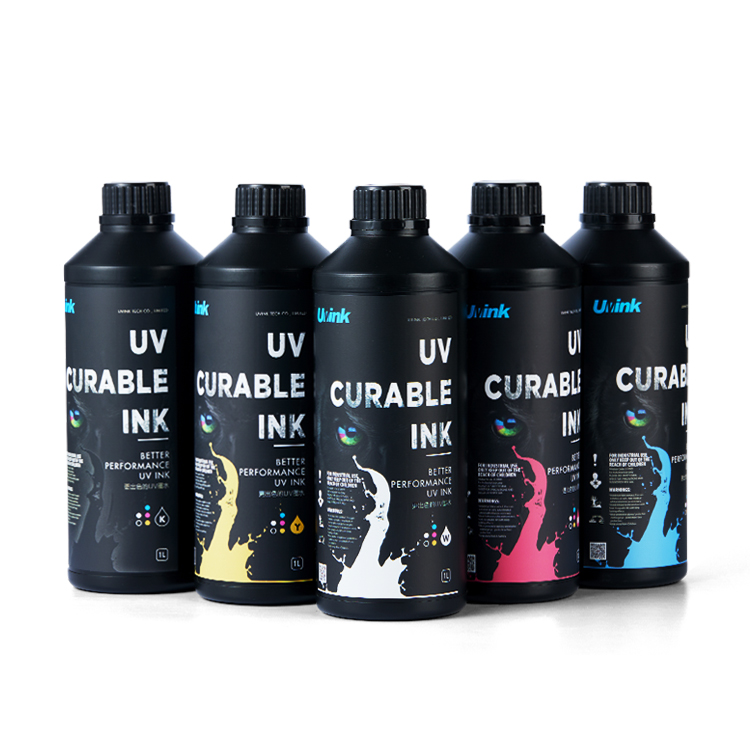 Professional‑Grade UV DTF Ink for High‑Quality UV DTF Prints – UVINK Complete Industrial Buying Guide
 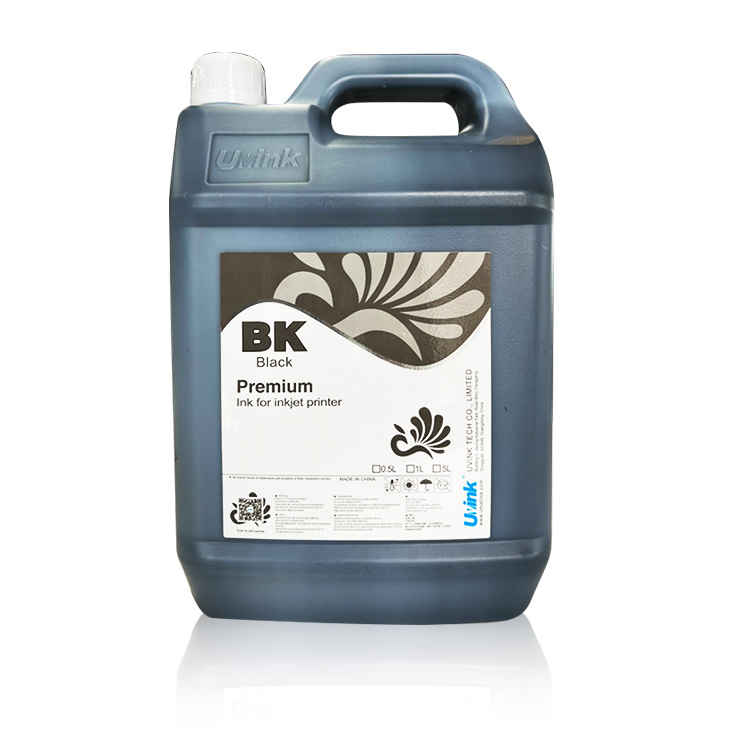 Mild Solvent Ink & Outdoor Advertising Printing – Professional Industrial Guide by UVINK
  Sublimation Ink & Epson Sublimation Ink – Full Industrial Buyer Guide by UVINK
  UVINK UV DTF Ink & What Are UV DTF Stickers – Complete Industrial Guide
 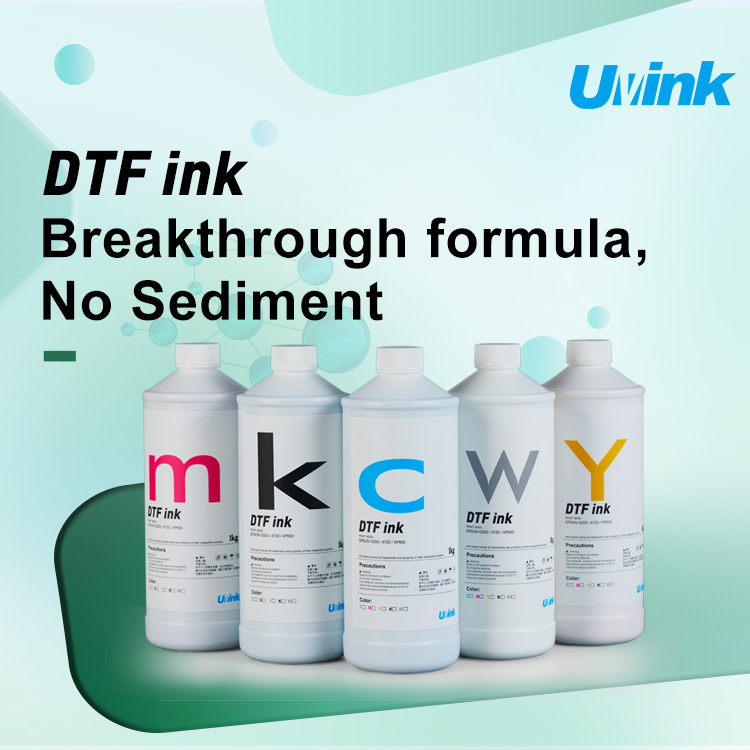 UVINK Economic DTF ink: Complete Buyer Guide for dtf for shirts Printing
  Sublimation Ink & Printer Color Ink: Industrial B2B Technical Guide
  UV DTF Ink & How to Make UV DTF Stickers: Industrial Production Guide
  Solvent Ink for Wide Format Ink Jet Printer: Industrial Technical Guide
 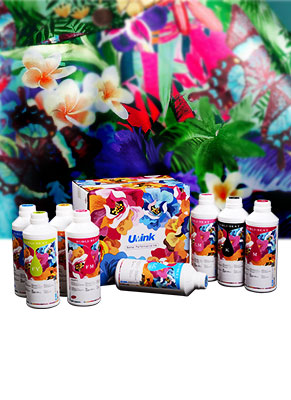 Sublimation Ink: Professional Technical Guide for Epson Printers
  Eco-solvent Ink: Professional Industrial Guide for Epson Pro Printers
  DTF Ink: Professional Industrial Guide for Procolored DTF Printer L1800