
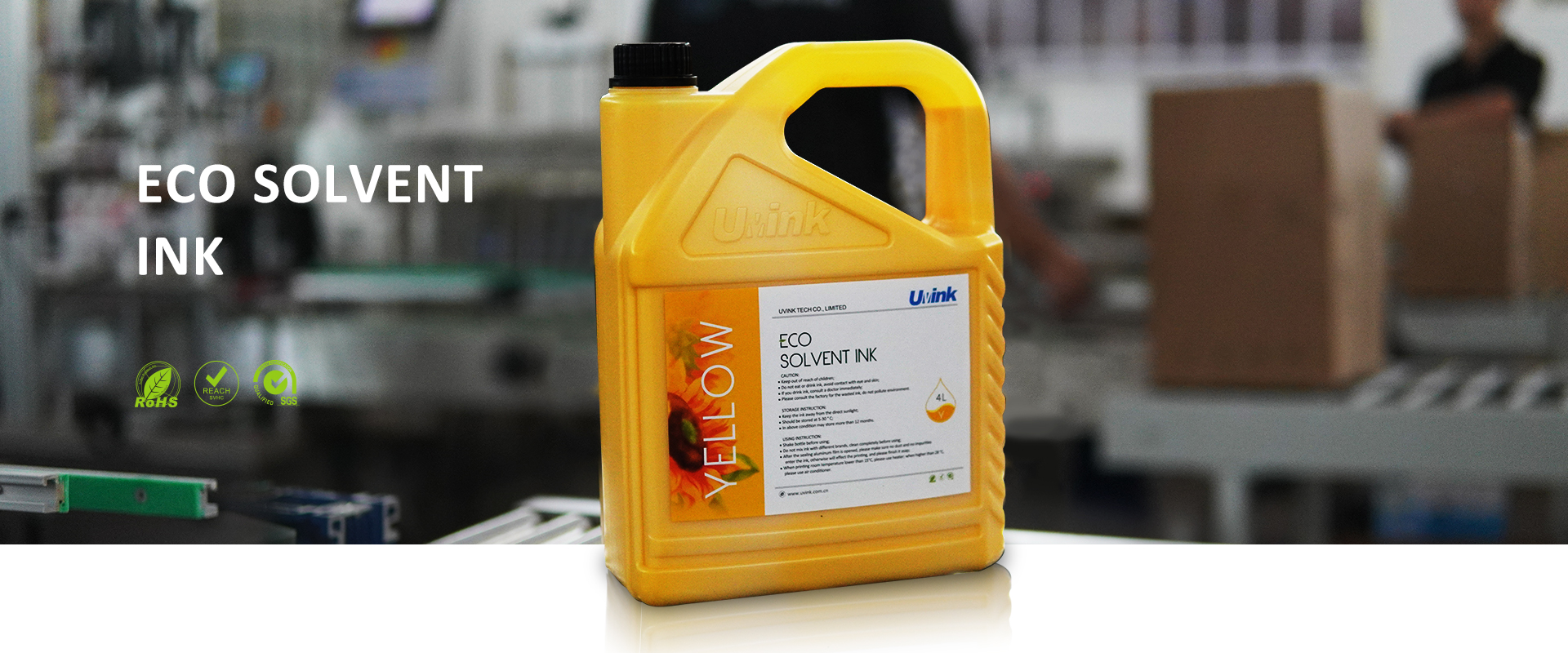
Is there any difference in quality between uv printing and traditional printing?
author: Uvink
2023-04-18
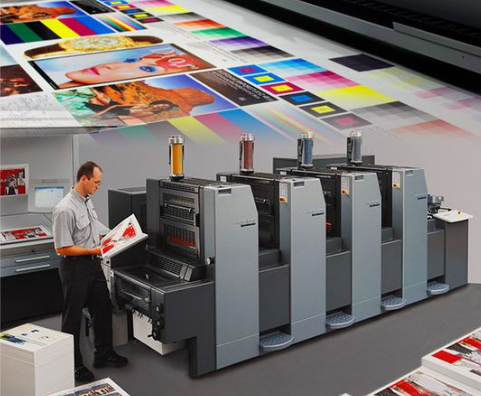
The ink and process used in uv printing are different from ordinary printing. Compared with
ordinary printing, uv printing costs more, but the printing range is wider. The printing material
can be not only paper, but also PVC, PE, foil, metal materials etc. A very high gloss effect and
sometimes a combination of scratch and scratch resistance. Highly resistant to surfaces,
especially packaging and publication covers. And the color and effect of printing are
better than ordinary printing.
The simple point is that digital printing is integrated printing, which is directly output by
the computer and can be printed in a short time. However, traditional printing requires plate
making. First, water and ink are applied to the printing plate, and then transferred to the blanket.
The contact of the blanket with the paper transfers the ink to the paper by imprinting.
From the output to the printed matter, many production steps are required in the middle,
and the printed matter is an indirect output. In terms of printing quality, traditional printing
is ink, and digital printing is toner.
Compared with solvent-based inks, uv inks have greatly improved printability and print quality.
Since uv ink is 100% solid and has no volatile solvents, the viscosity of the ink will not change
with changes in environmental conditions, which is very suitable for any printing environment.
In the past, printers had to complete a long-term printing, especially when printing fine patterns,
they always encountered the problem of viscosity changes. When printing, scrape ink back
and forth, and the viscosity changes due to solvent volatilization. Every once in a while,
The thickness of the ink layer will be different. However, even if the uv ink works for a day,
the viscosity of the ink will not change, and the quality of the printed product is exactly the same.
 Sublimation Ink Buying Guide for sublimation printer ink | UVINK
  DTF ink Selection Guide for dtg dtf printer | UVINK
  UV DTF Ink: What Is UV DTF for Digital Printing?
  Economic DTF Ink for DTF Printer Procolored – No‑Clog, Cost‑Effective Industrial Printing Solution
  Economic‑Grade DTF Ink – Complete Industrial Guide: How To Make DTF Transfers With Inkjet Printer
  Industrial‑Grade UV DTF Ink – Complete Buying Guide for UV DTF Stickers for Tumblers Production
  UVINK Eco Solvent Ink – Complete Industrial Buying Guide for Car Wrap Advertising Projects
  Fluorescent Sublimation Ink & Sublimation Printer Ink – Full Industrial UVINK Buyer Guide
  UVINK Economic DTF Ink – Complete Industrial Guide for DTF Printing Ink Users
 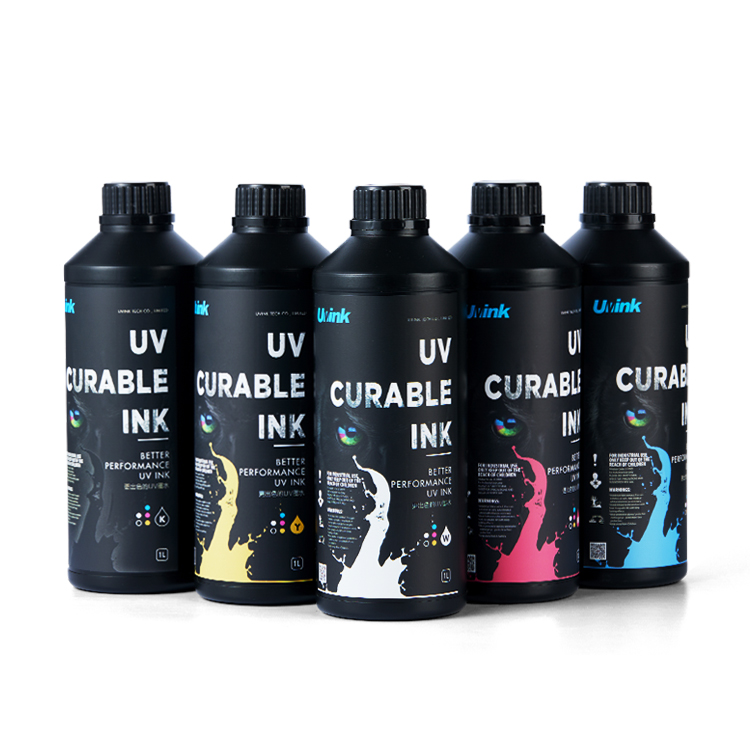 Professional‑Grade UV DTF Ink for High‑Quality UV DTF Prints – UVINK Complete Industrial Buying Guide
 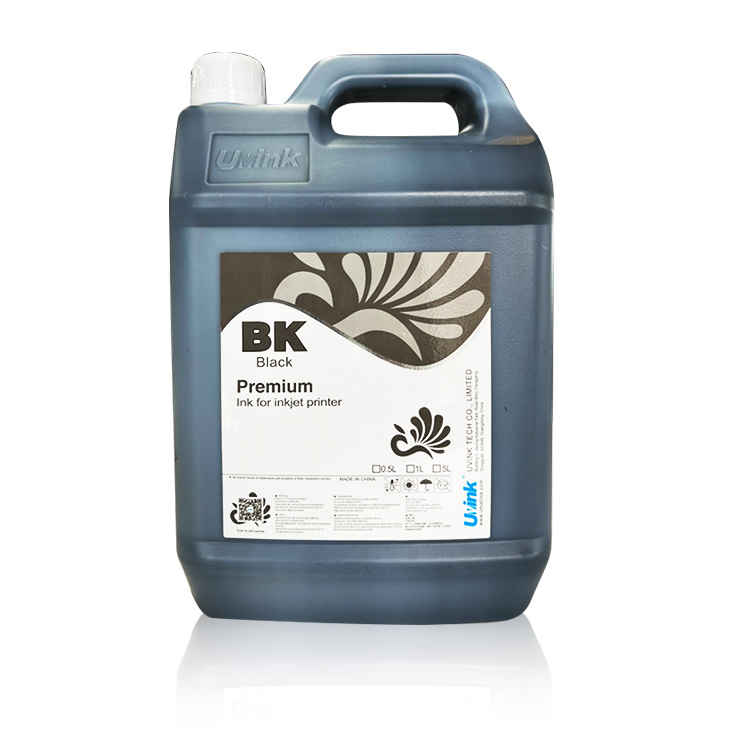 Mild Solvent Ink & Outdoor Advertising Printing – Professional Industrial Guide by UVINK
  Sublimation Ink & Epson Sublimation Ink – Full Industrial Buyer Guide by UVINK
  UVINK UV DTF Ink & What Are UV DTF Stickers – Complete Industrial Guide
 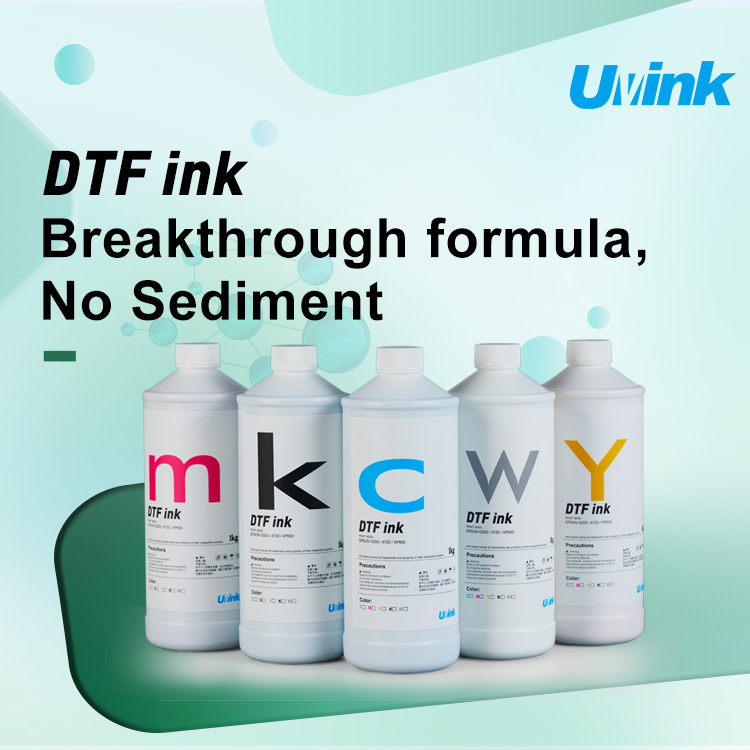 UVINK Economic DTF ink: Complete Buyer Guide for dtf for shirts Printing
  Sublimation Ink & Printer Color Ink: Industrial B2B Technical Guide
  UV DTF Ink & How to Make UV DTF Stickers: Industrial Production Guide
  Solvent Ink for Wide Format Ink Jet Printer: Industrial Technical Guide
  Sublimation Ink: Professional Technical Guide for Epson Printers
  Eco-solvent Ink: Professional Industrial Guide for Epson Pro Printers
  DTF Ink: Professional Industrial Guide for Procolored DTF Printer L1800