
What is the principle of heat transfer printing?
author: Uvink
2023-01-02
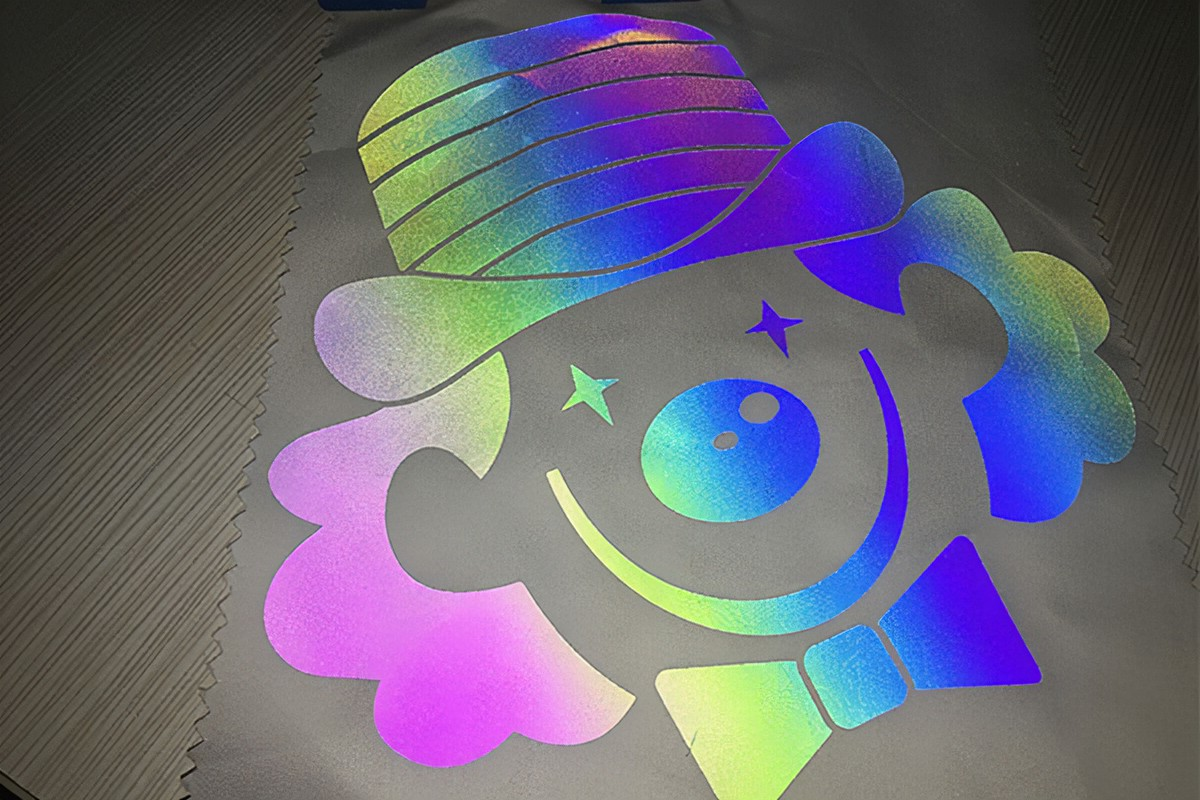
Heat transfer printing refers to the use of hot press to transfer heat transfer hot stamping or lettering
film to the surface of the workpiece. At present, there are many products using heat transfer printing
and hot stamping on the market. In addition to the common clothing, shoes and hats, there are also
bowls and plates, buildings, promotional materials, cars, various models, etc,What is the principle
of heat transfer printing?
Basic principle: first, print the pattern on the pet film coated with release agent. After drying, use this
patterned film to iron to the surface of clothes or other fabrics under high temperature and high pressure,
leaving the pattern, tear off the waste film, and complete the hot stamping process Therefore, this method
is called "hot stamping", also called "heat transfer hot stamping".
The feature of heat transfer printing and hot stamping is that the printing materials will not vaporize like
sublimation dyes. This printing material will not cause the slurry to penetrate into the fabric fibers due to
high pressure and temperature. Although the same can be pressed with a transfer machine, the "printed"
surface of the clothes will be attached to the surface of the clothes like a film.
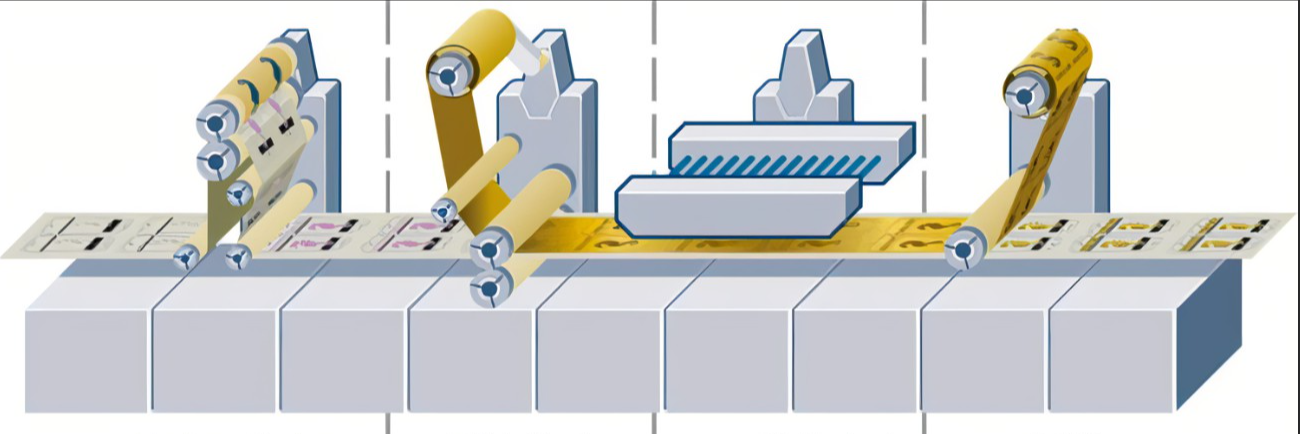
If you want to understand the heat transfer printing and hot stamping, you need to know its base material
first. Most of the base material for heat transfer printing and hot stamping is made of PET material. After all
colors are printed on the PET sheet, you also need to apply hot melt adhesive on the back of the pattern. It is
precisely because of this hot melt adhesive that you can lock the clothes with the pattern firmly. After you tear
off the waste PET film, you can finish the transfer process.
The advantages and disadvantages of heat transfer printing and hot stamping are also obvious. The disadvantage
is that if the pattern is larger, it will be less breathable on the clothes, and the feel is not as soft as heat sublimation.
The advantage is that the pattern level is full, the color is beautiful, and the cost of plate making is low.
film to the surface of the workpiece. At present, there are many products using heat transfer printing
and hot stamping on the market. In addition to the common clothing, shoes and hats, there are also
bowls and plates, buildings, promotional materials, cars, various models, etc,What is the principle
of heat transfer printing?
Basic principle: first, print the pattern on the pet film coated with release agent. After drying, use this
patterned film to iron to the surface of clothes or other fabrics under high temperature and high pressure,
leaving the pattern, tear off the waste film, and complete the hot stamping process Therefore, this method
is called "hot stamping", also called "heat transfer hot stamping".
The feature of heat transfer printing and hot stamping is that the printing materials will not vaporize like
sublimation dyes. This printing material will not cause the slurry to penetrate into the fabric fibers due to
high pressure and temperature. Although the same can be pressed with a transfer machine, the "printed"
surface of the clothes will be attached to the surface of the clothes like a film.
If you want to understand the heat transfer printing and hot stamping, you need to know its base material
first. Most of the base material for heat transfer printing and hot stamping is made of PET material. After all
colors are printed on the PET sheet, you also need to apply hot melt adhesive on the back of the pattern. It is
precisely because of this hot melt adhesive that you can lock the clothes with the pattern firmly. After you tear
off the waste PET film, you can finish the transfer process.
The advantages and disadvantages of heat transfer printing and hot stamping are also obvious. The disadvantage
is that if the pattern is larger, it will be less breathable on the clothes, and the feel is not as soft as heat sublimation.
The advantage is that the pattern level is full, the color is beautiful, and the cost of plate making is low.
 Sublimation Ink Buying Guide for sublimation printer ink | UVINK
  DTF ink Selection Guide for dtg dtf printer | UVINK
  UV DTF Ink: What Is UV DTF for Digital Printing?
  Economic DTF Ink for DTF Printer Procolored – No‑Clog, Cost‑Effective Industrial Printing Solution
  Economic‑Grade DTF Ink – Complete Industrial Guide: How To Make DTF Transfers With Inkjet Printer
  Industrial‑Grade UV DTF Ink – Complete Buying Guide for UV DTF Stickers for Tumblers Production
  UVINK Eco Solvent Ink – Complete Industrial Buying Guide for Car Wrap Advertising Projects
  Fluorescent Sublimation Ink & Sublimation Printer Ink – Full Industrial UVINK Buyer Guide
  UVINK Economic DTF Ink – Complete Industrial Guide for DTF Printing Ink Users
  Professional‑Grade UV DTF Ink for High‑Quality UV DTF Prints – UVINK Complete Industrial Buying Guide
  Mild Solvent Ink & Outdoor Advertising Printing – Professional Industrial Guide by UVINK
  Sublimation Ink & Epson Sublimation Ink – Full Industrial Buyer Guide by UVINK
  UVINK UV DTF Ink & What Are UV DTF Stickers – Complete Industrial Guide
  UVINK Economic DTF ink: Complete Buyer Guide for dtf for shirts Printing
  Sublimation Ink & Printer Color Ink: Industrial B2B Technical Guide
  UV DTF Ink & How to Make UV DTF Stickers: Industrial Production Guide
  Solvent Ink for Wide Format Ink Jet Printer: Industrial Technical Guide
  Sublimation Ink: Professional Technical Guide for Epson Printers
  Eco-solvent Ink: Professional Industrial Guide for Epson Pro Printers
  DTF Ink: Professional Industrial Guide for Procolored DTF Printer L1800