
UV Fluorescent Ink: Process, Applications, Comparisons & Expert Insights
UV Fluorescent Ink: Process, Applications, Comparisons & Expert Insights
Table of Contents
-
Introduction to UV Fluorescent Ink
-
Core Production & Printing Process of UV Fluorescent Ink
-
Key Applications of UV Fluorescent Ink
-
Technical Parameters Table & Comparison with Ordinary Color UV Ink
-
Expert Opinions on UV Fluorescent Ink
-
Recommendation: Previous Blog on Sublimation Ink Suppliers
-
FAQ: Common Questions About UV Fluorescent Ink
-
Conclusion
Introduction to UV Fluorescent Ink
Core Production & Printing Process of UV Fluorescent Ink
1. Ink Production Process
-
Raw Material Preparation: The key components include fluorescent pigments (the core material determining fluorescence color and brightness), UV-curable resins, photoinitiators, diluents, and additives. High-purity fluorescent pigments are selected to ensure stable luminescence, while UV-curable resins ensure fast curing and strong adhesion . All raw materials must meet environmental standards such as REACH and RoHS to avoid heavy metals and harmful VOCs .
-
Mixing & Dispersion: Fluorescent pigments are mixed with resins and diluents in a specific ratio. This mixture is then put into a dispersion machine to ensure uniform distribution of pigments, preventing agglomeration which would affect fluorescence effect and printing smoothness. The dispersion process requires strict control of temperature and speed to avoid damaging the structure of fluorescent pigments.
-
Modification & Filtration: Additives such as anti-settling agents and wear-resistant agents are added to improve the storage stability and post-printing durability of the ink. Finally, the ink is filtered through a fine sieve (usually 200-300 mesh) to remove impurities and ensure the ink is fine and smooth .
2. Printing & Curing Process
-
Pre-Printing Preparation: The substrate (paper, plastic, metal foil, textile, etc.) is cleaned to remove oil stains and dust. For non-absorbent substrates such as plastic and metal, a primer is recommended to enhance ink adhesion . The printing equipment (screen printing, offset printing, flexo printing, etc.) is cleaned to avoid contamination by other inks, especially for colorless UV fluorescent ink .
-
Ink Adjustment: According to the printing process and substrate, the viscosity of the ink is adjusted by adding an appropriate amount of diluent (usually 5%-10% for screen printing) . It is strictly prohibited to mix with ordinary inks directly, as this will weaken the fluorescent effect.
-
Printing Implementation: The adjusted UV fluorescent ink is transferred to the substrate through the selected printing process. The printing pressure and speed are controlled to ensure uniform ink layer thickness, which directly affects the brightness and consistency of the fluorescent effect.
-
UV Curing: The printed substrate is immediately passed through a UV curing machine. The photoinitiator in the ink absorbs UV light energy to trigger rapid polymerization and curing of the resin. The curing parameters are critical: the UV lamp wavelength should match the ink's excitation wavelength (254nm or 365nm), and the power and conveyor speed should be adjusted to ensure complete curing (surface drying ≤10min, full drying ≤24h) . Compared with thermal curing inks, UV curing saves energy and improves efficiency significantly .
-
Post-Curing Inspection: Use a UV flashlight or professional detection equipment to check the fluorescence brightness and uniformity. For anti-counterfeiting products, additional tests such as wear resistance and solvent resistance are required to ensure the ink meets application requirements .
Key Applications of UV Fluorescent Ink
1. Anti-Counterfeiting Field (Core Application)
2. Decoration & Creative Printing
3. Industrial Identification & Electronic Products

Technical Parameters Table & Comparison with Ordinary Color UV Ink
1. Technical Parameters Table of UV Fluorescent Ink
|
Attribute
|
Parameter Details
|
|---|---|
|
Fluorescent Color
|
Red, blue, green, yellow, orange, white (customizable)
|
|
Excitation Wavelength
|
254nm (shortwave) / 365nm (longwave)
|
|
Luminescence Brightness
|
8000-12000 mcd/m² (varies by color)
|
|
Applicable Printing Processes
|
Screen printing, offset printing, flexo printing, gravure printing, pad printing
|
|
Substrate
|
Paper, plastic (PET/PP), metal foil, textile, ceramic, glass
|
|
Durability
|
Abrasion resistance ≥ Grade 4, resistant to alcohol/grease wiping
|
|
Curing Conditions
|
UV lamp wavelength 254/365nm, curing speed 8-20m/min (varies by equipment)
|
|
Environmental Standards
|
Complies with EU REACH, RoHS, and US FDA certifications, no heavy metals or VOCs
|
|
Storage Period
|
18 months (sealed, protected from light, 10-30℃, humidity ≤65%)
|
2. Advantages & Disadvantages Comparison with Ordinary Color UV Ink
|
Comparison Dimension
|
UV Fluorescent Ink
|
Ordinary Color UV Ink
|
|---|---|---|
|
Core Advantage
|
Unique fluorescent effect, high concealment, strong anti-counterfeiting performance; rich visual expression
|
Low cost, mature technology, wide color gamut, suitable for mass conventional printing
|
|
Disadvantage
|
Higher cost (20%-50% higher than ordinary UV ink); partial colors have limited weather resistance, requiring lamination protection for long-term outdoor use
|
No special visual effect; no anti-counterfeiting function; similar performance in curing speed and adhesion
|
|
Curing Speed
|
Fast, same as ordinary UV ink (instant curing under UV light)
|
Fast, mature curing system
|
|
Adhesion
|
Strong, up to Grade 5B (ASTM D3359 standard), suitable for multiple substrates
|
Strong, stable performance on conventional substrates
|
|
Applicable Scenarios
|
Anti-counterfeiting, cultural and creative decoration, industrial hidden identification
|
Packaging printing, commercial publicity materials, daily necessities printing
|
Expert Opinions on UV Fluorescent Ink
1. Li Ming, Operation Manager of Guangzhou Ledi New Materials Technology Co., Ltd.
2. Wang Hua, Expert of National Ink Standardization Technical Committee
Recommendation: Previous Blog on Sublimation Ink Suppliers
FAQ: Common Questions About UV Fluorescent Ink
Q1: How long can the fluorescence effect of UV fluorescent ink last?
Q2: Can UV fluorescent ink be used on any printing equipment?
Q3: Is UV fluorescent ink more expensive than ordinary color UV ink?
Q4: How to detect the quality of UV fluorescent ink?
Q5: Can UV fluorescent ink be mixed with other inks?
Conclusion
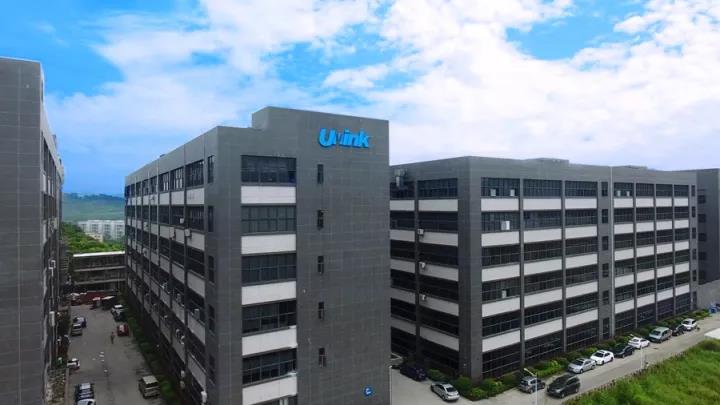
Uvink Tech. Co., Limited has specialized in R&D and the sales of digital ink-jet products, such as Eco/Solvent ink, UV Curable Ink, Sublimation Ink, DTG Pigment Ink, DTF pigment ink, Eco-solvent ink for leather, Ink for Character marking on PCB, Carton ink and Dye ink etc. since 2003. With 18 years experiences in digital ink-jet printing field, the technician team of Uvink company masters the latest US and Japan technology to research the innovative ink formulas and mature production skills. Our production lines are equipped with the top R&D team, imported machines and advanced analysis instruments, which produce ink at dust-free workshop in constant temperature and humidity environment. The automatic refilling and packing process ensure the product keep consistent quality. Monthly production capacity can reach more than 3000 tons.We also offer customized Ink OEM and ODM services.The 30,000 square meter’s new modern ink industrial park will be put into operation soon.With the concept of "Environmental Protection is the Future", ink-jet printing products of Uvink company have passed Swiss SGS company's ROHS, REACH environmental certifications. Its environmentally friendly formula not only increases the life of the nozzles, but also reduces the wastes of the resources. It can be said that it is a perfect balance between commodities and environmental protection.
 Sublimation Ink Buying Guide for sublimation printer ink | UVINK
  DTF ink Selection Guide for dtg dtf printer | UVINK
  UV DTF Ink: What Is UV DTF for Digital Printing?
  Economic DTF Ink for DTF Printer Procolored – No‑Clog, Cost‑Effective Industrial Printing Solution
  Economic‑Grade DTF Ink – Complete Industrial Guide: How To Make DTF Transfers With Inkjet Printer
  Industrial‑Grade UV DTF Ink – Complete Buying Guide for UV DTF Stickers for Tumblers Production
 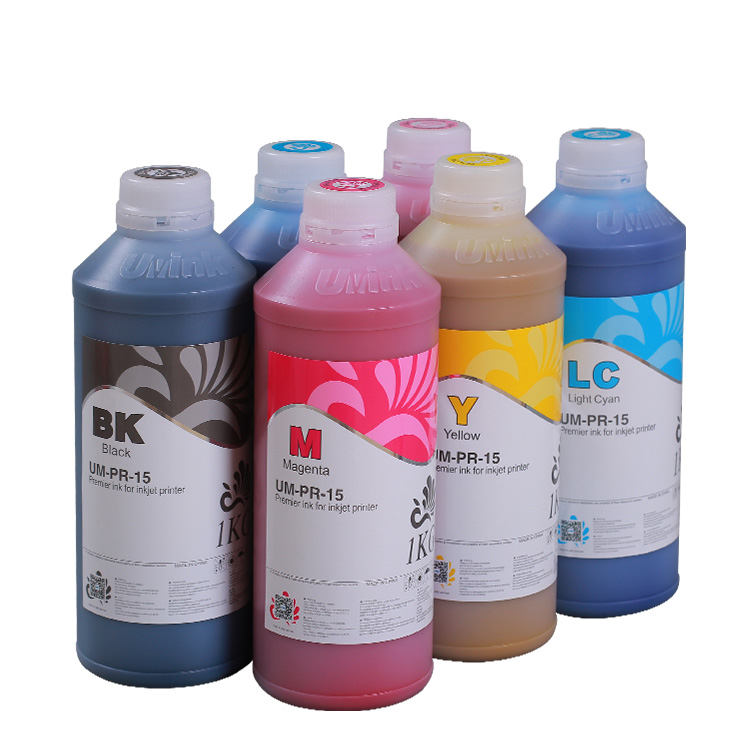 UVINK Eco Solvent Ink – Complete Industrial Buying Guide for Car Wrap Advertising Projects
  Fluorescent Sublimation Ink & Sublimation Printer Ink – Full Industrial UVINK Buyer Guide
  UVINK Economic DTF Ink – Complete Industrial Guide for DTF Printing Ink Users
  Professional‑Grade UV DTF Ink for High‑Quality UV DTF Prints – UVINK Complete Industrial Buying Guide
  Mild Solvent Ink & Outdoor Advertising Printing – Professional Industrial Guide by UVINK
  Sublimation Ink & Epson Sublimation Ink – Full Industrial Buyer Guide by UVINK
  UVINK UV DTF Ink & What Are UV DTF Stickers – Complete Industrial Guide
  UVINK Economic DTF ink: Complete Buyer Guide for dtf for shirts Printing
  Sublimation Ink & Printer Color Ink: Industrial B2B Technical Guide
  UV DTF Ink & How to Make UV DTF Stickers: Industrial Production Guide
  Solvent Ink for Wide Format Ink Jet Printer: Industrial Technical Guide
 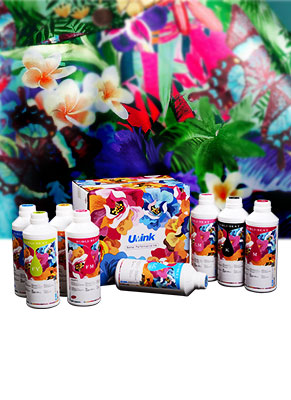 Sublimation Ink: Professional Technical Guide for Epson Printers
  Eco-solvent Ink: Professional Industrial Guide for Epson Pro Printers
  DTF Ink: Professional Industrial Guide for Procolored DTF Printer L1800