
Printing UV Ink: A Complete Guide – Specs, Comparisons, and Expert Insights

Printing UV Ink: A Complete Guide – Specs, Comparisons, and Expert Insights
Table of Contents
-
Introduction to Printing UV Ink
-
What Is UV Printing Ink? (Definition & Working Principle)
-
UV Ink Technical Specifications (Detailed Chart)
-
UV Ink vs. Eco Solvent Ink: Pros and Cons Comparison
-
Expert Insights on UV Printing Ink
-
Related Blog: Best DTF Ink for Epson: Top Picks for Vibrant, Long-Lasting Prints
-
FAQs About UV Printing Ink (Industry Common Questions)
-
Conclusion
1. Introduction to Printing UV Ink
2. What Is UV Printing Ink? (Definition & Working Principle)
2.1 Definition of UV Printing Ink
2.2 How UV Ink Works (Curing Process)
3. UV Ink Technical Specifications (Detailed Chart)
|
Parameter
|
Value Range
|
Importance & Explanation
|
|---|---|---|
|
Viscosity
|
8–25 cp @ 40°C (varies by type)
|
Critical for print head compatibility; lower viscosity suits Epson/Ricoh heads, while higher viscosity works for industrial printers.
|
|
Surface Tension
|
28–36 mN/m
|
Affects substrate wetting; ensures the ink spreads evenly on both porous and non-porous materials.
|
|
Particle Size
|
< 1 μm
|
Prevents nozzle clogging and ensures smooth printing; critical for high-resolution outputs.
|
|
Cure Speed
|
< 0.5 sec @ 300 mj/cm²
|
Determines production throughput; faster curing reduces bottlenecks in high-volume printing.
|
|
Adhesion
|
4B–5B (ASTM Standard)
|
Measures bond strength to substrates; 5B indicates excellent adhesion (no peeling or flaking).
|
|
Color Fastness
|
≥ 4.5 (ISO Standard)
|
Resistance to fading from sunlight and chemicals; ideal for outdoor applications.
|
|
耐候性 (Weather Resistance)
|
7–8 (Lightfastness Rating)
|
Withstands UV radiation, rain, and temperature changes; suitable for long-term outdoor use (5–10 years).
|
|
Shelf Life
|
6–12 months (CMYK); 6 months (white ink)
|
Requires storage in UV-protected containers at 15–25°C and < 60% humidity to maintain quality.
|
|
环保标准 (Environmental Standards)
|
ISO 9001, RoHS, REACH, FDA 21 CFR (food contact)
|
VOC-free; safe for indoor use and food-contact applications (low-migration formulas).
|
|
Compatible Substrates
|
Plastics, glass, metal, wood, paper, textiles, ceramics
|
Versatile adhesion to rigid and flexible materials; some substrates may require a primer.
|
4. UV Ink vs. Eco Solvent Ink: Pros and Cons Comparison
4.1 UV Ink: Pros & Cons
4.1.1 UV Ink Pros
-
Instant Curing: Dries immediately under UV light, eliminating drying time and reducing smudges—perfect for high-speed production.
-
VOC-Free & Eco-Friendly: Contains no volatile organic compounds, making it safe for indoor use and better for the environment and operators.
-
Versatile Substrate Compatibility: Adheres to almost all materials (rigid and flexible), including glass, metal, plastic, wood, and non-absorbent surfaces—no pre-treatment needed in most cases.
-
Superior Durability: Cures to a hard, scratch-resistant film; excellent weather resistance (fades less in sunlight) and chemical resistance.
-
Vibrant Colors & 3D Effects: Delivers bright, bold colors with high opacity; supports white ink overlay for 3D relief effects and printing on dark substrates.
-
Low Waste: No ink evaporation, so less ink is wasted compared to solvent-based inks.
4.1.2 UV Ink Cons
-
Higher Initial Cost: UV printers and inks are more expensive upfront than Eco Solvent systems—ideal for high-volume or specialized printing but may be cost-prohibitive for small businesses.
-
White Ink Maintenance: White UV ink is prone to settling, requiring regular agitation to prevent clogging; has a shorter shelf life than CMYK UV inks.
-
UV Lamp Replacement: UV lamps need periodic replacement (every 1,000–2,000 hours), adding to long-term maintenance costs.
-
Not Ideal for Thin Fabrics: May stiffen thin textiles due to the hard cured film; better suited for thick fabrics or rigid substrates.
4.2 Eco Solvent Ink: Pros & Cons
4.2.1 Eco Solvent Ink Pros
-
Lower Upfront Cost: Eco Solvent printers and inks are more affordable than UV systems, making them accessible for small to medium businesses.
-
Flexible Substrate Expertise: Excels on flexible materials (vinyl, banners, fabrics) without stiffening them—ideal for indoor/outdoor signage and textile printing.
-
High Print Precision: Delivers细腻, high-resolution prints suitable for close-up viewing (e.g.,商场灯箱、画册).
-
Minimal Maintenance: Less prone to clogging than UV ink; no UV lamp replacement needed.
4.2.2 Eco Solvent Ink Cons
-
Slow Drying Time: Relies on solvent evaporation to dry, which can take minutes to hours—slows down production and increases the risk of smudges.
-
VOC Emissions: Contains low levels of VOCs (though less than traditional solvent inks), requiring proper ventilation to ensure safety for operators.
-
Limited Substrate Compatibility: Works best on flexible, absorbent materials; struggles with non-absorbent substrates (glass, metal) without pre-treatment.
-
Poorer Weather Resistance: Fades faster in sunlight and is less scratch-resistant; requires lamination for long-term outdoor use, adding time and cost.
-
More Waste: Solvent evaporation leads to higher ink waste compared to UV ink.

5. Expert Insights on UV Printing Ink
“UV printing ink has transformed the industry by solving two of the biggest pain points in traditional printing: long drying times and limited substrate compatibility. Its instant curing technology not only boosts productivity but also opens up new creative possibilities—from printing on glass and metal for custom signage to creating 3D relief effects for promotional products. What’s most impressive is its environmental profile: being VOC-free makes it a sustainable choice for businesses looking to reduce their carbon footprint, without sacrificing quality or durability. While the upfront cost can be a barrier for small businesses, the long-term savings from reduced waste and maintenance (excluding UV lamp replacement) make it a worthwhile investment for high-volume or specialized printing. I also anticipate that future UV ink formulations will focus on bio-based monomers and self-cleaning properties, further enhancing their sustainability and performance.”
6. Related Blog: Best DTF Ink for Epson: Top Picks for Vibrant, Long-Lasting Prints
7. FAQs About UV Printing Ink (Industry Common Questions)
7.1 What substrates can UV printing ink be used on?
7.2 Is UV ink more expensive than Eco Solvent ink?
7.3 Does UV ink require special maintenance?
7.4 Is UV ink safe for indoor use?
7.5 How long does UV ink last on printed materials?
7.6 Can UV ink be used for 3D printing?
8. Conclusion
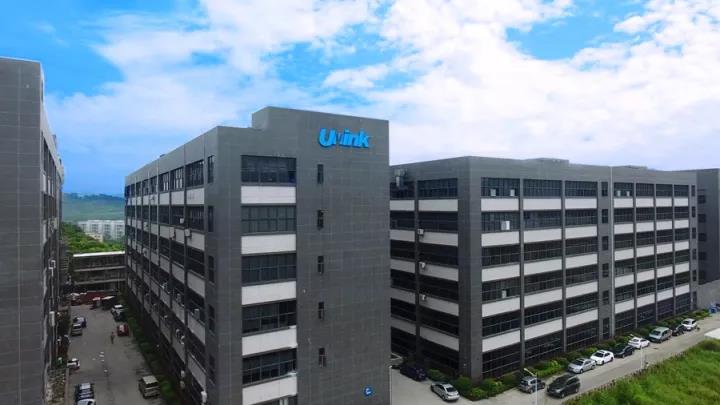
Uvink Tech. Co., Limited has specialized in R&D and the sales of digital ink-jet products, such as Eco/Solvent ink, UV Curable Ink, Sublimation Ink, DTG Pigment Ink, DTF pigment ink, Eco-solvent ink for leather, Ink for Character marking on PCB, Carton ink and Dye ink etc. since 2003. With 18 years experiences in digital ink-jet printing field, the technician team of Uvink company masters the latest US and Japan technology to research the innovative ink formulas and mature production skills. Our production lines are equipped with the top R&D team, imported machines and advanced analysis instruments, which produce ink at dust-free workshop in constant temperature and humidity environment. The automatic refilling and packing process ensure the product keep consistent quality. Monthly production capacity can reach more than 3000 tons.We also offer customized Ink OEM and ODM services.The 30,000 square meter’s new modern ink industrial park will be put into operation soon.With the concept of "Environmental Protection is the Future", ink-jet printing products of Uvink company have passed Swiss SGS company's ROHS, REACH environmental certifications. Its environmentally friendly formula not only increases the life of the nozzles, but also reduces the wastes of the resources. It can be said that it is a perfect balance between commodities and environmental protection.
 Sublimation Ink Buying Guide for sublimation printer ink | UVINK
  DTF ink Selection Guide for dtg dtf printer | UVINK
  UV DTF Ink: What Is UV DTF for Digital Printing?
  Economic DTF Ink for DTF Printer Procolored – No‑Clog, Cost‑Effective Industrial Printing Solution
  Economic‑Grade DTF Ink – Complete Industrial Guide: How To Make DTF Transfers With Inkjet Printer
  Industrial‑Grade UV DTF Ink – Complete Buying Guide for UV DTF Stickers for Tumblers Production
 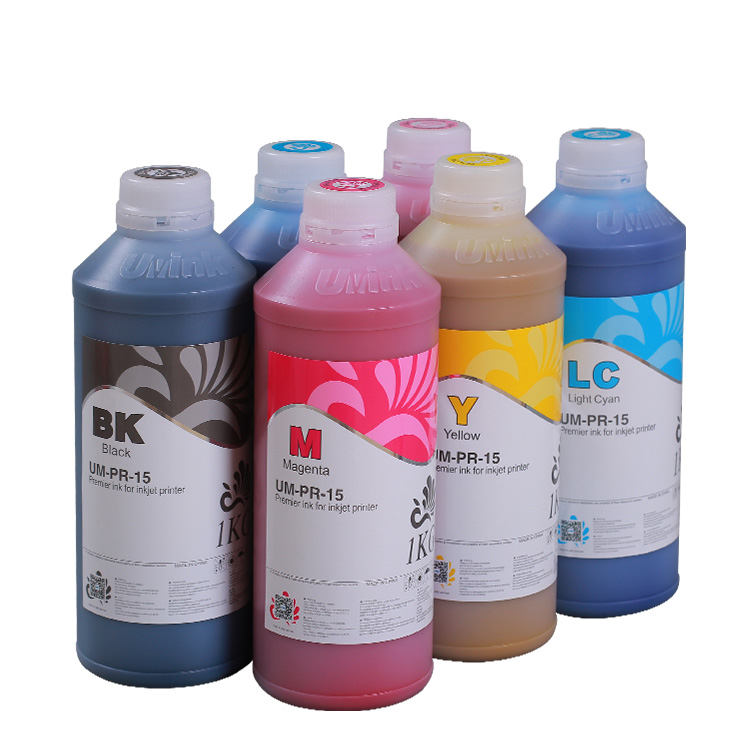 UVINK Eco Solvent Ink – Complete Industrial Buying Guide for Car Wrap Advertising Projects
  Fluorescent Sublimation Ink & Sublimation Printer Ink – Full Industrial UVINK Buyer Guide
  UVINK Economic DTF Ink – Complete Industrial Guide for DTF Printing Ink Users
 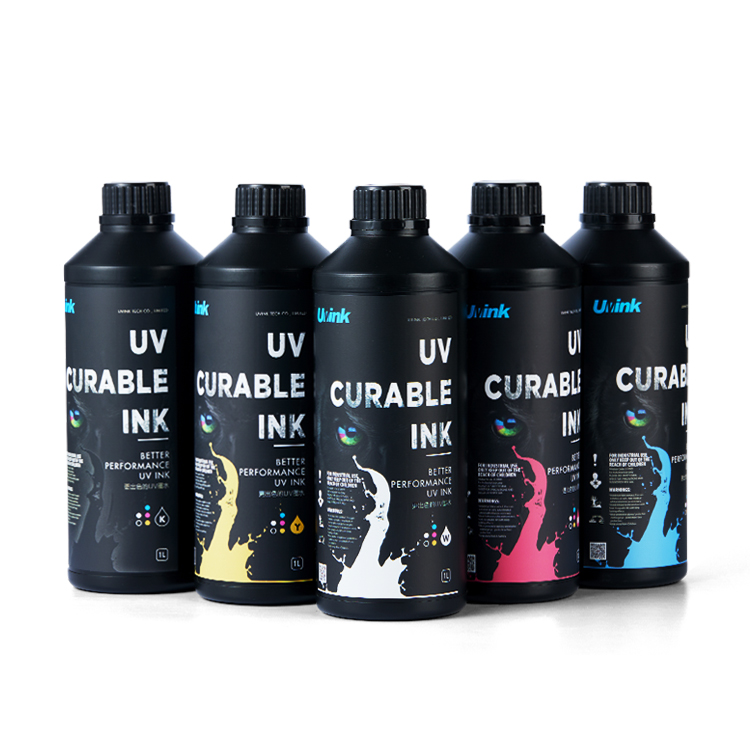 Professional‑Grade UV DTF Ink for High‑Quality UV DTF Prints – UVINK Complete Industrial Buying Guide
 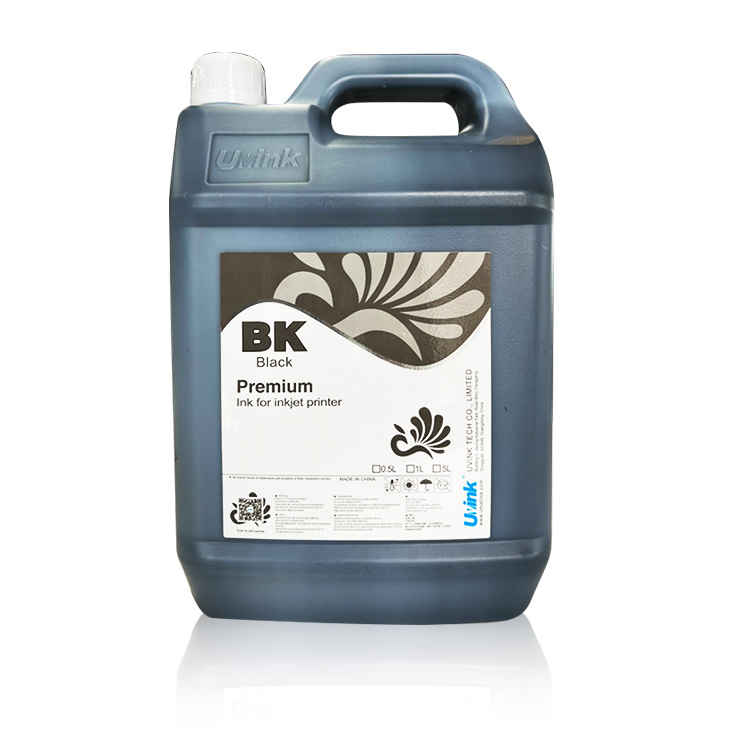 Mild Solvent Ink & Outdoor Advertising Printing – Professional Industrial Guide by UVINK
  Sublimation Ink & Epson Sublimation Ink – Full Industrial Buyer Guide by UVINK
  UVINK UV DTF Ink & What Are UV DTF Stickers – Complete Industrial Guide
 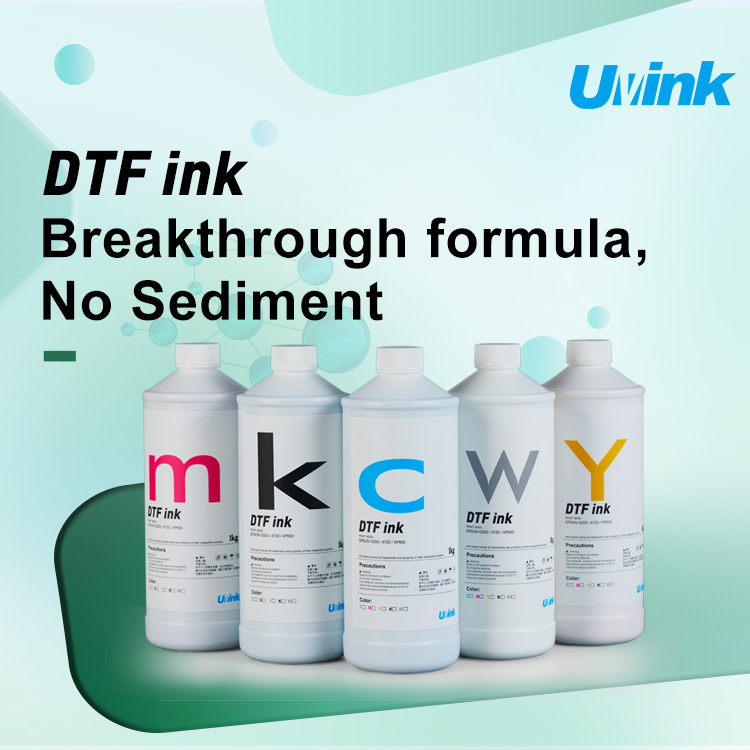 UVINK Economic DTF ink: Complete Buyer Guide for dtf for shirts Printing
  Sublimation Ink & Printer Color Ink: Industrial B2B Technical Guide
  UV DTF Ink & How to Make UV DTF Stickers: Industrial Production Guide
  Solvent Ink for Wide Format Ink Jet Printer: Industrial Technical Guide
 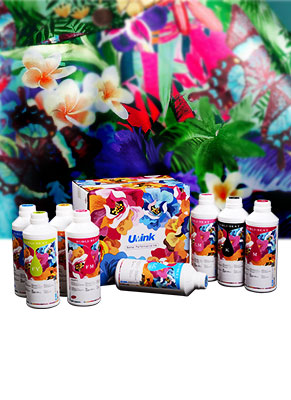 Sublimation Ink: Professional Technical Guide for Epson Printers
  Eco-solvent Ink: Professional Industrial Guide for Epson Pro Printers
  DTF Ink: Professional Industrial Guide for Procolored DTF Printer L1800