
Flexo UV Inks: The Ultimate Guide for Modern Printing Professionals

Flexo UV Inks: The Ultimate Guide for Modern Printing Professionals
Table of Contents
-
Introduction to Flexo UV Inks
-
Key Characteristics ofFlexo UV Inks
-
Technical Parameters of Flexo UV Inks (Parameter Table)
-
Flexo UV Inks vs. Hard UV Inks: Pros and Cons Comparison
-
Expert Insights on Flexo UV Inks
-
Practical Applications of Flexo UV Inks
-
Frequently Asked Questions (FAQs) About Flexo UV Inks
-
Conclusion
1. Introduction to Flexo UV Inks
2. Key Characteristics of Flexo UV Inks
2.1 Instant UV Curing
2.2 Eco-Friendly Formulation
2.3 Versatile Substrate Compatibility
2.4 High Print Quality & Durability
2.5 Cost-Effective Production
3. Technical Parameters of Flexo UV Inks (Parameter Table)
|
Parameter
|
Specification (Standard Flexo UV Inks)
|
Description
|
|---|---|---|
|
Color Range
|
4 Basic Colors (CMYK) + 2 Whites + 14 Spot Colors + Fluorescent Colors
|
Complies with PANTONE color standards; includes transparent white and high-opacity white options.
|
|
Viscosity (25℃, DIN 4)
|
80–110 seconds
|
Low viscosity ensures smooth flow and compatibility with flexographic printing machines; adjustable with UV-specific reducers.
|
|
Ink Film Weight
|
1.8–2.2 g/m² (Dot Printing); 2.5–3.5 g/m² (Solid Printing)
|
Optimal thickness for balanced color intensity and curing efficiency.
|
|
Printing Speed
|
70–150 m/min
|
Adjustable based on substrate, UV light intensity, and ink type; 120 m/min for dot printing, 70 m/min for solid printing.
|
|
UV Light Requirement
|
2 Lamps (120 W/cm) for Standard Curing; 3 Lamps (80–120 W/cm) for High-Speed Printing
|
Compatible with UV mercury lamps or LED UV lamps (energy-saving option, reduces power consumption by 50%+).
|
|
Adhesion
|
100/100 (Cross-Cut Test)
|
Excellent adhesion to most substrates, including treated plastics and metal foils.
|
|
Pencil Hardness
|
1–2H (Standard); >3H (Metal-Specific Formulations)
|
Measures the scratch resistance of the cured ink film.
|
|
Shelf Life
|
6–12 Months (25℃,避光, Sealed)
|
Storage conditions affect stability; avoid direct sunlight and high temperatures to prevent premature curing.
|
|
VOC Content
|
0–5 g/L
|
Meets global eco-friendly standards; no harmful solvent emissions.
|
|
Recommended Anilox Roller Parameters
|
80–470 Lines/Inch; 7–40 μm Cell Depth; 2–13 cm³/m² Capacity
|
Varies by printing type (dot vs. solid); 60-degree angle for optimal ink transfer.
|
4. Flexo UV Inks vs. Hard UV Inks: Pros and Cons Comparison
|
Comparison Factor
|
Flexo UV Inks
|
Hard UV Inks
|
|---|---|---|
|
Printing Process Compatibility
|
Pros: Designed specifically for flexographic printing; compatible with narrow and wide-web flexo machines; low viscosity ensures smooth ink transfer with flexible plates.Cons: Not suitable for screen or offset printing without formulation adjustments.
|
Pros: Compatible with screen, offset, and digital printing; ideal for rigid substrates.Cons: High viscosity makes them incompatible with flexographic machines (may clog anilox rollers and plates).
|
|
Substrate Compatibility
|
Pros: Versatile; adheres to porous (paper, cardboard) and non-porous (plastics, foils) substrates; works with heat-sensitive materials (low-temperature curing).Cons: May require surface treatment (e.g., corona treatment) for some non-porous substrates (e.g., PE, BOPP) to improve adhesion.
|
Pros: Excellent adhesion to rigid substrates (glass, metal, wood, ceramic); resistant to harsh conditions.Cons: Poor compatibility with flexible substrates (e.g., plastic films); may crack or peel when bent.
|
|
Curing Speed
|
Pros: Ultra-fast curing (milliseconds); compatible with high-speed flexo printing (up to 150 m/min); allows immediate post-processing.Cons: Curing speed depends on UV light intensity and ink film thickness; darker colors may require longer curing time.
|
Pros: Fast curing (seconds); suitable for batch printing of rigid items.Cons: Slower curing than flexo UV inks; not ideal for high-speed continuous printing.
|
|
Print Quality
|
Pros: Sharp details, vibrant colors, and excellent网点 reproducibility; thin ink film ensures consistent coverage; ideal for fine text and complex patterns.Cons: May not achieve the same thick, textured finish as hard UV inks.
|
Pros: Thick ink film for bold, textured prints; suitable for special effects (e.g., embossing, raised lettering); high opacity.Cons: Less detailed; may have uneven coverage on flexible or smooth substrates.
|
|
Durability
|
Pros: Scratch-resistant, water-resistant, and chemical-resistant; flexible cured film (won’t crack on bent substrates); excellent weather resistance with special formulations.Cons: Less impact-resistant than hard UV inks on rigid surfaces.
|
Pros: Extremely durable; impact-resistant, scratch-resistant, and heat-resistant; ideal for outdoor or heavy-use items.Cons: Brittle cured film; prone to cracking on flexible substrates.
|
|
Environmental Impact
|
Pros: Low to zero VOCs; no solvent waste; energy-efficient (especially with LED UV curing); meets global eco-standards.Cons: UV curing requires energy; some formulations may contain photoinitiators that need proper disposal.
|
Pros: Low VOCs (similar to flexo UV inks); no solvent evaporation.Cons: Higher energy consumption for curing; thicker ink film means more material usage; less suitable for eco-friendly flexible packaging.
|
|
Cost
|
Pros: Cost-effective for high-volume flexo printing; reduced waste and production time lower long-term costs; compatible with existing flexo machines (minor adjustments needed).Cons: Higher initial cost than traditional flexo inks.
|
Pros: Cost-effective for small-batch, rigid substrate printing; low waste for batch production.Cons: Higher cost for high-volume printing; requires specialized equipment (e.g., screen printers with UV curing).
|

5. Expert Insights on Flexo UV Inks
5.1 Expert Opinion 1: Sarah Johnson, Senior Ink Technologist (20+ Years of Experience in Flexographic Printing)
“Flexo UV inks have revolutionized the packaging industry by addressing two of the biggest pain points: speed and sustainability. Traditional solvent-based flexo inks require hours of drying time, which slows down production and increases the risk of waste. Flexo UV inks cure instantly, allowing printers to run machines at full capacity and deliver orders faster. Additionally, their low VOC content aligns with global environmental regulations—such as China’s new food contact material standards and the EU REACH法规—which are becoming increasingly strict. For packaging printers, especially those in the food and beverage sector, flexo UV inks are no longer an option; they’re a necessity. We’re also seeing growing demand for bio-based flexo UV inks, which further reduce carbon footprints and support circular economy goals.”
5.2 Expert Opinion 2: Michael Chen, Global Printing Industry Analyst (Specializes in UV Curing Technology)
“The adoption of flexo UV inks is accelerating, driven by the expansion of e-commerce and the growing demand for high-quality, sustainable labels and packaging. In 2025, the global flexo UV ink market is expected to see significant growth in Asia-Pacific, particularly in China and India, where policy-driven sustainability initiatives are pushing printers to switch from solvent-based inks. One key trend we’re observing is the integration of LED UV curing with flexo UV inks—this combination reduces energy consumption by up to 50% compared to traditional mercury lamps and extends machine lifespan. Another trend is the development of low-migration flexo UV inks, which are critical for food packaging, as they ensure no harmful substances leach into food. When compared to hard UV inks, flexo UV inks offer unmatched versatility, especially for flexible substrates, which is why they’re capturing market share in the flexible packaging segment.”
5.3 Expert Opinion 3: Thomas Miller, Global Technical Director at Flint Group (Specializes in UV Ink Formulation & Production)
“As a leading manufacturer of UV inks, we’ve seen firsthand how flexo UV inks have evolved to solve critical pain points for printers worldwide. One of the most impactful advancements we’ve driven is the optimization of low-migration flexo UV ink formulations—critical for food and pharmaceutical packaging, where regulatory compliance is non-negotiable. These formulations eliminate the risk of harmful substances leaching into products while maintaining the instant curing and substrate versatility that define flexo UV inks. Additionally, we’re focusing on formulating inks that work seamlessly with both mercury and LED UV curing systems, giving printers flexibility to upgrade equipment without overhauling their ink supply. Unlike hard UV inks, which are limited by their viscosity, flexo UV inks can be fine-tuned to match the exact specifications of narrow and wide-web flexo machines, reducing downtime from clogging and ensuring consistent ink transfer across high-volume runs.”
5.4 Expert Opinion 4: Emily Davis, Packaging Print Operations Manager (15+ Years in High-Volume Label & Flexible Packaging)
“From an operational standpoint, flexo UV inks have transformed our production line. Before adopting them, we struggled with long drying times for solvent-based inks—this meant bottlenecks between printing and post-processing, and frequent waste from smudged labels. Flexo UV inks cure in milliseconds, allowing us to run our flexo machines at 140 m/min while immediately moving prints to cutting and laminating. Their substrate versatility is another game-changer: we print on everything from paper labels to PE plastic pouches, and flexo UV inks maintain consistent adhesion without extra surface treatment for most substrates. We did test hard UV inks early on, but their high viscosity clogged our anilox rollers and caused uneven coverage on flexible materials—flexo UV inks eliminate that issue entirely. The only learning curve was adjusting our anilox roller parameters to match the ink’s low viscosity, but once optimized, we saw a 30% reduction in waste and a 25% increase in daily throughput.”
5.5 Expert Opinion 5: David Lee, Environmental Compliance Consultant (Specializes in Printing Industry Sustainability)
“Flexo UV inks are a cornerstone of sustainable printing practices, especially as global regulations on VOC emissions tighten. Unlike solvent-based flexo inks, which can emit high levels of harmful VOCs, flexo UV inks have near-zero VOC content, reducing printers’ carbon footprints and improving workplace air quality. Additionally, their instant curing reduces energy consumption compared to traditional drying systems, which require prolonged heat exposure. When paired with LED UV curing, flexo UV inks cut energy use by up to 60%—a significant savings for high-volume operations. While hard UV inks also have low VOCs, they are less sustainable for flexible packaging applications due to their higher material usage and limited substrate compatibility, which leads to more waste. Flexo UV inks align with circular economy goals too: many formulations are now bio-based, using renewable raw materials, and their durability reduces the need for reprints, further minimizing environmental impact.”
6. Practical Applications of Flexo UV Inks
6.1 Label Printing
6.2 Flexible Packaging
6.3 Paper and Cardboard Printing
6.4 Metal and Plastic Printing
7. Frequently Asked Questions (FAQs) About Flexo UV Inks
7.1 Q: Can flexo UV inks be used on existing flexo printing machines?
7.2 Q: Are flexo UV inks safe for food packaging?
7.3 Q: What is the difference between LED UV curing and mercury lamp UV curing for flexo UV inks?
7.4 Q: How do I solve adhesion issues with flexo UV inks on non-porous substrates?
7.5 Q: How should flexo UV inks be stored?
7.6 Q: Are flexo UV inks more expensive than traditional flexo inks?
7.7 Q: Can flexo UV inks be used for special effects printing?
8. Conclusion
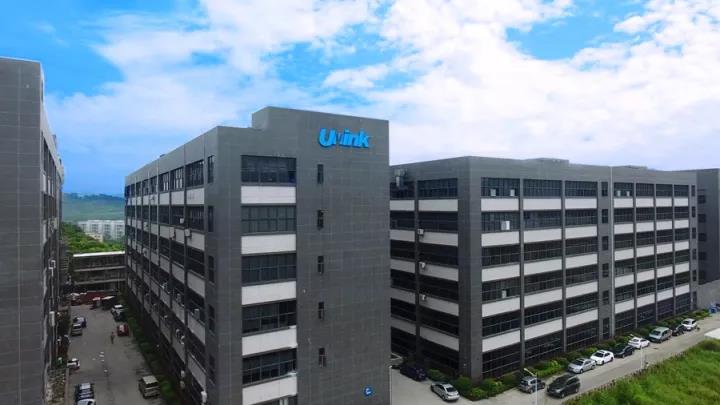
Uvink Tech. Co., Limited has specialized in R&D and the sales of digital ink-jet products, such as Eco/Solvent ink, UV Curable Ink, Sublimation Ink, DTG Pigment Ink, DTF pigment ink, Eco-solvent ink for leather, Ink for Character marking on PCB, Carton ink and Dye ink etc. since 2003. With 18 years experiences in digital ink-jet printing field, the technician team of Uvink company masters the latest US and Japan technology to research the innovative ink formulas and mature production skills. Our production lines are equipped with the top R&D team, imported machines and advanced analysis instruments, which produce ink at dust-free workshop in constant temperature and humidity environment. The automatic refilling and packing process ensure the product keep consistent quality. Monthly production capacity can reach more than 3000 tons.We also offer customized Ink OEM and ODM services.The 30,000 square meter’s new modern ink industrial park will be put into operation soon.With the concept of "Environmental Protection is the Future", ink-jet printing products of Uvink company have passed Swiss SGS company's ROHS, REACH environmental certifications. Its environmentally friendly formula not only increases the life of the nozzles, but also reduces the wastes of the resources. It can be said that it is a perfect balance between commodities and environmental protection.
 Sublimation Ink Buying Guide for sublimation printer ink | UVINK
  DTF ink Selection Guide for dtg dtf printer | UVINK
  UV DTF Ink: What Is UV DTF for Digital Printing?
  Economic DTF Ink for DTF Printer Procolored – No‑Clog, Cost‑Effective Industrial Printing Solution
  Economic‑Grade DTF Ink – Complete Industrial Guide: How To Make DTF Transfers With Inkjet Printer
  Industrial‑Grade UV DTF Ink – Complete Buying Guide for UV DTF Stickers for Tumblers Production
  UVINK Eco Solvent Ink – Complete Industrial Buying Guide for Car Wrap Advertising Projects
  Fluorescent Sublimation Ink & Sublimation Printer Ink – Full Industrial UVINK Buyer Guide
  UVINK Economic DTF Ink – Complete Industrial Guide for DTF Printing Ink Users
 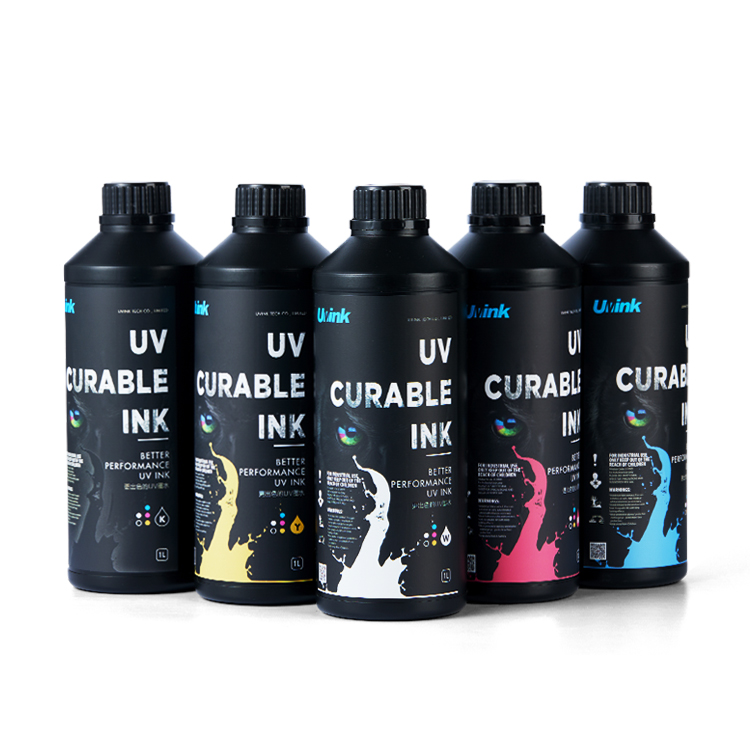 Professional‑Grade UV DTF Ink for High‑Quality UV DTF Prints – UVINK Complete Industrial Buying Guide
 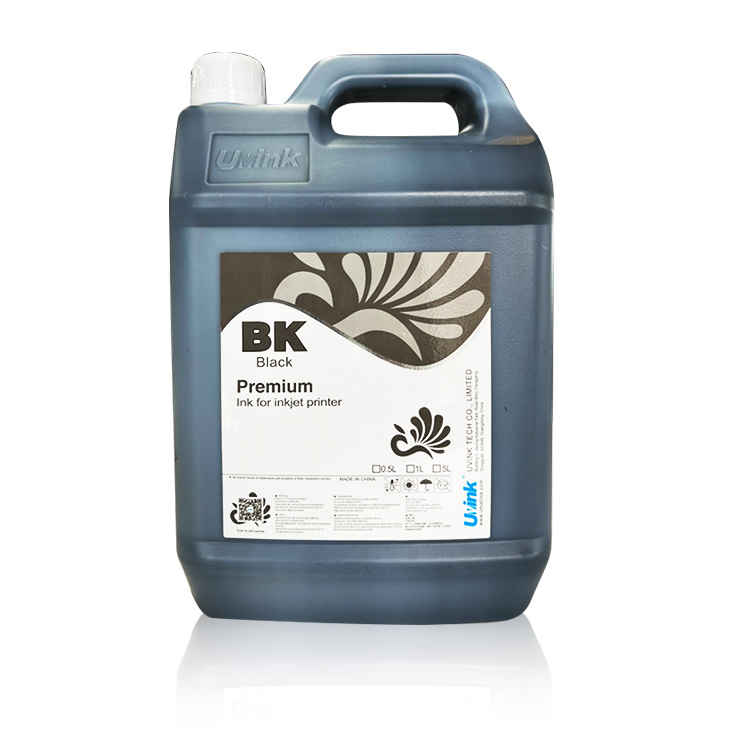 Mild Solvent Ink & Outdoor Advertising Printing – Professional Industrial Guide by UVINK
  Sublimation Ink & Epson Sublimation Ink – Full Industrial Buyer Guide by UVINK
  UVINK UV DTF Ink & What Are UV DTF Stickers – Complete Industrial Guide
 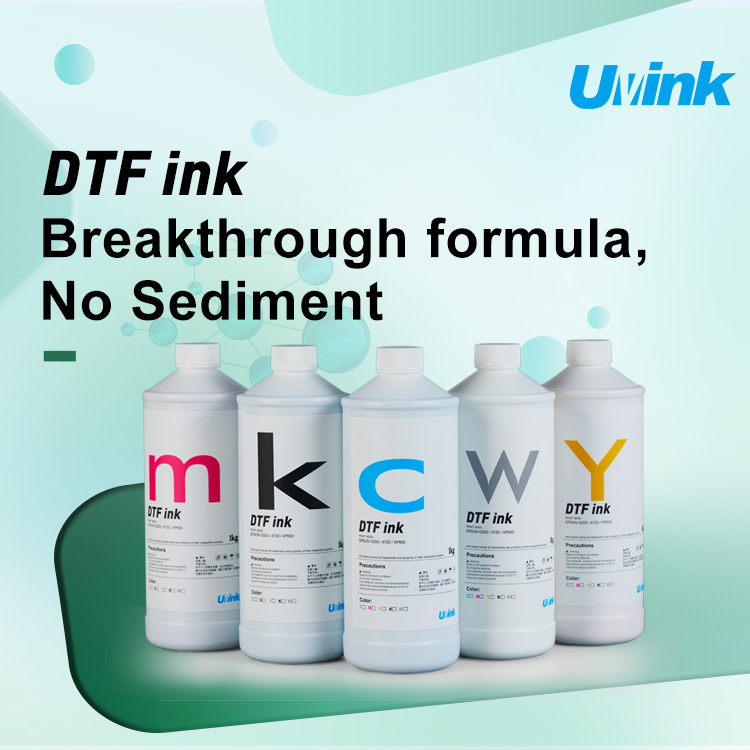 UVINK Economic DTF ink: Complete Buyer Guide for dtf for shirts Printing
  Sublimation Ink & Printer Color Ink: Industrial B2B Technical Guide
  UV DTF Ink & How to Make UV DTF Stickers: Industrial Production Guide
  Solvent Ink for Wide Format Ink Jet Printer: Industrial Technical Guide
  Sublimation Ink: Professional Technical Guide for Epson Printers
  Eco-solvent Ink: Professional Industrial Guide for Epson Pro Printers
  DTF Ink: Professional Industrial Guide for Procolored DTF Printer L1800