
Flexible UV Ink: A Complete Guide to Process, Applications, Advantages & Comparisons

Flexible UV Ink: A Complete Guide to Process, Applications, Advantages & Comparisons
Table of Contents
-
Introduction to Flexible UV Ink
-
Production Process of Flexible UV Ink
-
Key Applications of Flexible UV Ink
-
Core Advantages of Flexible UV Ink
-
Technical Parameters of Flexible UV Ink
-
Flexible UV Ink vs. Hard UV Ink: Pros & Cons Comparison
-
Expert Opinions on Flexible UV Ink
-
Reference to Previous Blog: High Quality Sublimation Ink: The Ultimate Guide for Perfect Prints
-
Frequently Asked Questions (FAQs) About Flexible UV Ink
-
Conclusion
Introduction to Flexible UV Ink
Production Process of Flexible UV Ink
1. Raw Material Preparation
-
Oligomers: Branched prepolymers (e.g., DCPD-type acrylates) are used to provide the ink’s primary flexibility and adhesion, with a molecular structure that allows for stretching without cracking .
-
Monomers: Monofunctional or difunctional monomers (e.g., acrylic esters) reduce viscosity while enhancing cross-linking during curing, ensuring the ink flows smoothly through printers .
-
Pigments: Nano-scale pigments (average particle size < 1μm) are chosen for high color saturation and dispersion stability, preventing clogs in printheads .
-
Photoinitiators: UV-sensitive initiators (e.g., α-hydroxycyclohexyl phenyl ketone) are added to trigger rapid polymerization when exposed to UV light .
-
Additives: Flexibility enhancers, anti-scratch agents, and defoamers are incorporated to optimize performance for specific applications .
2. Formulation & Mixing
3. Filtration & Degassing
4. Curing Test & Quality Control
5. Printing & Post-Curing
Key Applications of Flexible UV Ink
1. Flexible Packaging
2. Advertising & Signage
3. Wearable Electronics & Textiles
4. Automotive Interiors
5. Medical Devices
Core Advantages of Flexible UV Ink
1. Exceptional Flexibility & Ductility
2. Instant UV Curing
3. Environmentally Friendly (Low VOCs)
4.Broad Substrate Compatibility
5. High Durability
6. High Print Precision

Technical Parameters of Flexible UV Ink
|
Parameter
|
Specification
|
|---|---|
|
Type
|
Eco-friendly UV-curable ink
|
|
Color Range
|
CMYK, White (W), Varnish (V), Special colors (e.g., transparent yellow, red)
|
|
Viscosity (25°C)
|
80-110 seconds (#4 viscometer); 10-50 mPa·s (dynamic viscosity)
|
|
Curing Condition
|
365nm/395nm LED UV lamp; Power 80-120W/cm; Curing speed 30-80m/min
|
|
Curing Time
|
0.1-1 seconds
|
|
Adhesion
|
100/100 (ASTM D3359); 5B grade
|
|
Pencil Hardness
|
1-2H (general substrates); >3H (metal-adapted variants)
|
|
Elongation at Break
|
>100%
|
|
VOC Content
|
≤50g/L
|
|
Storage Condition
|
16-28°C, dark and ventilated; Shelf life >6 months
|
|
Compatible Printheads
|
Epson I1600, Epson I3200, piezoelectric/thermal inkjet heads
|
|
Substrate Compatibility
|
PET, PVC, TPU, silicone, leather, elastic fabrics, metal foils (coated), etc.
|
Flexible UV Ink vs. Hard UV Ink: Pros & Cons Comparison
|
Aspect
|
Flexible UV Ink
|
Hard UV Ink
|
|---|---|---|
|
Core Use Case
|
Flexible substrates (films, fabrics, leather, TPU)
|
Rigid substrates (glass, metal, ceramic, acrylic, tiles)
|
|
Flexibility
|
Excellent (elongation >100%); no cracking when bent/stretched
|
Poor; brittle after curing; cracks easily if bent
|
|
Adhesion
|
High (5B grade) on flexible substrates; good on coated metals
|
High (5B grade) on rigid substrates; poor on flexible materials
|
|
Hardness
|
Moderate (1-3H); balances flexibility and scratch resistance
|
High (4-6H); extremely scratch-resistant
|
|
Color Vibrancy
|
High; good color saturation on soft substrates
|
Higher; more vivid on rigid, non-porous substrates
|
|
Substrate Adaptability
|
Broad (flexible materials); limited on uncoated rigid substrates
|
Narrow (rigid materials); incompatible with flexible substrates
|
|
Application Examples
|
Flexible packaging, wearable tech, vehicle wraps, leather goods
|
Glass signage, ceramic tiles, metal labels, acrylic displays
|
|
Pros
|
Flexible, versatile, ideal for soft materials, low VOCs
|
Hard, scratch-resistant, vivid colors, durable on rigid substrates
|
|
Cons
|
Lower hardness than hard UV ink; not suitable for rigid substrates
|
Brittle; cannot be used on flexible substrates; higher brittleness risk
|
Expert Opinions on Flexible UV Ink
“Flexible UV ink has revolutionized the flexible packaging and wearable tech sectors by solving the long-standing problem of ink cracking on deformable substrates. Its combination of instant curing, low VOCs, and high ductility aligns perfectly with global trends toward green manufacturing and customization. We anticipate its market share will grow at an 8.2% CAGR, driven by demand from food packaging and electronics industries.” — Dr. Emily Chen, Chief Technologist at a leading global UV ink manufacturer, quoted in the 2025 China UV Ink Industry Development Report .
“Compared to traditional solvent inks, flexible UV ink cuts production time by 70% and reduces carbon emissions by over 80%. For high-volume printers, this translates to significant cost savings and compliance with strict environmental regulations. The key to its success is the balance between flexibility and durability—something hard UV ink cannot match for soft substrates.” — Mark Williams, Senior Printing Consultant at a European printing technology firm .
Reference to Previous Blog: High Quality Sublimation Ink: The Ultimate Guide for Perfect Prints
Frequently Asked Questions (FAQs) About Flexible UV Ink
Q1: How to store flexible UV ink properly?
Q2: Why is my flexible UV ink not adhering well to the substrate?
Q3: Can flexible UV ink be mixed with hard UV ink?
Q4: Is flexible UV ink safe for food contact packaging?
Q5: How to improve the curing speed of flexible UV ink?
Q6: Can flexible UV ink be used for outdoor applications?
Conclusion
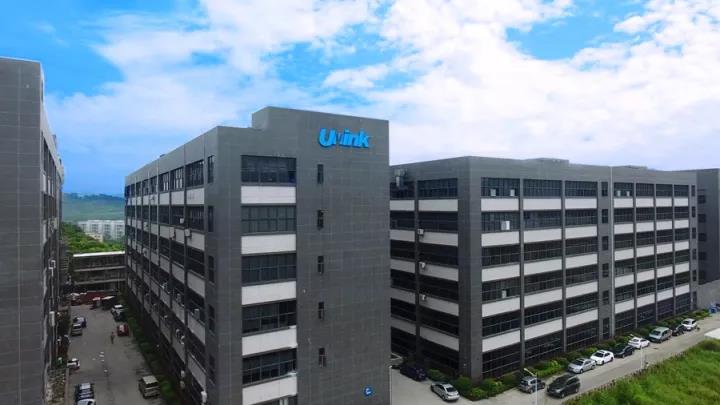
Uvink Tech. Co., Limited has specialized in R&D and the sales of digital ink-jet products, such as Eco/Solvent ink, UV Curable Ink, Sublimation Ink, DTG Pigment Ink, DTF pigment ink, Eco-solvent ink for leather, Ink for Character marking on PCB, Carton ink and Dye ink etc. since 2003. With 18 years experiences in digital ink-jet printing field, the technician team of Uvink company masters the latest US and Japan technology to research the innovative ink formulas and mature production skills. Our production lines are equipped with the top R&D team, imported machines and advanced analysis instruments, which produce ink at dust-free workshop in constant temperature and humidity environment. The automatic refilling and packing process ensure the product keep consistent quality. Monthly production capacity can reach more than 3000 tons.We also offer customized Ink OEM and ODM services.The 30,000 square meter’s new modern ink industrial park will be put into operation soon.With the concept of "Environmental Protection is the Future", ink-jet printing products of Uvink company have passed Swiss SGS company's ROHS, REACH environmental certifications. Its environmentally friendly formula not only increases the life of the nozzles, but also reduces the wastes of the resources. It can be said that it is a perfect balance between commodities and environmental protection.
 Sublimation Ink Buying Guide for sublimation printer ink | UVINK
  DTF ink Selection Guide for dtg dtf printer | UVINK
  UV DTF Ink: What Is UV DTF for Digital Printing?
  Economic DTF Ink for DTF Printer Procolored – No‑Clog, Cost‑Effective Industrial Printing Solution
  Economic‑Grade DTF Ink – Complete Industrial Guide: How To Make DTF Transfers With Inkjet Printer
  Industrial‑Grade UV DTF Ink – Complete Buying Guide for UV DTF Stickers for Tumblers Production
  UVINK Eco Solvent Ink – Complete Industrial Buying Guide for Car Wrap Advertising Projects
  Fluorescent Sublimation Ink & Sublimation Printer Ink – Full Industrial UVINK Buyer Guide
  UVINK Economic DTF Ink – Complete Industrial Guide for DTF Printing Ink Users
 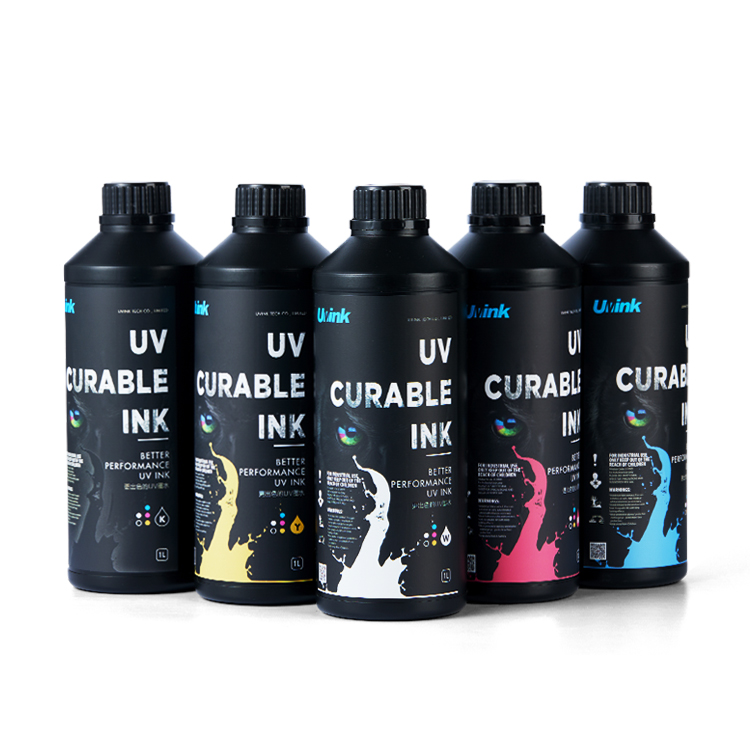 Professional‑Grade UV DTF Ink for High‑Quality UV DTF Prints – UVINK Complete Industrial Buying Guide
 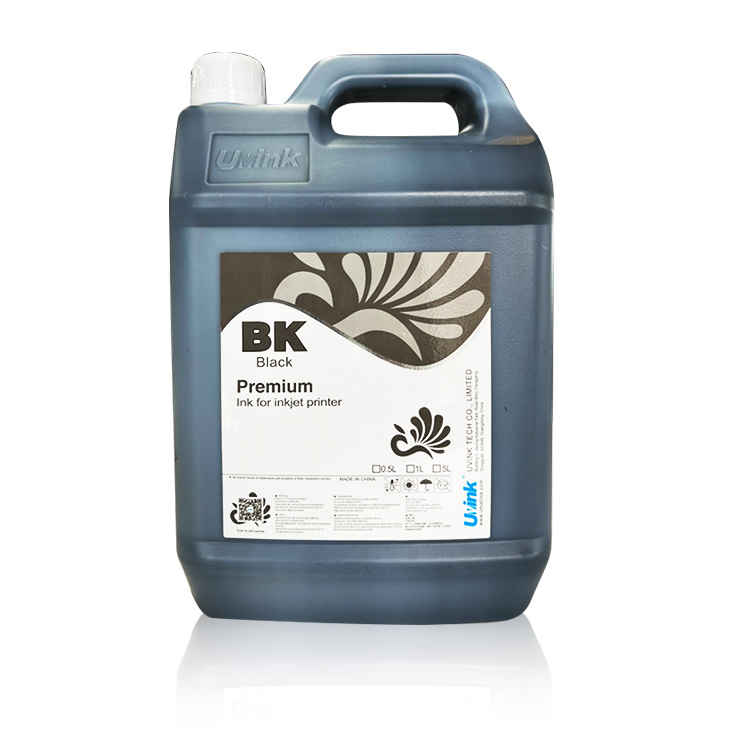 Mild Solvent Ink & Outdoor Advertising Printing – Professional Industrial Guide by UVINK
  Sublimation Ink & Epson Sublimation Ink – Full Industrial Buyer Guide by UVINK
  UVINK UV DTF Ink & What Are UV DTF Stickers – Complete Industrial Guide
 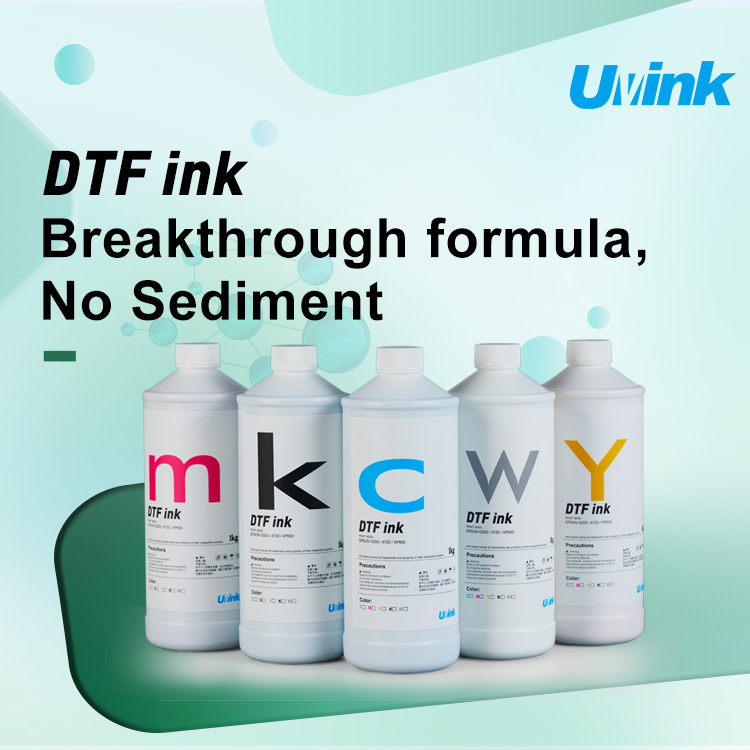 UVINK Economic DTF ink: Complete Buyer Guide for dtf for shirts Printing
  Sublimation Ink & Printer Color Ink: Industrial B2B Technical Guide
  UV DTF Ink & How to Make UV DTF Stickers: Industrial Production Guide
  Solvent Ink for Wide Format Ink Jet Printer: Industrial Technical Guide
  Sublimation Ink: Professional Technical Guide for Epson Printers
  Eco-solvent Ink: Professional Industrial Guide for Epson Pro Printers
  DTF Ink: Professional Industrial Guide for Procolored DTF Printer L1800