
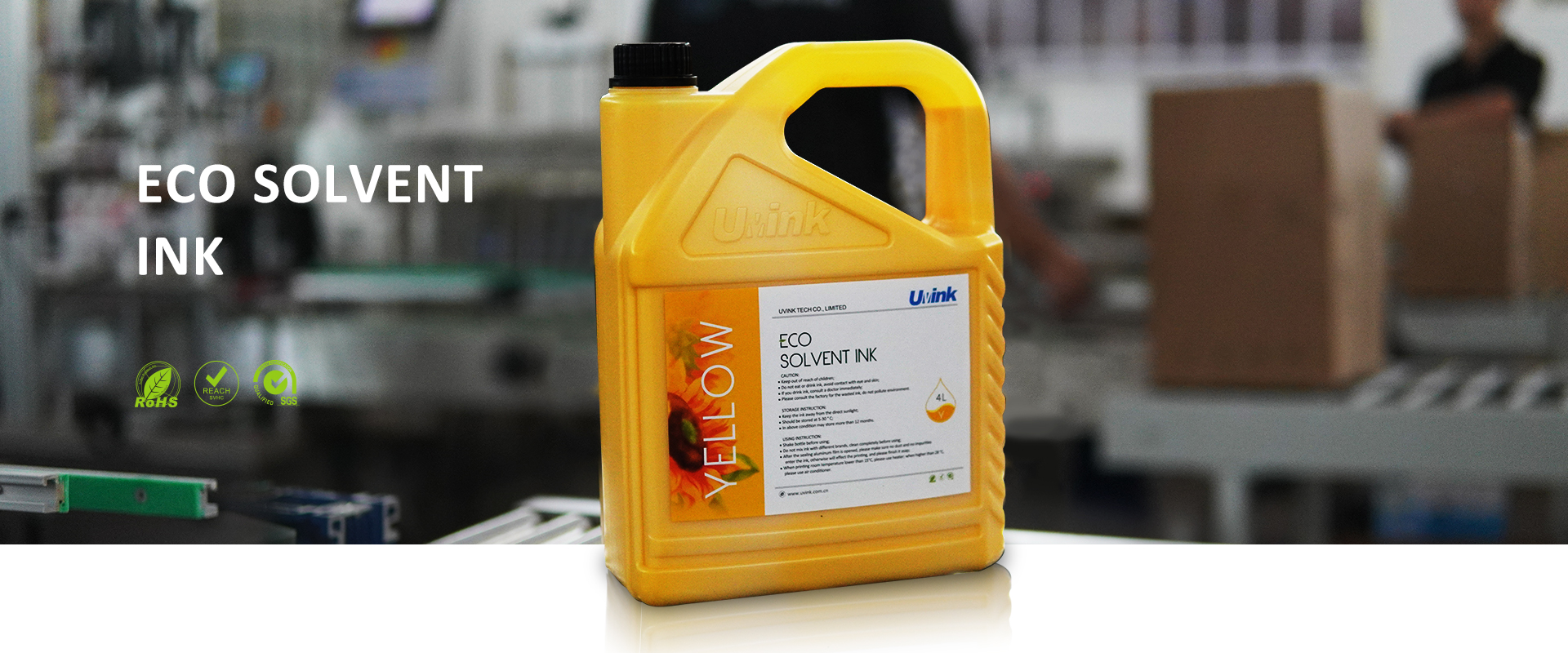
Solvent Based Inks: A Comprehensive Guide to Specs, Comparisons, and Expert Insights

Solvent Based Inks: A Comprehensive Guide to Specs, Comparisons, and Expert Insights
Table of Contents
-
1. Introduction to Solvent Based Inks
-
2. Key Specifications of Solvent Based Inks
-
3. Solvent Based Inks vs. Water-Based Inks: Pros and Cons
-
4. Expert Perspectives on Solvent Based Inks
-
5. Common FAQs About Solvent Based Inks
-
6. Conclusion
1. Introduction to Solvent Based Inks
1.1 What Are Solvent Based Inks?
2. Key Specifications of Solvent Based Inks
|
Specification
|
Typical Range
|
Description
|
|---|---|---|
|
Solvent Type
|
Esters, Ketones, Aliphatic Hydrocarbons
|
Determines drying speed, substrate compatibility, and VOC emissions.
|
|
Viscosity
|
10-30 cP (at 25°C)
|
Affects ink flow in printers; lower viscosity for fine nozzles, higher for heavy coatings.
|
|
Drying Time
|
1-5 Minutes (Air-Dried)
|
Faster than water-based inks due to rapid solvent evaporation.
|
|
Adhesion Strength
|
4-5B (ASTM D3359)
|
Excellent bonding to non-porous substrates like vinyl, plastic, and metal.
|
|
Weather Resistance
|
6-24 Months (Outdoor, Uncoated)
|
Resists UV radiation, moisture, and temperature fluctuations.
|
|
VOC Content
|
30-60% by Weight
|
Higher than water-based inks; requires proper ventilation.
|
|
Color Gamut
|
Wide (Pantone Matching Available)
|
Delivers vibrant, consistent colors for high-visibility applications.
|
|
Substrate Compatibility
|
Vinyl, PVC, Acrylic, Metal, Polyester
|
Ideal for non-porous materials; limited use on porous substrates.
|
3. Solvent Based Inks vs. Water-Based Inks: Pros and Cons
3.1 Solvent Based Inks: Advantages
-
Superior Adhesion: Bonds tightly to non-porous substrates without pre-treatment, reducing production time and costs.
-
Rapid Drying: Solvents evaporate quickly, enabling high-speed printing and immediate post-processing (e.g., cutting, laminating).
-
Exceptional Durability: Resists fading, scratching, and moisture, making it ideal for outdoor signage, vehicle wraps, and industrial labels.
-
Wide Substrate Range: Works with vinyl, plastic, metal, and other non-porous materials that water-based inks struggle to adhere to.
3.2 Solvent Based Inks: Disadvantages
-
High VOC Emissions: Organic solvents release volatile organic compounds, requiring proper ventilation, personal protective equipment (PPE), and compliance with environmental regulations (e.g., EPA standards).
-
Strong Odor: The solvents produce a pungent smell, making them unsuitable for indoor use without air filtration systems.
-
Limited Porous Substrate Use: Poor absorption into paper, cardboard, or wood, leading to smudging and weak adhesion.
-
Higher Disposal Costs: Waste ink and solvents are classified as hazardous materials, requiring specialized disposal methods.
3.3 Water-Based Inks: Advantages
-
Low VOC Emissions: Uses water as the main carrier, making it eco-friendly and safe for indoor use (e.g., packaging, textiles).
-
Minimal Odor: No harsh solvent smells, improving workplace air quality.
-
Cost-Effective: Water is inexpensive, and waste disposal is simpler and less costly than solvent-based alternatives.
-
Porous Substrate Compatibility: Excels on paper, cardboard, and natural fabrics (e.g., cotton).
3.4 Water-Based Inks: Disadvantages
-
Slow Drying: Water evaporates slowly, requiring longer drying times or additional equipment (e.g., heat lamps), which can slow production.
-
Poor Adhesion to Non-Porous Materials: Requires pre-treatment (e.g., priming) for vinyl or plastic, increasing process complexity.
-
Low Weather Resistance: Fades quickly outdoors and is susceptible to moisture damage without a protective coating.
-
Limited Durability: Prone to scratching and wear, making it unsuitable for high-traffic or industrial applications.
3.5 When to Choose Solvent Based Inks?

4. Expert Perspectives on Solvent Based Inks
4.1 Expert Quote 1: Sarah Mitchell, Senior Ink Technologist at PrintTech Solutions
“Solvent based inks remain irreplaceable for outdoor applications where durability is non-negotiable. Unlike water-based inks, they don’t require laminating to withstand UV rays or rain, which saves time and money for large-format projects. That said, we’re seeing advancements in low-VOC solvent inks to address environmental concerns—bridging the gap between performance and sustainability.”
4.2 Expert Quote 2: Michael Torres, Wide-Format Printing Consultant
“Many printers overlook the substrate compatibility of solvent based inks. They work seamlessly with rigid materials like acrylic and flexible substrates like vinyl, which is a huge advantage over water-based options. However, proper ventilation is non-negotiable. Printers should invest in high-quality air filtration systems to comply with regulations and protect their teams. For those prioritizing both durability and eco-friendliness, it’s worth comparing with dye sublimation inks—our Dye Sublimation Inks: A Complete Guide to Specs, Comparisons, and Expert Insights dives deeper into how these two ink types stack up for specific use cases.”
4.3 Expert Quote 3: Dr. Liu Wenhua, Environmental Policy Advisor at China Packaging Printing Association
“With increasingly stringent VOC emission control policies globally, solvent based inks are facing unprecedented regulatory pressure, especially in the packaging printing industry. Our research on 31 key enterprises in Sichuan shows that while solvent-based inks remain irreplaceable for high-gloss film printing in concave and flexo processes, their high VOC content (30-60% by weight) makes compliance a core challenge. The industry’s current low-VOC substitution rate is still below 60%, and the main bottleneck lies in balancing environmental friendliness with performance—many low-VOC alternatives lack sufficient adhesion and heat resistance. The future lies in integrating solvent-based ink advantages with green technologies, such as modifying resin systems to reduce benzene residues, rather than complete replacement.”
4.4 Expert Quote 4: Zhang Ming, Chief Technology Officer at Zhongyi Ink & Coating Co., Ltd.
“From a manufacturer’s perspective, solvent based inks are evolving toward ‘high precision + low environmental impact’ through advanced detection and formula optimization. We use GC-MS and ICP-OES equipment to eliminate benzene residues and control batch-to-batch color difference (ΔE ≤ 1.2), addressing both regulatory requirements and quality stability. For electronic and automotive packaging applications, our improved solvent-based inks enhance adhesion by 35% while reducing VOC emissions by 20% compared to traditional formulations. The myth that solvent-based inks cannot be eco-friendly is fading—technological barriers, not inherent limitations, have been the main obstacle.”
4.5 Expert Quote 5: Marco Rossi, Global Printing Technology Consultant at StarColor Ink
“Even with the rise of water-based inks, solvent based inks maintain a competitive edge in high-end printing scenarios due to superior color performance. Practical tests show that on BOPP film substrates, solvent-based inks achieve a color density (OD value) of 1.8, 5-10% higher than water-based alternatives, with gloss levels reaching 60-80 GU at 60°. This makes them indispensable for cosmetic and premium product packaging where color saturation and mirror effects are critical. The key is not choosing between ink types, but matching them to scenarios—solvent-based inks for high-performance outdoor/industrial needs, and water-based for eco-sensitive indoor applications, as we’ve also observed in comparisons with dye sublimation technologies.”
5. Common FAQs About Solvent Based Inks
5.1 Are solvent based inks safe to use?
5.2 Can solvent based inks be used indoors?
5.3 How long do solvent based ink prints last outdoors?
5.4 Are solvent based inks compatible with all printers?
5.5 How to dispose of waste solvent based inks?
6. Conclusion
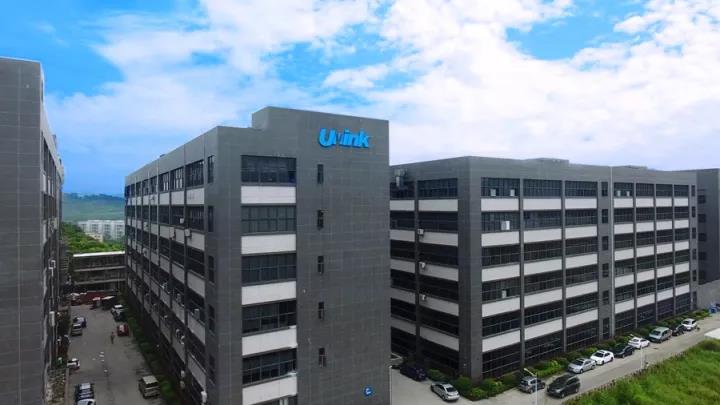
Uvink Tech. Co., Limited has specialized in R&D and the sales of digital ink-jet products, such as Eco/Solvent ink, UV Curable Ink, Sublimation Ink, DTG Pigment Ink, DTF pigment ink, Eco-solvent ink for leather, Ink for Character marking on PCB, Carton ink and Dye ink etc. since 2003. With 18 years experiences in digital ink-jet printing field, the technician team of Uvink company masters the latest US and Japan technology to research the innovative ink formulas and mature production skills. Our production lines are equipped with the top R&D team, imported machines and advanced analysis instruments, which produce ink at dust-free workshop in constant temperature and humidity environment. The automatic refilling and packing process ensure the product keep consistent quality. Monthly production capacity can reach more than 3000 tons.We also offer customized Ink OEM and ODM services.The 30,000 square meter’s new modern ink industrial park will be put into operation soon.With the concept of "Environmental Protection is the Future", ink-jet printing products of Uvink company have passed Swiss SGS company's ROHS, REACH environmental certifications. Its environmentally friendly formula not only increases the life of the nozzles, but also reduces the wastes of the resources. It can be said that it is a perfect balance between commodities and environmental protection.
 Sublimation Ink Buying Guide for sublimation printer ink | UVINK
  DTF ink Selection Guide for dtg dtf printer | UVINK
  UV DTF Ink: What Is UV DTF for Digital Printing?
  Economic DTF Ink for DTF Printer Procolored – No‑Clog, Cost‑Effective Industrial Printing Solution
  Economic‑Grade DTF Ink – Complete Industrial Guide: How To Make DTF Transfers With Inkjet Printer
  Industrial‑Grade UV DTF Ink – Complete Buying Guide for UV DTF Stickers for Tumblers Production
 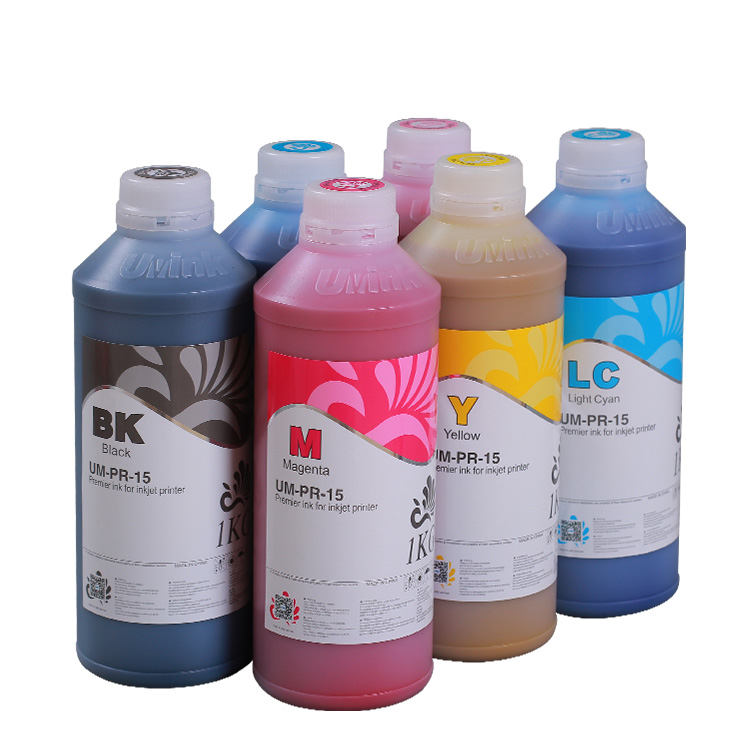 UVINK Eco Solvent Ink – Complete Industrial Buying Guide for Car Wrap Advertising Projects
 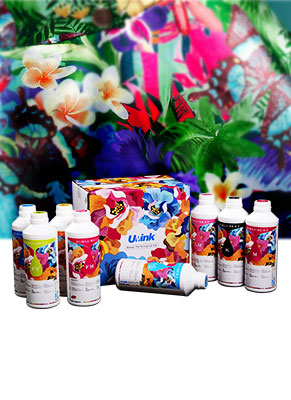 Fluorescent Sublimation Ink & Sublimation Printer Ink – Full Industrial UVINK Buyer Guide
  UVINK Economic DTF Ink – Complete Industrial Guide for DTF Printing Ink Users
 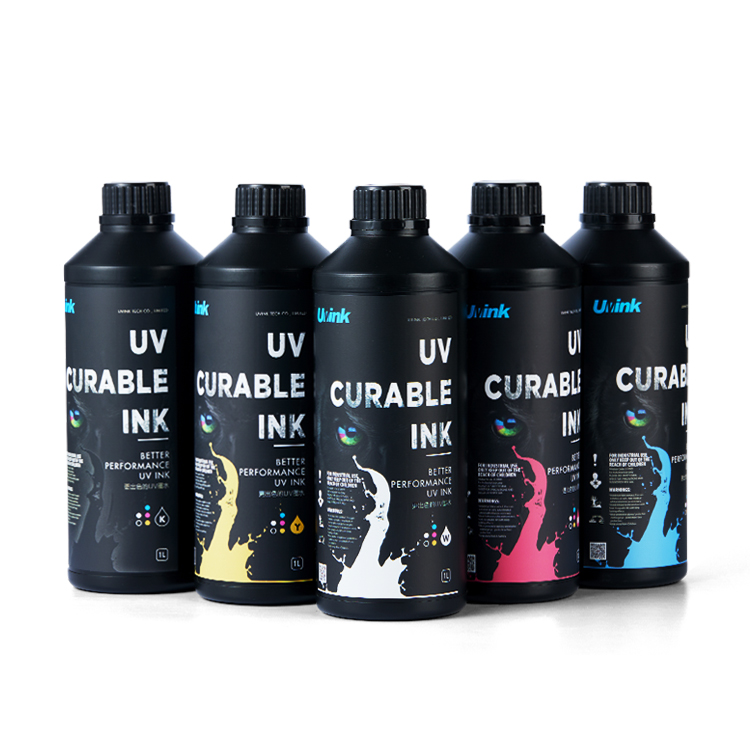 Professional‑Grade UV DTF Ink for High‑Quality UV DTF Prints – UVINK Complete Industrial Buying Guide
 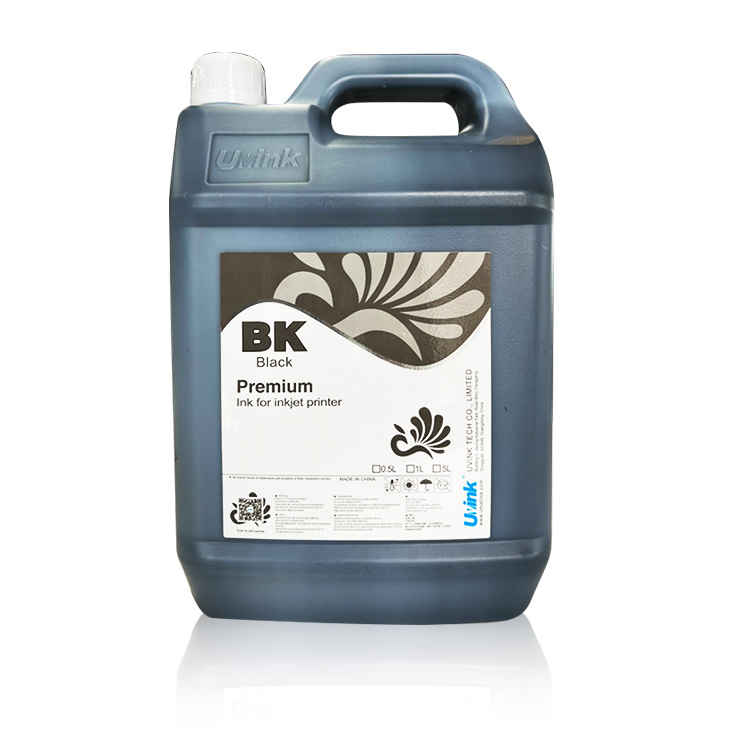 Mild Solvent Ink & Outdoor Advertising Printing – Professional Industrial Guide by UVINK
  Sublimation Ink & Epson Sublimation Ink – Full Industrial Buyer Guide by UVINK
  UVINK UV DTF Ink & What Are UV DTF Stickers – Complete Industrial Guide
 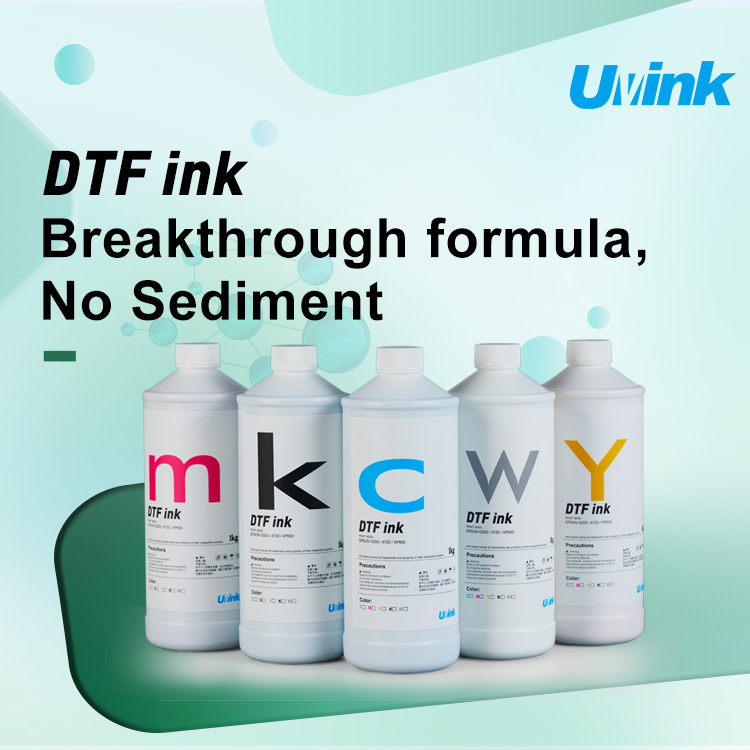 UVINK Economic DTF ink: Complete Buyer Guide for dtf for shirts Printing
  Sublimation Ink & Printer Color Ink: Industrial B2B Technical Guide
  UV DTF Ink & How to Make UV DTF Stickers: Industrial Production Guide
  Solvent Ink for Wide Format Ink Jet Printer: Industrial Technical Guide
  Sublimation Ink: Professional Technical Guide for Epson Printers
  Eco-solvent Ink: Professional Industrial Guide for Epson Pro Printers
  DTF Ink: Professional Industrial Guide for Procolored DTF Printer L1800