
Unraveling the Mystery of White DTF Ink's White Sedimentation Issue
2025-10-21
Unraveling the Mystery of White DTF Ink's White Sedimentation Issue
Table of Contents
-
Introduction
-
What is White DTF Ink
-
The Sedimentation Issue
-
Expert Opinions
-
Parameters of General White DTF Ink
-
Comparison with Previous Coverage Issue
-
FAQs
-
Conclusion
Introduction
In the world of DTF (Direct - To - Film) printing, white DTF ink plays a crucial role, especially when it comes to achieving high - quality, vibrant prints on various substrates. However, one persistent issue that has been plaguing the industry is the white sedimentation issue in white DTF ink. This problem is not only a concern for ink manufacturers but also for printers, textile companies, and anyone involved in the DTF printing process.
White DTF ink is widely used in applications such as garment printing, where it serves as a base for creating opaque and vivid designs. When sedimentation occurs, it can lead to inconsistent ink flow during printing, resulting in uneven color distribution, clogged print heads, and ultimately, a lower - quality end product. Given the growing popularity of DTF printing in the fashion, advertising, and home decor industries, understanding and solving the white sedimentation issue in white DTF ink is of utmost importance for maintaining product quality, reducing production costs, and ensuring customer satisfaction.
What is White DTF Ink
Definition and Basics
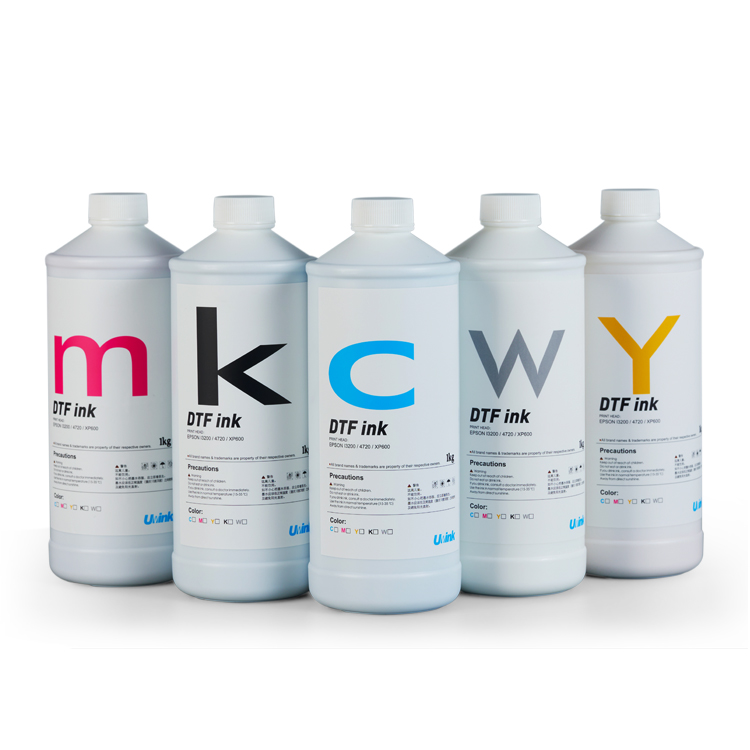
White DTF ink is a specialized type of ink used in the Direct - To - Film (DTF) printing process. In DTF printing, designs are first printed onto a special PET (polyethylene terephthalate) film using DTF inks, which include white ink, along with other colors such as cyan, magenta, yellow, and black (CMYK).
White DTF ink serves several crucial functions. Firstly, it acts as a base layer or underlay for prints on dark - colored fabrics. Since most inks, especially CMYK inks, do not show up well on dark materials, white ink provides an opaque layer that allows the colors to be visible and vibrant. For example, when printing a colorful logo on a black T - shirt, the white DTF ink is printed first to create a light - colored base on which the other colors can be layered.
Secondly, it can be used to create white elements within a design. Whether it's a white star in a graphic or the white text on a printed item, white DTF ink enables the accurate reproduction of these white parts.
White DTF ink is commonly used in the textile industry for garment printing, including T - shirts, hoodies, and hats. It is also used in the production of promotional items like bags and aprons, as well as in home decor applications such as printing on curtains or cushion covers.
Key Features
-
High Opaque Pigmentation: White DTF ink contains a high concentration of pigments, usually titanium dioxide, which gives it excellent opacity. This opacity is essential for covering the base fabric color, especially on dark - colored materials, ensuring that the printed design appears bright and vivid.
-
Good Adhesion: It has strong adhesion properties to both the DTF film and the fabric substrate. This ensures that during the printing process on the film and the subsequent transfer to the fabric using heat and pressure, the ink remains firmly attached. A well - adhered ink means that the printed design will not peel or flake off easily, even after multiple washes or regular wear and tear.
-
Colorfastness: White DTF ink is designed to be colorfast, which means it resists fading over time. Whether exposed to sunlight, washing, or friction, the white color of the ink should maintain its integrity. This is crucial for ensuring the long - term quality and appearance of the printed products.
-
Viscosity Balance: It has a carefully balanced viscosity. A proper viscosity allows for smooth and consistent ink flow through the print heads of DTF printers. If the viscosity is too high, it can cause clogging of the print heads, while too low a viscosity may result in blurry or inconsistent prints.
-
Flexibility: After curing, the white DTF ink forms a flexible film on the fabric. This flexibility is important as it allows the fabric to stretch and move naturally without cracking the ink layer. For example, in stretchy sportswear or form - fitting clothing, the ink needs to be able to flex with the fabric.
The Sedimentation Issue
Manifestation
The white sedimentation issue in white DTF ink is quite visible. When the ink is left undisturbed in its container, such as an ink cartridge or a storage tank, white particles gradually settle at the bottom over time. These particles can range in size from fine, powdery substances to larger, more noticeable chunks. In some cases, the sediment may form a thick layer that adheres firmly to the bottom of the container.
If you observe the ink in a transparent container, you can clearly see a separation between the clear or semi - clear ink liquid at the top and the concentrated white sediment at the bottom. When the ink is in use, you may also notice streaks or unevenness in the printed white areas, which are direct manifestations of the sedimentation problem during the ink - transfer process.
Consequences
-
Print Quality Degradation: The most obvious consequence is the degradation of print quality. Since the sedimented white ink has an uneven distribution of pigments, it leads to color inconsistency. For example, in a printed T - shirt design with a large white background area, the printed white may appear patchy, with some areas being darker or lighter than others. This color unevenness makes the overall print look unprofessional and of low quality.
-
Print Head Clogging: The sediment particles can also cause significant problems for the print heads of DTF printers. As the ink is pumped through the narrow nozzles of the print heads, the larger sediment particles can get stuck, blocking the flow of ink. This not only disrupts the printing process but also requires frequent cleaning or replacement of the print heads. Clogged print heads can lead to missing lines, dots, or even complete failure to print in certain areas of the design.
-
Wastage of Ink and Resources: Due to the sedimentation issue, a significant amount of ink may become unusable. Printers often have to discard the sediment - laden ink, which is a waste of both the ink itself and the resources used to produce it. This increases production costs, especially for large - scale printing operations that rely heavily on DTF ink. Additionally, the time spent on dealing with clogged print heads, re - printing due to poor quality, and disposing of wasted ink all contribute to inefficiencies in the production process.
Causes Analysis
-
Ink Composition: The composition of white DTF ink plays a crucial role in sedimentation. White DTF ink mainly contains pigments (such as titanium dioxide for opacity), binders to hold the pigments together, solvents to adjust viscosity, and various additives. If the pigments are not properly dispersed in the ink matrix, they tend to aggregate over time and settle at the bottom. For instance, if the dispersing agents in the ink formulation are not sufficient or of low quality, the pigment particles will not remain evenly suspended in the ink, leading to sedimentation.
-
Storage Conditions: Improper storage conditions can accelerate the sedimentation process. High temperatures can cause the ink components to react differently, leading to the breakdown of the dispersion system. For example, if white DTF ink is stored in a hot warehouse during summer without proper temperature control, the pigments may start to separate more quickly. Similarly, exposure to direct sunlight can also have a negative impact on the ink's stability. Humidity can also be a factor; excessive humidity can cause moisture to enter the ink, which may affect the chemical balance and lead to sedimentation.
-
Long - term Storage: Even under ideal conditions, white DTF ink has a limited shelf life. Over an extended period, the natural settling of particles can occur. The longer the ink is stored, the more likely it is for the pigments to sediment. This is why it's important for printers to use ink within the recommended storage time provided by the manufacturer.
-
Incorrect Usage and Handling: Frequent agitation of the ink in an improper way can also contribute to sedimentation. If the ink is shaken vigorously instead of being gently stirred, it can cause the pigments to break free from the binder and start to settle. Additionally, if the ink is not used regularly, the particles have more time to separate. For example, if a printer has a large batch of white DTF ink but only uses it sporadically, sedimentation is more likely to occur.
Expert Opinions
Dr. Emily Chen, a renowned expert in ink chemistry and DTF printing technology, has provided valuable insights into the white sedimentation issue in white DTF ink. According to Dr. Chen, "The sedimentation problem in white DTF ink is mainly due to the instability of the pigment - binder - solvent system. To address this, manufacturers should focus on improving the dispersion technology of pigments. Newer dispersing agents with better compatibility and stability can be used to ensure that the pigment particles remain evenly suspended in the ink matrix for a longer time."
In terms of storage, Dr. Chen suggests, "Maintaining proper storage conditions is crucial. White DTF ink should be stored in a cool, dry place away from direct sunlight. The ideal storage temperature is between 15 - 25 degrees Celsius, and the humidity should be kept below 60%. Additionally, using air - tight containers can prevent moisture and air from entering the ink, which can accelerate sedimentation."
For printers and users, Dr. Chen offers practical advice: "Regularly stir the white DTF ink gently before use. Instead of vigorous shaking, use a stirrer or a magnetic stirrer to ensure that the sediment is evenly distributed back into the ink. However, this is only a short - term solution. In the long run, choosing high - quality inks from reliable manufacturers with proper quality control measures is the best way to minimize sedimentation issues."
Another industry expert, Mr. David Smith, who has extensive experience in DTF printing equipment and ink application, emphasizes the importance of equipment maintenance in relation to sedimentation. "Clogged print heads due to sedimentation can be averted by regular maintenance of the printing equipment. Printers should perform routine flushing of the print heads with appropriate cleaning solutions. This not only helps in preventing clogs but also extends the lifespan of the print heads," he says. Mr. Smith also adds that "working closely with ink suppliers to provide feedback on sedimentation issues can lead to improvements in ink formulations over time."
Parameters of General White DTF Ink
Here is a parameter table for general white DTF ink:
|
Parameter
|
Value/Range
|
Explanation
|
|
Viscosity
|
Usually 3 - 5 mPa·s
|
Viscosity affects the ink flow through the print head. A proper viscosity ensures smooth and consistent printing. If it is too high, the ink may clog the print head; if too low, the print quality may be compromised due to inconsistent ink deposition.
|
|
Curing Time
|
Typically 1 - 3 minutes at a specific temperature (e.g., 150 - 180°C)
|
The curing time is crucial as it determines how long it takes for the ink to dry and form a stable bond with the fabric or substrate. Insufficient curing can lead to poor adhesion and colorfastness, while over - curing may damage the ink and the substrate.
|
|
Pigment Concentration
|
High, often with a significant amount of titanium dioxide for opacity
|
Pigment concentration directly impacts the opacity and color intensity of the white ink. A higher concentration of titanium dioxide, for example, results in better coverage on dark - colored substrates.
|
|
Color Gamut Range
|
N/A (mainly for white, but affects the overall color reproduction when combined with other inks)
|
While white DTF ink is mainly for opacity, in a multi - color DTF printing system, it still contributes to the overall color gamut. A good - quality white ink should not interfere with the accurate reproduction of other colors in the CMYK or additional color sets.
|
|
Adhesion Strength
|
High, measured by adhesion tests (e.g., tape - pull test)
|
Adhesion strength indicates how well the ink adheres to the fabric or substrate. A high - adhesion ink ensures that the printed design remains intact during normal use, washing, and wear.
|
|
Shelf Life
|
Usually 6 - 12 months under proper storage conditions
|
The shelf life is the period during which the ink can be stored and still maintain its quality. After this time, the ink may start to degrade, and sedimentation or other quality issues may become more pronounced.
|
|
Flexibility
|
High, able to withstand fabric stretching without cracking
|
Flexibility is essential, especially for applications on stretchable fabrics. The ink needs to be able to stretch and bend with the fabric to avoid cracking and maintain the integrity of the print.
|
Comparison with Previous Coverage Issue
In a previous blog titled "White DTF ink coverage issue?", we delved into the problems associated with the poor coverage of white DTF ink. While the sedimentation issue and the coverage issue are both related to white DTF ink, they have distinct differences and some similarities.
Similarities
-
Impact on Print Quality: Both the sedimentation issue and the coverage issue can severely affect the print quality. In the case of the coverage issue, the white ink fails to provide an even and opaque base, resulting in a design that looks patchy and colors that do not appear as vivid as they should. Similarly, sedimentation leads to uneven pigment distribution, causing color inconsistency and a lack of uniformity in the printed white areas, thus degrading the overall print quality.
-
Root in Ink Composition: They both have their roots in the ink composition. For the coverage issue, it could be due to an insufficient amount of pigments or improper pigment - binder ratios, which prevent the ink from covering the substrate effectively. In sedimentation, the ink composition plays a crucial role as well. If the pigments are not properly dispersed in the ink matrix, they tend to settle, leading to sediment - related problems.
Differences
-
Manifestation: The coverage issue is mainly visible as a lack of opacity in the printed white areas, especially on dark - colored substrates. You might see the underlying fabric color showing through in some parts of the print. In contrast, the sedimentation issue is first noticed in the ink container, where white particles settle at the bottom. During printing, it shows up as streaks, unevenness, or clogged print heads rather than just a lack of opacity.
-
Solutions: Solving the coverage issue often involves adjusting the ink formulation, such as increasing the pigment concentration or optimizing the binder system. For sedimentation, solutions include improving dispersion technology, better storage conditions, and proper handling and usage of the ink. Regular stirring of the ink is a short - term fix for sedimentation, which is not relevant to the coverage issue.
FAQs
Q1: How can I prevent white sedimentation in white DTF ink?
-
Proper Storage: Store the white DTF ink in a cool, dry place with a temperature between 15 - 25 degrees Celsius and humidity below 60%. Use air - tight containers to prevent moisture and air from entering. For example, if you are a small - scale printing studio, keep the ink in a climate - controlled storage cabinet away from windows to avoid sunlight exposure.
-
Regular Stirring: Gently stir the ink before each use. A magnetic stirrer can be a great tool for this purpose. Stirring helps to evenly distribute the pigment particles that may have started to settle, reducing the likelihood of sedimentation. For instance, if you are using a 1 - liter container of white DTF ink, stir it for about 5 - 10 minutes before use.
-
Choose High - Quality Inks: Select white DTF inks from reputable manufacturers with strict quality control. These inks are more likely to have a well - balanced formulation and better - quality dispersing agents, which can prevent sedimentation over time. Research customer reviews and industry ratings before making a purchase.
Q2: Can I still use the ink if there is sedimentation?
Yes, you can often still use the ink if there is sedimentation. First, gently stir the ink thoroughly to re - disperse the sediment back into the ink. You can use a stirrer or a stick designed for ink mixing. After stirring, filter the ink through a fine - mesh filter, preferably with a mesh size of 100 - 200 microns. This will remove any large sediment particles that may still cause problems. However, if after filtering and printing, you notice issues such as uneven color distribution, streaking, or clogging of the print head, it may be best to discard the ink, as the sediment may have already damaged the ink's properties beyond repair.
Q3: What should I do if the sedimentation affects the printing quality?
-
Replace the Ink: If the sedimentation has severely affected the printing quality and attempts to re - disperse and filter the ink have been unsuccessful, it's advisable to replace the ink with a new batch. Using poor - quality ink due to sedimentation issues can lead to a high rate of product rejects, which is costly in terms of both materials and time.
-
Clean the Print Head: Sediment can clog the print head, so perform a thorough cleaning of the print head using a suitable cleaning solution recommended by the printer manufacturer. This may involve soaking the print head in the cleaning solution for a specified period and then running a cleaning cycle on the printer.
-
Adjust Printing Parameters: In some cases, you may be able to adjust the printing parameters to compensate for the sediment - affected ink. For example, you can increase the ink flow rate slightly to ensure that enough ink is being deposited on the film. However, this should be a last resort, as it may not completely solve the problem and could potentially lead to other issues like over - saturation of the print.
Conclusion
In conclusion, the white sedimentation issue in white DTF ink is a significant concern in the DTF printing industry. White DTF ink, with its high - opaque pigmentation, good adhesion, colorfastness, balanced viscosity, and flexibility, is essential for high - quality DTF prints, especially on dark - colored substrates. However, sedimentation can lead to print quality degradation, print head clogging, and wastage of ink and resources.
The causes of sedimentation, including ink composition, storage conditions, long - term storage, and incorrect usage and handling, must be addressed comprehensively. Expert opinions, such as those of Dr. Emily Chen and Mr. David Smith, provide valuable guidance on improving ink formulations, maintaining proper storage, and conducting regular equipment maintenance.
When compared to the previous coverage issue, we can see that while both are related to white DTF ink and affect print quality, they have distinct manifestations and solutions. Understanding these differences helps in more effectively troubleshooting and preventing problems in DTF printing.
By solving the white sedimentation issue, the DTF printing industry can expect to see improved product quality, reduced production costs, and increased customer satisfaction. This, in turn, will contribute to the further growth and development of the DTF printing market in industries such as fashion, advertising, and home decor.
Looking to the future, we can anticipate the development of more advanced ink formulations. Manufacturers may focus on creating inks with even better - dispersed pigments, longer shelf lives, and enhanced stability under various conditions. New storage and handling techniques may also emerge, further minimizing the sedimentation issue. Additionally, as DTF printing technology continues to evolve, white DTF ink will likely play an even more crucial role, and continuous research and innovation in this area will be essential to meet the growing demands of the market.
 Sublimation Ink Buying Guide for sublimation printer ink | UVINK
  DTF ink Selection Guide for dtg dtf printer | UVINK
  UV DTF Ink: What Is UV DTF for Digital Printing?
  Economic DTF Ink for DTF Printer Procolored – No‑Clog, Cost‑Effective Industrial Printing Solution
  Economic‑Grade DTF Ink – Complete Industrial Guide: How To Make DTF Transfers With Inkjet Printer
  Industrial‑Grade UV DTF Ink – Complete Buying Guide for UV DTF Stickers for Tumblers Production
  UVINK Eco Solvent Ink – Complete Industrial Buying Guide for Car Wrap Advertising Projects
  Fluorescent Sublimation Ink & Sublimation Printer Ink – Full Industrial UVINK Buyer Guide
  UVINK Economic DTF Ink – Complete Industrial Guide for DTF Printing Ink Users
  Professional‑Grade UV DTF Ink for High‑Quality UV DTF Prints – UVINK Complete Industrial Buying Guide
  Mild Solvent Ink & Outdoor Advertising Printing – Professional Industrial Guide by UVINK
  Sublimation Ink & Epson Sublimation Ink – Full Industrial Buyer Guide by UVINK
  UVINK UV DTF Ink & What Are UV DTF Stickers – Complete Industrial Guide
 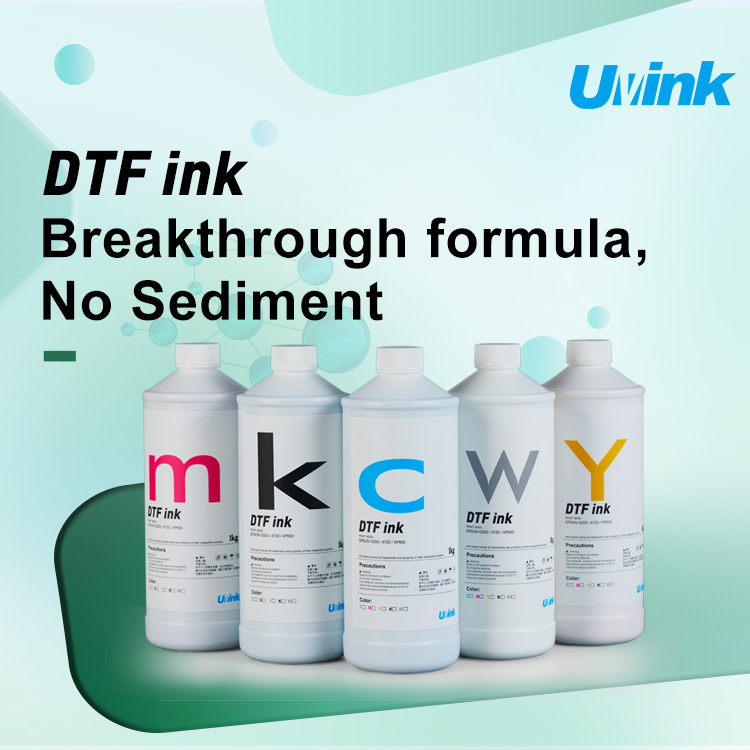 UVINK Economic DTF ink: Complete Buyer Guide for dtf for shirts Printing
  Sublimation Ink & Printer Color Ink: Industrial B2B Technical Guide
  UV DTF Ink & How to Make UV DTF Stickers: Industrial Production Guide
  Solvent Ink for Wide Format Ink Jet Printer: Industrial Technical Guide
  Sublimation Ink: Professional Technical Guide for Epson Printers
  Eco-solvent Ink: Professional Industrial Guide for Epson Pro Printers
  DTF Ink: Professional Industrial Guide for Procolored DTF Printer L1800