
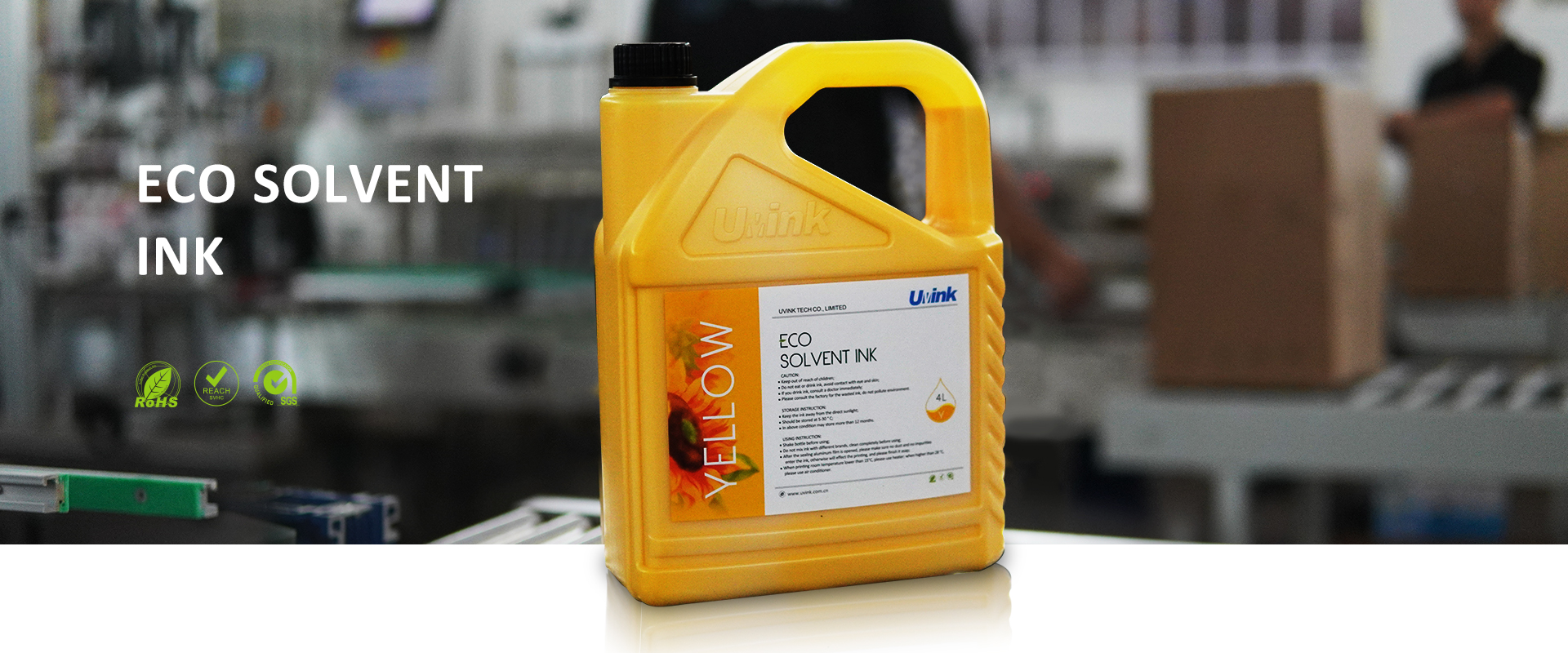
Methods for prolonging the storage life of printing ink.
author: Uvink
2023-01-02
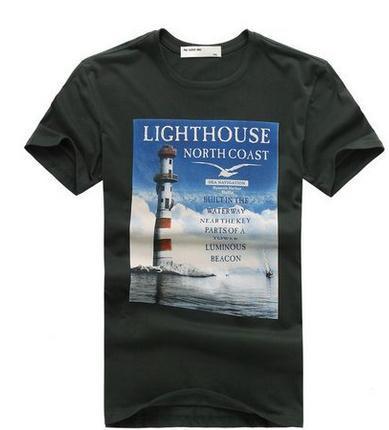
The remaining ink after printing must be sealed and stored in a dark place,
which can be reused in future production. Before reuse, it must be filtered
with a filter screen of more than 100 meshes, and mixed with new ink after
sufficient mixing. In some regions in the north, the winter weather is very cold,
so it is necessary to prevent the ink from being stored outdoors to prevent
the ink from gelling at low temperatures. If the ink gelling phenomenon occurs,
it can be transferred to the warehouse with higher temperature, or placed in
hot water to restore the insoluble.
The principle of "first in, first out" should also be followed in the storage and
management of ink, that is, the ink purchased first should be used first to prevent
the ink from being stored for too long and affecting its use. Methods for prolonging
the storage life of printing ink.The ink should be sealed to prevent dust. A large
number of dust particles or various foreign particles are likely to fall into the ink
tank or be adsorbed on the surface of the label material,thus affecting the printing
quality. Safety first, when storing ink, keep away from fire and heat sources as far as
possible to prevent accidents.
Methods for prolonging the storage life of printing ink.It is better to keep
constant temperature in the ink warehouse, and the temperature difference with
the printing workshop should not be too wide. If the temperature difference between
the two is large, the ink should be put in the printing workshop early, which is not only
conducive to the stability of the ink performance, but also to ensure the high efficiency of
production. Ink also has a certain shelf life. If it is stored for too long, various components
in the ink formula may be disassembled and precipitated. Therefore, the ink should
not be retained for a long time. Generally, the retention period should be about one year.
Otherwise, the printing quality may be affected, and even printing failures may occur.
which can be reused in future production. Before reuse, it must be filtered
with a filter screen of more than 100 meshes, and mixed with new ink after
sufficient mixing. In some regions in the north, the winter weather is very cold,
so it is necessary to prevent the ink from being stored outdoors to prevent
the ink from gelling at low temperatures. If the ink gelling phenomenon occurs,
it can be transferred to the warehouse with higher temperature, or placed in
hot water to restore the insoluble.
The principle of "first in, first out" should also be followed in the storage and
management of ink, that is, the ink purchased first should be used first to prevent
the ink from being stored for too long and affecting its use. Methods for prolonging
the storage life of printing ink.The ink should be sealed to prevent dust. A large
number of dust particles or various foreign particles are likely to fall into the ink
tank or be adsorbed on the surface of the label material,thus affecting the printing
quality. Safety first, when storing ink, keep away from fire and heat sources as far as
possible to prevent accidents.
Methods for prolonging the storage life of printing ink.It is better to keep
constant temperature in the ink warehouse, and the temperature difference with
the printing workshop should not be too wide. If the temperature difference between
the two is large, the ink should be put in the printing workshop early, which is not only
conducive to the stability of the ink performance, but also to ensure the high efficiency of
production. Ink also has a certain shelf life. If it is stored for too long, various components
in the ink formula may be disassembled and precipitated. Therefore, the ink should
not be retained for a long time. Generally, the retention period should be about one year.
Otherwise, the printing quality may be affected, and even printing failures may occur.
 Sublimation Ink Buying Guide for sublimation printer ink | UVINK
  DTF ink Selection Guide for dtg dtf printer | UVINK
  UV DTF Ink: What Is UV DTF for Digital Printing?
  Economic DTF Ink for DTF Printer Procolored – No‑Clog, Cost‑Effective Industrial Printing Solution
  Economic‑Grade DTF Ink – Complete Industrial Guide: How To Make DTF Transfers With Inkjet Printer
  Industrial‑Grade UV DTF Ink – Complete Buying Guide for UV DTF Stickers for Tumblers Production
  UVINK Eco Solvent Ink – Complete Industrial Buying Guide for Car Wrap Advertising Projects
  Fluorescent Sublimation Ink & Sublimation Printer Ink – Full Industrial UVINK Buyer Guide
  UVINK Economic DTF Ink – Complete Industrial Guide for DTF Printing Ink Users
 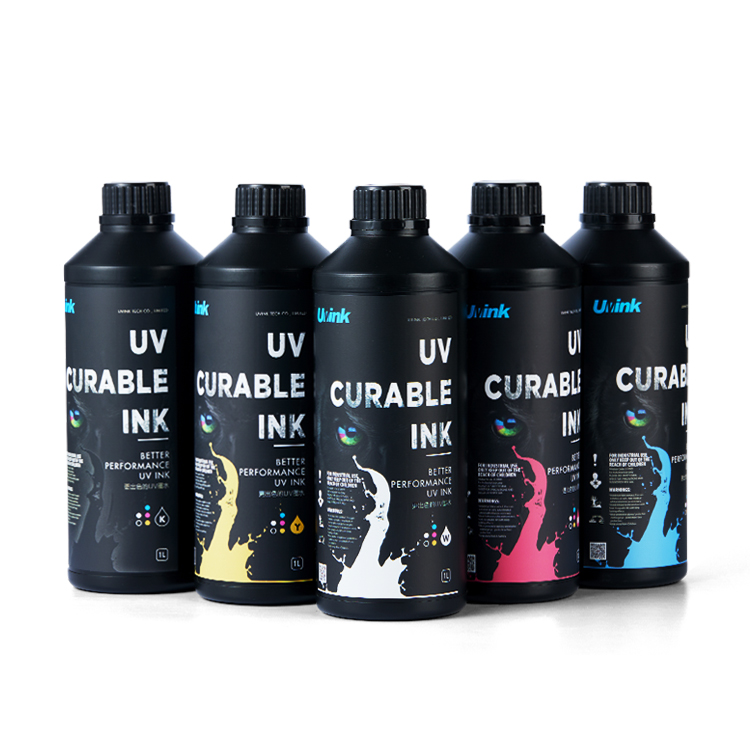 Professional‑Grade UV DTF Ink for High‑Quality UV DTF Prints – UVINK Complete Industrial Buying Guide
 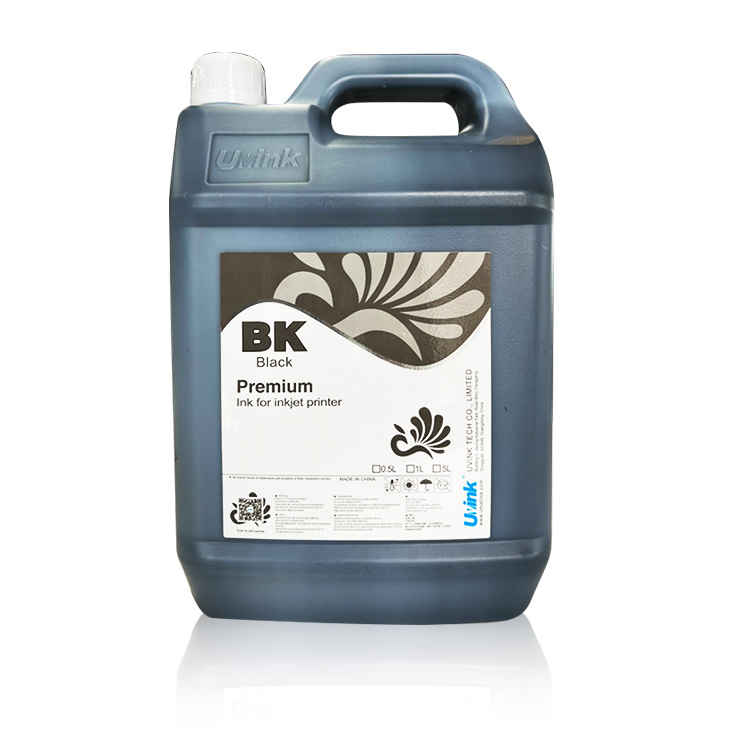 Mild Solvent Ink & Outdoor Advertising Printing – Professional Industrial Guide by UVINK
  Sublimation Ink & Epson Sublimation Ink – Full Industrial Buyer Guide by UVINK
  UVINK UV DTF Ink & What Are UV DTF Stickers – Complete Industrial Guide
 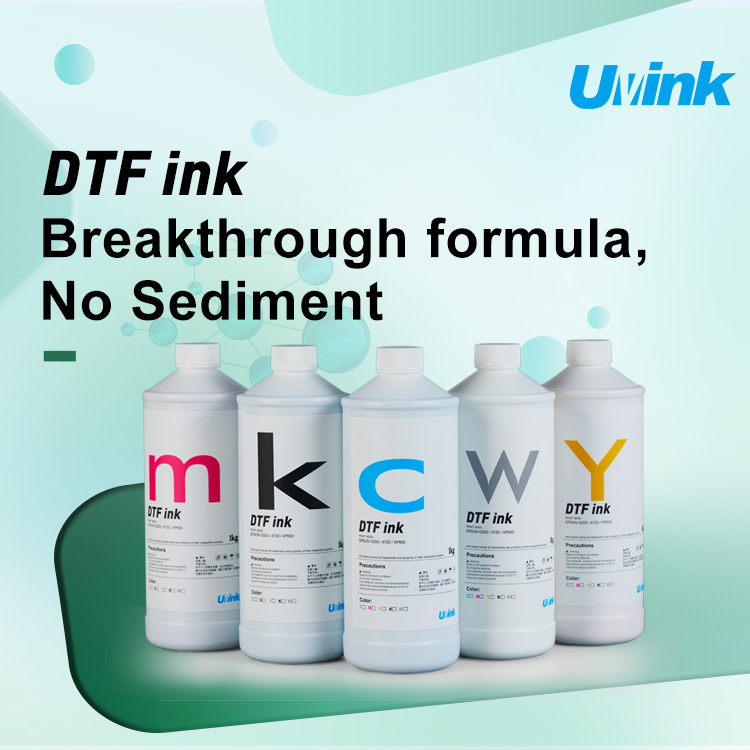 UVINK Economic DTF ink: Complete Buyer Guide for dtf for shirts Printing
  Sublimation Ink & Printer Color Ink: Industrial B2B Technical Guide
  UV DTF Ink & How to Make UV DTF Stickers: Industrial Production Guide
  Solvent Ink for Wide Format Ink Jet Printer: Industrial Technical Guide
  Sublimation Ink: Professional Technical Guide for Epson Printers
  Eco-solvent Ink: Professional Industrial Guide for Epson Pro Printers
  DTF Ink: Professional Industrial Guide for Procolored DTF Printer L1800