
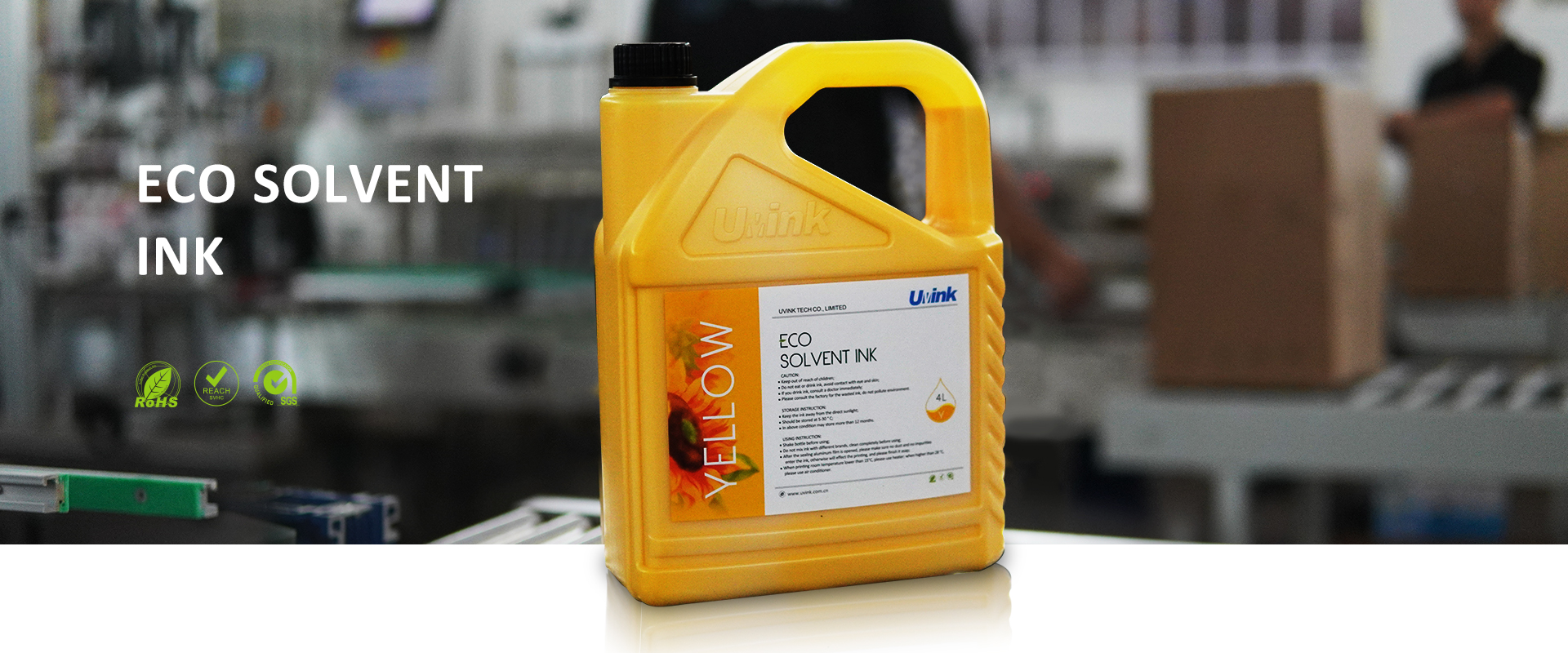
Learn about three types of printing.
author: Uvink
2022-12-08
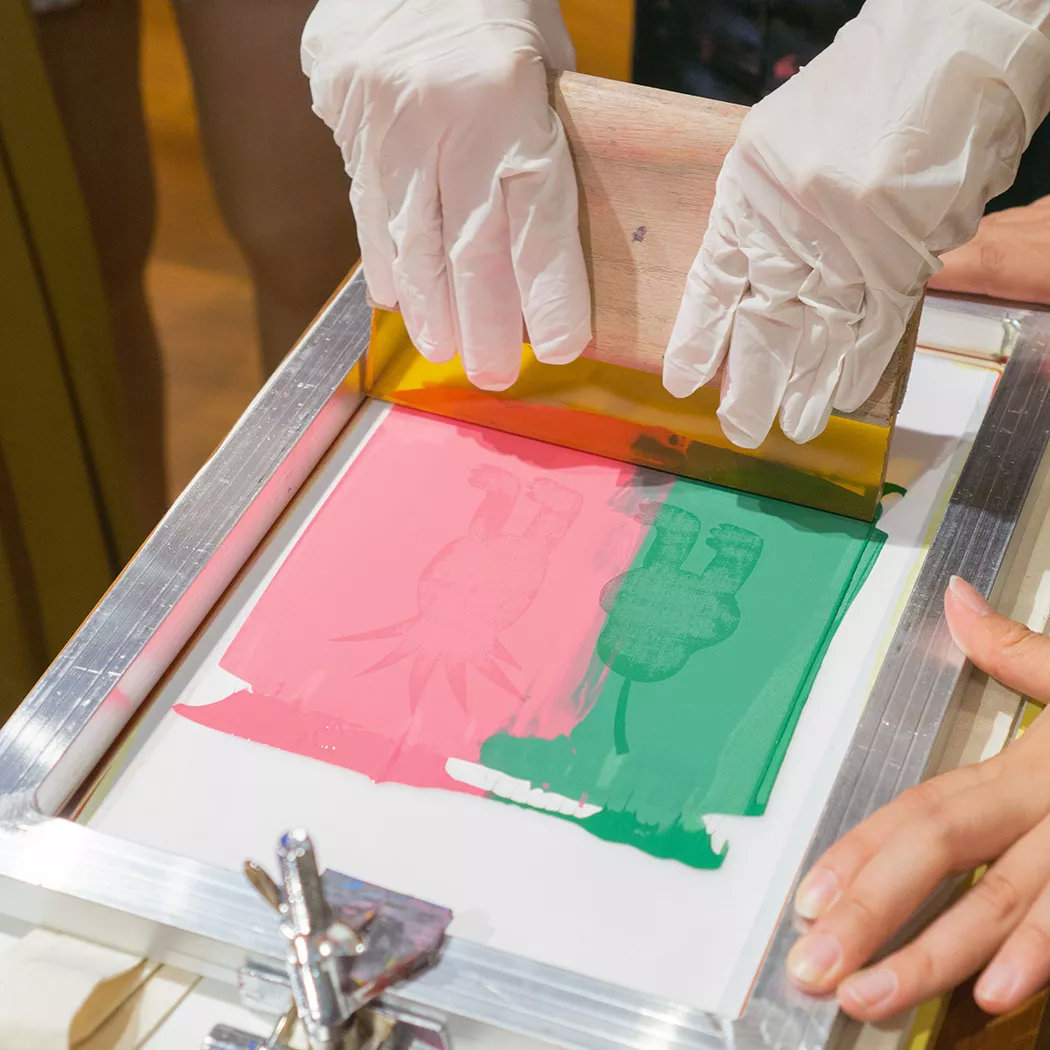
Learn about three types of printing.Heat transfer printing prints the pattern on the transfer
paper, and then transfers it. The pattern feels hard, and becomes soft after washing, but
the air permeability is also poor. When the printed matter is pulled horizontally, there will be
cracks in the pattern, which cannot be avoided due to the technology of heat transfer printing
itself. Color deviation and positioning deviation. The pictures of finished products are easy to
scrape off, and the firmness is poor. Generally, a layer of protective film needs to be sprayed.
Flexographic printing is also required for transfer printing of special media. Heat transfer printing
technology requires high experience of practitioners.
Learn about three types of printing.Screen printing uses a screen board to press the content to
be printed to adhere the ink to the product. Need to draw film and print. Only one color can be
printed at a time, and the ink needs to be dried, which is slow. Operators need many years of
experience. When printing complex patterns, they need a large number of hands and overprint for
many times, resulting in high scrap rate and deviation of nesting and color. Printing requires plate
making first, which is costly and takes a long time. Complicated process and long production cycle.

Learn about three types of printing.UV ink printing directly prints the ink on the product. At the same time,
the uv lamp is used to strengthen the sealing. With the use of a light head, the printing precision
is high, the speed is fast, the stability is good, and the adverse effect is almost zero. Suitable for most
materials, if they are flat, they can be printed. Easy to operate, all complex colors can be printed at
one time without re printing and repeated processing. Use green ultraviolet black, bright color,
waterproof, sunscreen, never fade, the effect is clear. The ability of customization also allows mass
production to meet the different needs of customers and save time and energy.
paper, and then transfers it. The pattern feels hard, and becomes soft after washing, but
the air permeability is also poor. When the printed matter is pulled horizontally, there will be
cracks in the pattern, which cannot be avoided due to the technology of heat transfer printing
itself. Color deviation and positioning deviation. The pictures of finished products are easy to
scrape off, and the firmness is poor. Generally, a layer of protective film needs to be sprayed.
Flexographic printing is also required for transfer printing of special media. Heat transfer printing
technology requires high experience of practitioners.
Learn about three types of printing.Screen printing uses a screen board to press the content to
be printed to adhere the ink to the product. Need to draw film and print. Only one color can be
printed at a time, and the ink needs to be dried, which is slow. Operators need many years of
experience. When printing complex patterns, they need a large number of hands and overprint for
many times, resulting in high scrap rate and deviation of nesting and color. Printing requires plate
making first, which is costly and takes a long time. Complicated process and long production cycle.
Learn about three types of printing.UV ink printing directly prints the ink on the product. At the same time,
the uv lamp is used to strengthen the sealing. With the use of a light head, the printing precision
is high, the speed is fast, the stability is good, and the adverse effect is almost zero. Suitable for most
materials, if they are flat, they can be printed. Easy to operate, all complex colors can be printed at
one time without re printing and repeated processing. Use green ultraviolet black, bright color,
waterproof, sunscreen, never fade, the effect is clear. The ability of customization also allows mass
production to meet the different needs of customers and save time and energy.
 Sublimation Ink Buying Guide for sublimation printer ink | UVINK
  DTF ink Selection Guide for dtg dtf printer | UVINK
  UV DTF Ink: What Is UV DTF for Digital Printing?
  Economic DTF Ink for DTF Printer Procolored – No‑Clog, Cost‑Effective Industrial Printing Solution
  Economic‑Grade DTF Ink – Complete Industrial Guide: How To Make DTF Transfers With Inkjet Printer
  Industrial‑Grade UV DTF Ink – Complete Buying Guide for UV DTF Stickers for Tumblers Production
  UVINK Eco Solvent Ink – Complete Industrial Buying Guide for Car Wrap Advertising Projects
  Fluorescent Sublimation Ink & Sublimation Printer Ink – Full Industrial UVINK Buyer Guide
  UVINK Economic DTF Ink – Complete Industrial Guide for DTF Printing Ink Users
 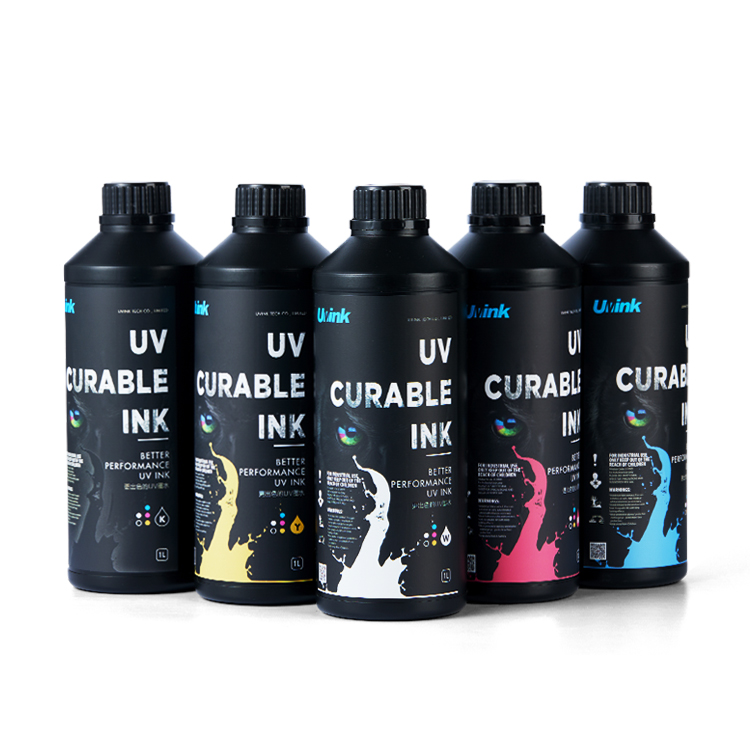 Professional‑Grade UV DTF Ink for High‑Quality UV DTF Prints – UVINK Complete Industrial Buying Guide
 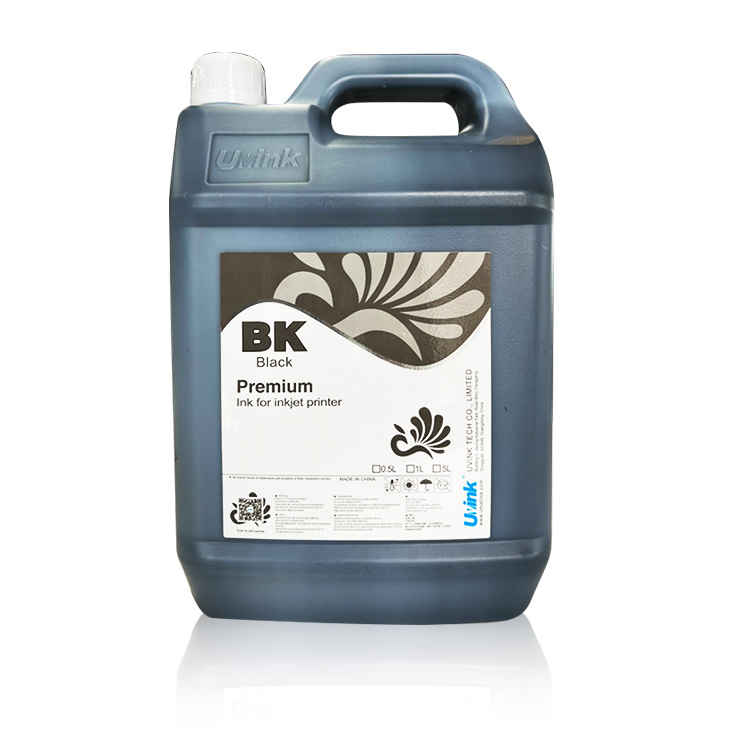 Mild Solvent Ink & Outdoor Advertising Printing – Professional Industrial Guide by UVINK
  Sublimation Ink & Epson Sublimation Ink – Full Industrial Buyer Guide by UVINK
  UVINK UV DTF Ink & What Are UV DTF Stickers – Complete Industrial Guide
 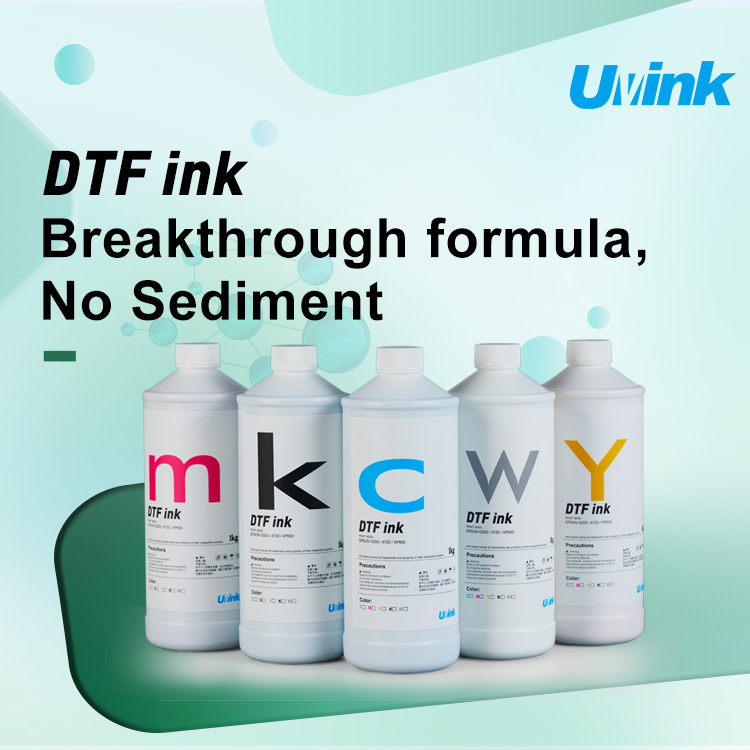 UVINK Economic DTF ink: Complete Buyer Guide for dtf for shirts Printing
  Sublimation Ink & Printer Color Ink: Industrial B2B Technical Guide
  UV DTF Ink & How to Make UV DTF Stickers: Industrial Production Guide
  Solvent Ink for Wide Format Ink Jet Printer: Industrial Technical Guide
  Sublimation Ink: Professional Technical Guide for Epson Printers
  Eco-solvent Ink: Professional Industrial Guide for Epson Pro Printers
  DTF Ink: Professional Industrial Guide for Procolored DTF Printer L1800