
Fluidity of UV ink
author: Uvink
2022-12-21

The fluidity of UV ink includes viscosity, adhesion, viscoelasticity, as
well as yield value and thixotropy. It mainly depends on the nature of the pigment and linking
material, and its manufacturing process, of which the content of the linking material directly
affects the fluidity of the ink. In the printing machine is mainly manifested in the following
3 aspects of the flow phenomenon.
Pouring from the container into the ink hopper, easy under the ink called good fluidity; conversely,
it is poor.When the output from the ink hopper, easy to get down the ink is called good fluidity;
vice versa, it is poor.In the ink leveling, ink transfer and inking, easy to spread, transfer, transfer
is called good fluidity; vice versa.
In the printing process, the correct control of ink fluidity has important process significance.
Moderate fluidity can ensure that the normal flow of ink on the printing press, but also to make
the print uniform, flat service. If the fluidity is too large, the ink will slip on the ink rollers, resulting
in the expansion of the geometry of the print, damage the picture level, increase the amount of
ink penetration on the paper; if the fluidity is too small, the ink supply malfunction, so that the
ink transmission is not uniform, can not guarantee the uniformity of the ink color of the print,
and even caused by the lack of ink in the layout of the plate.
Ink from the ink hopper when the flow of the output phenomenon is called the ink under the ink.
Fluidity of UV ink
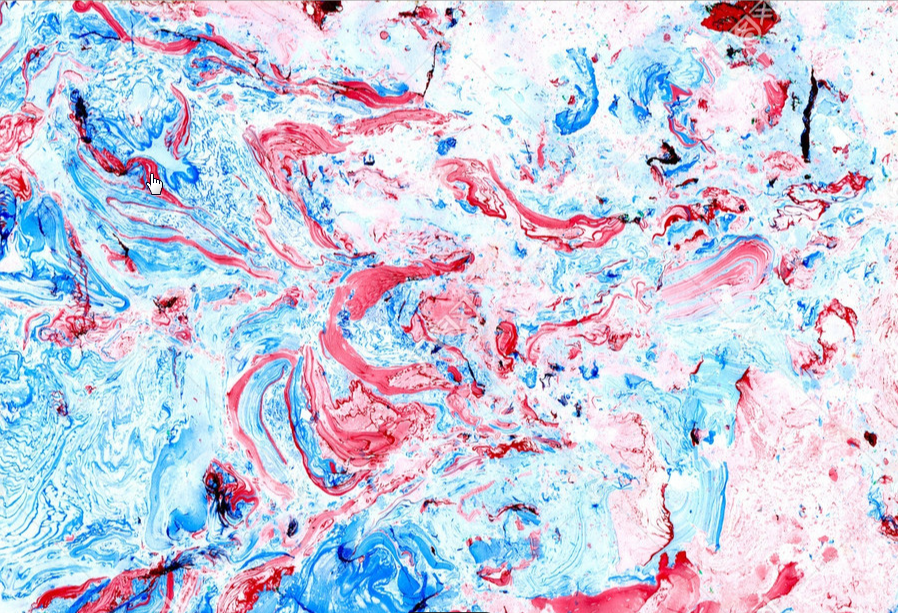
Ink by the ink hopper roller output, only by the external force of the ink
hopper roller, the flow conditions are mainly for the ink's own gravity and surface tension, and
the ink under the ink in addition to depending on its own fluidity, but also depending on its own
leveling, viscosity, yield value, thixotropy, drawing properties such as rheology.
In the printing process, the ink under the ink sex directly affects the amount of ink supply per unit
of time, and its transfer, transfer process of ink layer thickness. Therefore, in the actual printing to
adjust the amount of ink under the ink, in addition to adjusting the speed (or angle) of the ink
bucket roller, or local adjustment of the gap between the ink bucket blade, should pay more attention
to the automatic or manual mixing of ink, and timely change the yield value and thixotropy of the
ink to ensure that it has a constant amount of ink in each instant, otherwise the ink can not be properly
transferred to the ink bucket roller, the formation of stagnant ink phenomenon, resulting in poor ink
supply or ink supply interruption failure .
UV ink by the ink roller output, the flow phenomenon presented is called the ink transferability.
In the printing process, the thickness of the ink layer on the surface of the printing plate and its uniformity,
is through a series of ink rollers to pass, evenly distributed and achieved, so the ink transferability, directly
related to the amount of ink distribution and distribution, and its smooth transfer in the whole process.
Generally speaking, the ink from the ink hopper down to the printing plate on the ink process, mainly
depends on the ink itself viscosity, drawing and thixotropy. Usually, the drawing sex and viscosity is
appropriate, the ink presents a better transferability, ink distribution is also better; drawing sex and
viscosity is too large, the transferability becomes bad, ink distribution is also worse; ink filament is
too long, it is easy to cause the phenomenon of flying ink.
well as yield value and thixotropy. It mainly depends on the nature of the pigment and linking
material, and its manufacturing process, of which the content of the linking material directly
affects the fluidity of the ink. In the printing machine is mainly manifested in the following
3 aspects of the flow phenomenon.
Pouring from the container into the ink hopper, easy under the ink called good fluidity; conversely,
it is poor.When the output from the ink hopper, easy to get down the ink is called good fluidity;
vice versa, it is poor.In the ink leveling, ink transfer and inking, easy to spread, transfer, transfer
is called good fluidity; vice versa.
In the printing process, the correct control of ink fluidity has important process significance.
Moderate fluidity can ensure that the normal flow of ink on the printing press, but also to make
the print uniform, flat service. If the fluidity is too large, the ink will slip on the ink rollers, resulting
in the expansion of the geometry of the print, damage the picture level, increase the amount of
ink penetration on the paper; if the fluidity is too small, the ink supply malfunction, so that the
ink transmission is not uniform, can not guarantee the uniformity of the ink color of the print,
and even caused by the lack of ink in the layout of the plate.
Ink from the ink hopper when the flow of the output phenomenon is called the ink under the ink.
Fluidity of UV ink
Ink by the ink hopper roller output, only by the external force of the ink
hopper roller, the flow conditions are mainly for the ink's own gravity and surface tension, and
the ink under the ink in addition to depending on its own fluidity, but also depending on its own
leveling, viscosity, yield value, thixotropy, drawing properties such as rheology.
In the printing process, the ink under the ink sex directly affects the amount of ink supply per unit
of time, and its transfer, transfer process of ink layer thickness. Therefore, in the actual printing to
adjust the amount of ink under the ink, in addition to adjusting the speed (or angle) of the ink
bucket roller, or local adjustment of the gap between the ink bucket blade, should pay more attention
to the automatic or manual mixing of ink, and timely change the yield value and thixotropy of the
ink to ensure that it has a constant amount of ink in each instant, otherwise the ink can not be properly
transferred to the ink bucket roller, the formation of stagnant ink phenomenon, resulting in poor ink
supply or ink supply interruption failure .
UV ink by the ink roller output, the flow phenomenon presented is called the ink transferability.
In the printing process, the thickness of the ink layer on the surface of the printing plate and its uniformity,
is through a series of ink rollers to pass, evenly distributed and achieved, so the ink transferability, directly
related to the amount of ink distribution and distribution, and its smooth transfer in the whole process.
Generally speaking, the ink from the ink hopper down to the printing plate on the ink process, mainly
depends on the ink itself viscosity, drawing and thixotropy. Usually, the drawing sex and viscosity is
appropriate, the ink presents a better transferability, ink distribution is also better; drawing sex and
viscosity is too large, the transferability becomes bad, ink distribution is also worse; ink filament is
too long, it is easy to cause the phenomenon of flying ink.
 Sublimation Ink Buying Guide for sublimation printer ink | UVINK
  DTF ink Selection Guide for dtg dtf printer | UVINK
  UV DTF Ink: What Is UV DTF for Digital Printing?
  Economic DTF Ink for DTF Printer Procolored – No‑Clog, Cost‑Effective Industrial Printing Solution
  Economic‑Grade DTF Ink – Complete Industrial Guide: How To Make DTF Transfers With Inkjet Printer
  Industrial‑Grade UV DTF Ink – Complete Buying Guide for UV DTF Stickers for Tumblers Production
  UVINK Eco Solvent Ink – Complete Industrial Buying Guide for Car Wrap Advertising Projects
  Fluorescent Sublimation Ink & Sublimation Printer Ink – Full Industrial UVINK Buyer Guide
  UVINK Economic DTF Ink – Complete Industrial Guide for DTF Printing Ink Users
 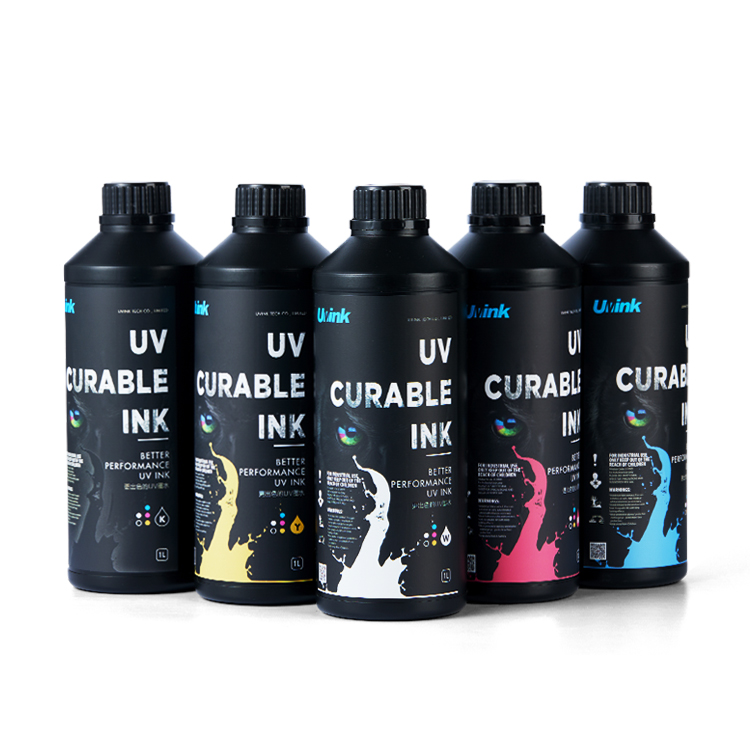 Professional‑Grade UV DTF Ink for High‑Quality UV DTF Prints – UVINK Complete Industrial Buying Guide
 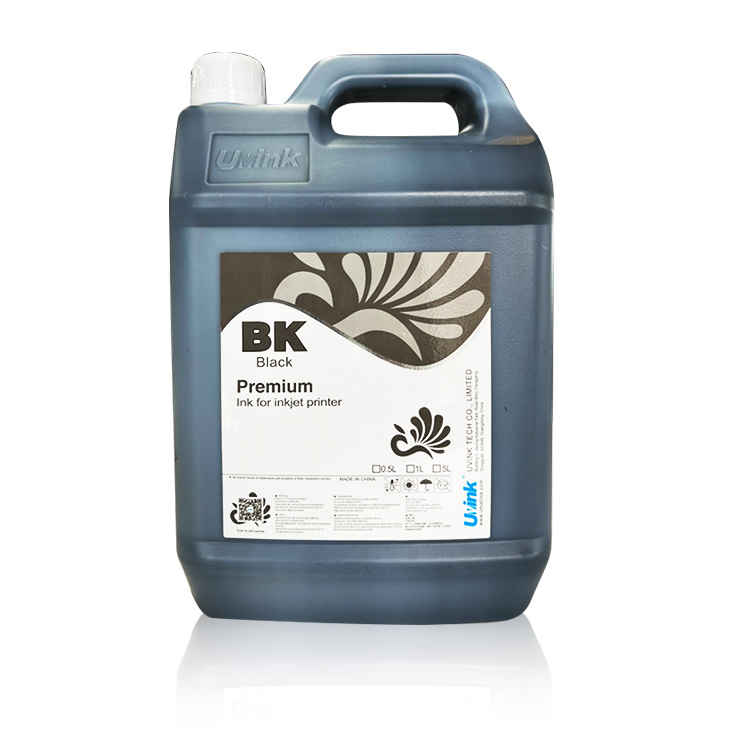 Mild Solvent Ink & Outdoor Advertising Printing – Professional Industrial Guide by UVINK
  Sublimation Ink & Epson Sublimation Ink – Full Industrial Buyer Guide by UVINK
  UVINK UV DTF Ink & What Are UV DTF Stickers – Complete Industrial Guide
 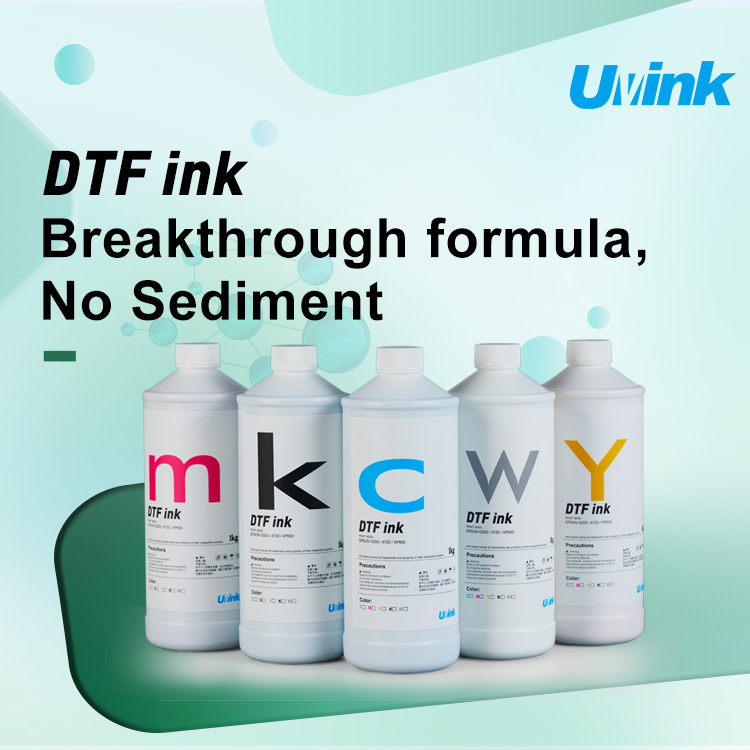 UVINK Economic DTF ink: Complete Buyer Guide for dtf for shirts Printing
  Sublimation Ink & Printer Color Ink: Industrial B2B Technical Guide
  UV DTF Ink & How to Make UV DTF Stickers: Industrial Production Guide
  Solvent Ink for Wide Format Ink Jet Printer: Industrial Technical Guide
  Sublimation Ink: Professional Technical Guide for Epson Printers
  Eco-solvent Ink: Professional Industrial Guide for Epson Pro Printers
  DTF Ink: Professional Industrial Guide for Procolored DTF Printer L1800