
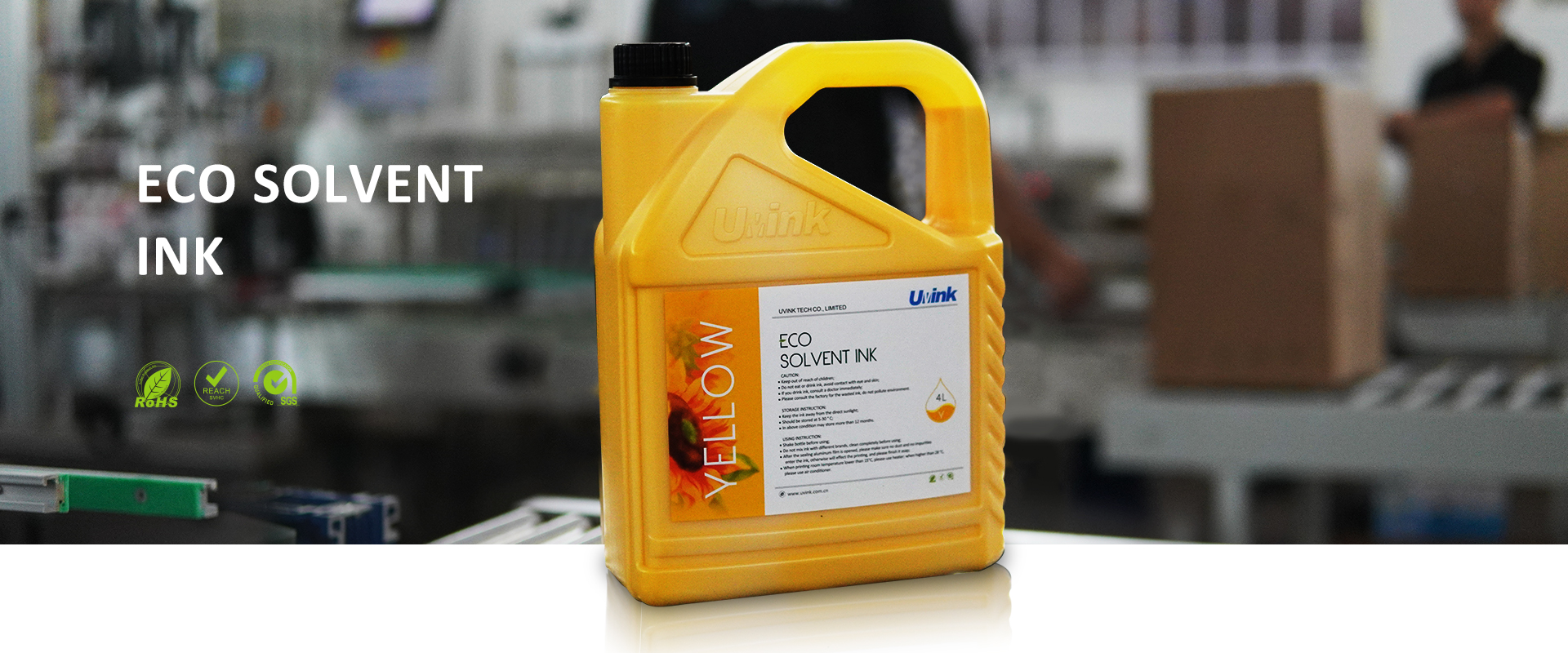
UV ink problems that must be understood in printing.
author: Uvink
2022-12-29
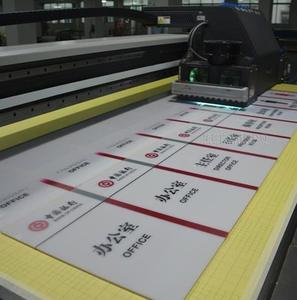
How the characteristics of the ink determine the amount of fountain
solution and the fluidity of the ink can affect the amount of fountain
solution used in printing. In the printing process, one of the reasons
for using fountain solution is to make it easier for clean water to form
a water film on the non image parts, making it difficult for the ink to
spread to these parts. If the fluidity of the ink is small, it will spread
slowly on the printing plate, and the ink will stay in the non image part for a
short time. In this case, we can use less fountain solution; On the contrary,
if the fluidity of the ink is large, we should appropriately increase the amount of
fountain solution to prevent the ink from sticking in the non image part.
What will happen to the emulsion of ink?UV ink problems that must be
understood in printing.If the ink is emulsified, it will produce the following changes:
since the water molecules after emulsification all run into the ink, occupying
the space between its original molecules, the volume of the ink will increase;
Similarly, because water molecules occupy the space of the ink, the proportion of
the area occupied by pigment particles on the ink surface is reduced. Because
the pigment reflects the colored light in the air, so we can see the color of the ink,
so the less pigment particles, the less light the ink can reflect, which destroys
the hue, brightness and saturation of the ink; When water seeps into the ink,
its viscosity will also decrease.
What's wrong with printing with emulsified ink?UV ink problems that must be
understood in printing.In fact, once the ink is emulsified, its hue, brightness and
saturation will be damaged due to the penetration of water molecules. Therefore,
printing with these inks will inevitably lead to the problem of color shift. As
the saturation of the ink decreases, the amount of ink has to be increased during
printing, which will bring another problem of increasing the field density value.
solution and the fluidity of the ink can affect the amount of fountain
solution used in printing. In the printing process, one of the reasons
for using fountain solution is to make it easier for clean water to form
a water film on the non image parts, making it difficult for the ink to
spread to these parts. If the fluidity of the ink is small, it will spread
slowly on the printing plate, and the ink will stay in the non image part for a
short time. In this case, we can use less fountain solution; On the contrary,
if the fluidity of the ink is large, we should appropriately increase the amount of
fountain solution to prevent the ink from sticking in the non image part.
What will happen to the emulsion of ink?UV ink problems that must be
understood in printing.If the ink is emulsified, it will produce the following changes:
since the water molecules after emulsification all run into the ink, occupying
the space between its original molecules, the volume of the ink will increase;
Similarly, because water molecules occupy the space of the ink, the proportion of
the area occupied by pigment particles on the ink surface is reduced. Because
the pigment reflects the colored light in the air, so we can see the color of the ink,
so the less pigment particles, the less light the ink can reflect, which destroys
the hue, brightness and saturation of the ink; When water seeps into the ink,
its viscosity will also decrease.
What's wrong with printing with emulsified ink?UV ink problems that must be
understood in printing.In fact, once the ink is emulsified, its hue, brightness and
saturation will be damaged due to the penetration of water molecules. Therefore,
printing with these inks will inevitably lead to the problem of color shift. As
the saturation of the ink decreases, the amount of ink has to be increased during
printing, which will bring another problem of increasing the field density value.
 Sublimation Ink Buying Guide for sublimation printer ink | UVINK
  DTF ink Selection Guide for dtg dtf printer | UVINK
  UV DTF Ink: What Is UV DTF for Digital Printing?
  Economic DTF Ink for DTF Printer Procolored – No‑Clog, Cost‑Effective Industrial Printing Solution
  Economic‑Grade DTF Ink – Complete Industrial Guide: How To Make DTF Transfers With Inkjet Printer
  Industrial‑Grade UV DTF Ink – Complete Buying Guide for UV DTF Stickers for Tumblers Production
 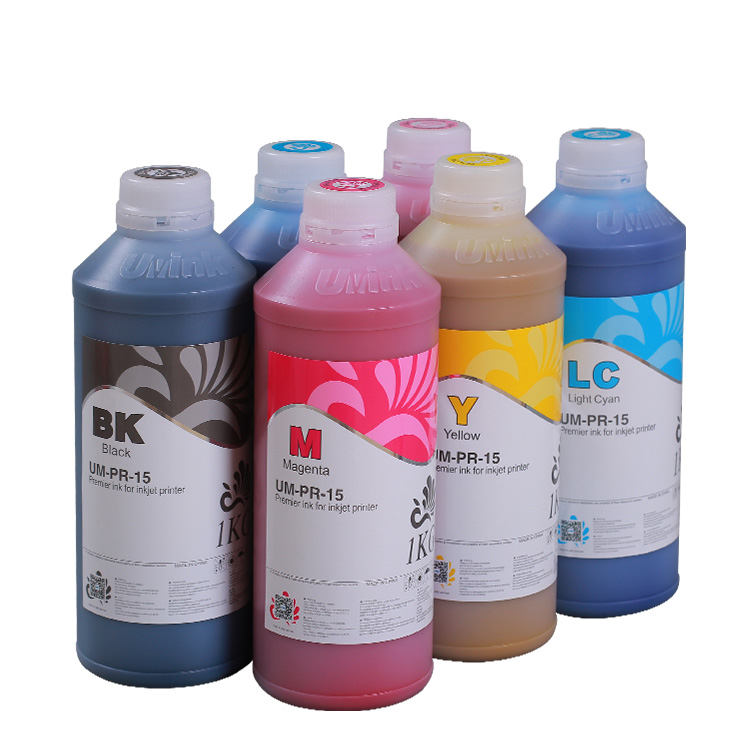 UVINK Eco Solvent Ink – Complete Industrial Buying Guide for Car Wrap Advertising Projects
 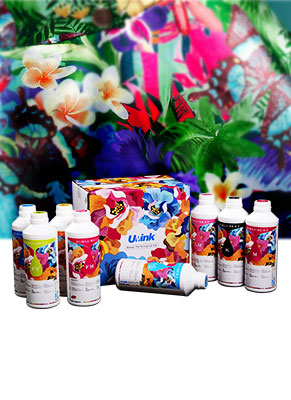 Fluorescent Sublimation Ink & Sublimation Printer Ink – Full Industrial UVINK Buyer Guide
  UVINK Economic DTF Ink – Complete Industrial Guide for DTF Printing Ink Users
 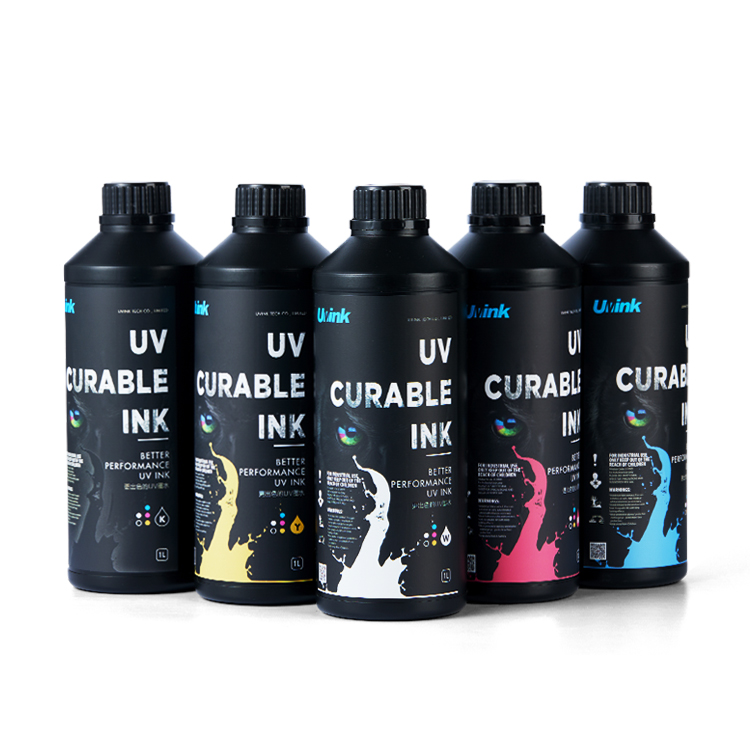 Professional‑Grade UV DTF Ink for High‑Quality UV DTF Prints – UVINK Complete Industrial Buying Guide
 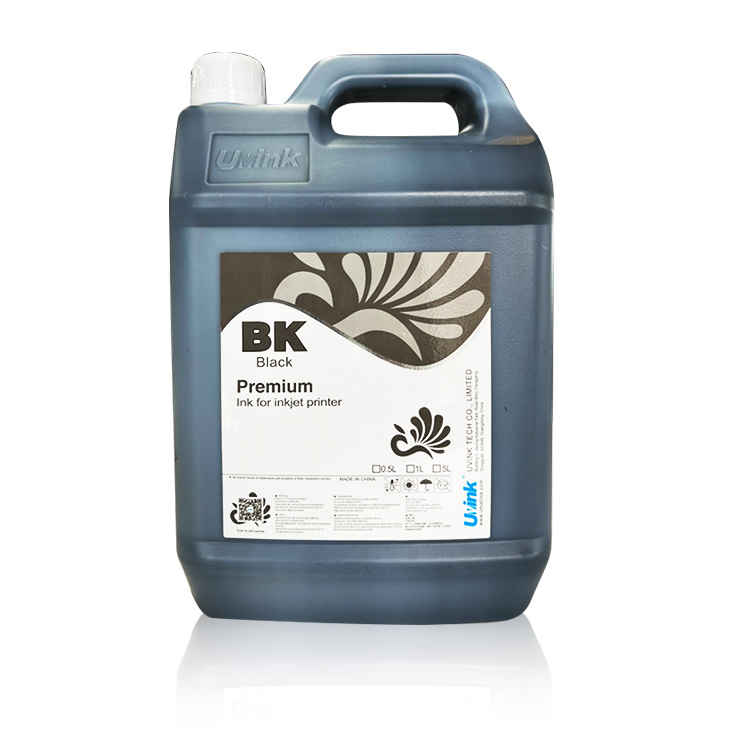 Mild Solvent Ink & Outdoor Advertising Printing – Professional Industrial Guide by UVINK
  Sublimation Ink & Epson Sublimation Ink – Full Industrial Buyer Guide by UVINK
  UVINK UV DTF Ink & What Are UV DTF Stickers – Complete Industrial Guide
 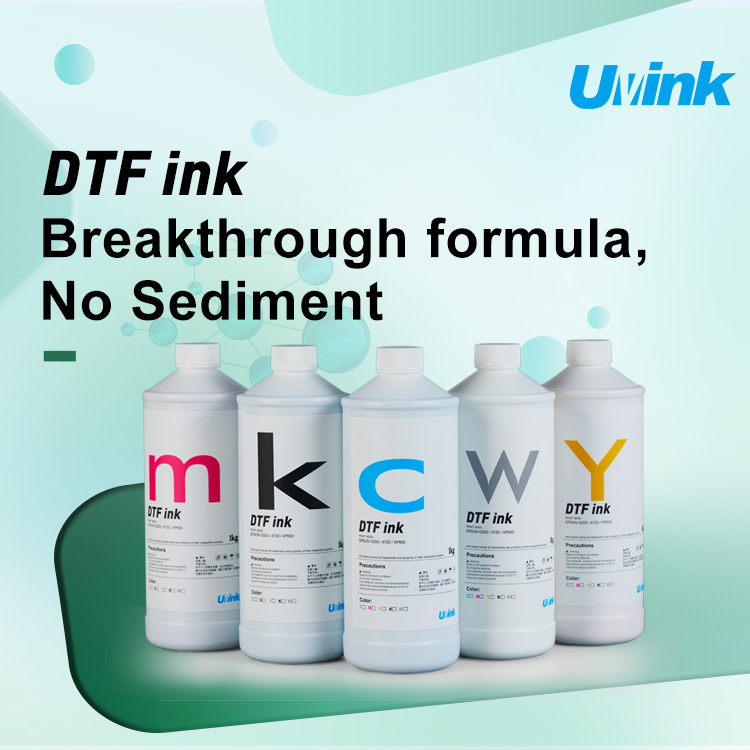 UVINK Economic DTF ink: Complete Buyer Guide for dtf for shirts Printing
  Sublimation Ink & Printer Color Ink: Industrial B2B Technical Guide
  UV DTF Ink & How to Make UV DTF Stickers: Industrial Production Guide
  Solvent Ink for Wide Format Ink Jet Printer: Industrial Technical Guide
  Sublimation Ink: Professional Technical Guide for Epson Printers
  Eco-solvent Ink: Professional Industrial Guide for Epson Pro Printers
  DTF Ink: Professional Industrial Guide for Procolored DTF Printer L1800