
How to classify ink?
1. Fluorescent ink: fluorescent ink is made of fluorescent materials dissolved in
corresponding resins. The particles of fluorescent pigment are generally thicker,
and there are many kinds of binder. Different binder will produce different
fluorescence. When using fluorescent ink, it should be ensured that it has
sufficient concentration, and the ink layer on the print is thicker, so as to ensure
the satisfactory fluorescence effect. After screen printing, the fluorescent ink
has bright colors and good decoration effect. Under the action of visible light
and ultraviolet light, it can emit sparkling fluorescence.
2. Composite ink: after mixing two or more anti-counterfeiting inks in a certain
proportion, a composite ink with new performance can be developed.
If the ink formula is not fully mastered, it will be difficult to copy.
3. Light-storage and phosphorescent ink: Light-storage pigment is prepared
from some zinc sulfide, copper phosphor, calcium sulfide, bismuth phosphor
and other inorganic phosphors with phosphorescent effect. Inorganic fluorescents
emit light by crystals. If pressure is applied, the crystals will break and the luminosity
will be reduced. Therefore, screen printing is generally appropriate. The carrier of ink
and fluorescents are mixed when used. Phosphorescent ink is characterized by
absorbing light and emitting it with a certain wavelength in a certain time.
The pigment of this ink is zinc sulfide containing a small amount of impurities,
which is afraid of acid and alkali. Therefore, neutral resins such as cyclohexanone resin,
cellulose ester and ether are required. In addition, heavy metals, desiccants and dry oils
should not be added to the ink to avoid damaging the pigment substances.
The connecting material used shall be transparent and can pass through ultraviolet rays.
This kind of ink is mainly used for printing advertisements and signs. However,
if phosphorescent ink and fluorescent ink are mixed for anti-counterfeiting packaging
printing, it can achieve good packaging and anti-counterfeiting effects.

4. Special printing inks: printing inks are mainly composed of pigments, fillers, binders, etc.
The selection of pigment components is an important link to determine the color and
brightness of the printed products. Many manufacturers and ink factories have
customized special printing inks for each product, and the formula is
kept secret by the ink factory.
5. Photochromic ink: The photoinitiator in uv ink is a compound that is easy to be excited
by light. After absorbing light, it is excited to form free radicals, and the energy is transferred
to photosensitive molecules or photocrosslinking agents, which causes uv ink to undergo
photocuring reaction. UV ink has become a relatively mature ink technology, and its pollutant
emission is almost zero. In addition to solvent-free, uv ink has the advantages of not easy
to paste, clear dot, bright color, excellent chemical resistance and low consumption.
 Sublimation Ink Buying Guide for sublimation printer ink | UVINK
  DTF ink Selection Guide for dtg dtf printer | UVINK
  UV DTF Ink: What Is UV DTF for Digital Printing?
  Economic DTF Ink for DTF Printer Procolored – No‑Clog, Cost‑Effective Industrial Printing Solution
  Economic‑Grade DTF Ink – Complete Industrial Guide: How To Make DTF Transfers With Inkjet Printer
  Industrial‑Grade UV DTF Ink – Complete Buying Guide for UV DTF Stickers for Tumblers Production
 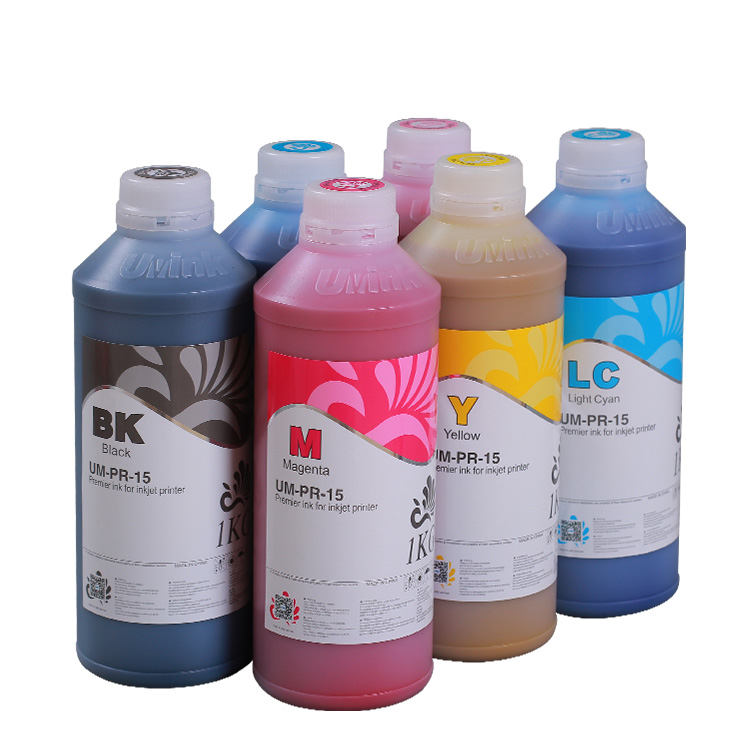 UVINK Eco Solvent Ink – Complete Industrial Buying Guide for Car Wrap Advertising Projects
 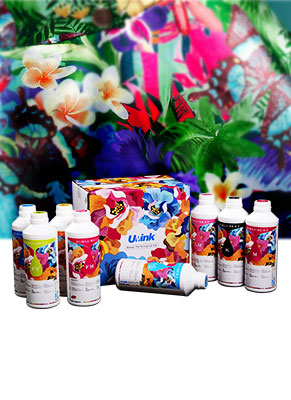 Fluorescent Sublimation Ink & Sublimation Printer Ink – Full Industrial UVINK Buyer Guide
  UVINK Economic DTF Ink – Complete Industrial Guide for DTF Printing Ink Users
 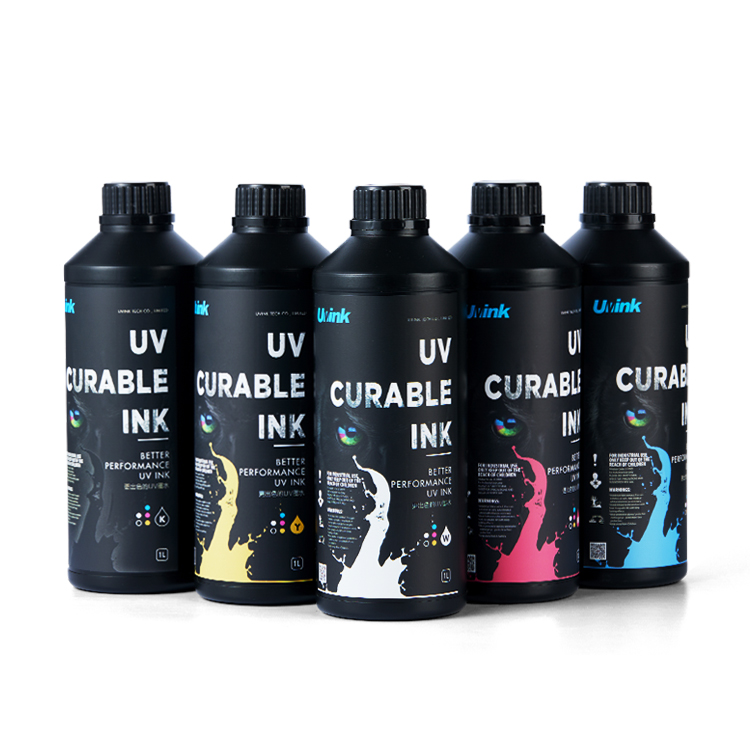 Professional‑Grade UV DTF Ink for High‑Quality UV DTF Prints – UVINK Complete Industrial Buying Guide
 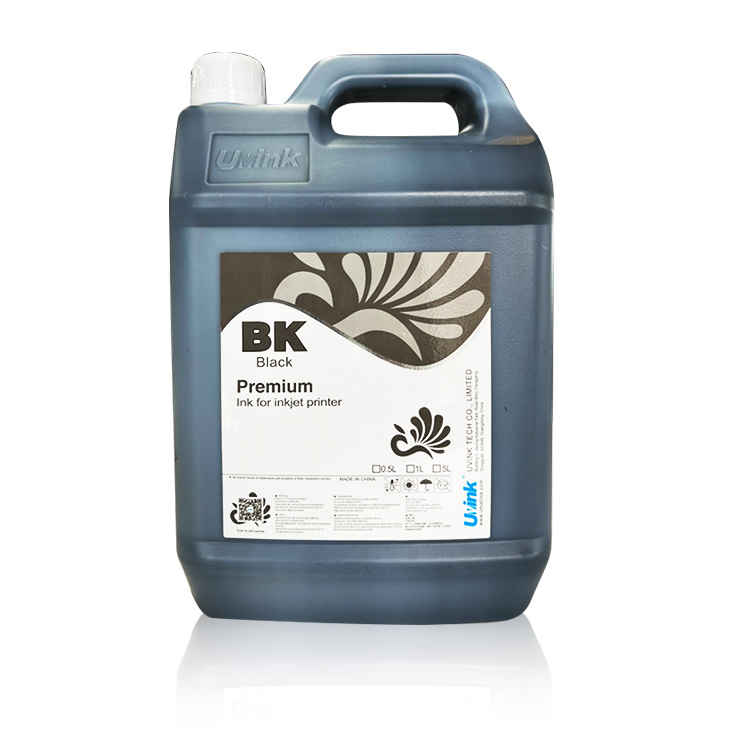 Mild Solvent Ink & Outdoor Advertising Printing – Professional Industrial Guide by UVINK
  Sublimation Ink & Epson Sublimation Ink – Full Industrial Buyer Guide by UVINK
  UVINK UV DTF Ink & What Are UV DTF Stickers – Complete Industrial Guide
 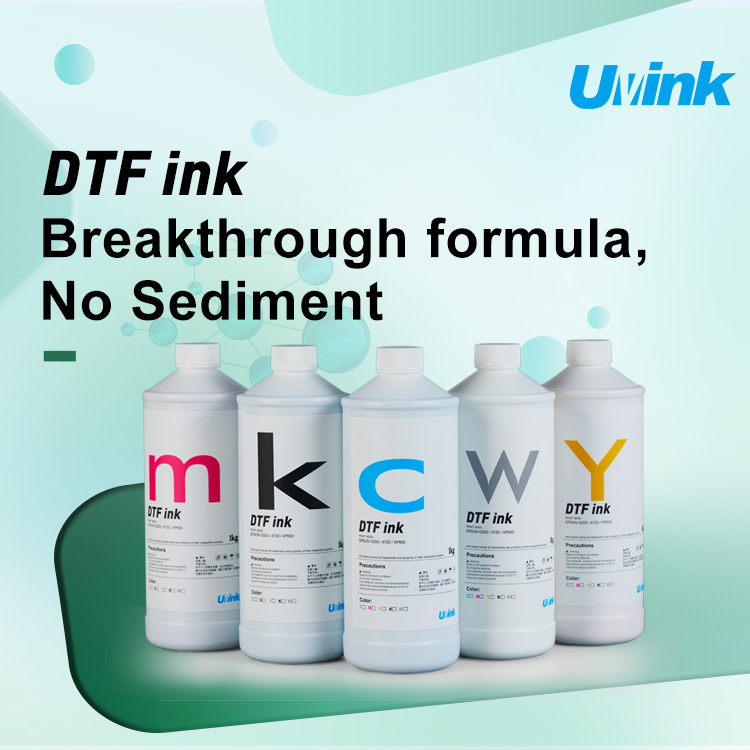 UVINK Economic DTF ink: Complete Buyer Guide for dtf for shirts Printing
  Sublimation Ink & Printer Color Ink: Industrial B2B Technical Guide
  UV DTF Ink & How to Make UV DTF Stickers: Industrial Production Guide
  Solvent Ink for Wide Format Ink Jet Printer: Industrial Technical Guide
  Sublimation Ink: Professional Technical Guide for Epson Printers
  Eco-solvent Ink: Professional Industrial Guide for Epson Pro Printers
  DTF Ink: Professional Industrial Guide for Procolored DTF Printer L1800