
DTF Ink & How to Use DTF Powder: Step-by-Step for Perfect Transfers
Textile printing engineers and bulk buyers face core pain points: weak adhesion, peeling edges, uneven powder coating, ink-powder incompatibility, and wasted materials when learning how to use DTF powder with DTF ink. This authoritative guide simplifies DTF powder usage, defines key terms, and provides verified specs to ensure durable, vibrant, and cost-effective DTF transfers for industrial production.
Table of Contents
- What Is DTF Ink & DTF Powder? Definitions & Roles
- Classifications & Global Industry Standards
- Technical Parameters & Verified Compatibility Data
- Industrial Application Scenarios for DTF Ink & Powder
- How to Use DTF Powder: Step-by-Step Guide
- Professional Step-by-Step Selection Guide
- Frequently Asked Questions (FAQ)
- Conclusion & Contact UVINK
What Is DTF Ink & DTF Powder? Definitions & Roles
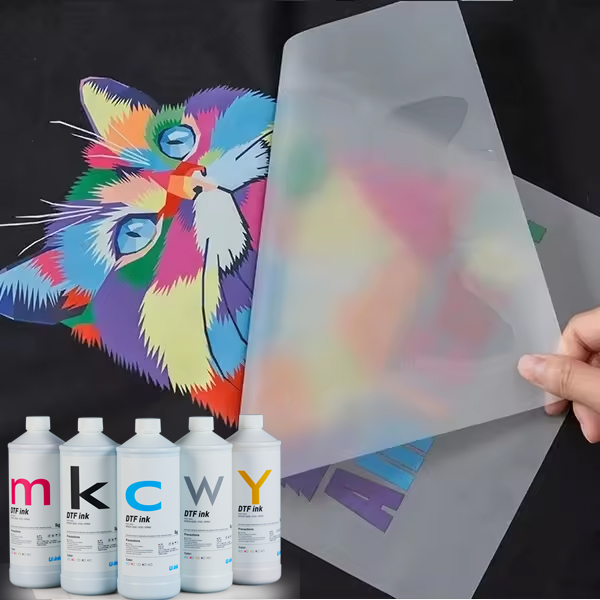
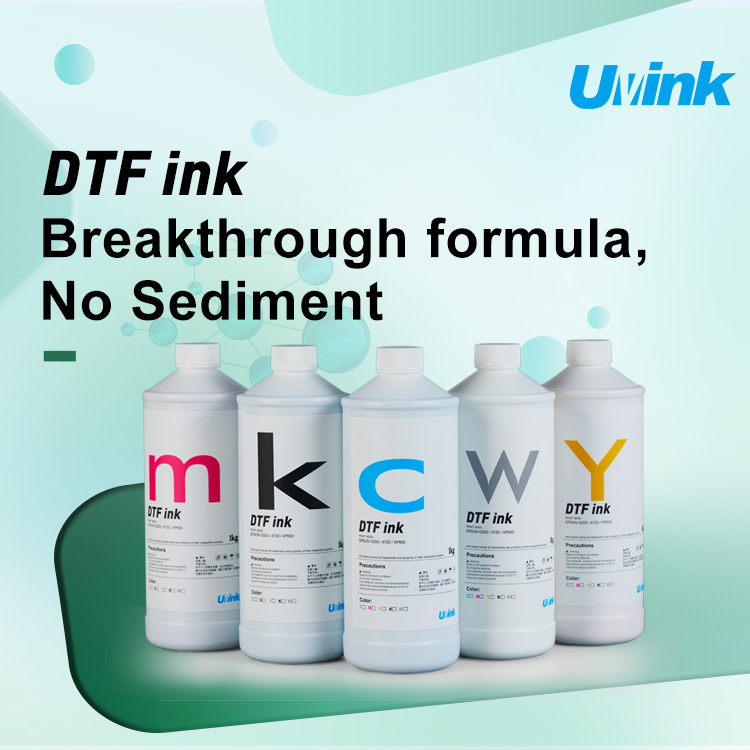
DTF ink (Direct-to-Film ink) is a water-based pigment ink formulated for printing on PET transfer film. It delivers vibrant colors, sharp details, and long-term durability, compatible with Epson piezo printheads (I3200/4720/DX5/XP600).
DTF powder (hot-melt adhesive powder) is a thermoplastic polymer (TPU/PES/PA) that bonds DTF ink to fabrics during heat pressing. It melts at 140–160°C, forms a flexible layer, and anchors ink to fibers—critical for wash resistance and soft hand feel.
For how to use DTF powder: apply it to wet DTF ink on PET film, cure, then heat press onto textiles. The powder sticks only to inked areas, ensuring clean transfers.
Classifications & Global Industry Standards
1. DTF Ink Classifications
- By color: CMYK (light fabrics); CMYK+White (dark fabrics); Fluorescent (high-visibility)
- By formulation: Standard (general use); Premium (high-opacity, anti-clog)
2. DTF Powder Classifications
- By polymer: TPU (elastic, stretch fabrics); PES (rigid, polyester); PA (wear-resistant, nylon)
- By particle size: Fine (80–100μm, details); Medium (100–170μm, general); Coarse (170–250μm, heavy fabrics)
- By color: White (standard); Black (dark fabrics, blockout)
3. Global Industry Standards
- REACH (EU): Hazardous substance compliance
- ISO 105-C06: Wash fastness (≥4–5 grade)
- ISO 105-X12: Rub fastness (≥4 grade)
Technical Parameters & Verified Compatibility Data
| Parameter | UVINK Premium DTF Ink | UVINK TPU DTF Powder (Medium) |
|---|---|---|
| Type | Water-based pigment, anti-clog | TPU hot-melt adhesive, 100–170μm |
| Color Gamut | 95%+ (vibrant) | White/Black (neutral) |
| Melting Point | N/A | 145–155°C (293–311°F) |
| Wash Fastness | ≥4–5 grade (50+ washes) | ≥4–5 grade (50+ washes) |
| Particle Size | ≤80nm (anti-clog) | 100–170μm (medium) |
| Compatible Fabrics | Cotton, polyester, blends, leather | Cotton, polyester, blends, stretch fabrics |
| Shelf Life | 12 months (5–30°C, sealed, dark storage) | 12 months (dry, sealed) |
Data Source: UVINK R&D Test Report 2026; REACH, ISO Standards
Industrial Application Scenarios for DTF Ink & Powder
DTF ink and DTF powder dominate custom textile production for small-to-large batches (zero MOQ). Key applications:
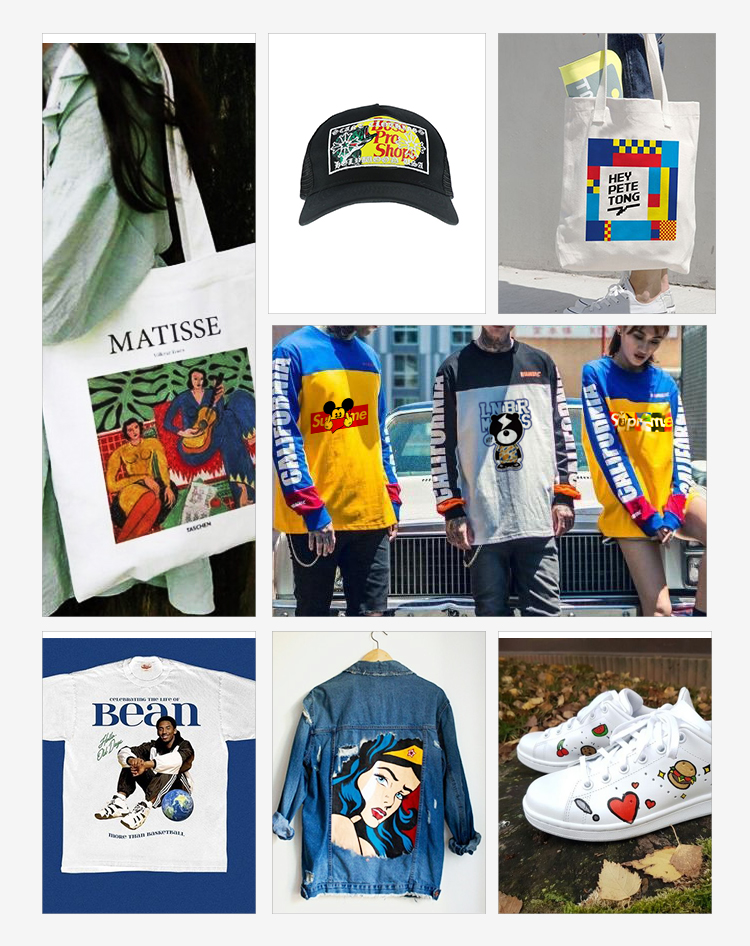
- Apparel: T-shirts, hoodies, polo shirts, activewear (stretch fabrics)
- Branded Merch: Corporate logos, event tees, sports uniforms
- Accessories: Tote bags, aprons, hats, socks, leather wallets
- Home Textiles: Pillowcases, bed sheets, curtains (cotton/polyester)
- Specialty Fabrics: Denim, canvas, synthetic leather, nylon
How to Use DTF Powder: Step-by-Step Guide
Master how to use DTF powder with UVINK DTF ink for consistent, high-quality transfers:
- Print Design on PET Film: Use UVINK DTF ink (CMYK+White for dark fabrics) on a DTF printer (Epson I3200/4720). Print mirror image at 300 DPI; ensure ink is wet/tacky.
- Apply DTF Powder Immediately: Sprinkle UVINK TPU powder (medium grade) over wet ink. Tilt film 45° and shake off excess; reuse leftover powder. Aim for even coating (no clumps).
- Cure the Powder: Place film in curing oven at 70–90°C (158–194°F) for 2–3 minutes until powder melts (glossy, not burned). Avoid over-curing (brittle transfers).
- Heat Press onto Fabric: Position cured film (ink-side down) on preheated fabric. Press at 145–155°C (293–311°F), medium pressure, for 10–13 seconds.
- Cool & Peel: Let film cool completely (10–15 seconds). Peel slowly to reveal vibrant, durable print.
Professional Step-by-Step Selection Guide
- Match Ink & Powder: Use UVINK DTF ink with UVINK DTF powder (TPU for stretch fabrics, PES for polyester) to avoid incompatibility.
- Choose Powder Particle Size: Fine (80–100μm) for small details; Medium (100–170μm) for general use; Coarse (170–250μm) for heavy fabrics.
- Verify White Ink Quality: ≥90% opacity (dark fabrics); smooth flow, no sediment.
- Check Compliance: REACH, ISO 105-C06 for global market access.
- Test Compatibility: Run small-batch test with your printer, film, powder, and target fabric.
- Assess Production Needs: Bulk supply stability, batch consistency, technical support for long-term cooperation.
Frequently Asked Questions (FAQ)
Q1: Can I mix different brands of DTF ink and powder?
A: No. Mixing brands causes chemical reactions, sedimentation, printhead clogging, and poor adhesion. Use UVINK ink with UVINK powder. Source: UVINK Technical Support Guidelines
Q2: Why is powder applied to wet DTF ink?
A: Wet ink ensures powder adheres only to printed areas, preventing waste and clean edges. Dry ink leads to uneven coating and weak bonding. Source: UVINK DTF Powder Application Manual
Q3: What’s the best DTF powder for stretch fabrics like sportswear?
A: UVINK TPU DTF powder (medium grade, 100–170μm). TPU offers superior elasticity, stretches with fabric, and resists cracking after washes. Source: UVINK Fabric Compatibility Test Report 2026
Q4: How to fix peeling edges after heat pressing?
A: Ensure full powder coverage (no bare spots); cure at 70–90°C (not under-cured); press at 145–155°C with medium pressure; use UVINK TPU powder for flexibility. Source: UVINK Troubleshooting Guide
Q5: Is DTF powder reusable?
A: Yes. Excess powder shaken off after application can be reused (store in dry, sealed container). Avoid mixing with contaminated powder to maintain quality. Source: UVINK DTF Powder Usage Guidelines
Conclusion & Contact UVINK
Mastering how to use DTF powder with premium DTF ink is critical for industrial textile printing success. UVINK’s DTF ink and powder deliver unbeatable adhesion, vibrancy, and durability, solving common pain points like peeling, fading, and incompatibility.
UVINK is a leading manufacturer of premium water-based DTF ink and hot-melt DTF powder. We offer full CMYK+white/fluorescent ink series, TPU/PES/PA powder grades, REACH compliance, bulk wholesale supply, and dedicated technical support for printing enterprises worldwide.
Request DTF Ink & Powder Spec Sheet & Bulk Quotation

Uvink Tech. Co., Limited has specialized in R&D and the sales of digital ink-jet products, such as Eco/Solvent ink, UV Curable Ink, Sublimation Ink, DTG Pigment Ink, DTF pigment ink, Eco-solvent ink for leather, Ink for Character marking on PCB, Carton ink and Dye ink etc. since 2003. With 18 years experiences in digital ink-jet printing field, the technician team of Uvink company masters the latest US and Japan technology to research the innovative ink formulas and mature production skills. Our production lines are equipped with the top R&D team, imported machines and advanced analysis instruments, which produce ink at dust-free workshop in constant temperature and humidity environment. The automatic refilling and packing process ensure the product keep consistent quality. Monthly production capacity can reach more than 3000 tons.We also offer customized Ink OEM and ODM services.The 30,000 square meter’s new modern ink industrial park will be put into operation soon.With the concept of "Environmental Protection is the Future", ink-jet printing products of Uvink company have passed Swiss SGS company's ROHS, REACH environmental certifications. Its environmentally friendly formula not only increases the life of the nozzles, but also reduces the wastes of the resources. It can be said that it is a perfect balance between commodities and environmental protection.
 Sublimation Ink Buying Guide for sublimation printer ink | UVINK
  DTF ink Selection Guide for dtg dtf printer | UVINK
  UV DTF Ink: What Is UV DTF for Digital Printing?
  Economic DTF Ink for DTF Printer Procolored – No‑Clog, Cost‑Effective Industrial Printing Solution
  Economic‑Grade DTF Ink – Complete Industrial Guide: How To Make DTF Transfers With Inkjet Printer
  Industrial‑Grade UV DTF Ink – Complete Buying Guide for UV DTF Stickers for Tumblers Production
 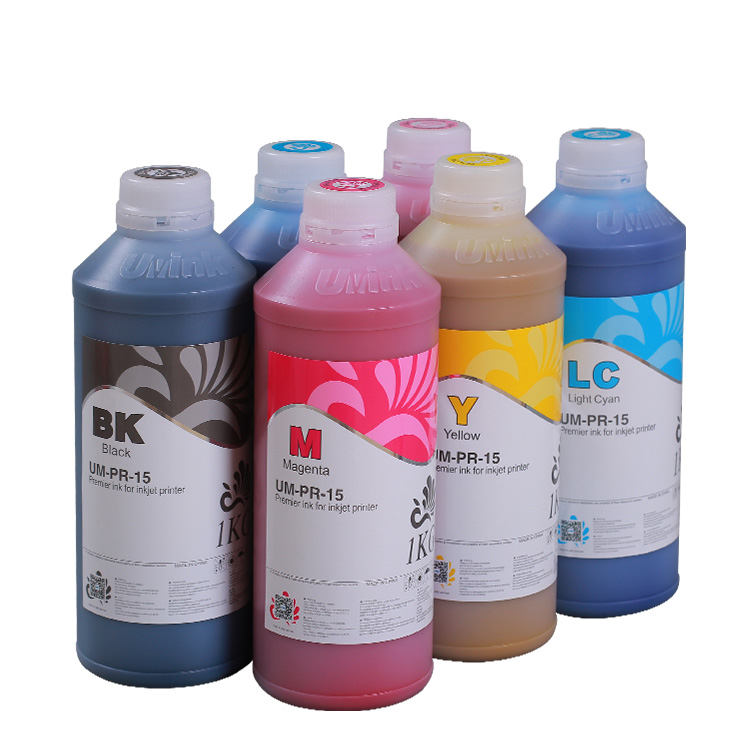 UVINK Eco Solvent Ink – Complete Industrial Buying Guide for Car Wrap Advertising Projects
  Fluorescent Sublimation Ink & Sublimation Printer Ink – Full Industrial UVINK Buyer Guide
  UVINK Economic DTF Ink – Complete Industrial Guide for DTF Printing Ink Users
 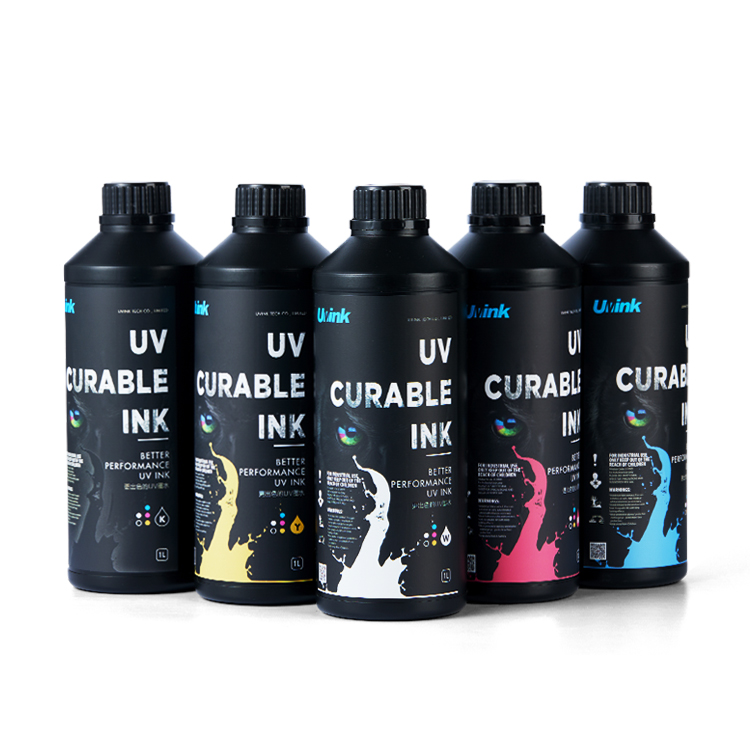 Professional‑Grade UV DTF Ink for High‑Quality UV DTF Prints – UVINK Complete Industrial Buying Guide
 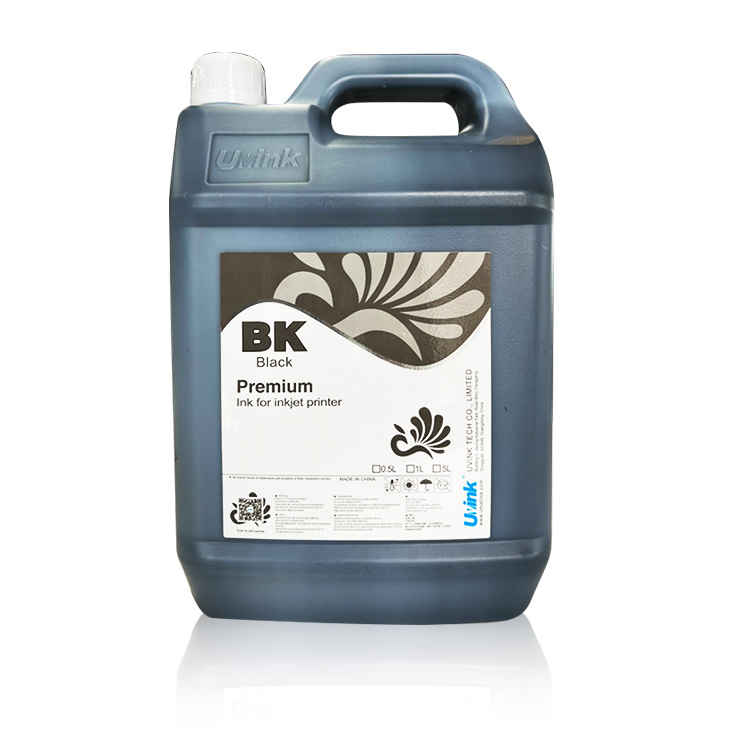 Mild Solvent Ink & Outdoor Advertising Printing – Professional Industrial Guide by UVINK
  Sublimation Ink & Epson Sublimation Ink – Full Industrial Buyer Guide by UVINK
  UVINK UV DTF Ink & What Are UV DTF Stickers – Complete Industrial Guide
  UVINK Economic DTF ink: Complete Buyer Guide for dtf for shirts Printing
  Sublimation Ink & Printer Color Ink: Industrial B2B Technical Guide
  UV DTF Ink & How to Make UV DTF Stickers: Industrial Production Guide
  Solvent Ink for Wide Format Ink Jet Printer: Industrial Technical Guide
  Sublimation Ink: Professional Technical Guide for Epson Printers
  Eco-solvent Ink: Professional Industrial Guide for Epson Pro Printers
  DTF Ink: Professional Industrial Guide for Procolored DTF Printer L1800