
How is ink crystallization caused?
In order to achieve the purpose of bright and bright background, generally
the ink layer is printed very thick or reprinted once or the printing pressure is
increased during printing, and more dry oil is added. Although the ink layer
completely covers the printing carrier, the surface of the printing ink becomes
a very smooth ink film layer after drying too fast, which is difficult to overprint
like glass, so that the ink printed on it will be uneven or not printed at all.
On the surface, the overprinted ink presents beads or patches of weakly colored
printing patterns on the background color, and the ink is poorly bonded,
and some can even be wiped off. In the printing industry, it is called ink film
crystallization, vitrification or mirrorization.
Some operators believe that improper selection will also cause crystallization failure.
It is because the base color ink dries too hard, and the surface free energy is reduced.
After the current color is printed, the storage time is too long, the workshop
temperature is too high, or there are too many printing ink desiccants, especially
cobalt desiccants. If it adopts a fast and intense drying method, such as drying,
it will produce crystallization.
Methods to prevent ink crystallization failure:
1. Overprint with quick-drying ink that contains more solvents. The solvent used
can soak into and soften the ink film layer of the underlying layer.
2. To master the overprinting time, the second color should be printed as soon as
possible after the previous color is printed.
3. Add some coagulation aids or slow-drying materials to delay drying in the ink.
4. In the pattern design of packaging, printing and decoration, different base colors
that are easy to overprint can be used.
5. Cobalt desiccants should be used less in ink formulations.
6. A quick-drying synthetic resin binder can be used to reduce the amount of
desiccant in the ink.
 Sublimation Ink Buying Guide for sublimation printer ink | UVINK
  DTF ink Selection Guide for dtg dtf printer | UVINK
  UV DTF Ink: What Is UV DTF for Digital Printing?
  Economic DTF Ink for DTF Printer Procolored – No‑Clog, Cost‑Effective Industrial Printing Solution
  Economic‑Grade DTF Ink – Complete Industrial Guide: How To Make DTF Transfers With Inkjet Printer
  Industrial‑Grade UV DTF Ink – Complete Buying Guide for UV DTF Stickers for Tumblers Production
 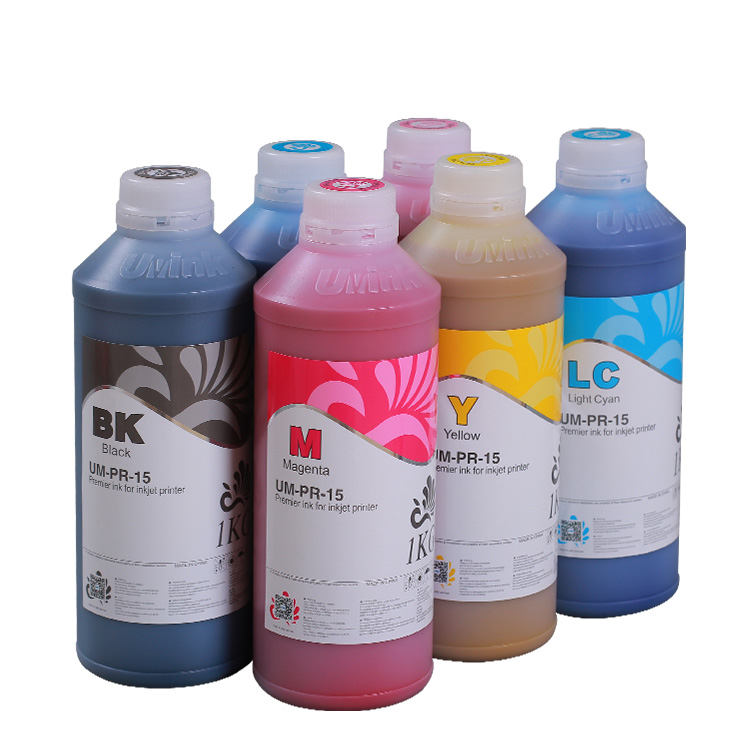 UVINK Eco Solvent Ink – Complete Industrial Buying Guide for Car Wrap Advertising Projects
 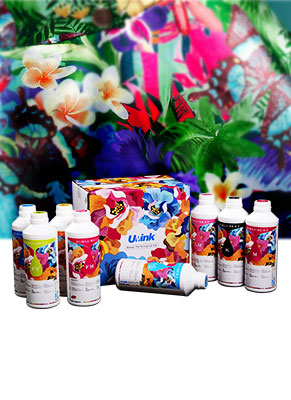 Fluorescent Sublimation Ink & Sublimation Printer Ink – Full Industrial UVINK Buyer Guide
  UVINK Economic DTF Ink – Complete Industrial Guide for DTF Printing Ink Users
 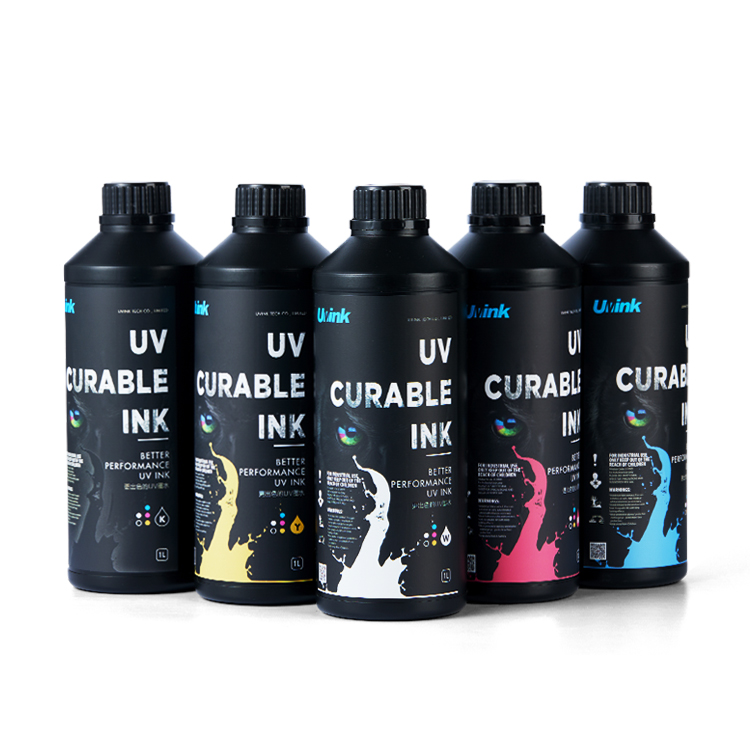 Professional‑Grade UV DTF Ink for High‑Quality UV DTF Prints – UVINK Complete Industrial Buying Guide
 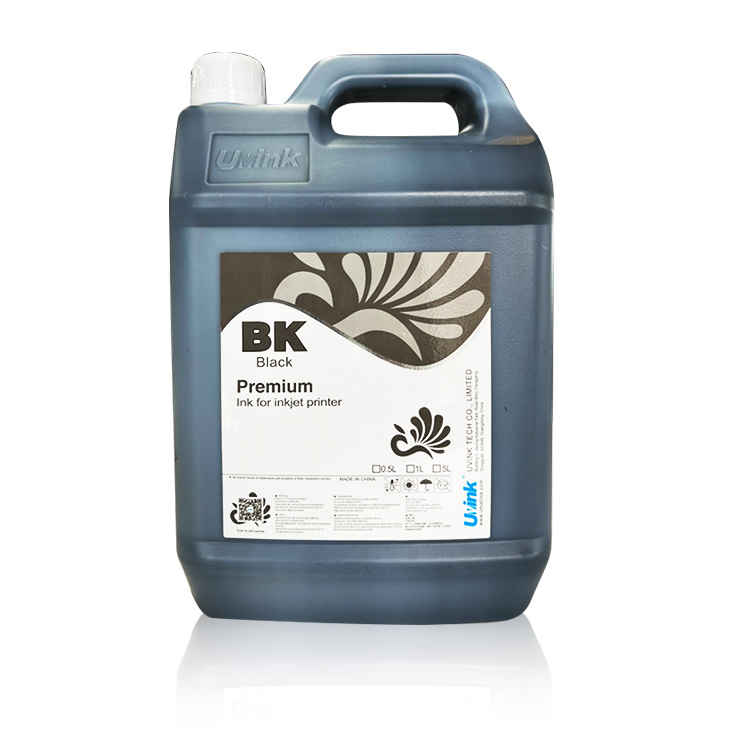 Mild Solvent Ink & Outdoor Advertising Printing – Professional Industrial Guide by UVINK
  Sublimation Ink & Epson Sublimation Ink – Full Industrial Buyer Guide by UVINK
  UVINK UV DTF Ink & What Are UV DTF Stickers – Complete Industrial Guide
 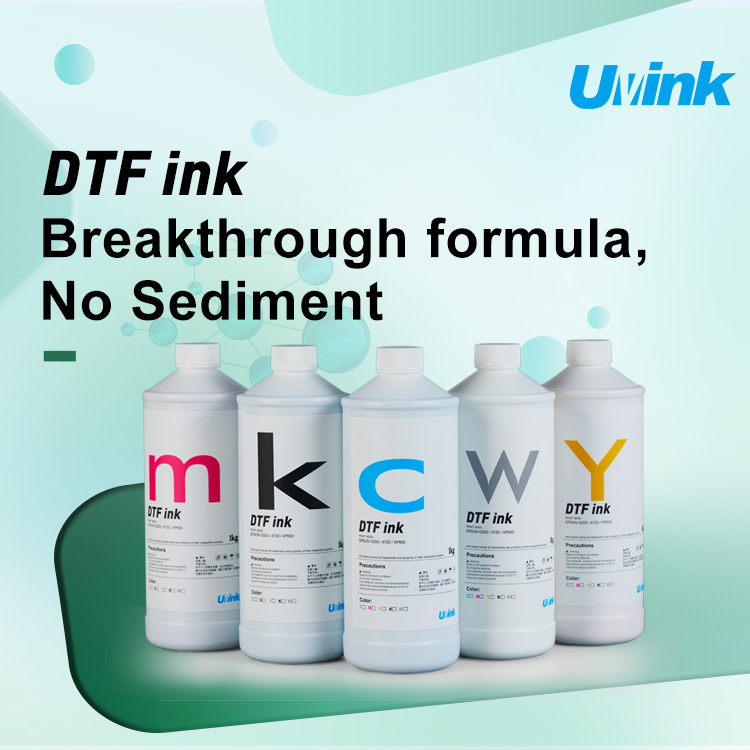 UVINK Economic DTF ink: Complete Buyer Guide for dtf for shirts Printing
  Sublimation Ink & Printer Color Ink: Industrial B2B Technical Guide
  UV DTF Ink & How to Make UV DTF Stickers: Industrial Production Guide
  Solvent Ink for Wide Format Ink Jet Printer: Industrial Technical Guide
  Sublimation Ink: Professional Technical Guide for Epson Printers
  Eco-solvent Ink: Professional Industrial Guide for Epson Pro Printers
  DTF Ink: Professional Industrial Guide for Procolored DTF Printer L1800