
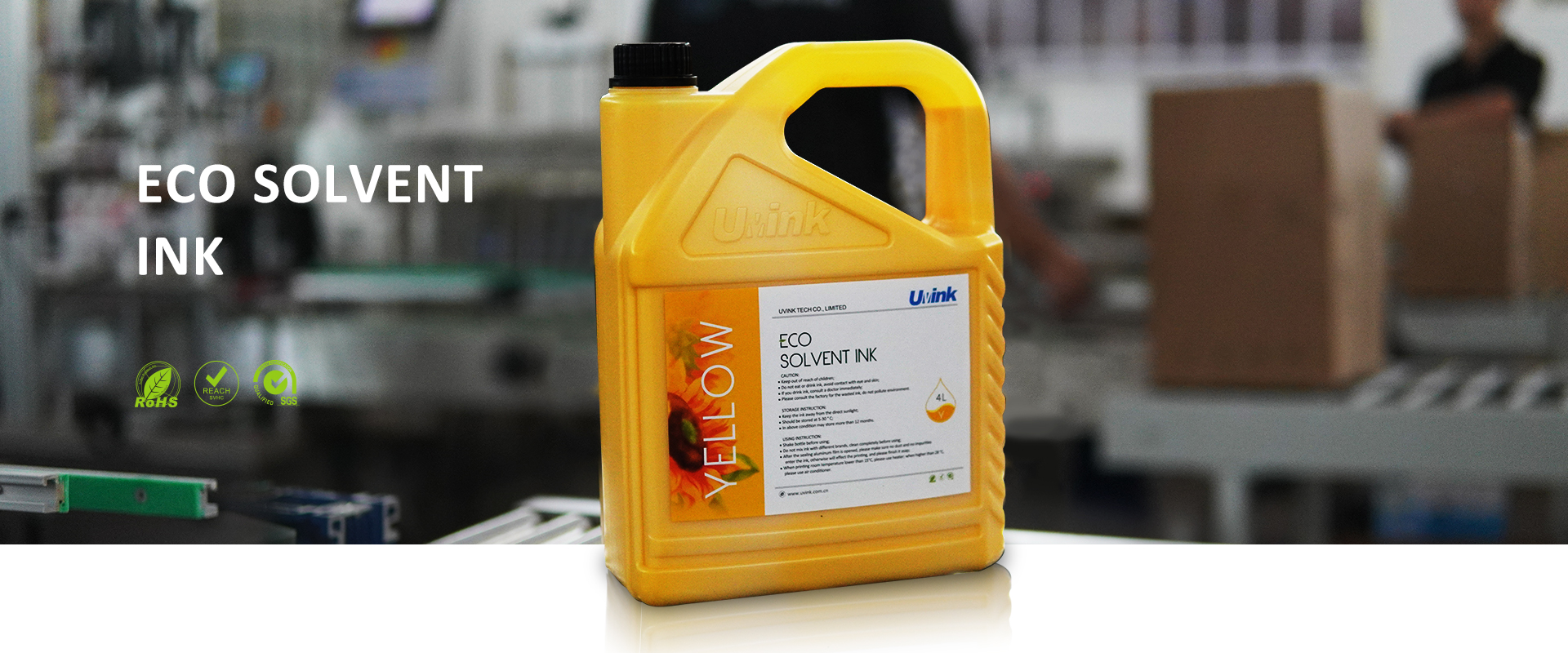
How do you determine whether your product is suitable for sublimation printer ink?
author: Uvink
2022-11-11
How do you determine whether your product is suitable for sublimation printer ink?
Thermal transfer printing process is suitable for plastic (ABS, AS, PS, PVC, EVA, PP, PE, PET),
metal, leather, ceramics, wood and other products of plane, curved surface, alien (part),
cylinder, conical surface printing, widely used in textiles, daily necessities, cosmetics,
stationery, toys, building materials, decorative materials, gifts, food packaging, signs and
other industries products and packaging printing and decoration. While the scope of
the hot transfer process seems to be all-inclusive, in reality, there are still some workpieces
that cannot complete surface printing with hot transfer ink.
How do you determine whether your product is suitable for sublimation printer ink?
In addition to the above seals are known to apply to the thermal transfer ink, some
uncomfortable cooperative thermal transfer process seals can also be identified on the following aspects.
How do you determine whether your product is suitable for sublimation printer ink?
The shape of the bearing material, some bearing material material is very difficult or unable to apply to
the thermal transfer printing process, such as the bearing material surface is uneven, the bearing
material volume is too large or too small, the bearing material printing area is too large or too small,
and so on. Bearing material, some bearing material is very difficult or is not applicable to
the thermal transfer process. For example, stainless steel material without spray paint,
wood without cover paint, bearing material surface sprayed with double components of paint surface,
silicone material, bearing material can not be heated and pressure material, blowing plastic low-pressure
material and so on. Other seals, because they cannot be made for accurate identification from
a theoretical point of view, must also be identified by hot transfer printing and hot printing.
Thermal transfer printing process is suitable for plastic (ABS, AS, PS, PVC, EVA, PP, PE, PET),
metal, leather, ceramics, wood and other products of plane, curved surface, alien (part),
cylinder, conical surface printing, widely used in textiles, daily necessities, cosmetics,
stationery, toys, building materials, decorative materials, gifts, food packaging, signs and
other industries products and packaging printing and decoration. While the scope of
the hot transfer process seems to be all-inclusive, in reality, there are still some workpieces
that cannot complete surface printing with hot transfer ink.
How do you determine whether your product is suitable for sublimation printer ink?
In addition to the above seals are known to apply to the thermal transfer ink, some
uncomfortable cooperative thermal transfer process seals can also be identified on the following aspects.
How do you determine whether your product is suitable for sublimation printer ink?
The shape of the bearing material, some bearing material material is very difficult or unable to apply to
the thermal transfer printing process, such as the bearing material surface is uneven, the bearing
material volume is too large or too small, the bearing material printing area is too large or too small,
and so on. Bearing material, some bearing material is very difficult or is not applicable to
the thermal transfer process. For example, stainless steel material without spray paint,
wood without cover paint, bearing material surface sprayed with double components of paint surface,
silicone material, bearing material can not be heated and pressure material, blowing plastic low-pressure
material and so on. Other seals, because they cannot be made for accurate identification from
a theoretical point of view, must also be identified by hot transfer printing and hot printing.
 Sublimation Ink Buying Guide for sublimation printer ink | UVINK
  DTF ink Selection Guide for dtg dtf printer | UVINK
  UV DTF Ink: What Is UV DTF for Digital Printing?
  Economic DTF Ink for DTF Printer Procolored – No‑Clog, Cost‑Effective Industrial Printing Solution
  Economic‑Grade DTF Ink – Complete Industrial Guide: How To Make DTF Transfers With Inkjet Printer
  Industrial‑Grade UV DTF Ink – Complete Buying Guide for UV DTF Stickers for Tumblers Production
 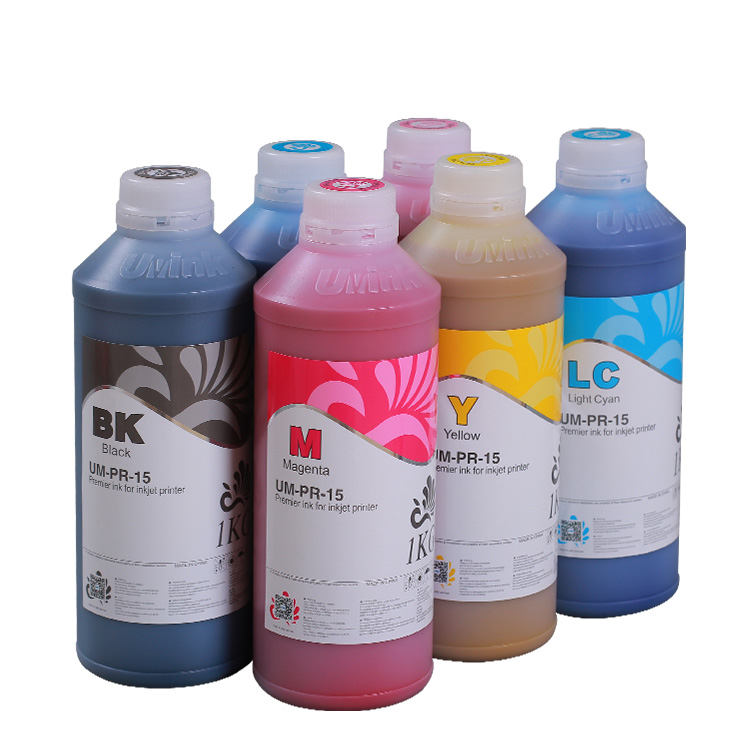 UVINK Eco Solvent Ink – Complete Industrial Buying Guide for Car Wrap Advertising Projects
  Fluorescent Sublimation Ink & Sublimation Printer Ink – Full Industrial UVINK Buyer Guide
  UVINK Economic DTF Ink – Complete Industrial Guide for DTF Printing Ink Users
 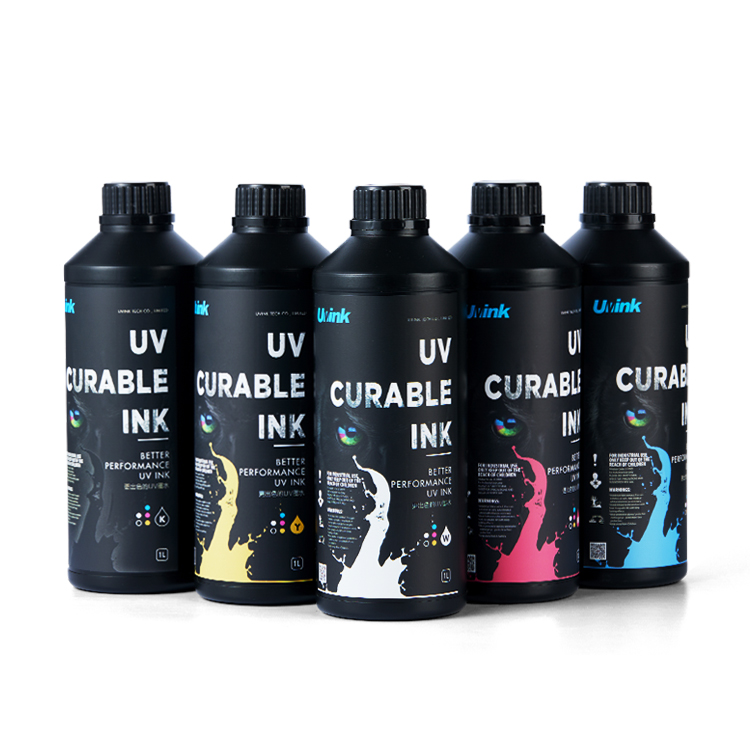 Professional‑Grade UV DTF Ink for High‑Quality UV DTF Prints – UVINK Complete Industrial Buying Guide
 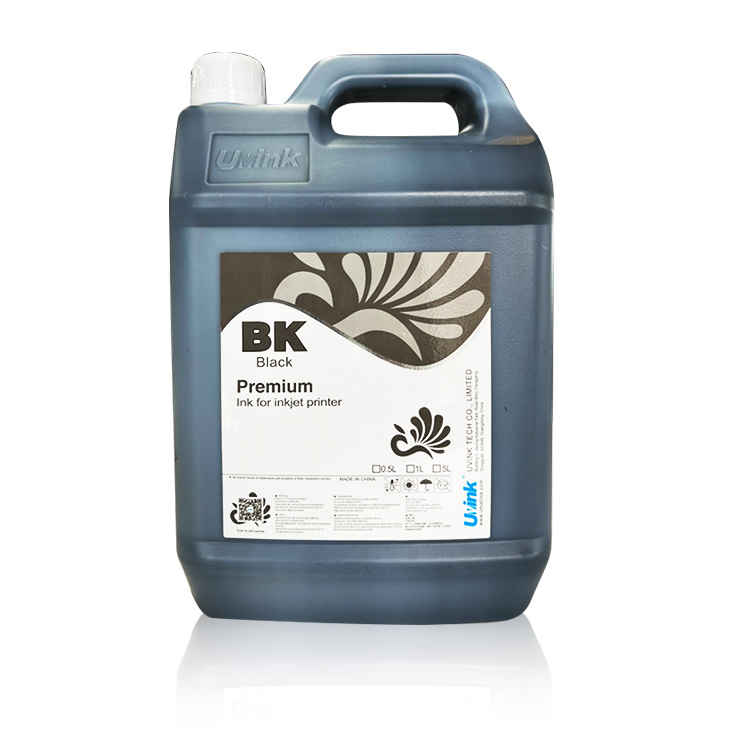 Mild Solvent Ink & Outdoor Advertising Printing – Professional Industrial Guide by UVINK
  Sublimation Ink & Epson Sublimation Ink – Full Industrial Buyer Guide by UVINK
  UVINK UV DTF Ink & What Are UV DTF Stickers – Complete Industrial Guide
 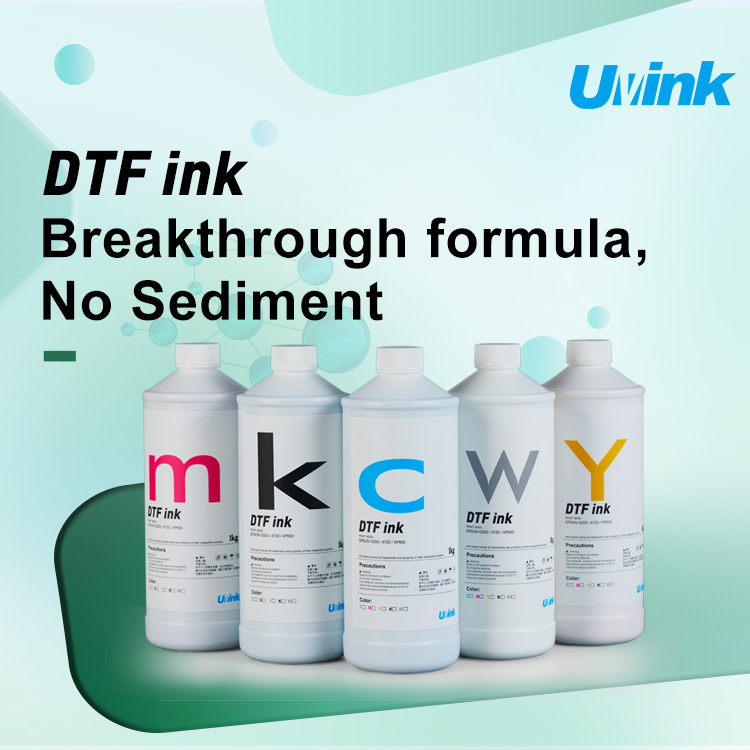 UVINK Economic DTF ink: Complete Buyer Guide for dtf for shirts Printing
  Sublimation Ink & Printer Color Ink: Industrial B2B Technical Guide
  UV DTF Ink & How to Make UV DTF Stickers: Industrial Production Guide
  Solvent Ink for Wide Format Ink Jet Printer: Industrial Technical Guide
  Sublimation Ink: Professional Technical Guide for Epson Printers
  Eco-solvent Ink: Professional Industrial Guide for Epson Pro Printers
  DTF Ink: Professional Industrial Guide for Procolored DTF Printer L1800