
What are the three elements of heat transfer printing?
author: Uvink
2023-01-02
The three elements are the problems that new customers often encounter. The three elements we
often refer to are temperature, time and pressure when transferring. Under the condition of controlling
temperature, time and pressure during embossing, the effect of heat transfer hot stamping can be vivid,
with fine and accurate patterns and bright colors.
Temperature and temperature are important parameters for heat transfer printing and hot stamping.
The higher the temperature is, the higher the transfer rate will be. Because the temperature has a direct
impact on the fabric, the transfer temperature should be determined above the fabric temperature, that is,
the fabric temperature is the lowest temperature during heat transfer hot stamping processing, and the
fabric begins to sublimate when this temperature is reached. But it is not the highest temperature of fabric
sublimation, and the highest temperature should be determined by the fact that the fiber is not damaged.
Therefore, the optimum temperature should be selected based on factors such as fiber and dye. Generally,
150~160 ℃ is preferred.What are the three elements of heat transfer printing?

Time, transfer time: The heat transfer hot stamping time is usually controlled at about 12 seconds. There are
two transfer time: one is the sublimation time of dye; One is the time when the dye sets on the surface. Disperse
dyes of different colors have different diffusion coefficients, and proper extension of heating time will increase
the color depth of dyes, but excessive extension of transfer time has no practical significance. On the contrary,
it will delay the production efficiency and cause the decline of the quality of the carrier, because too high temperature
and too long time will cause the fiber to feel rough and the color to turn yellow; On the contrary, if the temperature
is too low and the time is too short, the transfer effect is not ideal.
Pressure, transfer pressure: pressure is an important factor to ensure the transfer quality. The greater the pressure,
the better the transfer effect. It mainly reduces the distance between the fabric and the transfer film. The less the
vaporized disperse dyes collide and escape in the air, and the higher the color of heat transfer hot stamping.
But the pressure should not increase indefinitely. The excessive pressure will cause obvious indentation between
the pressure area and the non pressure area of the fabric. In order to ensure the appearance quality of the bearing
fabric, the hot stamping machine with circular contact surface can be used. Another method is to use a decompression
type hot stamping machine - the so-called vacuum heat transfer hot stamping with air extraction. The decompression
heat transfer hot stamping can also make a part of the disperse dyeing without sublimation applied, and can also
increase the color yield and heat transfer hot stamping speed.
When choosing heat transfer materials such as engraving film or hot stamping, you should understand the
temperature, time and pressure of these materials. Whether it is suitable for the ironed object.
often refer to are temperature, time and pressure when transferring. Under the condition of controlling
temperature, time and pressure during embossing, the effect of heat transfer hot stamping can be vivid,
with fine and accurate patterns and bright colors.
Temperature and temperature are important parameters for heat transfer printing and hot stamping.
The higher the temperature is, the higher the transfer rate will be. Because the temperature has a direct
impact on the fabric, the transfer temperature should be determined above the fabric temperature, that is,
the fabric temperature is the lowest temperature during heat transfer hot stamping processing, and the
fabric begins to sublimate when this temperature is reached. But it is not the highest temperature of fabric
sublimation, and the highest temperature should be determined by the fact that the fiber is not damaged.
Therefore, the optimum temperature should be selected based on factors such as fiber and dye. Generally,
150~160 ℃ is preferred.What are the three elements of heat transfer printing?
Time, transfer time: The heat transfer hot stamping time is usually controlled at about 12 seconds. There are
two transfer time: one is the sublimation time of dye; One is the time when the dye sets on the surface. Disperse
dyes of different colors have different diffusion coefficients, and proper extension of heating time will increase
the color depth of dyes, but excessive extension of transfer time has no practical significance. On the contrary,
it will delay the production efficiency and cause the decline of the quality of the carrier, because too high temperature
and too long time will cause the fiber to feel rough and the color to turn yellow; On the contrary, if the temperature
is too low and the time is too short, the transfer effect is not ideal.
Pressure, transfer pressure: pressure is an important factor to ensure the transfer quality. The greater the pressure,
the better the transfer effect. It mainly reduces the distance between the fabric and the transfer film. The less the
vaporized disperse dyes collide and escape in the air, and the higher the color of heat transfer hot stamping.
But the pressure should not increase indefinitely. The excessive pressure will cause obvious indentation between
the pressure area and the non pressure area of the fabric. In order to ensure the appearance quality of the bearing
fabric, the hot stamping machine with circular contact surface can be used. Another method is to use a decompression
type hot stamping machine - the so-called vacuum heat transfer hot stamping with air extraction. The decompression
heat transfer hot stamping can also make a part of the disperse dyeing without sublimation applied, and can also
increase the color yield and heat transfer hot stamping speed.
When choosing heat transfer materials such as engraving film or hot stamping, you should understand the
temperature, time and pressure of these materials. Whether it is suitable for the ironed object.
 Sublimation Ink Buying Guide for sublimation printer ink | UVINK
  DTF ink Selection Guide for dtg dtf printer | UVINK
  UV DTF Ink: What Is UV DTF for Digital Printing?
  Economic DTF Ink for DTF Printer Procolored – No‑Clog, Cost‑Effective Industrial Printing Solution
  Economic‑Grade DTF Ink – Complete Industrial Guide: How To Make DTF Transfers With Inkjet Printer
  Industrial‑Grade UV DTF Ink – Complete Buying Guide for UV DTF Stickers for Tumblers Production
 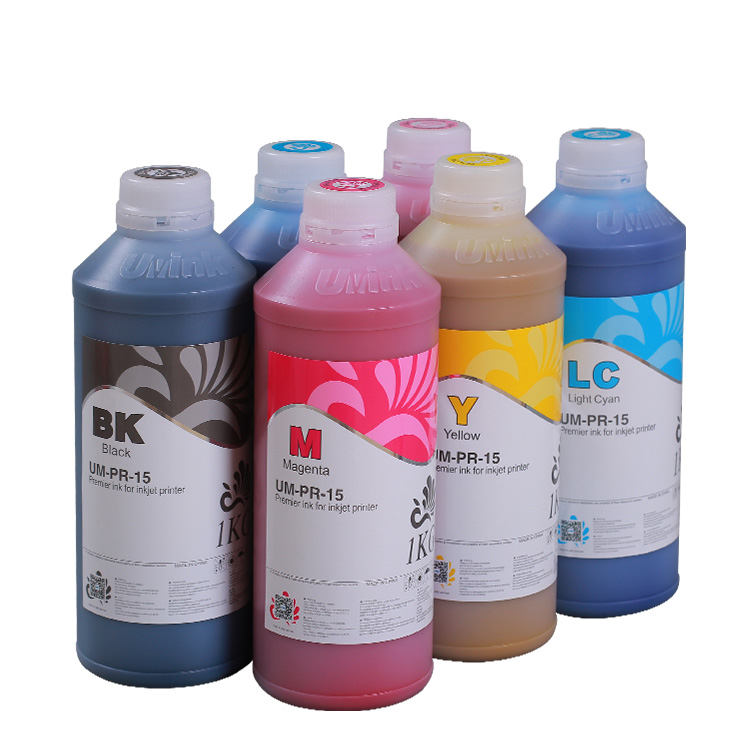 UVINK Eco Solvent Ink – Complete Industrial Buying Guide for Car Wrap Advertising Projects
  Fluorescent Sublimation Ink & Sublimation Printer Ink – Full Industrial UVINK Buyer Guide
  UVINK Economic DTF Ink – Complete Industrial Guide for DTF Printing Ink Users
 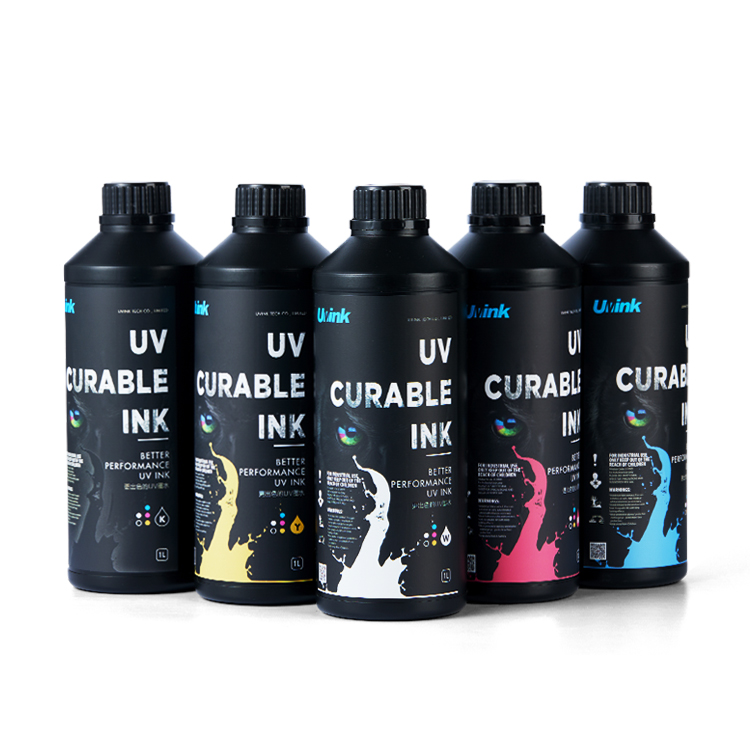 Professional‑Grade UV DTF Ink for High‑Quality UV DTF Prints – UVINK Complete Industrial Buying Guide
 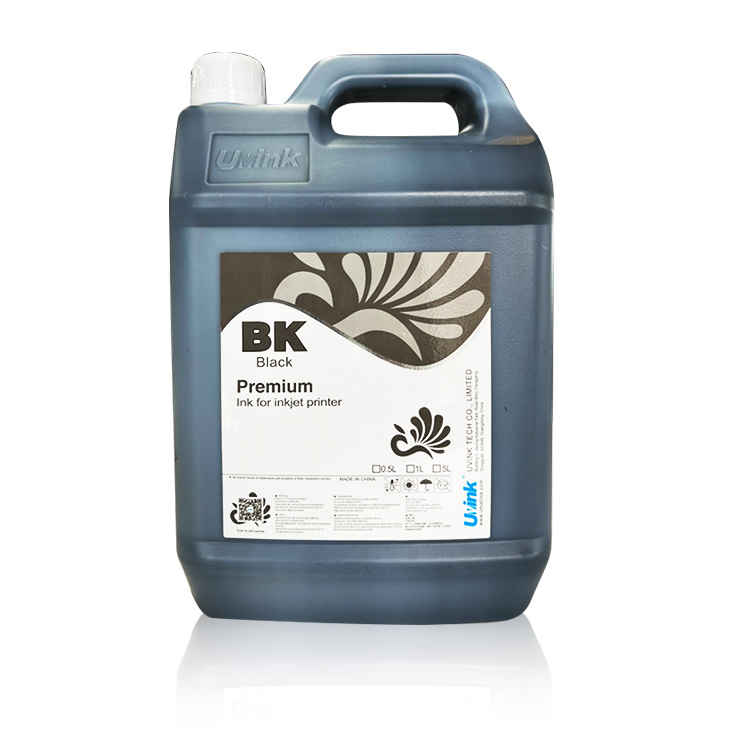 Mild Solvent Ink & Outdoor Advertising Printing – Professional Industrial Guide by UVINK
  Sublimation Ink & Epson Sublimation Ink – Full Industrial Buyer Guide by UVINK
  UVINK UV DTF Ink & What Are UV DTF Stickers – Complete Industrial Guide
 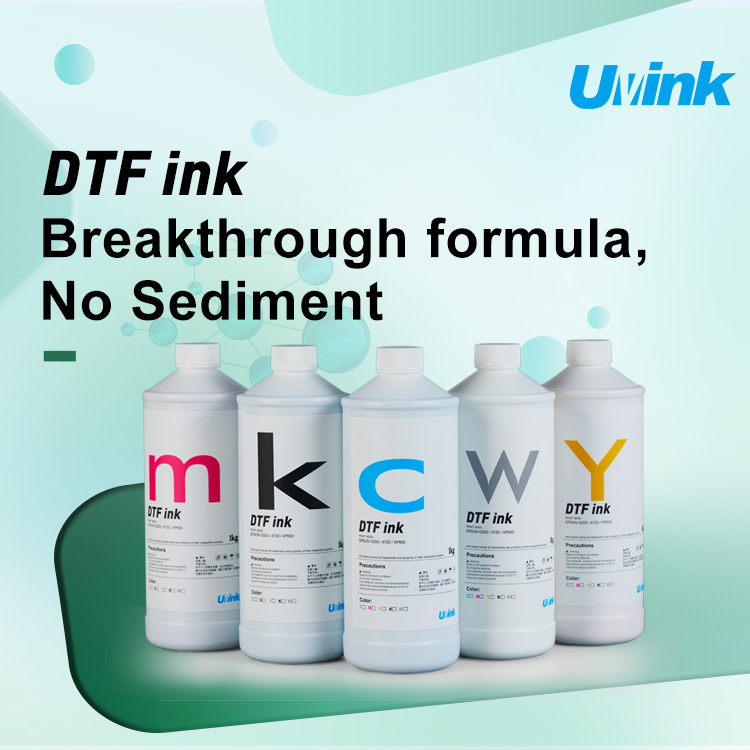 UVINK Economic DTF ink: Complete Buyer Guide for dtf for shirts Printing
  Sublimation Ink & Printer Color Ink: Industrial B2B Technical Guide
  UV DTF Ink & How to Make UV DTF Stickers: Industrial Production Guide
  Solvent Ink for Wide Format Ink Jet Printer: Industrial Technical Guide
  Sublimation Ink: Professional Technical Guide for Epson Printers
  Eco-solvent Ink: Professional Industrial Guide for Epson Pro Printers
  DTF Ink: Professional Industrial Guide for Procolored DTF Printer L1800