
What is the function of wax powder in water-based ink?
author: Uvink
2023-04-06
Wax is a commonly used additive for paint and ink. The most commonly used variety in
solvent-based systems is micropowder wax. Its material types are generally polyethylene
wax and polytetraethylene wax. The main functions are scratch resistance and durability.
Friction, also has the characteristics of improving hand feeling, anti-adhesion, anti-sticking,
waterproof and so on.
Anti-sagging, anti-sedimentation, large powder surface area. Positioning of metallic pigments.
Wax is dispersed in aromatic and aliphatic solvents, which can increase the anti-sedimentation of
coatings and inks. It also shows different degrees of thixotropy, anti-sagging and positioning
of metallic pigments.
Matting effect, gloss is the ability of the surface of the paint film to reflect the light projected
on it in one direction, the greater the amount of reflected light, the higher the gloss. Migrate to
the surface of the coating film to wax particles, and through refraction, diffusion, etc.
the reflection of light projected on the surface of the coating film in the same direction is
weakened to achieve a matting effect. The gloss and transparency of wax in water-based paint
inks are affected by many factors, the most important of which are the difference in refractive index
between the wax material and the tree and the fineness of the wax. The difference in refractive
index is not easy to analyze, but the difference in fineness is easy to analyze. Generally,
in varnishes or varnishes with thinner coating thicknesses, under the same amount of wax of
the same type, the gloss is the lowest and the transparency is the worst when
the fineness is about 1um.
In water-based coating systems, waxes are mainly used as additives in solid form water-based
micronized wax and liquid form wax emulsion and wax dispersion. The main advantage of
water-based micronized wax is that it does not contain emulsifiers, and has no effect on
the water resistance of coating inks after film formation. Its main disadvantages are that
the dispersion in water-based systems requires high technical requirements and
poor application convenience.
 Sublimation Ink Buying Guide for sublimation printer ink | UVINK
  DTF ink Selection Guide for dtg dtf printer | UVINK
  UV DTF Ink: What Is UV DTF for Digital Printing?
  Economic DTF Ink for DTF Printer Procolored – No‑Clog, Cost‑Effective Industrial Printing Solution
  Economic‑Grade DTF Ink – Complete Industrial Guide: How To Make DTF Transfers With Inkjet Printer
  Industrial‑Grade UV DTF Ink – Complete Buying Guide for UV DTF Stickers for Tumblers Production
 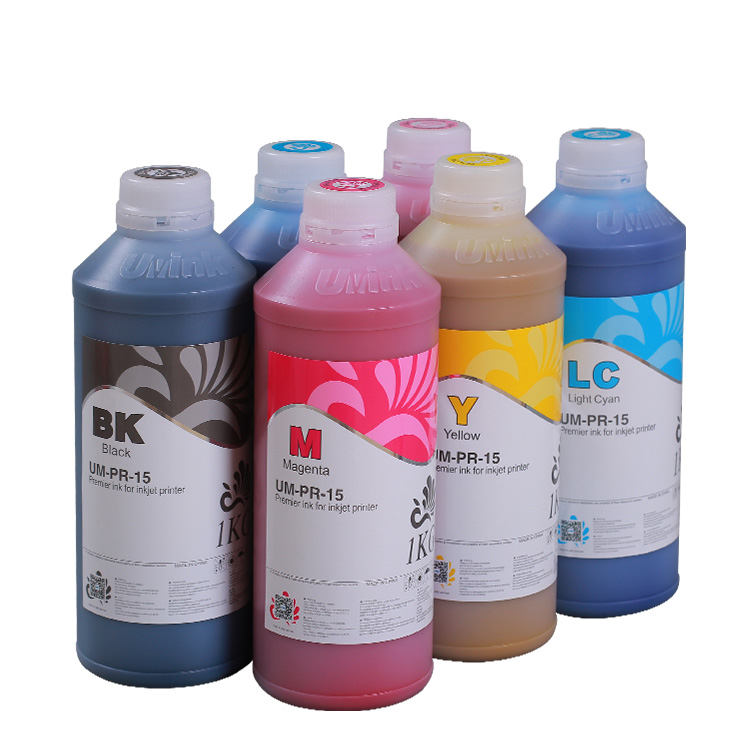 UVINK Eco Solvent Ink – Complete Industrial Buying Guide for Car Wrap Advertising Projects
 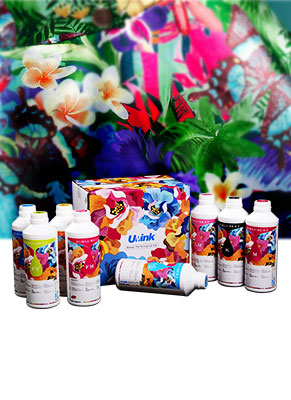 Fluorescent Sublimation Ink & Sublimation Printer Ink – Full Industrial UVINK Buyer Guide
  UVINK Economic DTF Ink – Complete Industrial Guide for DTF Printing Ink Users
 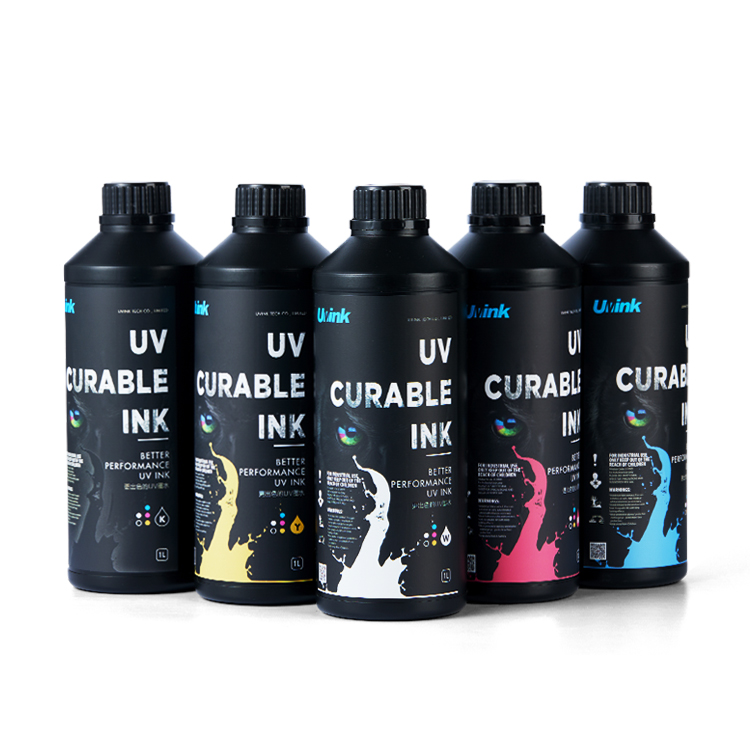 Professional‑Grade UV DTF Ink for High‑Quality UV DTF Prints – UVINK Complete Industrial Buying Guide
 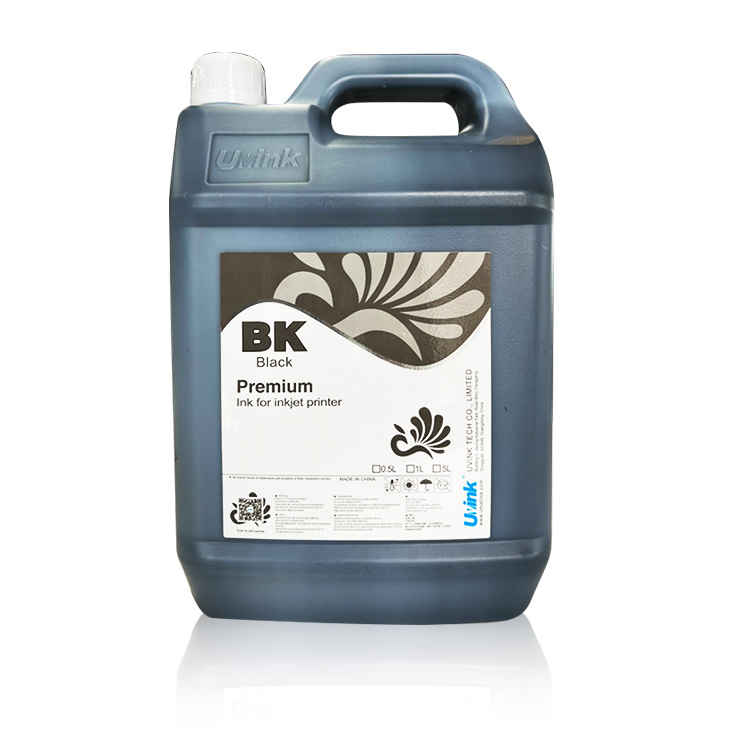 Mild Solvent Ink & Outdoor Advertising Printing – Professional Industrial Guide by UVINK
  Sublimation Ink & Epson Sublimation Ink – Full Industrial Buyer Guide by UVINK
  UVINK UV DTF Ink & What Are UV DTF Stickers – Complete Industrial Guide
 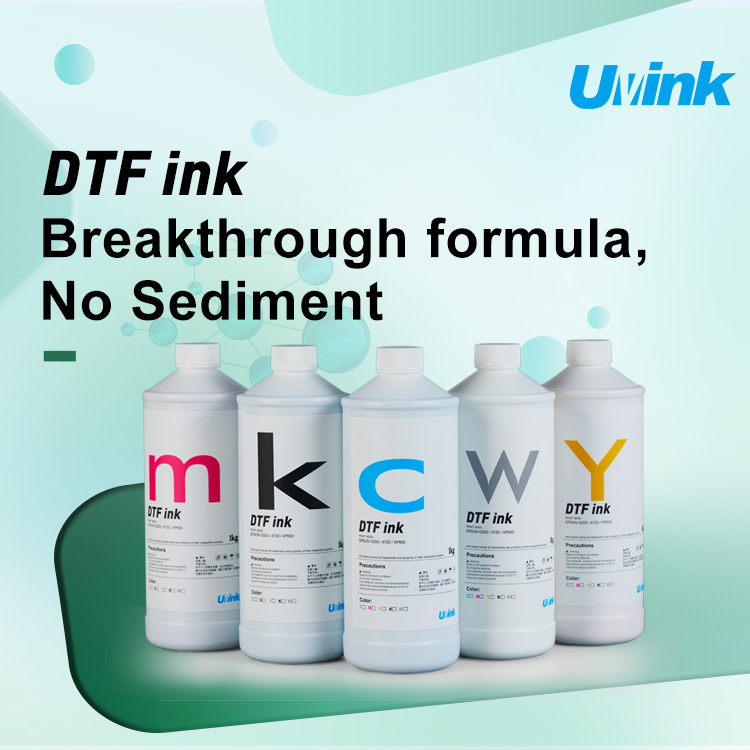 UVINK Economic DTF ink: Complete Buyer Guide for dtf for shirts Printing
  Sublimation Ink & Printer Color Ink: Industrial B2B Technical Guide
  UV DTF Ink & How to Make UV DTF Stickers: Industrial Production Guide
  Solvent Ink for Wide Format Ink Jet Printer: Industrial Technical Guide
  Sublimation Ink: Professional Technical Guide for Epson Printers
  Eco-solvent Ink: Professional Industrial Guide for Epson Pro Printers
  DTF Ink: Professional Industrial Guide for Procolored DTF Printer L1800