
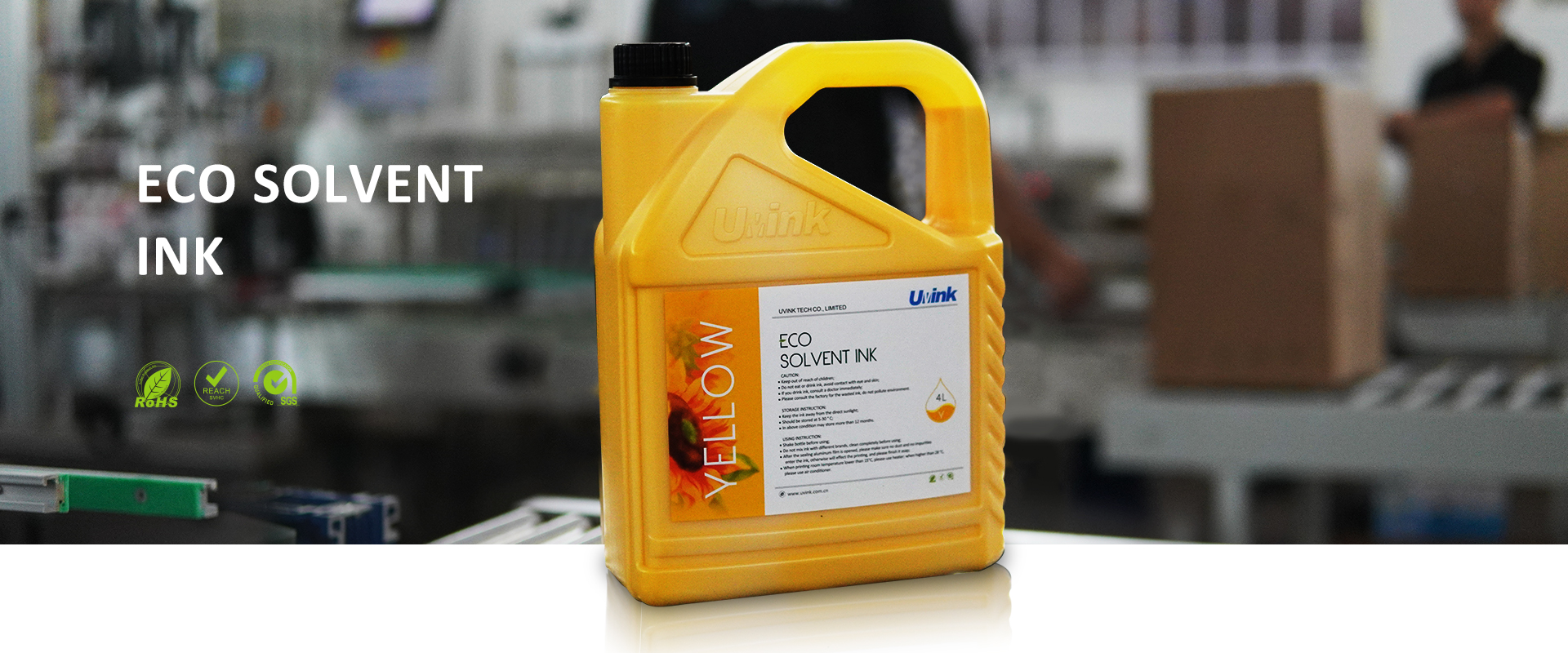
Factors affecting the quality of uv inkjet printing.
author: Uvink
2022-12-05
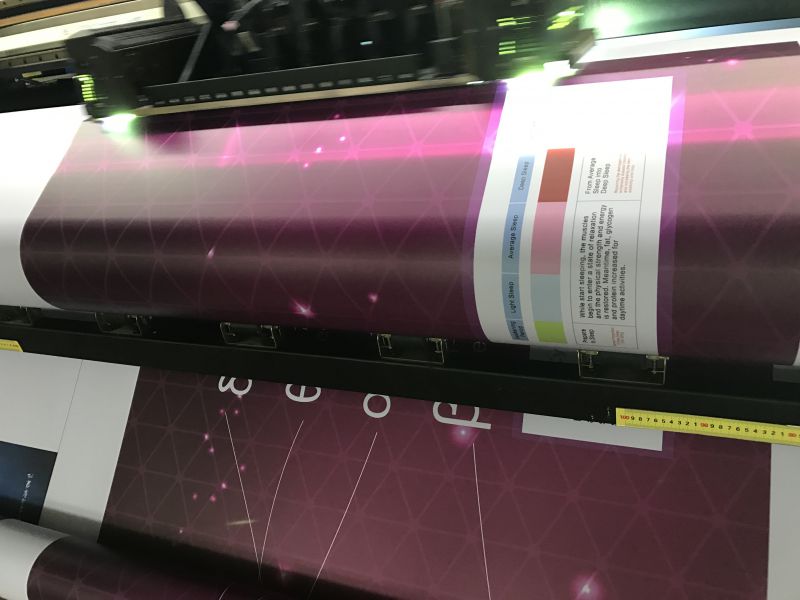
Different digital printers have different principles. In the actual application process,
manufacturers generally choose the ink provided by inkjet equipment suppliers, and
the ink used is also irreplaceable. Changing the ink at will will inevitably lead to ink
discharge or printing failure. Therefore, users should have a full understanding of
the ink used, and also need to consider the effects of various factors such as
the nature of the printing materials.
Factors affecting the quality of uv inkjet printing.For ink-jet printing, to control
the printing effect on different printing media, it is necessary to analyze the performance of
the substrate. Taking paper as an example, due to the thermodynamic interaction between
paper and ink, the capillarity of paper and the diffusion of ink chemical components,
and other factors, the ink absorption will be affected together, which will lead to different
penetration effects of different inks. Therefore, ink-jet printing paper requires a smooth
surface with a certain sizing degree. It is better to have an extremely thin transparent
coating on the surface, which can quickly absorb ink and avoid light scattering.

Factors affecting the quality of uv inkjet printing.The use of uv ink, to get the ideal print,
you must use the ink correctly. Before printing, printing and after printing, the ink performance
should be monitored at all times. The printing environment and storage conditions,
such as temperature, humidity, cleanliness and airflow, will affect the performance of ink-jet ink.
In a humid environment, pay special attention to the transportation and storage of uv ink,
and pay attention to every operation step from opening the package to printing on the machine.
After printing, the ink-jet ink should not be exposed to adverse environments such as uv light,
ozone, adhesives and corrosivity. These factors may reduce the quality of printed products.
UV ink is easy to cross link when exposed to light or heat. Therefore, it should not be directly
exposed to light during use, nor should it be stored in an environment higher than 30 ℃
for a long time. It must be stored in a ventilated and dark environment below 16~28 ℃.
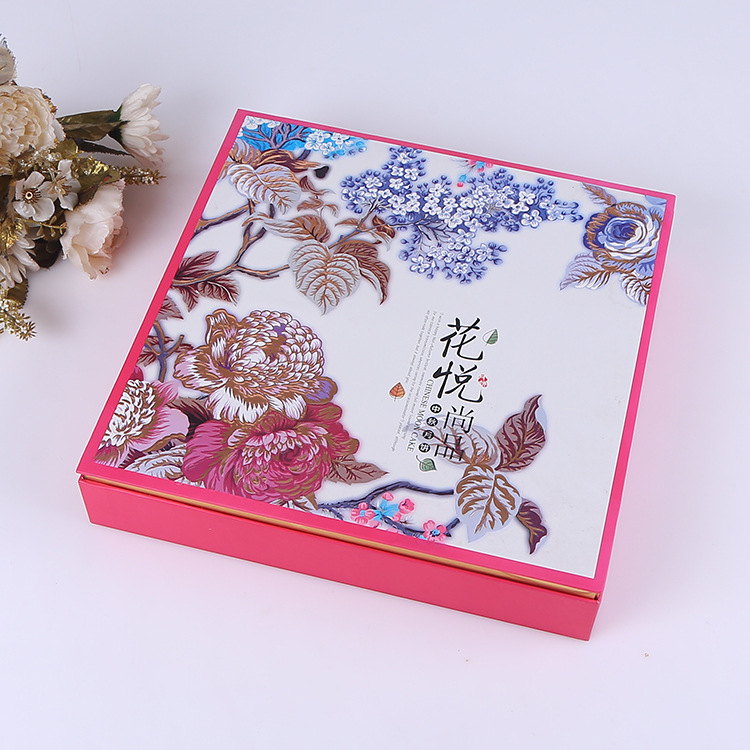
Factors affecting the quality of uv inkjet printing.UV light source and curing. In order to obtain
high-quality output images, the high illumination output from the uv lamp is required to match
the spectral band required for curing. With the increase of the use time, the electrode of
the uv lamp will gradually decompose, the inner wall of the lamp will deposit, the transparency
and the transmittance of uv light will gradually weaken, which will affect the curing. Therefore,
the lamp should be tested regularly and replaced in a timely manner. If the curing problem is
caused by insufficient power of the light source, the printing speed can be appropriately reduced
or the power of the light source can be increased. Due to the slow curing speed of uv ink itself,
you can add a light curing accelerator, reduce the printing speed or find an ink supplier to
solve the problem. In addition, the effect of uv radiation is cumulative. If the curing is excessive,
the ink layer may break, affecting the image quality.
manufacturers generally choose the ink provided by inkjet equipment suppliers, and
the ink used is also irreplaceable. Changing the ink at will will inevitably lead to ink
discharge or printing failure. Therefore, users should have a full understanding of
the ink used, and also need to consider the effects of various factors such as
the nature of the printing materials.
Factors affecting the quality of uv inkjet printing.For ink-jet printing, to control
the printing effect on different printing media, it is necessary to analyze the performance of
the substrate. Taking paper as an example, due to the thermodynamic interaction between
paper and ink, the capillarity of paper and the diffusion of ink chemical components,
and other factors, the ink absorption will be affected together, which will lead to different
penetration effects of different inks. Therefore, ink-jet printing paper requires a smooth
surface with a certain sizing degree. It is better to have an extremely thin transparent
coating on the surface, which can quickly absorb ink and avoid light scattering.
Factors affecting the quality of uv inkjet printing.The use of uv ink, to get the ideal print,
you must use the ink correctly. Before printing, printing and after printing, the ink performance
should be monitored at all times. The printing environment and storage conditions,
such as temperature, humidity, cleanliness and airflow, will affect the performance of ink-jet ink.
In a humid environment, pay special attention to the transportation and storage of uv ink,
and pay attention to every operation step from opening the package to printing on the machine.
After printing, the ink-jet ink should not be exposed to adverse environments such as uv light,
ozone, adhesives and corrosivity. These factors may reduce the quality of printed products.
UV ink is easy to cross link when exposed to light or heat. Therefore, it should not be directly
exposed to light during use, nor should it be stored in an environment higher than 30 ℃
for a long time. It must be stored in a ventilated and dark environment below 16~28 ℃.
high-quality output images, the high illumination output from the uv lamp is required to match
the spectral band required for curing. With the increase of the use time, the electrode of
the uv lamp will gradually decompose, the inner wall of the lamp will deposit, the transparency
and the transmittance of uv light will gradually weaken, which will affect the curing. Therefore,
the lamp should be tested regularly and replaced in a timely manner. If the curing problem is
caused by insufficient power of the light source, the printing speed can be appropriately reduced
or the power of the light source can be increased. Due to the slow curing speed of uv ink itself,
you can add a light curing accelerator, reduce the printing speed or find an ink supplier to
solve the problem. In addition, the effect of uv radiation is cumulative. If the curing is excessive,
the ink layer may break, affecting the image quality.
 Sublimation Ink Buying Guide for sublimation printer ink | UVINK
  DTF ink Selection Guide for dtg dtf printer | UVINK
  UV DTF Ink: What Is UV DTF for Digital Printing?
  Economic DTF Ink for DTF Printer Procolored – No‑Clog, Cost‑Effective Industrial Printing Solution
  Economic‑Grade DTF Ink – Complete Industrial Guide: How To Make DTF Transfers With Inkjet Printer
  Industrial‑Grade UV DTF Ink – Complete Buying Guide for UV DTF Stickers for Tumblers Production
 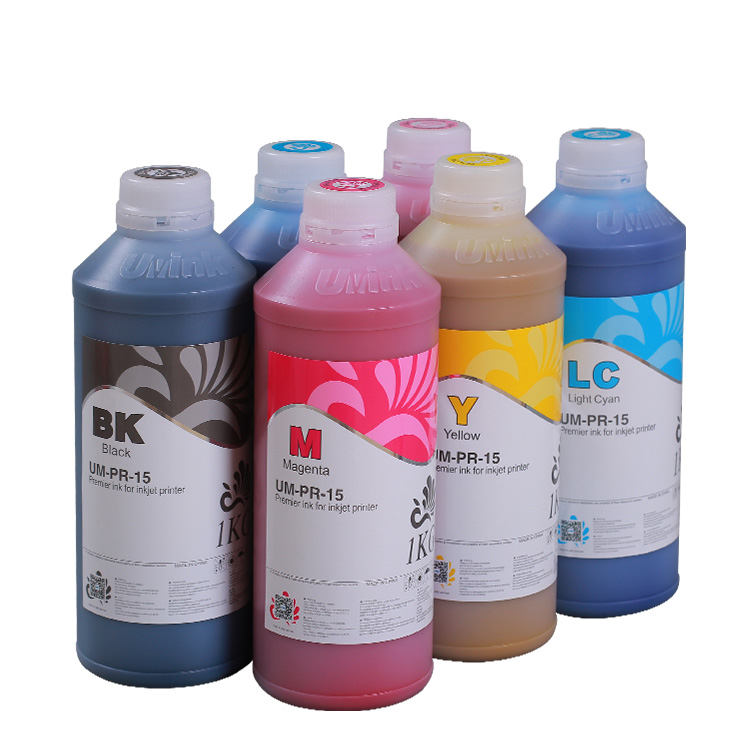 UVINK Eco Solvent Ink – Complete Industrial Buying Guide for Car Wrap Advertising Projects
 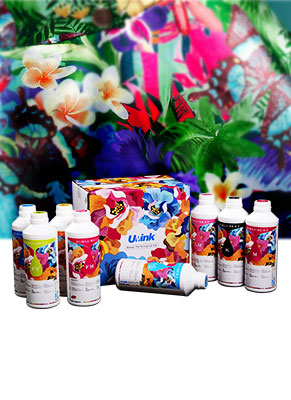 Fluorescent Sublimation Ink & Sublimation Printer Ink – Full Industrial UVINK Buyer Guide
  UVINK Economic DTF Ink – Complete Industrial Guide for DTF Printing Ink Users
 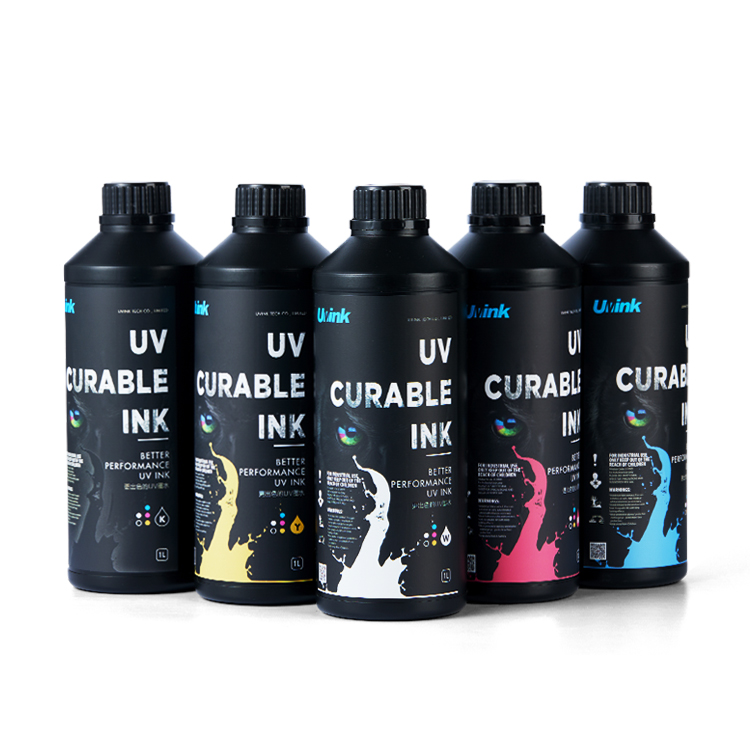 Professional‑Grade UV DTF Ink for High‑Quality UV DTF Prints – UVINK Complete Industrial Buying Guide
 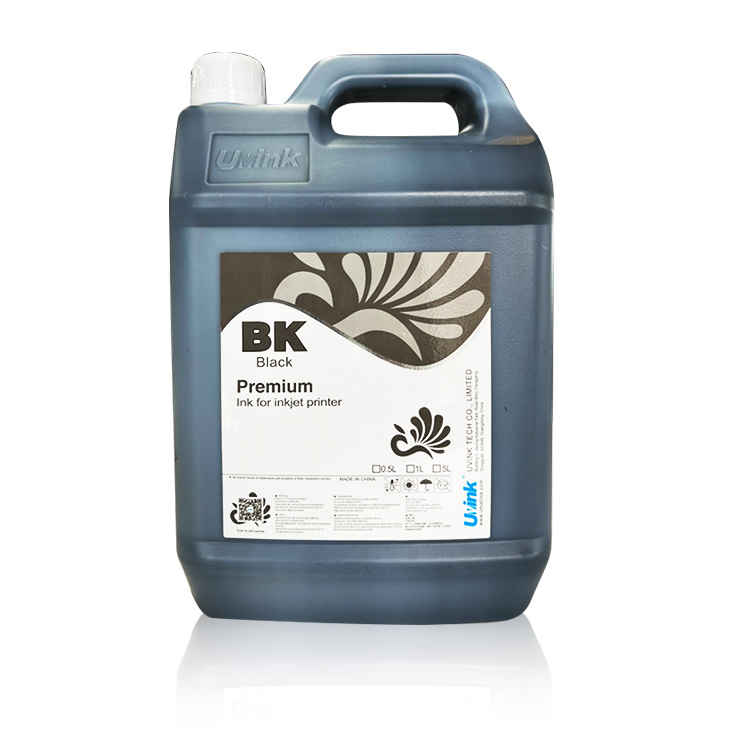 Mild Solvent Ink & Outdoor Advertising Printing – Professional Industrial Guide by UVINK
  Sublimation Ink & Epson Sublimation Ink – Full Industrial Buyer Guide by UVINK
  UVINK UV DTF Ink & What Are UV DTF Stickers – Complete Industrial Guide
 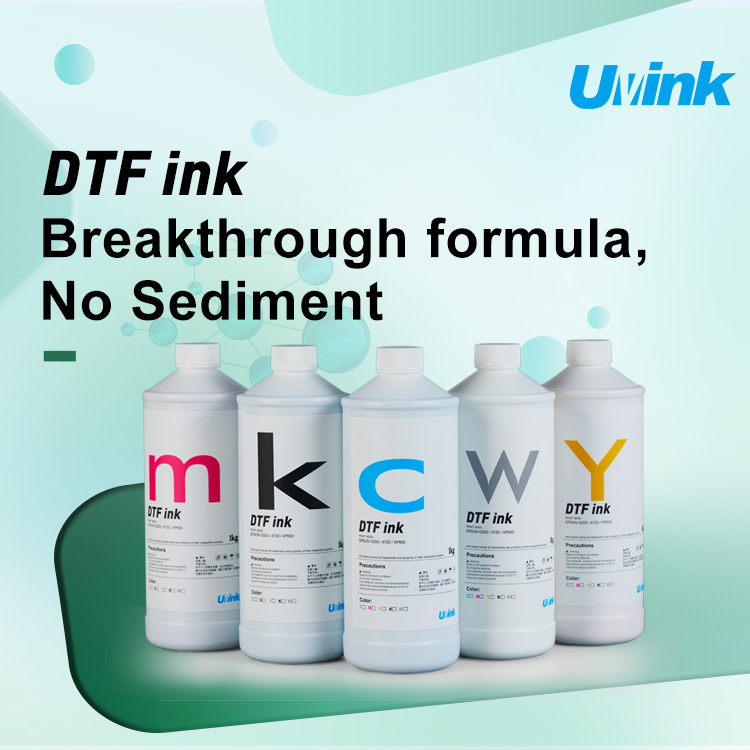 UVINK Economic DTF ink: Complete Buyer Guide for dtf for shirts Printing
  Sublimation Ink & Printer Color Ink: Industrial B2B Technical Guide
  UV DTF Ink & How to Make UV DTF Stickers: Industrial Production Guide
  Solvent Ink for Wide Format Ink Jet Printer: Industrial Technical Guide
 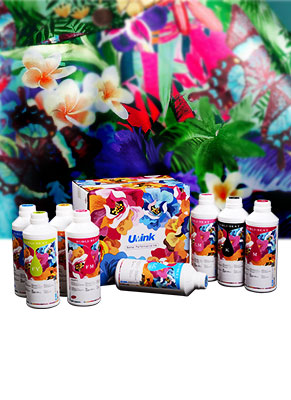 Sublimation Ink: Professional Technical Guide for Epson Printers
  Eco-solvent Ink: Professional Industrial Guide for Epson Pro Printers
  DTF Ink: Professional Industrial Guide for Procolored DTF Printer L1800