
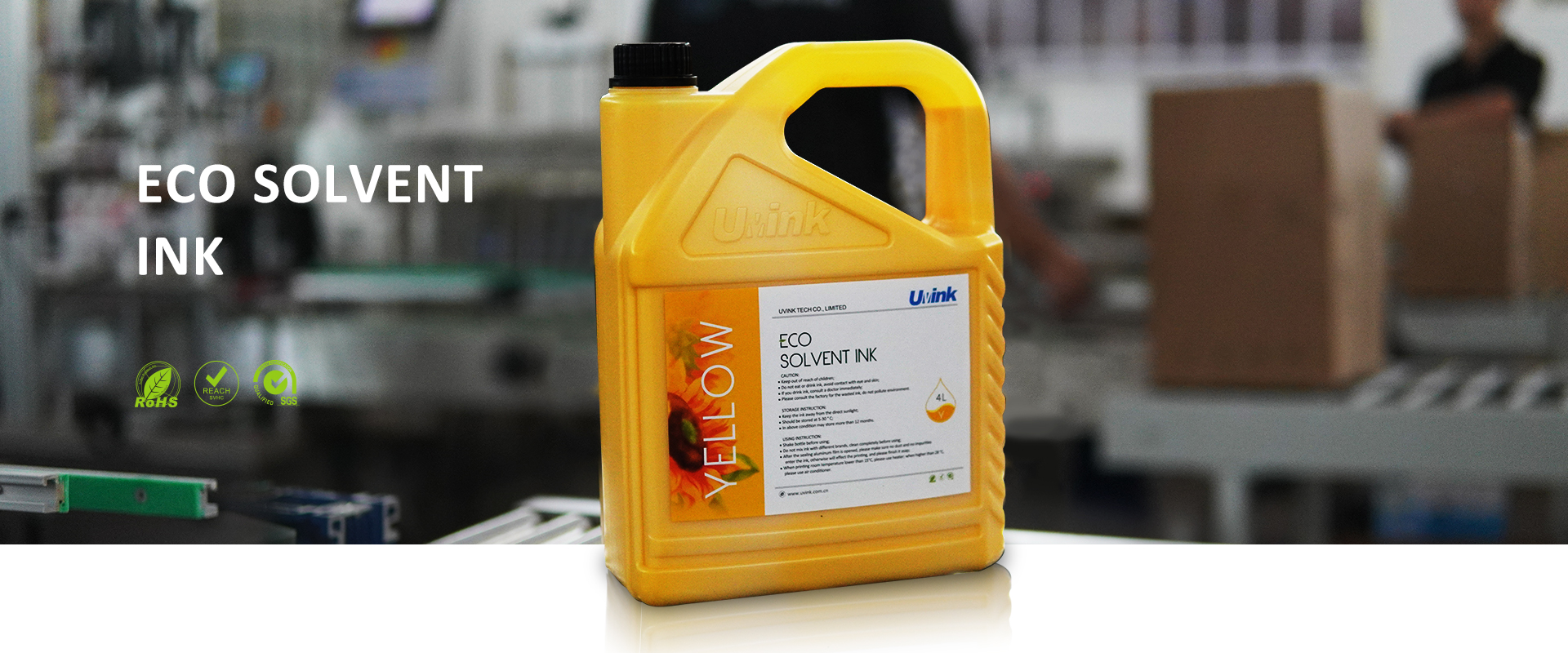
How to improve the environmental protection of environmentally friendly uv inks?
author: Uvink
2023-03-15
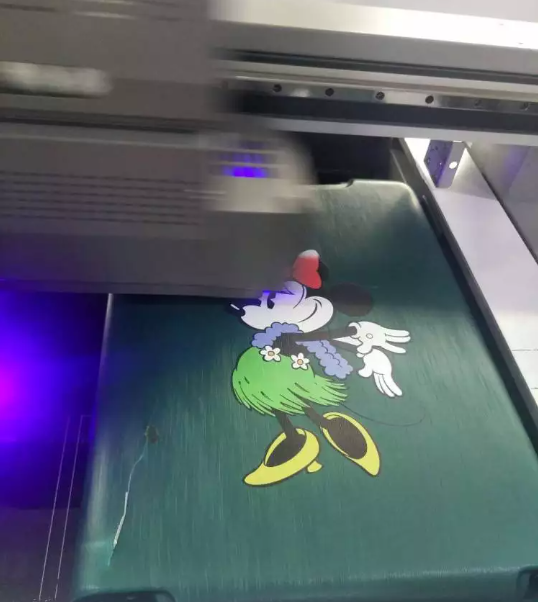
Nowadays, printing companies and individual units are paying more and more attention to
environmental protection printing and environmental protection inks. With the continuous
introduction of water-based inks, uv inks, soybean-based inks and other environmental
protection inks, environmental protection inks are gradually entering people's sight.
Identifying whether a product is environmentally friendly ink is not defined by a single
standard. There are many aspects to consider, such as the formula of the ink, the content of
ingredients and other standards to measure an ink. Although the environmental protection of
environmentally friendly inks is constantly increasing, only by paying attention to or even
changing living habits can we completely get rid of the pollution from inks. After the solvent
in the ink evaporates, the pigments, resins and additives are mainly left in the printed matter.
If it is used For printed matter on food and pharmaceutical packaging, it is best not to
come into direct contact with food.
Environmentally friendly inks may dissolve the resin in the ink due to the oils, alcohols and
esters in the food, then the food may be contaminated by the resin and pigments, especially
the possibility of solvent-based, water-based and other volatile and dry inks being redissolved
Large, uv ink may be better than that, because it is light-cured, it is different from the drying of
the oxidized conjunctiva of offset printing ink, and it is less likely to be redissolved after it
dries out; The bad habit of taking saliva on the tongue so as not to bring ink into the mouth.
The advantages of commonly used environmentally friendly inks: no side effects on the human
body; truly environmentally friendly and energy-saving; no air pollution; in line with the
environmental protection concept of building a green global village; can ensure food safety.
 Sublimation Ink Buying Guide for sublimation printer ink | UVINK
  DTF ink Selection Guide for dtg dtf printer | UVINK
  UV DTF Ink: What Is UV DTF for Digital Printing?
  Economic DTF Ink for DTF Printer Procolored – No‑Clog, Cost‑Effective Industrial Printing Solution
  Economic‑Grade DTF Ink – Complete Industrial Guide: How To Make DTF Transfers With Inkjet Printer
  Industrial‑Grade UV DTF Ink – Complete Buying Guide for UV DTF Stickers for Tumblers Production
  UVINK Eco Solvent Ink – Complete Industrial Buying Guide for Car Wrap Advertising Projects
  Fluorescent Sublimation Ink & Sublimation Printer Ink – Full Industrial UVINK Buyer Guide
  UVINK Economic DTF Ink – Complete Industrial Guide for DTF Printing Ink Users
 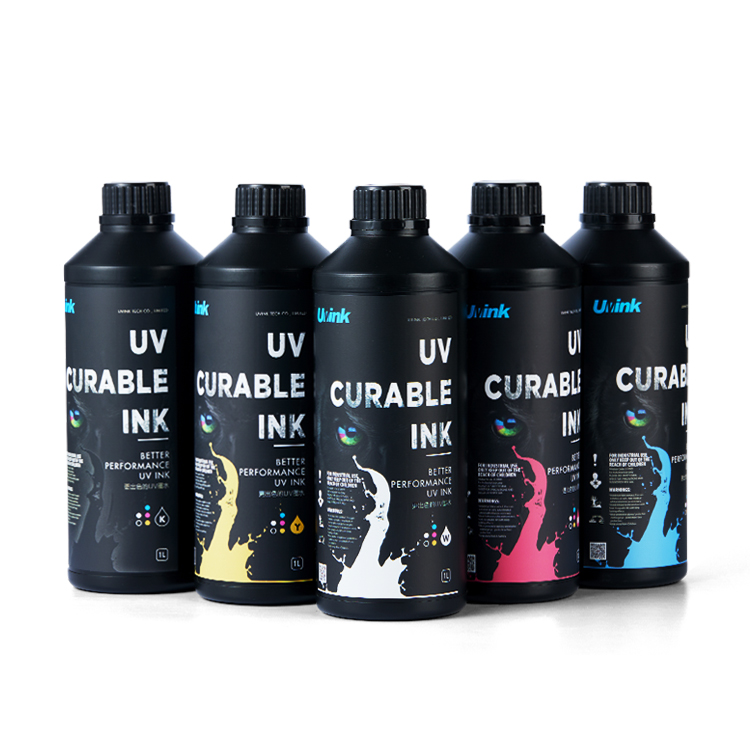 Professional‑Grade UV DTF Ink for High‑Quality UV DTF Prints – UVINK Complete Industrial Buying Guide
 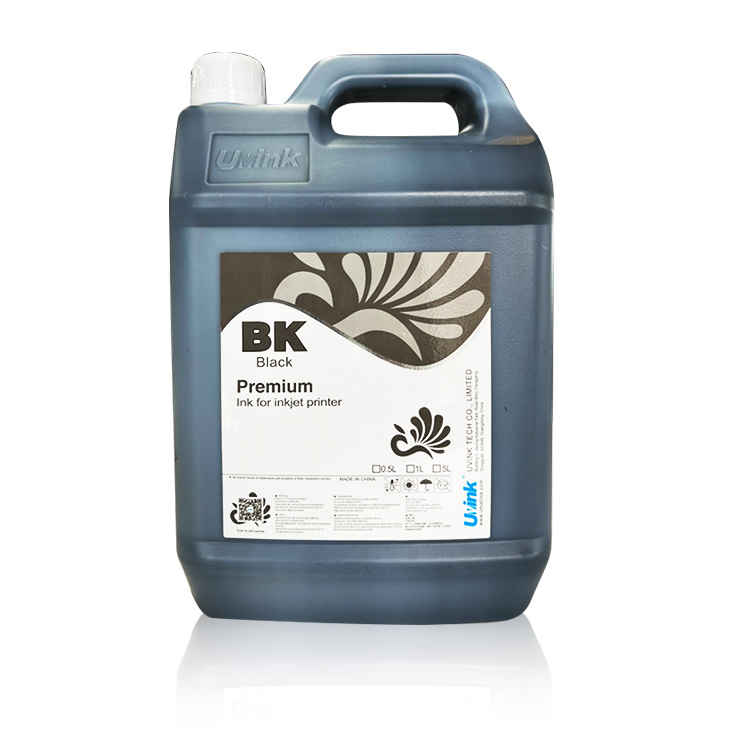 Mild Solvent Ink & Outdoor Advertising Printing – Professional Industrial Guide by UVINK
  Sublimation Ink & Epson Sublimation Ink – Full Industrial Buyer Guide by UVINK
  UVINK UV DTF Ink & What Are UV DTF Stickers – Complete Industrial Guide
 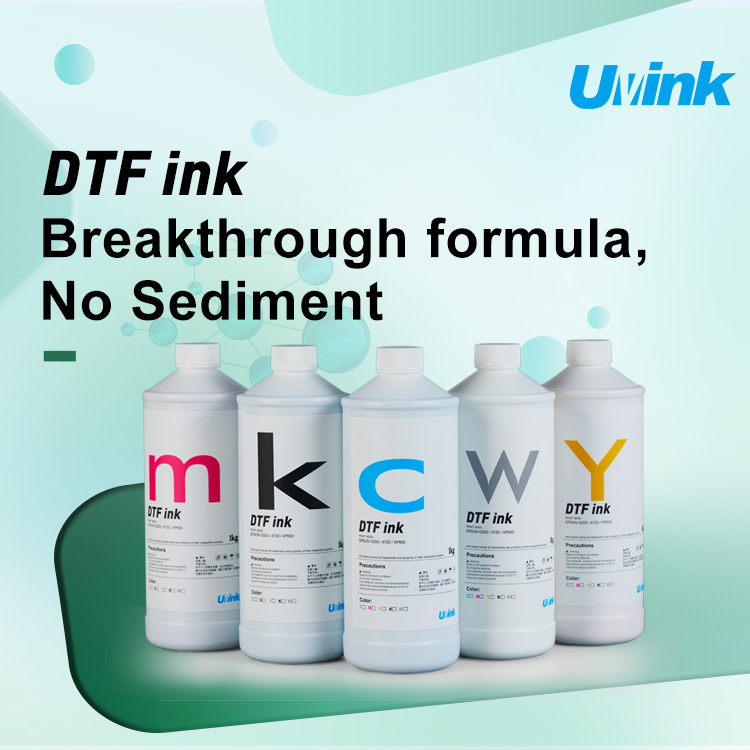 UVINK Economic DTF ink: Complete Buyer Guide for dtf for shirts Printing
  Sublimation Ink & Printer Color Ink: Industrial B2B Technical Guide
  UV DTF Ink & How to Make UV DTF Stickers: Industrial Production Guide
  Solvent Ink for Wide Format Ink Jet Printer: Industrial Technical Guide
  Sublimation Ink: Professional Technical Guide for Epson Printers
  Eco-solvent Ink: Professional Industrial Guide for Epson Pro Printers
  DTF Ink: Professional Industrial Guide for Procolored DTF Printer L1800