
Do you really use water-based ink correctly?
author: Uvink
2023-01-04
For plate making, water-based ink has a high solid content, and the weight of
the dry film of the ink layer is high. Therefore, it is generally required to use
an ink transfer roller with a high number of wire lines for water-based ink,
so as to obtain a lower weight of the dry film of the ink layer, which can reduce
the drying difficulty. In addition, the ink transfer amount of water-based ink is
usually more than 80%, while that of solvent based ink is only about 65%.
Therefore, the net grain of the ink transfer roller should be lighter, that is,
light lithography. Do you really use water-based ink correctly?The storage
room temperature shall not be lower than 5 ℃. Water based ink cannot be mixed
with other alcohol based or solvent based inks to avoid printing quality problems.
Drying, the drying mechanism of water-based ink is mainly volatile drying,
and also reactive solidification drying. Dry water-based ink to have a higher air flow,
but not too high temperature. If the temperature is too high, some non absorbable
materials will cause the surface layer of the ink layer to dry, while the internal
moisture cannot be dried completely, and adhesion will occur during color printing.
Generally, drying is divided into two stages: high temperature and low air flow;
A large amount of air with high speed and moderate temperature is introduced.
While paying attention to the drying speed, we should also consider preventing
the drying, because once the water-based ink is dry, it is difficult to re dissolve
in water, and it will cause the ink to solidify.
PH value control: Do you really use water-based ink correctly?the pH value is
too low, and the viscosity of the ink is too high; If the pH value is too high, the ink
color depth will decrease. The pH value is usually controlled at 8.5~9.5. Due to the
volatilization of water and ammonia, the viscosity of water-based ink will increase
and the pH value will change. Therefore, the corresponding water-based ink auxiliaries
need to be frequently used for adjustment during the printing process. To eliminate
foam, it is easier to avoid foaming of water-based ink than to eliminate foam.
Although water-based ink contains defoamer, foam is caused by too fast stirring or
too high shear force of the pump. Therefore, when using water-based ink, it is required
not to stir too violently; Use a long ink pipe in the shape of "S"; The returned ink should
return to the ink tank from the position below the ink level.
the dry film of the ink layer is high. Therefore, it is generally required to use
an ink transfer roller with a high number of wire lines for water-based ink,
so as to obtain a lower weight of the dry film of the ink layer, which can reduce
the drying difficulty. In addition, the ink transfer amount of water-based ink is
usually more than 80%, while that of solvent based ink is only about 65%.
Therefore, the net grain of the ink transfer roller should be lighter, that is,
light lithography. Do you really use water-based ink correctly?The storage
room temperature shall not be lower than 5 ℃. Water based ink cannot be mixed
with other alcohol based or solvent based inks to avoid printing quality problems.
Drying, the drying mechanism of water-based ink is mainly volatile drying,
and also reactive solidification drying. Dry water-based ink to have a higher air flow,
but not too high temperature. If the temperature is too high, some non absorbable
materials will cause the surface layer of the ink layer to dry, while the internal
moisture cannot be dried completely, and adhesion will occur during color printing.
Generally, drying is divided into two stages: high temperature and low air flow;
A large amount of air with high speed and moderate temperature is introduced.
While paying attention to the drying speed, we should also consider preventing
the drying, because once the water-based ink is dry, it is difficult to re dissolve
in water, and it will cause the ink to solidify.
PH value control: Do you really use water-based ink correctly?the pH value is
too low, and the viscosity of the ink is too high; If the pH value is too high, the ink
color depth will decrease. The pH value is usually controlled at 8.5~9.5. Due to the
volatilization of water and ammonia, the viscosity of water-based ink will increase
and the pH value will change. Therefore, the corresponding water-based ink auxiliaries
need to be frequently used for adjustment during the printing process. To eliminate
foam, it is easier to avoid foaming of water-based ink than to eliminate foam.
Although water-based ink contains defoamer, foam is caused by too fast stirring or
too high shear force of the pump. Therefore, when using water-based ink, it is required
not to stir too violently; Use a long ink pipe in the shape of "S"; The returned ink should
return to the ink tank from the position below the ink level.
 Sublimation Ink Buying Guide for sublimation printer ink | UVINK
  DTF ink Selection Guide for dtg dtf printer | UVINK
  UV DTF Ink: What Is UV DTF for Digital Printing?
  Economic DTF Ink for DTF Printer Procolored – No‑Clog, Cost‑Effective Industrial Printing Solution
  Economic‑Grade DTF Ink – Complete Industrial Guide: How To Make DTF Transfers With Inkjet Printer
  Industrial‑Grade UV DTF Ink – Complete Buying Guide for UV DTF Stickers for Tumblers Production
 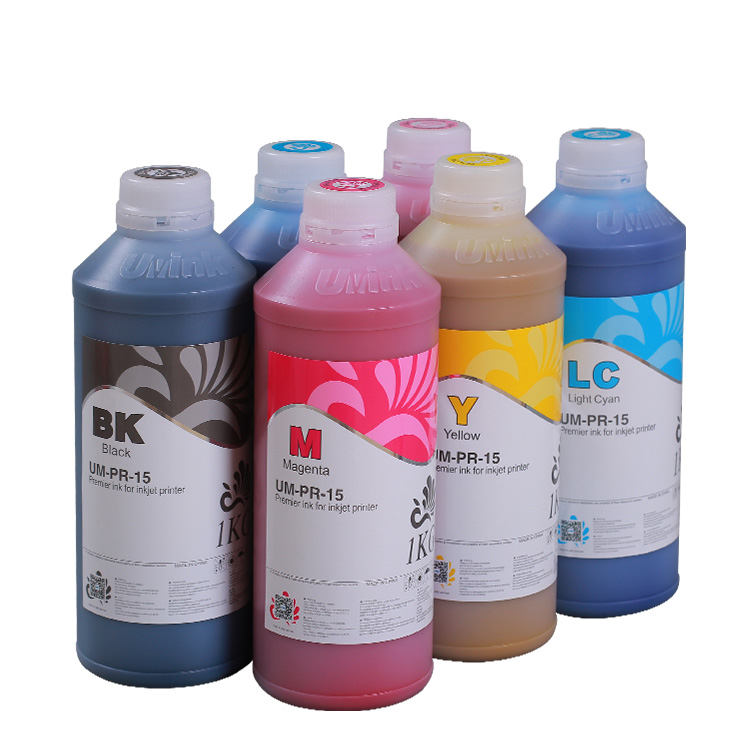 UVINK Eco Solvent Ink – Complete Industrial Buying Guide for Car Wrap Advertising Projects
 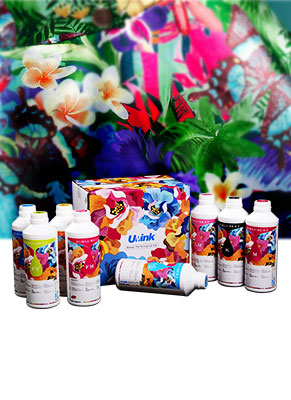 Fluorescent Sublimation Ink & Sublimation Printer Ink – Full Industrial UVINK Buyer Guide
  UVINK Economic DTF Ink – Complete Industrial Guide for DTF Printing Ink Users
 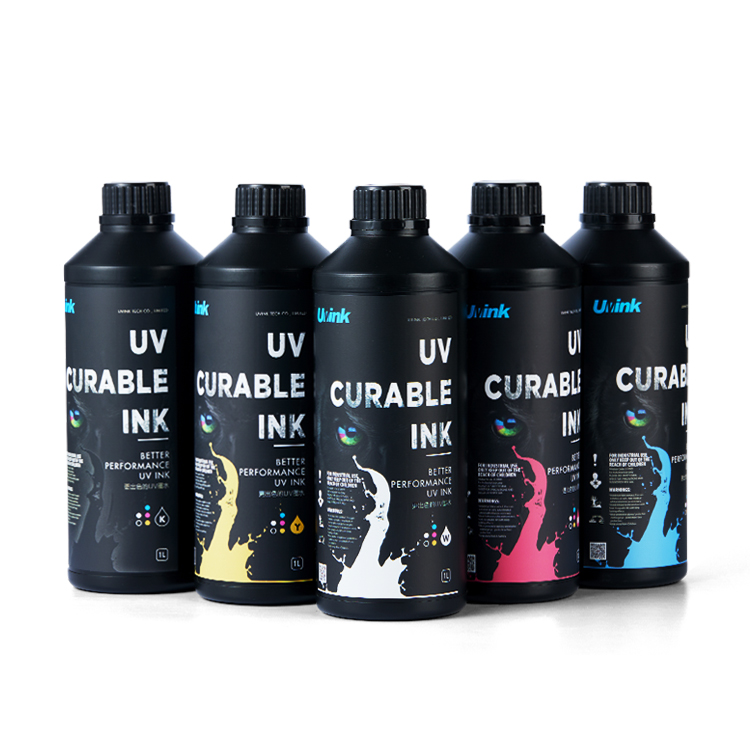 Professional‑Grade UV DTF Ink for High‑Quality UV DTF Prints – UVINK Complete Industrial Buying Guide
 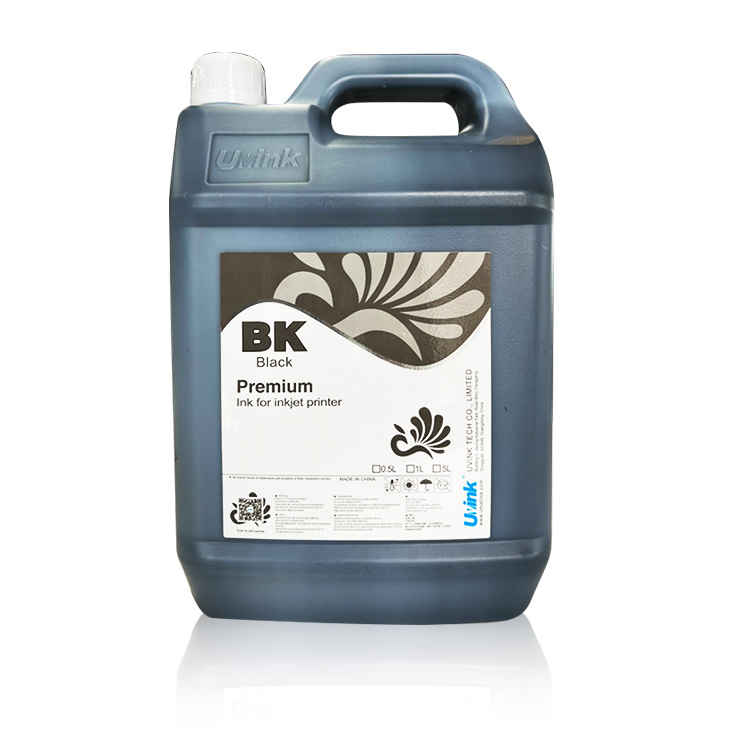 Mild Solvent Ink & Outdoor Advertising Printing – Professional Industrial Guide by UVINK
  Sublimation Ink & Epson Sublimation Ink – Full Industrial Buyer Guide by UVINK
  UVINK UV DTF Ink & What Are UV DTF Stickers – Complete Industrial Guide
 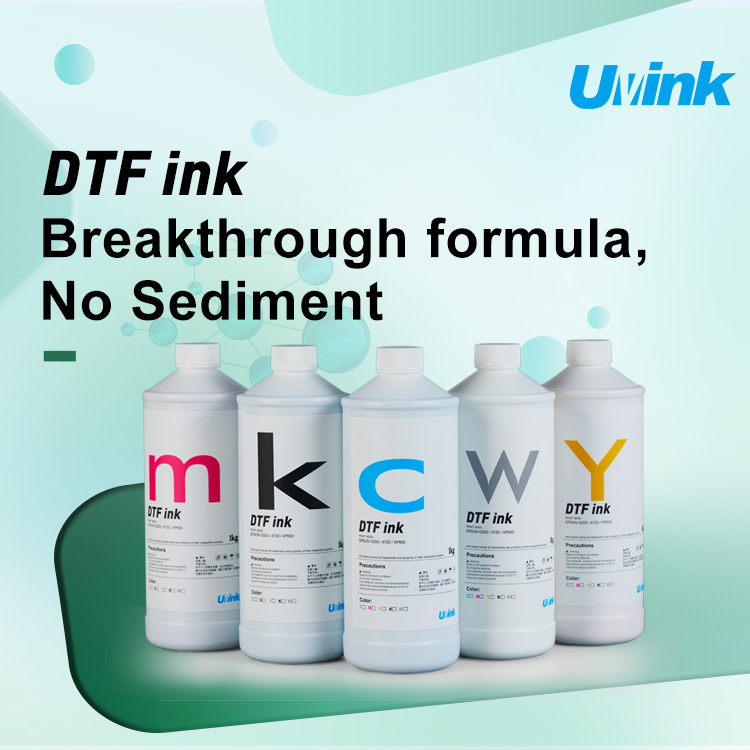 UVINK Economic DTF ink: Complete Buyer Guide for dtf for shirts Printing
  Sublimation Ink & Printer Color Ink: Industrial B2B Technical Guide
  UV DTF Ink & How to Make UV DTF Stickers: Industrial Production Guide
  Solvent Ink for Wide Format Ink Jet Printer: Industrial Technical Guide
 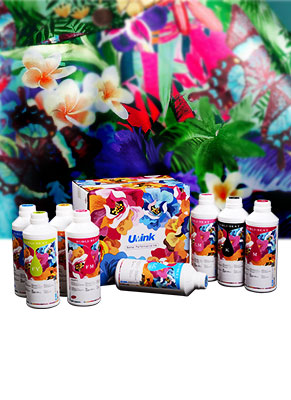 Sublimation Ink: Professional Technical Guide for Epson Printers
  Eco-solvent Ink: Professional Industrial Guide for Epson Pro Printers
  DTF Ink: Professional Industrial Guide for Procolored DTF Printer L1800